Information
Landmark: Victoria Street MarketCity: Durban
Country: South Africa
Continent: Africa
Victoria Street Market, Durban, South Africa, Africa
Victoria Street Market is a multi-level indoor market located in the central business district of Durban, South Africa. It functions as a hub for local crafts, spices, and produce.
Visual Characteristics
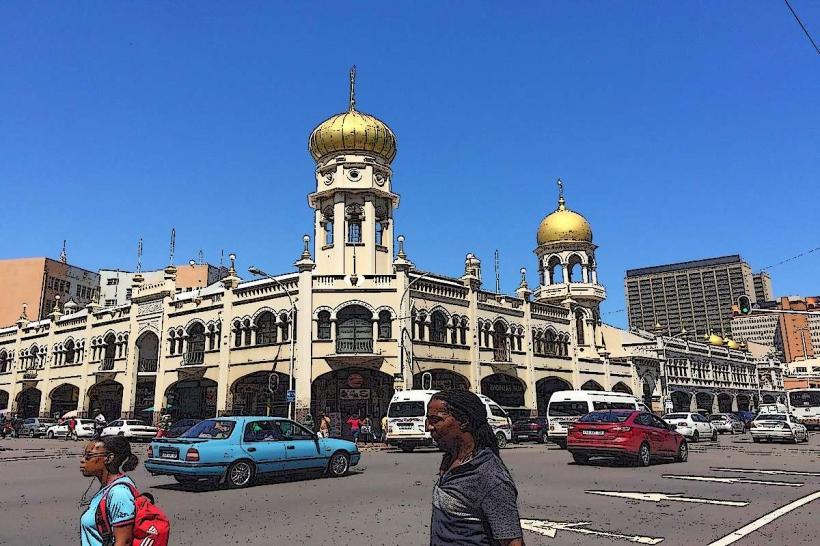
The market building is a multi-story structure constructed primarily from concrete and brick. Its exterior features a utilitarian design with numerous windows and balconies. Internally, the market is characterized by narrow aisles lined with stalls, creating a dense retail environment. The dominant colors are neutral, with the vibrant hues of the goods on display providing visual contrast.
Location & Access Logistics
Victoria Street Market is situated at the intersection of Victoria Street and Bertha Mkhize Street in Durban's CBD. It is approximately 1.5km inland from the Durban Beachfront. Public parking is available in multi-story garages within a 500-meter radius, such as the Victoria Parkade. Several municipal bus routes service the immediate vicinity, with stops directly on Victoria Street and Bertha Mkhize Street.
Historical & Ecological Origin
The original market structure was established in the late 19th century, with the current building dating from the mid-20th century. It was designed to consolidate various street vendors and provide a central trading point for the city's diverse population, particularly for spices and textiles originating from Indian traders. It is a man-made commercial development.
Key Highlights & Activities
Visitors can purchase a wide range of spices, including curry powders, turmeric, and garam masala. The market also offers locally made handicrafts, clothing, jewelry, and fresh produce. Haggling over prices is a common practice at many stalls.
Infrastructure & Amenities
Restrooms are available on each level. Limited shaded areas are present within the market's covered aisles. Cell phone signal (4G/5G) is generally consistent throughout the building. Food vendors are integrated within the market, offering local snacks and meals.
Best Time to Visit
The market is busiest in the mornings, particularly between 9:00 AM and 12:00 PM, when fresh produce is most abundant. Weekdays generally have fewer crowds than Saturdays. There are no specific tide requirements for visiting.
Facts & Legends
Victoria Street Market is renowned for its extensive spice stalls, often referred to as Durban's "Spice Mecca." A specific tip for visitors is to explore the upper levels for less common spices and artisanal crafts, as these areas are often less frequented by casual shoppers.
Nearby Landmarks
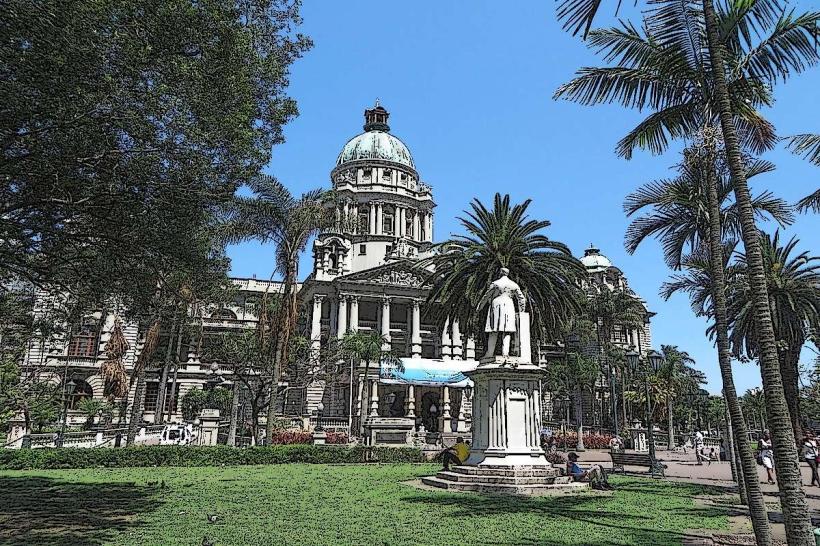
- Durban City Hall (0.8km Northwest)
- KwaMuhle Museum (0.6km West)
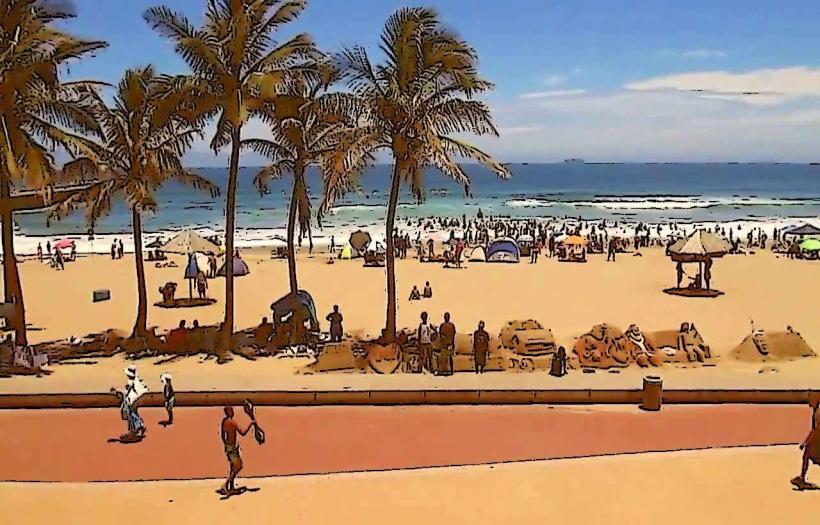
- Marine Parade (1.8km Southeast)
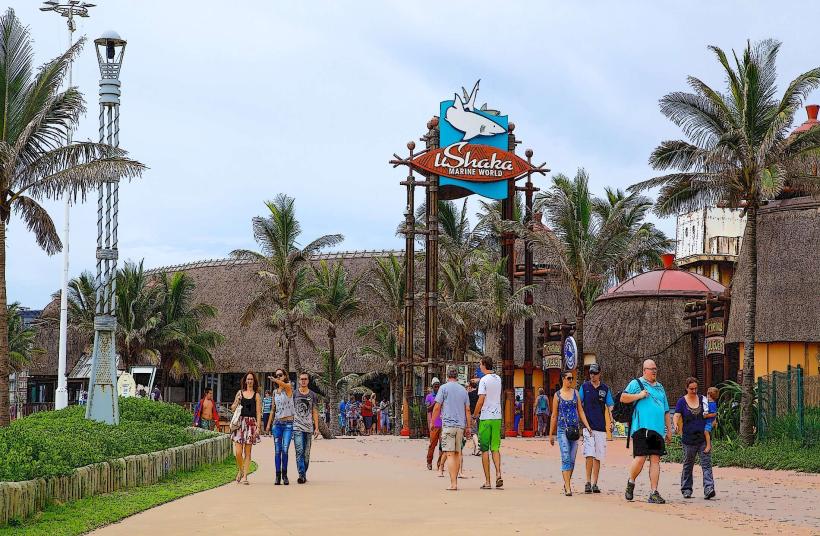
- uShaka Marine World (2.5km South)
- Moses Mabhida Stadium (3.2km North)