Information
Landmark: Vine Neighborhood Historic DistrictCity: Kalamazoo
Country: USA Michigan
Continent: North America
Vine Neighborhood Historic District, Kalamazoo, USA Michigan, North America
Vine Neighborhood Historic District – Kalamazoo, Michigan (Detailed Overview)
The Vine Neighborhood Historic District, one of Kalamazoo’s most culturally rich and architecturally diverse areas, lies just south of downtown Kalamazoo. Recognized officially on the National Register of Historic Places in 1983, this district not only holds historical and architectural significance, but also functions today as one of the city’s most vibrant, eclectic, and community-driven neighborhoods.
Location and Boundaries
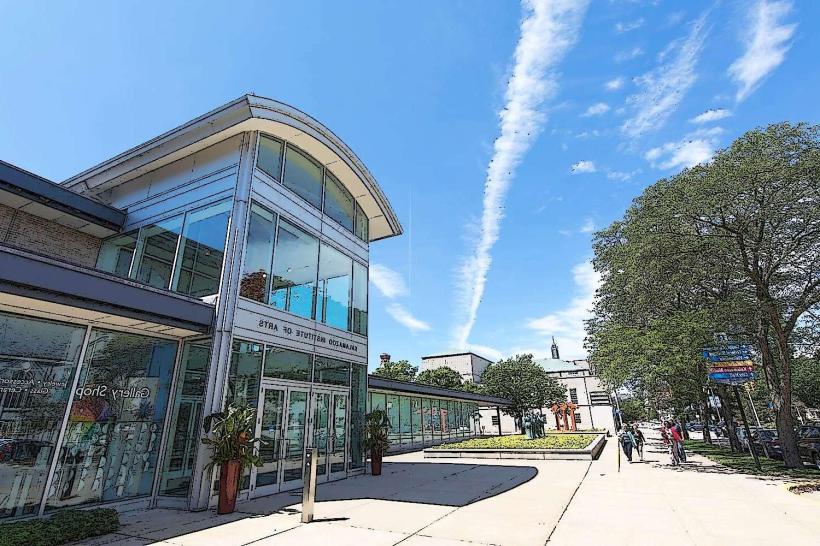
The district is roughly bounded by South Rose Street to the west, South Westnedge Avenue to the east, West Walnut Street to the north, and Ranney Street to the south, encompassing an area of approximately 33 acres. The core of the neighborhood falls within walking distance of Western Michigan University, downtown Kalamazoo, and the Kalamazoo Institute of Arts.
Historical Background
The neighborhood’s origins date back to the 1840s, when the land was originally part of a farm owned by Epaphroditus Ransom, Michigan's first Supreme Court justice and later governor. In the early 1850s, this land was sold to Paulus DenBleyker, a Dutch immigrant who helped subdivide it into residential lots. This subdivision attracted a growing population of Dutch settlers, laying the foundation for what would become a distinctive Kalamazoo neighborhood.
Throughout the late 19th century and into the early 20th century, the area flourished. The arrival of a streetcar line in the 1880s allowed for easier access to the downtown business district, catalyzing a period of dense residential development. Professionals, shopkeepers, educators, and craftsmen settled in the Vine neighborhood, building homes that reflected the architectural tastes of the time.
Architectural Significance
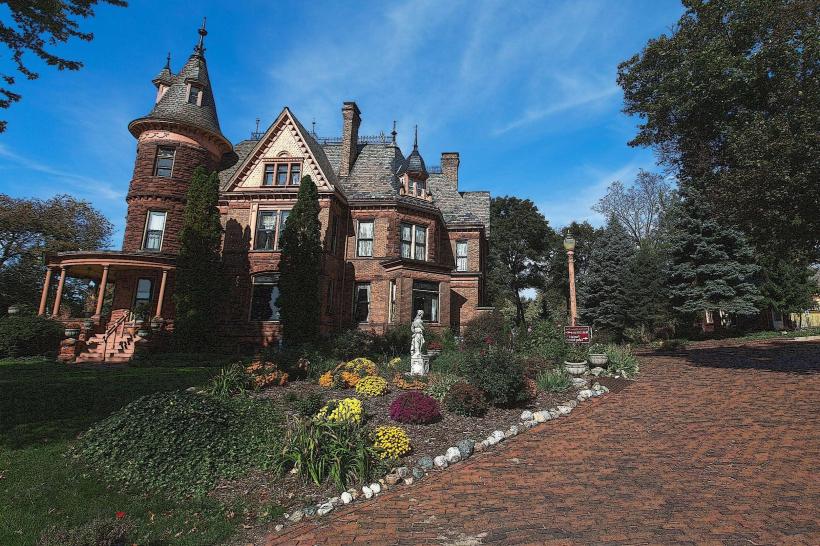
The Vine Neighborhood Historic District is a showcase of American domestic architectural styles spanning nearly a century. More than 170 contributing buildings reflect this stylistic evolution. The majority are wood-frame houses originally constructed between the 1850s and 1920s, with some later 20th-century infill.
Notable Architectural Styles:
Greek Revival: Characterized by columned porches, symmetrical facades, and gabled roofs; some of the district’s earliest homes feature these forms.
Italianate: Popular in the 1870s and 1880s, recognizable by their tall, narrow windows, ornate cornices, and low-pitched roofs.
Queen Anne: Dominant during the 1880s–1900s, marked by asymmetrical facades, wrap-around porches, and intricate woodwork or decorative shingles.
Colonial Revival and American Foursquare: Common in the early 20th century, these homes offer more geometric symmetry, front-facing gables, and modest ornamentation.
Prominent Buildings:
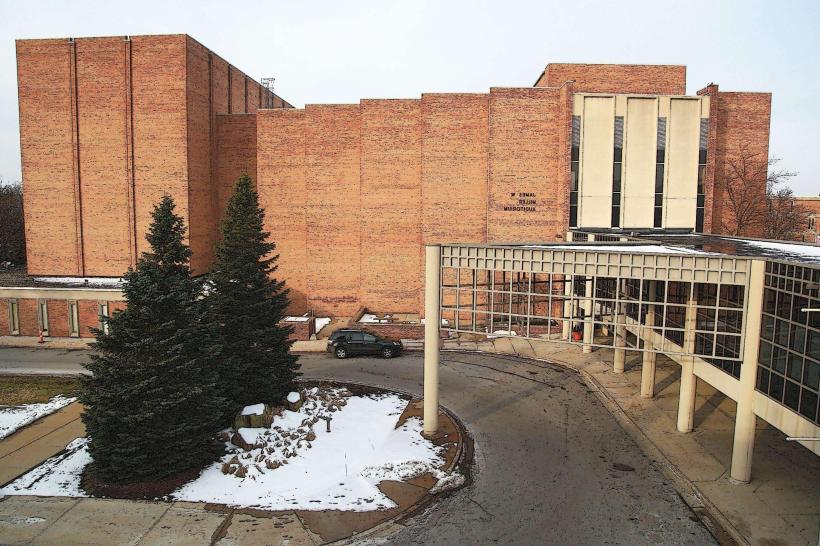
Old Central High School: A massive Neo-Tudor structure at the northern edge of the district, now housing the Kalamazoo Area Math and Science Center (KAMSC) and adult education programs.
Grace Christian Reformed Church: One of the few large-scale institutional buildings in the district, reflecting the neighborhood’s deep cultural roots.
Community and Culture
The Vine Neighborhood today is a unique blend of historic preservation and modern bohemian culture. The area is home to a mix of longtime residents, young professionals, artists, students, and families. Its diversity and grassroots spirit are key aspects of its character.
Features of the Vine Community:
Locally-Owned Businesses: Along Vine Street and South Westnedge Avenue, the district boasts independent coffee shops, bookstores, restaurants, breweries, and boutiques. These small businesses support a strong buy-local ethic and help define the neighborhood’s identity.
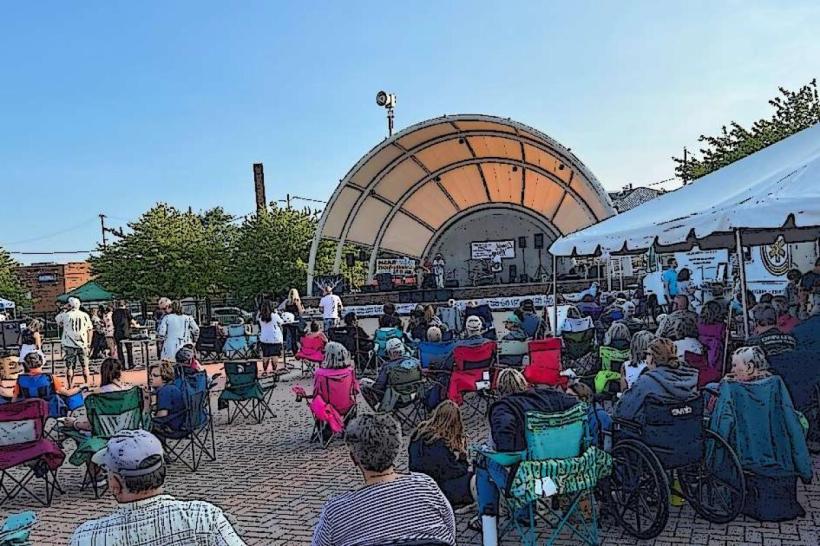
Art and Music Scene: The area regularly hosts block parties, art walks, live music events, and informal creative gatherings. The aesthetic of the neighborhood is colorful, frequently featuring murals and community art projects.
Parks and Green Space: Though the area is mostly residential, small parks and community gardens dot the neighborhood, offering green respite and gathering places.
Proximity to Higher Education: Its location between Western Michigan University and Kalamazoo College means the neighborhood often pulses with student energy and academic influence.
Modern Revitalization and Preservation
In the last few decades, residents and the Vine Neighborhood Association (VNA) have worked actively to preserve the historical integrity of the area while also promoting community development and inclusivity.
Key Efforts:
Restoration Projects: Many historic homes have undergone careful renovations to maintain their original craftsmanship, while being updated for modern use.
Business Revitalization: The Central Corners project led by the VNA converted a once-underutilized commercial property into an incubator for small businesses and events.
Housing Equity Initiatives: Efforts have been made to maintain affordable housing and avoid excessive gentrification, ensuring that the neighborhood retains its diverse demographic makeup.
Character and Atmosphere
The Vine Neighborhood is often described as "funky," "artsy," and "eclectic." It offers a walkable lifestyle with tree-lined streets, varied architecture, and a sense of community that encourages interaction and engagement. It’s not uncommon to see front porch concerts, impromptu poetry readings, or chalk art on the sidewalks. The neighborhood exudes a balance between historical reverence and creative reinvention.
Conclusion
The Vine Neighborhood Historic District is more than a preserved slice of Kalamazoo’s architectural past-it is a living, breathing community that continues to evolve while honoring its heritage. With its mix of historic charm, progressive values, and grassroots energy, Vine remains one of Kalamazoo’s most dynamic and culturally rich neighborhoods. Whether you're drawn by its architecture, its arts scene, or its strong community spirit, Vine offers a deeply authentic and multifaceted experience.