Information
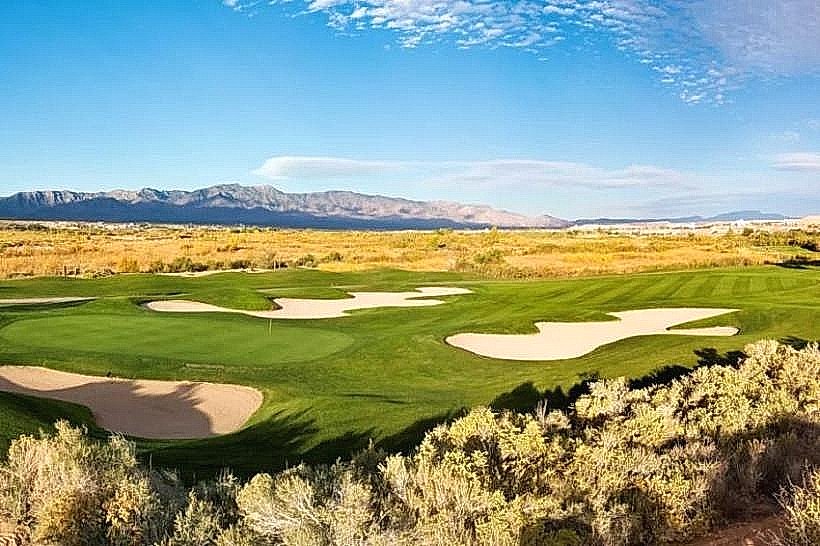
Landmark: Virgin Valley MonumentCity: Mesquite
Country: USA Nevada
Continent: North America
Virgin Valley Monument, Mesquite, USA Nevada, North America
The Fort Smith Trolley Museum is a transportation museum located in Fort Smith, Arkansas, USA.
Visual Characteristics
The museum houses several historic streetcars. These vehicles are constructed primarily of wood and steel, with painted exteriors that vary by car. The primary building is a former streetcar barn, a utilitarian structure designed for vehicle storage and maintenance.
Location & Access Logistics
The museum is situated at 100 South 4th Street, Fort Smith, Arkansas. It is approximately 0.5km South of the Fort Smith city center. On-site parking is available. The nearest public transport stop is located on Garrison Avenue, serviced by Route 4 of the Fort Smith Transit system.
Historical & Ecological Origin
The museum's collection consists of streetcars that operated in Fort Smith and other cities during the late 19th and early 20th centuries. The primary building served as a streetcar barn for the Fort Smith Light and Traction Company. The museum was established to preserve this local transportation history.
Key Highlights & Activities
Visitors can board and explore select restored streetcars. A short, operational demonstration ride on a restored trolley is typically offered on weekends, weather permitting. Informational displays detail the history of streetcar transportation in Fort Smith.
Infrastructure & Amenities
Restrooms are available on-site. Limited shade is provided by the museum building. Cell phone signal (4G/5G) is generally available in the area. No food vendors are located directly at the museum; however, dining options are available in the nearby downtown area.
Best Time to Visit
For the best experience with operational trolley rides, visit on a Saturday or Sunday afternoon between April and October. Mid-morning offers good lighting for viewing the static displays.
Facts & Legends
One of the museum's most notable artifacts is Car No. 101, a Peter Witt streetcar that once ran on the streets of Fort Smith. It is one of the few remaining examples of this type of streetcar in existence.
Nearby Landmarks
- 0.3km North: Fort Smith National Historic Site
- 0.6km Northwest: The First National Bank Building
- 0.8km West: The Clayton House Museum
- 1.2km Southwest: The U.S. Marshals Museum