Information
Landmark: Wadi Wurayah National ParkCity: Fujairah
Country: United Arab Emirates
Continent: Asia
Wadi Wurayah National Park, Fujairah, United Arab Emirates, Asia
Wadi Wurayah National Park is a protected area located in the Hajar Mountains of Fujairah, United Arab Emirates. It encompasses a significant wadi system and surrounding mountainous terrain.
Visual Characteristics
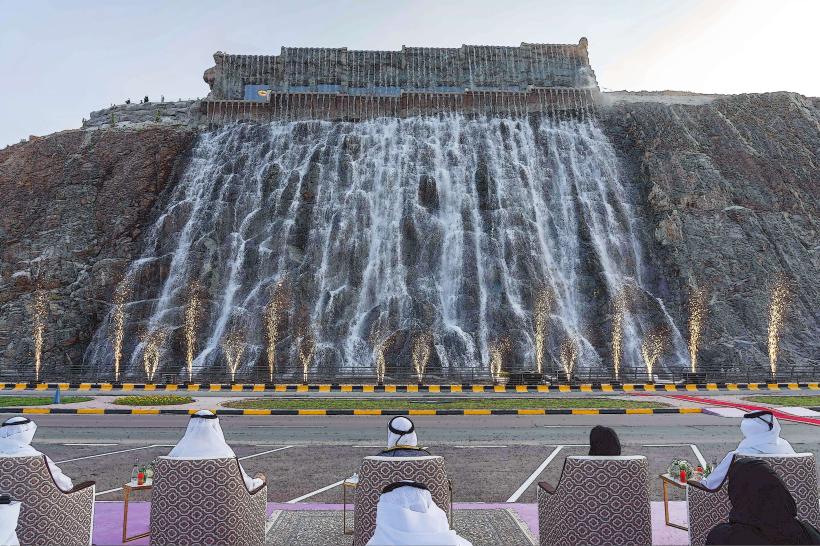
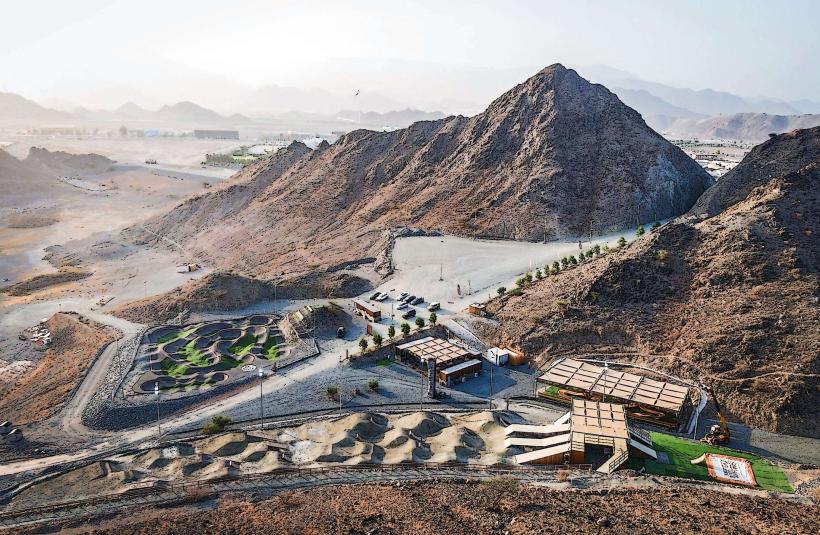
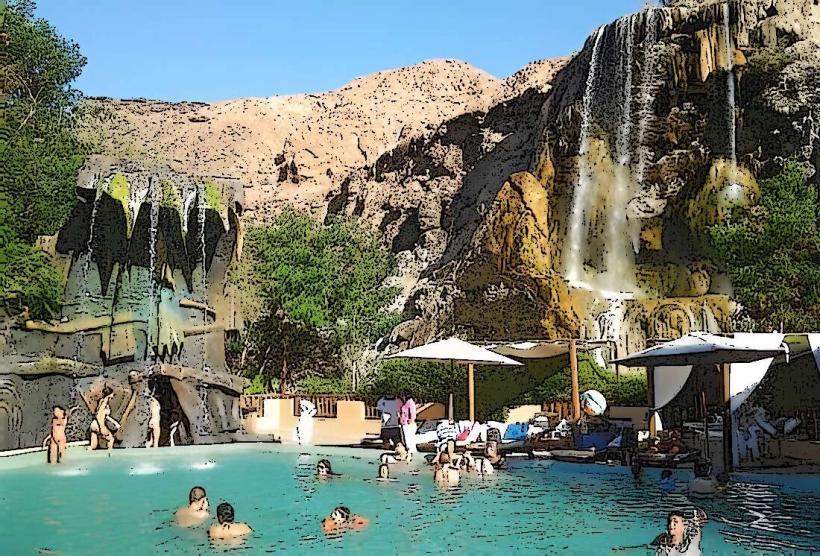
The park features a dry riverbed (wadi) characterized by gravel and sand deposits, interspersed with rock formations. Surrounding slopes are arid, covered with sparse desert vegetation, primarily shrubs and grasses adapted to low rainfall. During infrequent rain events, the wadi can fill with water, creating temporary pools and waterfalls. Rock types include metamorphic and igneous formations typical of the Hajar Mountains.
Location & Access Logistics
Wadi Wurayah National Park is situated approximately 20 kilometers inland from the city of Fujairah. Access is primarily via the E89 highway, turning onto local roads leading towards the park entrance. The final approach may involve unpaved tracks suitable for 4x4 vehicles, especially after rainfall. Parking is available at designated points near the park entrance, though capacity is limited. Public transport directly to the park is not available; private vehicles or organized tours are the primary means of access.
Historical & Ecological Origin
The wadi system is a geologically formed drainage basin within the Hajar Mountains, shaped by erosion over millennia. Its ecological significance lies in its role as a habitat for endemic and migratory species, particularly during wetter periods. The area has historically been utilized by local communities for grazing and water collection. The designation as a National Park aims to preserve its natural landscape and biodiversity.
Key Highlights & Activities
Hiking is permitted on designated trails, offering views of the wadi and mountain scenery. Birdwatching is a common activity, with opportunities to observe resident and migratory species. Photography is encouraged, particularly of the geological formations and, when present, water features. Access to specific areas may be restricted during periods of high water flow for safety reasons.
Infrastructure & Amenities
Basic facilities at the park entrance may include signage and limited information points. Restrooms are generally not available within the park itself. Shade is minimal, provided only by natural rock overhangs. Cell phone signal (4G/5G) can be intermittent to non-existent within the wadi and mountainous areas. Food vendors are not present within the park; visitors should carry their own provisions.
Best Time to Visit
The optimal time for visiting Wadi Wurayah National Park is during the cooler months, from October to April. Daytime temperatures are more moderate, facilitating outdoor activities. For photography, early morning and late afternoon offer softer light. Following significant rainfall, the wadi may contain water, creating temporary waterfalls and pools, but access can be challenging and potentially hazardous.
Facts & Legends
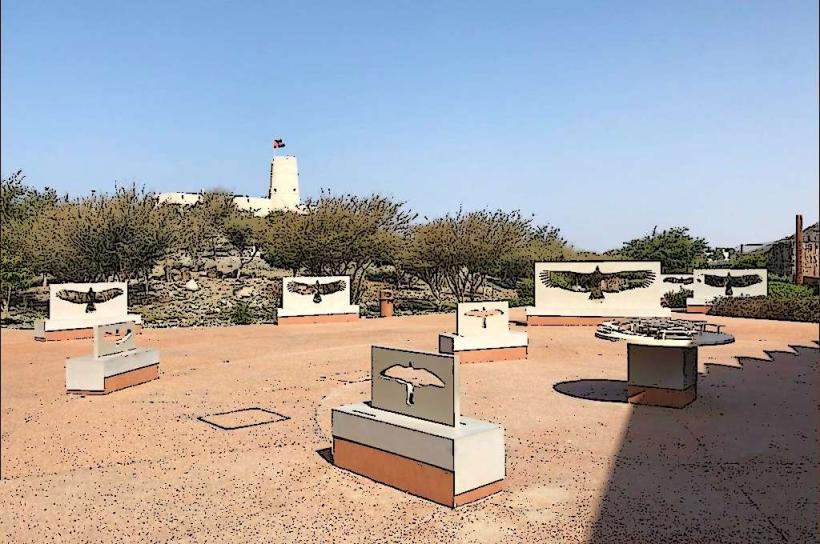
Wadi Wurayah is recognized as an Important Bird Area (IBA) by BirdLife International, supporting a diverse avian population. A specific geological feature within the park is a series of natural rock pools that can form after substantial rainfall, attracting various wildlife.
Nearby Landmarks
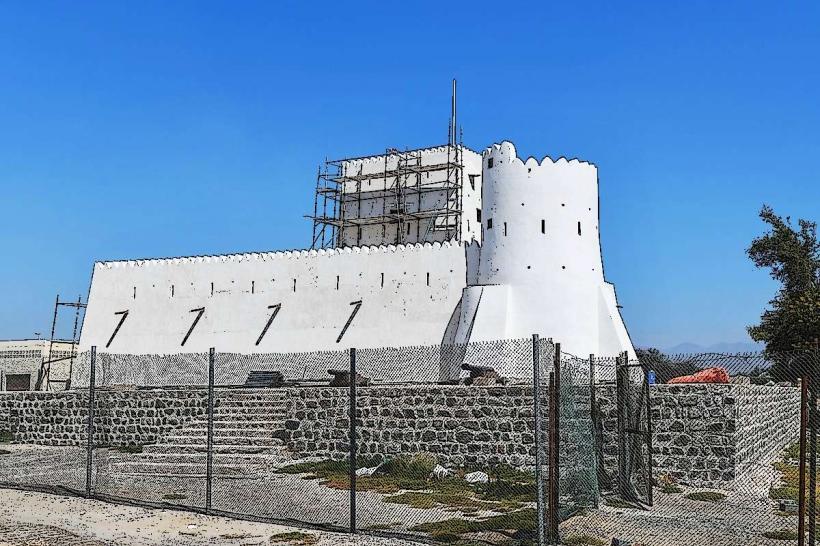
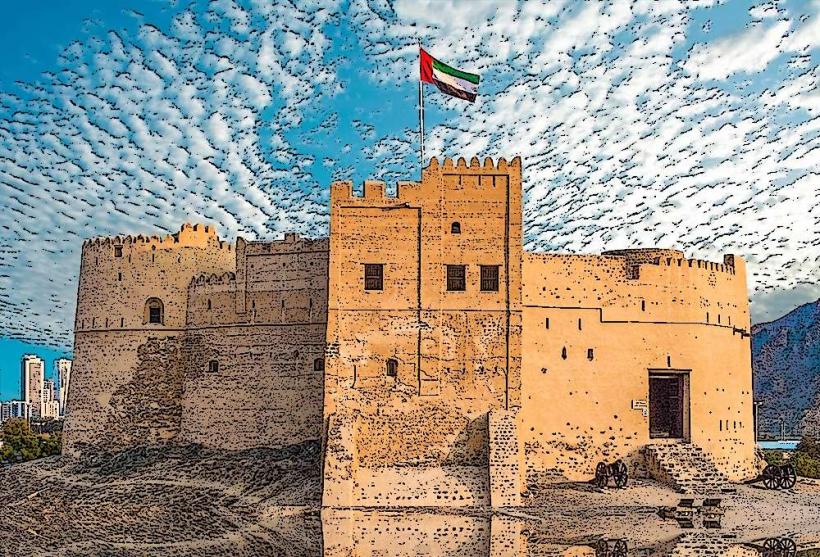
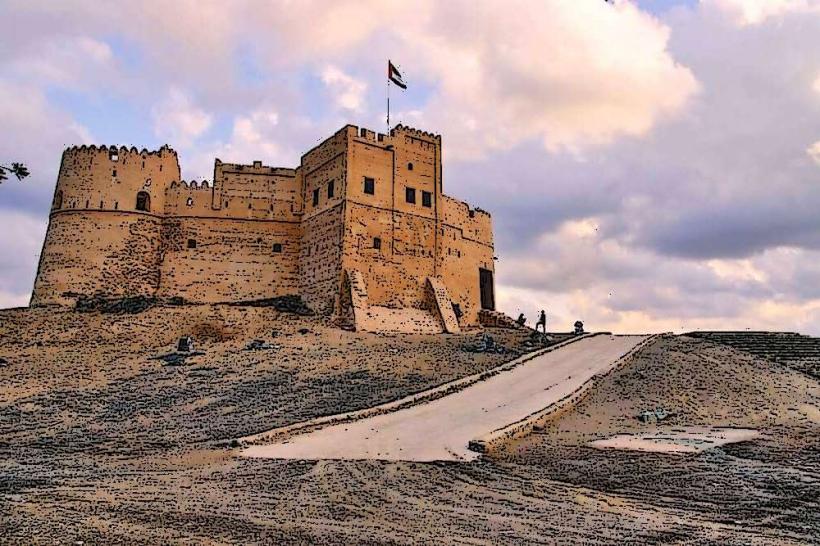
- Fujairah Fort (15km Southwest)
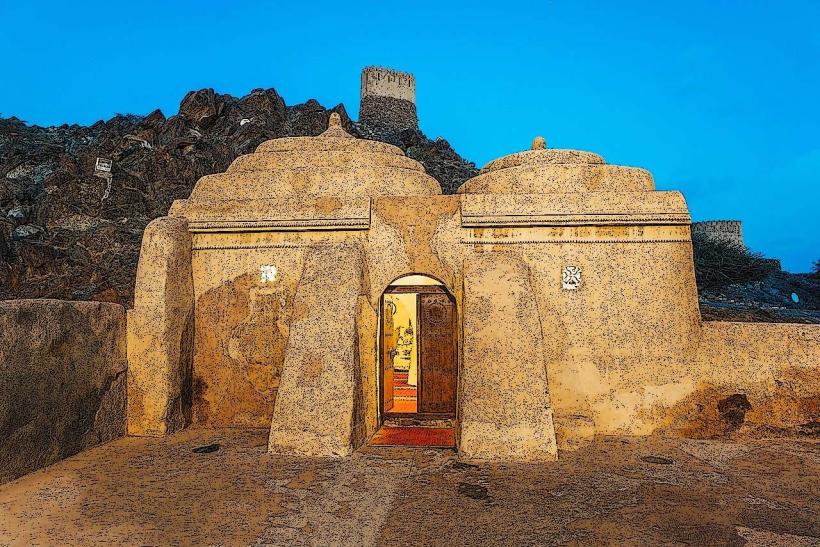
- Al Badiyah Mosque (18km Southwest)
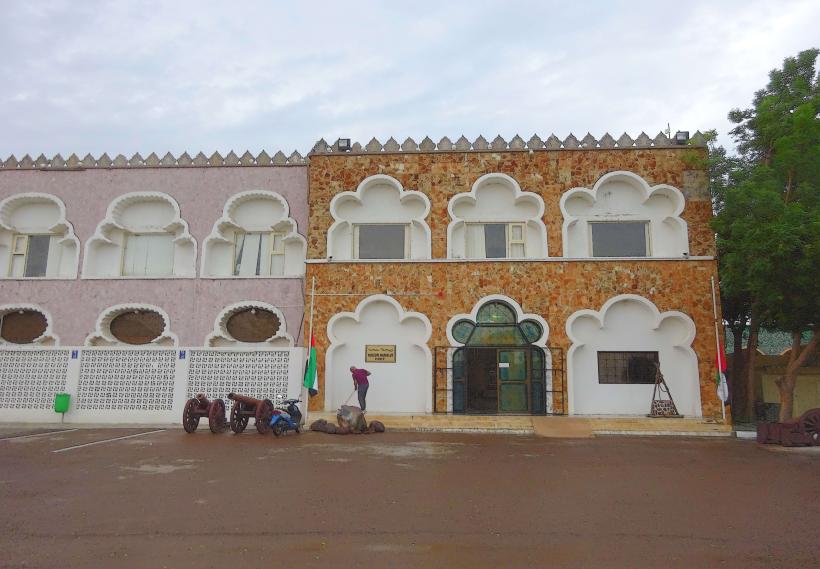
- Fujairah Museum (20km Southwest)
- Dibba Al Fujairah (35km Northeast)