Information
Landmark: Wailoaloa BeachCity: Nadi
Country: Fiji
Continent: Australia
Wailoaloa Beach, Nadi, Fiji, Australia
Wailoaloa Beach is a public coastal stretch situated on Nadi Bay in the western region of Viti Levu, Fiji. It serves as a primary recreational hub for the Nadi area, characterized by its long, crescent-shaped shoreline and proximity to the local hospitality sector.
Visual Characteristics
The beach is composed of dark, volcanic sand rather than white coral sand. The shoreline extends for approximately 2 kilometers, featuring a wide, flat profile that expands significantly during low tide. Vegetation along the upper beach margin consists of palm trees and indigenous coastal shrubs. The water is typically calm due to the protection of the bay, though clarity is lower than on the outer islands because of fine sediment and proximity to river outlets.
Location & Access Logistics
The site is located 10km west of Nadi International Airport and 3.5km from Nadi Town. Access is primarily via Wailoaloa Road, which connects directly to the Queens Road highway. Public transport includes the "Wailoaloa" local bus departing from the Nadi Bus Terminal every 30 to 60 minutes. Taxis from the airport or town center reach the beach in approximately 15 minutes. Parking is available along the roadside and in designated lots near the beach clubs.
Historical & Ecological Origin
The beach is a geological result of volcanic activity on Viti Levu, with its dark sand originating from eroded basaltic rock carried to the coast by the Nadi River. Historically, the area remained a quiet fishing and agricultural zone until the late 20th century, when it was developed as a transit hub for travelers. It now functions as a high-density zone for budget and mid-range tourism infrastructure.
Key Highlights & Activities
Non-motorized water sports, including kayaking and stand-up paddleboarding, are feasible due to the sheltered bay conditions. The beach is a designated area for beach rugby and volleyball, with permanent nets often installed by local clubs. Horseback riding tours operate along the shoreline during daylight hours. Swimming is possible but is most common at high tide to avoid the exposed silt flats.
Infrastructure & Amenities
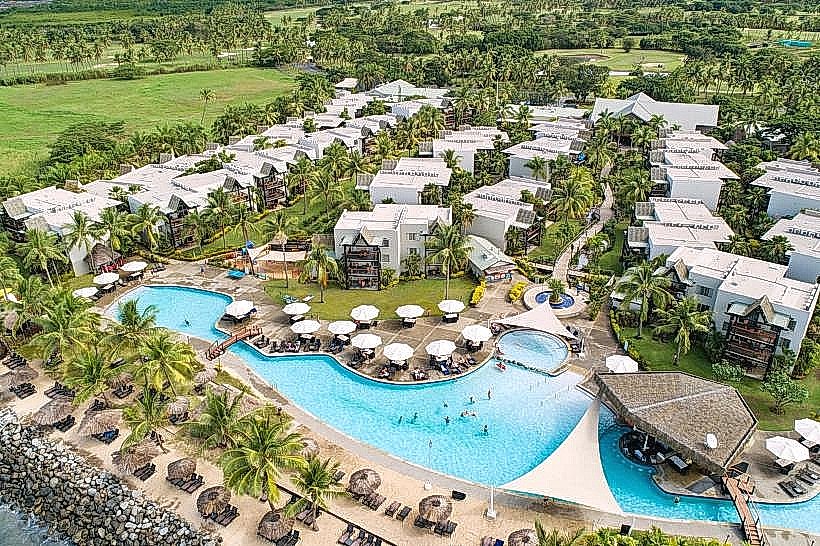
The beachfront is lined with resorts and independent bars that provide public-access dining and restroom facilities. Several hotels offer paid access to swimming pools for non-guests. Public trash receptacles are positioned at regular intervals. Cellular signal is excellent with consistent 4G/5G coverage from both Vodafone and Digicel networks. There are no public changing rooms or showers independent of the private establishments.
Best Time to Visit
The optimal time for photography is during the late afternoon (17:30–18:30), as the beach faces west, providing direct views of the sunset over the Mamanuca Islands. Weather is most stable during the dry season from May to October. Visiting at low tide is recommended for walking the full length of the beach, while high tide is preferable for water-based activities.
Facts & Legends
Wailoaloa translates to "Black Water" or "Dark Water" in the iTaukei language, a literal reference to the appearance of the ocean floor against the dark volcanic sand. Unlike the artificial resort beaches on Denarau Island, Wailoaloa is a natural landform and remains one of the few places in Nadi where locals and tourists occupy the same recreational space in equal numbers.
Nearby Landmarks
Nadi International Airport: 10km East
Port Denarau Marina: 5km Southwest
Garden of the Sleeping Giant: 15km Northeast
Sabeto Hot Springs and Mud Pool: 16km Northeast
Nadi Town Market: 4km Southeast