Information
Landmark: Wenshu MonasteryCity: Chengdu
Country: China
Continent: Asia
Wenshu Monastery, Chengdu, China, Asia
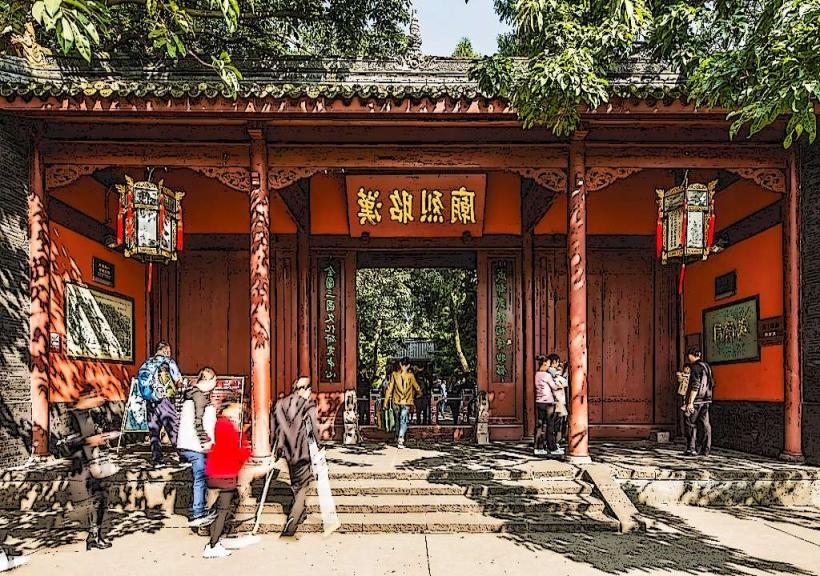
Wenshu Monastery (文殊院), located in Chengdu, Sichuan Province, is one of the most well-known and well-preserved Buddhist temples in southwestern China. It is dedicated to Manjushri, the Bodhisattva of Wisdom, and it has a long history, dating back to the Tang Dynasty (618-907). The monastery is a significant cultural and religious site, attracting both Buddhist pilgrims and tourists alike.
Here’s a detailed look at Wenshu Monastery:
1. Historical Background:
- Origins: Wenshu Monastery was originally built in the Tang Dynasty (618–907) during the reign of Emperor Taizong. The temple was initially established as a small Buddhist place of worship and has expanded and undergone several renovations over the centuries.
- The monastery was originally known as “Xiangguo Temple” but was later renamed Wenshu Monastery, referring to Manjushri, the Bodhisattva of Wisdom, whose name in Chinese is “Wenshu” (文殊). The temple is particularly associated with Mahayana Buddhism, and Manjushri is revered as the embodiment of wisdom and knowledge.
- Over the years, the monastery has served as an important center for Buddhist study, meditation, and practice in the region. It has been a spiritual hub for practitioners and scholars of Buddhism and continues to be one of the most important temples in Chengdu.
2. Architectural Features:
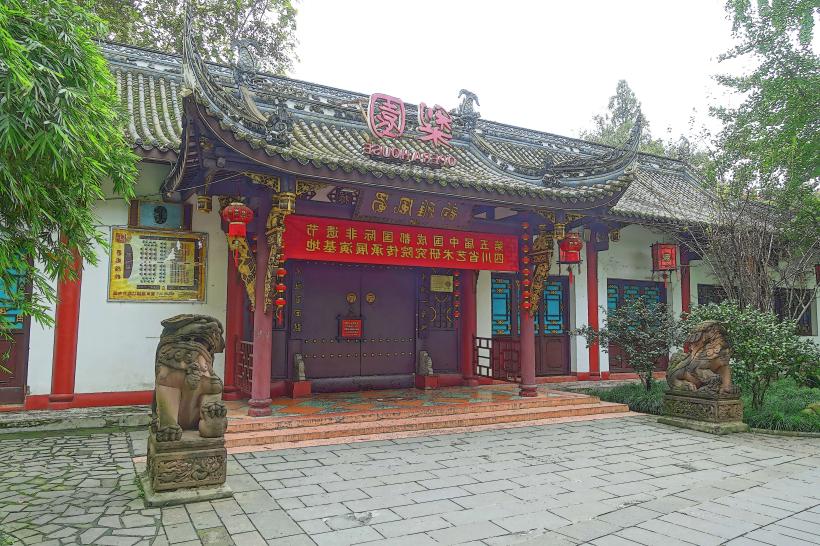
- Traditional Chinese Temple Design: The architecture of Wenshu Monastery is a classic example of traditional Chinese Buddhist temple design, with its buildings constructed in the style of ancient Chinese wooden architecture.
- The monastery is characterized by grand wooden beams, elegant tiled roofs, and ornate carvings, which are hallmarks of the classical Tang and Song Dynasty styles. The temple complex is also decorated with intricate stone carvings, bronze statues, and calligraphy that add to its historical and cultural richness.
- The Main Hall: The centerpiece of the monastery is the Main Hall, which houses a large statue of Manjushri (Wenshu). The hall is the most important part of the monastery, where major religious ceremonies and Buddhist rituals are conducted.
- The Bell Tower and Drum Tower: These towers, located at the entrance of the temple, are typical features of traditional Chinese temples. The bell tower houses a large bell that is rung to mark the time for prayers and other important religious activities.
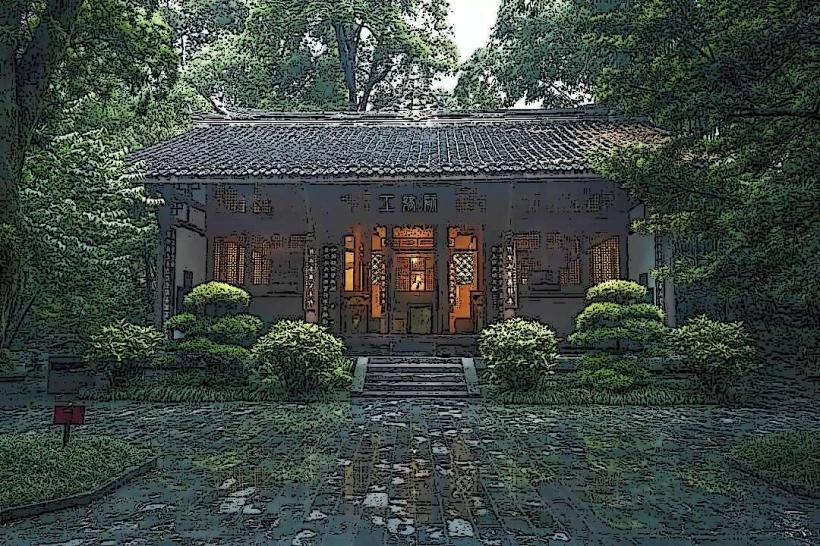
- Courtyards and Gardens: Wenshu Monastery is surrounded by beautiful courtyards and lush gardens that provide a peaceful and contemplative atmosphere. The monastery’s peaceful environment is perfect for meditation, with pathways, ponds, and trees enhancing the tranquility of the site.
3. Buddhist Art and Cultural Relics:
- Wenshu Monastery is home to several Buddhist relics, statues, and scriptures, some of which date back to the Tang Dynasty. The statues of Bodhisattvas, Arhats, and other Buddhist figures found in the temple are highly revered.
- The monastery also boasts impressive collections of ancient scriptures and calligraphy that reflect the rich Buddhist heritage of the region. Many of these texts have been preserved for centuries, contributing to the temple’s status as a center for Buddhist scholarship and learning.
- The statue of Manjushri in the main hall is particularly famous and attracts many pilgrims. It is regarded as one of the most significant representations of the Bodhisattva in China.
4. Buddhist Practices at Wenshu Monastery:
- Buddhist Services and Rituals: The monastery regularly holds Buddhist services, including morning and evening prayers, meditation sessions, and other religious rituals. Pilgrims and monks gather at the temple to offer prayers and seek wisdom and guidance from Manjushri.
- Meditation: As a center for Buddhist practice, Wenshu Monastery is also a place for meditation, especially for those interested in Chan Buddhism (the Chinese form of Zen Buddhism). The tranquil surroundings and peaceful gardens make it an ideal place for quiet reflection and meditation.
- Teachings and Ceremonies: Wenshu Monastery often hosts Buddhist teachings and ceremonies, where Buddhist monks impart knowledge of Buddhist philosophy, ethics, and meditation techniques. These teachings attract scholars, monks, and lay practitioners.
5. Wenshu Monastery as a Cultural Hub:
- Tea Culture: Wenshu Monastery is also known for its tea culture, and it has a teahouse inside the temple grounds. The teahouse is a popular spot for visitors to relax and sample traditional Sichuan tea, offering a serene environment to enjoy the drink while reflecting on the peaceful surroundings.
- Sichuan Cuisine: The monastery is known for serving traditional Sichuan vegetarian food in its monastery kitchen, which is available for monks and visitors. The food served is simple, nutritious, and strictly vegetarian, in line with Buddhist principles of non-violence.
- Cultural Events: The monastery also hosts various cultural events, such as calligraphy exhibitions, Buddhist art displays, and cultural performances, to engage the local community and visitors with the region’s rich cultural and spiritual traditions.
6. The Wenshu Monastery Garden:
- The gardens of Wenshu Monastery are an integral part of the temple, designed to provide a serene atmosphere for meditation and contemplation. The monastery gardens feature lotus ponds, rockeries, flowering trees, and bamboo groves that create a tranquil and harmonious environment.
- The gardens are an extension of the temple’s focus on peace and serenity, offering visitors a chance to reflect on the Buddhist teachings while enjoying the natural beauty of the surroundings.
7. Visitors’ Experience:
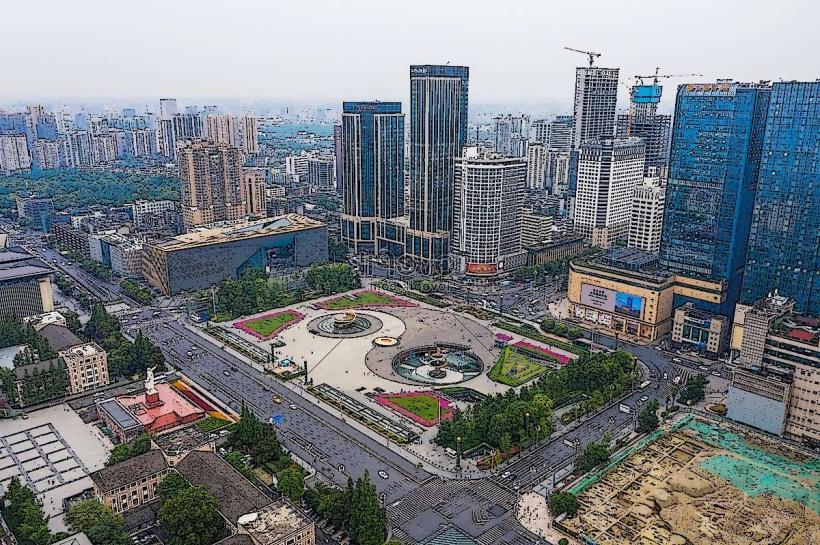
- Quiet Atmosphere: Despite being in the heart of the bustling city of Chengdu, Wenshu Monastery offers a peaceful respite for visitors. The serene atmosphere, with its mix of Buddhist devotion and natural beauty, makes it a perfect place to find inner peace, meditate, or simply admire the architecture and art.
- Spiritual Reflection: Many visitors come to Wenshu Monastery not only to admire its beauty but also to engage in spiritual reflection. Some may come to pay respects to Manjushri, while others come to meditate and reflect on Buddhist principles.
- Pilgrims and Tourists: Wenshu Monastery is a popular destination for both pilgrims and tourists. Pilgrims come to seek blessings, offer incense, and participate in religious ceremonies, while tourists come to enjoy the cultural and historical significance of the site.
8. Best Time to Visit:
- The best time to visit Wenshu Monastery is during the spring and autumn months, when the weather is mild and the gardens are at their most vibrant.
- It’s also an ideal place to visit during Buddhist festivals, such as Buddha's Birthday or the Lunar New Year, when special events, prayers, and ceremonies take place.
9. How to Get There:
- Wenshu Monastery is located in the northern part of Chengdu, and it is easily accessible by public transportation. It is a short distance from the Chengdu Railway Station and can be reached by taxi, bus, or subway.
- If you’re using public transport, you can take Line 1 of the Chengdu Metro and get off at Wenshu Monastery Station, which is located near the temple.
10. Nearby Attractions:
- Wuhou Shrine: A famous historical site dedicated to Zhuge Liang, the famous strategist from the Three Kingdoms period. It’s located nearby and is another important cultural site in Chengdu.
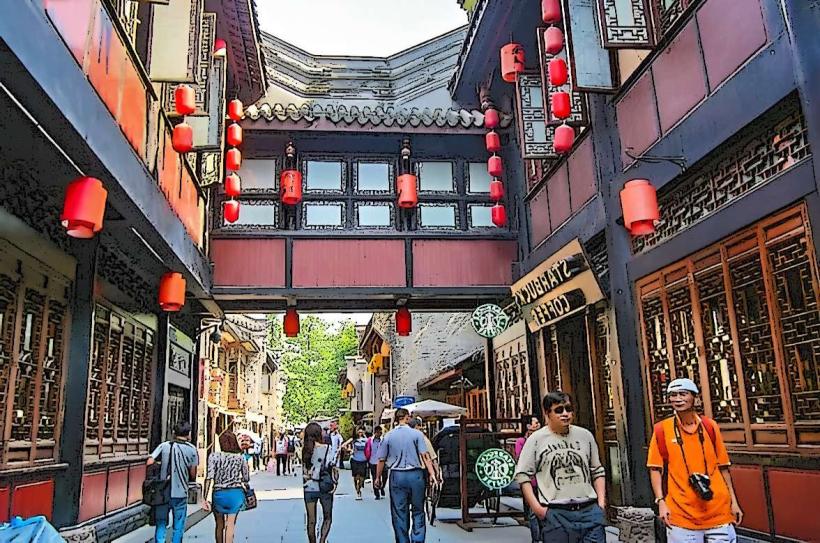
- Jinli Ancient Street: A bustling street that offers a traditional atmosphere with shops selling local crafts, snacks, and Sichuan products.
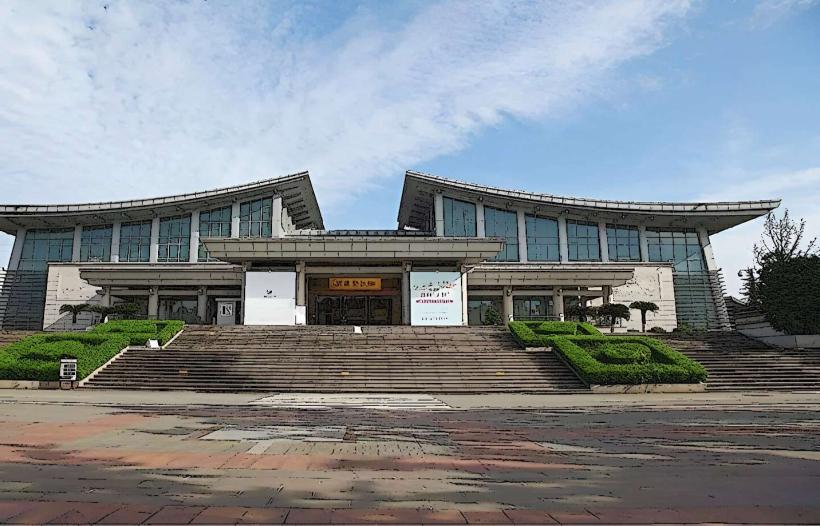
- Chengdu Museum: For those interested in learning more about Chengdu’s history, this museum offers an in-depth look at the city’s cultural and historical heritage.
Conclusion:
Wenshu Monastery is not only a place of worship and spiritual reflection but also a cultural and historical gem in Chengdu. With its tranquil gardens, classic Chinese architecture, rich Buddhist traditions, and vibrant cultural life, it offers visitors a unique insight into Buddhism and Sichuan culture. Whether you're seeking spiritual enrichment or simply appreciating the beauty and history of the monastery, it’s a place that will leave you with a lasting impression of peace and wisdom.