Information
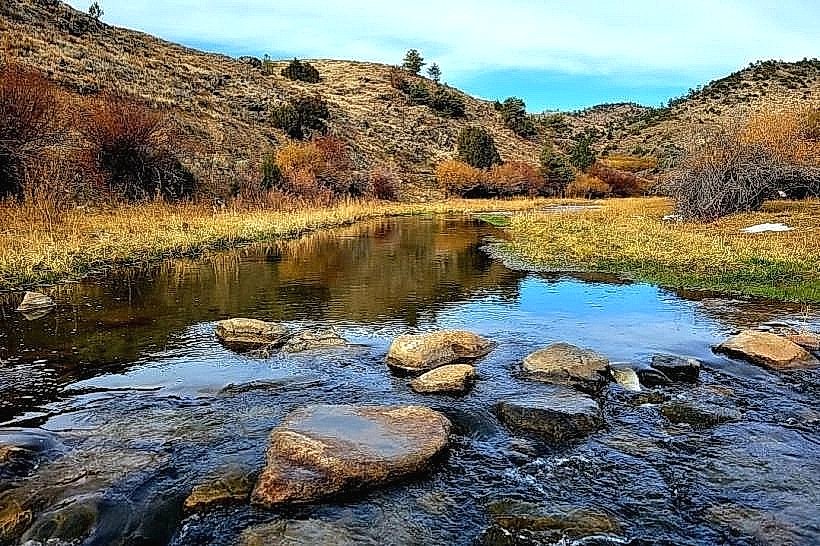
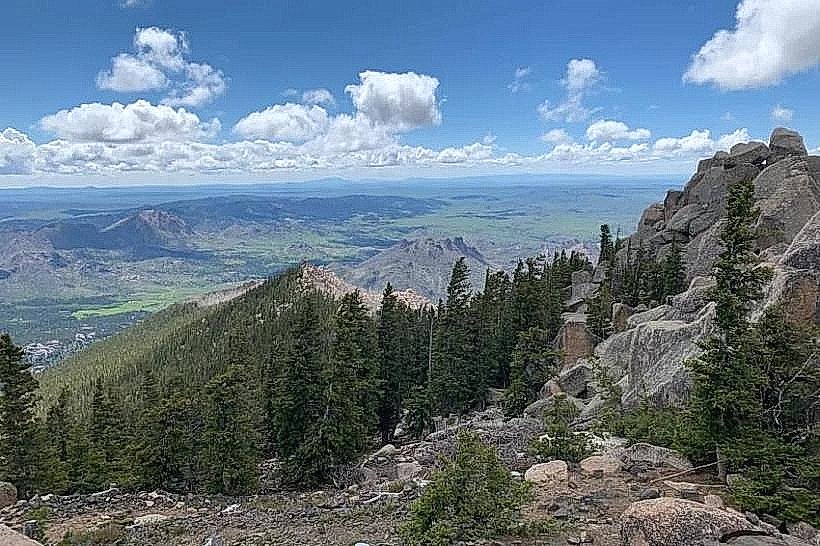
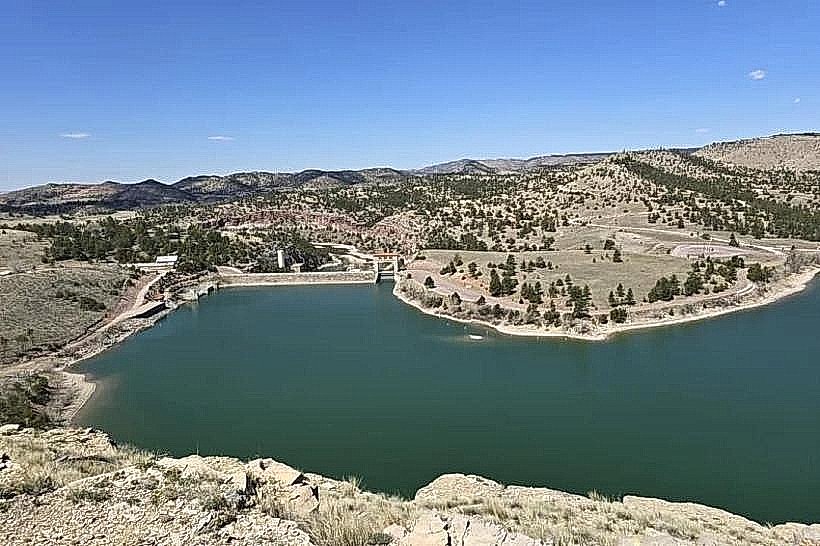
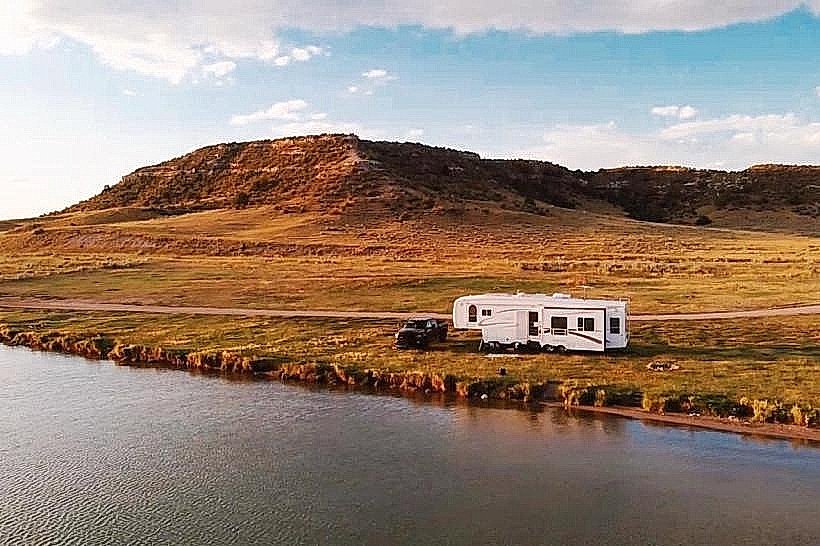
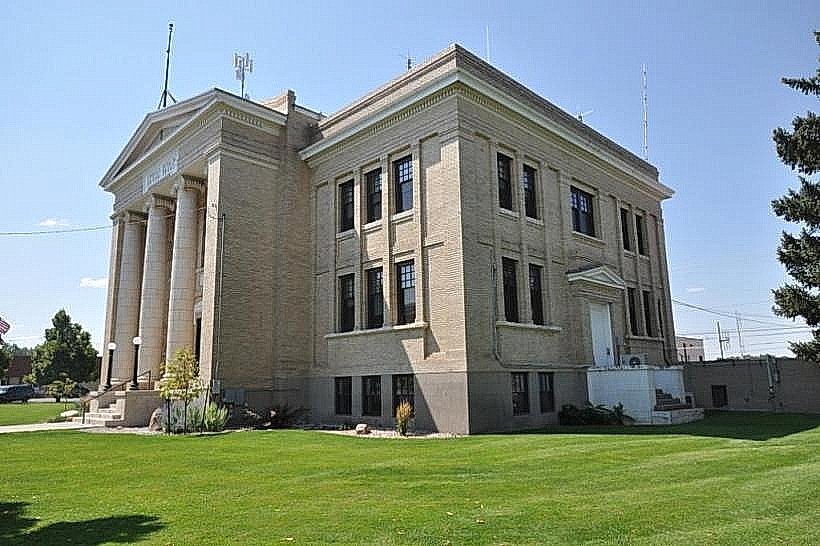
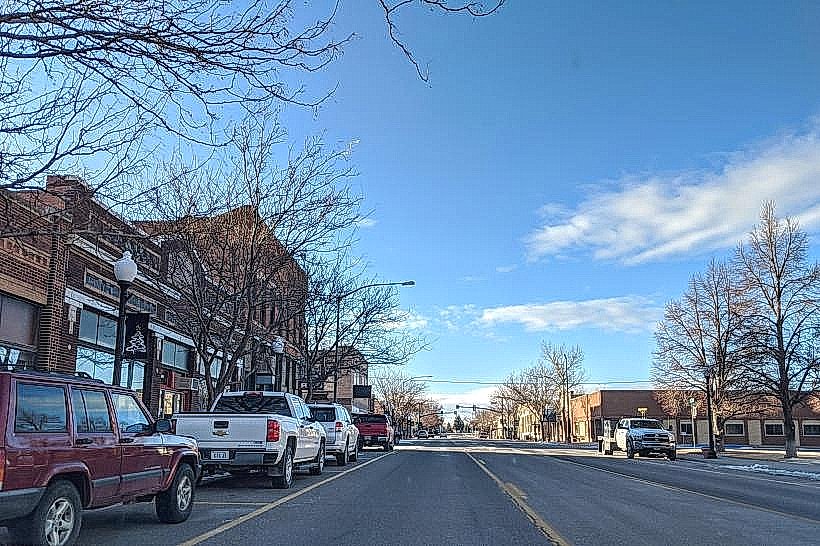
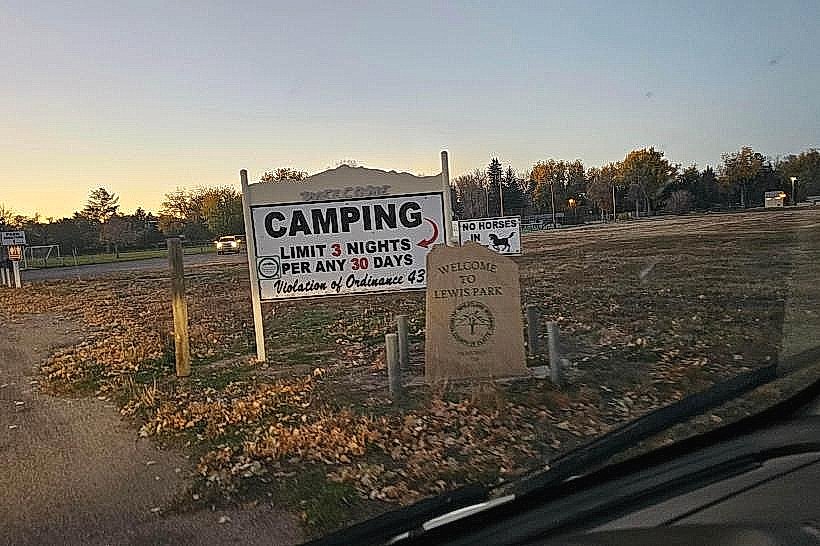
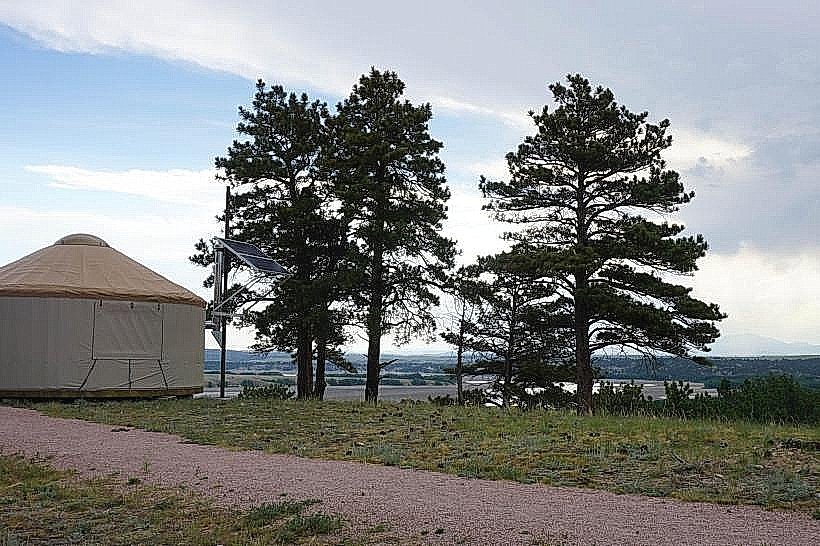
Landmark: Wheatland ReservoirsCity: Wheatland
Country: USA Wyoming
Continent: North America
Wheatland Reservoirs, Wheatland, USA Wyoming, North America
Denali National Park and Preserve is a protected area in Alaska, USA, encompassing over six million acres of wilderness. It is located approximately 240 miles north of Anchorage.
Visual Characteristics
The park's landscape is dominated by Denali, North America's highest peak, which rises to 20,310 feet. The terrain includes broad, glacially carved valleys, tundra, taiga forests, and alpine regions. Rivers such as the Nenana River flow through the park, often appearing milky due to glacial silt. Rock formations are primarily granite and metamorphic rock. Vegetation varies from dense spruce and birch forests at lower elevations to low-lying shrubs and grasses on the open tundra.
Location & Access Logistics
Access to Denali National Park and Preserve from Anchorage is primarily via the Parks Highway (AK-3 North). The drive is approximately 240 miles and takes about 4-5 hours. The park entrance is near the community of Denali Park. Limited private vehicle access is permitted beyond Savage River Check Station (Mile 15). Most visitors utilize the park's shuttle bus system, which operates on the Denali Park Road. The Alaska Railroad also provides service to the park, with a station located near the entrance. Parking is available at the Denali Visitor Center and near the park entrance, with overflow parking during peak season.
Historical & Ecological Origin
Denali National Park was established as Mount McKinley National Park in 1917, primarily to protect the region's wildlife, including caribou, Dall sheep, and grizzly bears. It was expanded and renamed Denali National Park and Preserve in 1980. The park's geological features are the result of glacial erosion and tectonic activity over millions of years. Denali itself is a fault-block mountain, uplifted by geological forces.
Key Highlights & Activities
Activities include wildlife viewing from park buses, hiking on designated trails and off-trail in permitted areas, photography, and camping. Specific trails include the Savage River Loop Trail (2 miles) and the Horseshoe Lake Trail (2 miles). Ranger-led programs are offered seasonally. Backcountry permits are required for overnight stays outside designated campgrounds.
Infrastructure & Amenities
Restrooms are available at the Denali Visitor Center, various shuttle bus stops along the park road, and campgrounds. Shade is available in forested areas and at designated rest stops. Cell phone signal is intermittent and generally unavailable beyond the park entrance area. Food services are limited to a few locations within the park, such as the Denali Princess Wilderness Lodge and the McKinley Chalet Resort, and vendors are present near the park entrance.
Best Time to Visit
The prime visitor season is from late May to mid-September. For wildlife viewing, early morning and late evening offer increased activity. The best months for clear views of Denali are typically June and July, though the mountain is often obscured by clouds. There are no tide requirements for visiting Denali.
Facts & Legends
The park's namesake, Denali, means "the high one" in the Koyukon Athabascan language. The mountain was officially renamed Denali in 2015, reverting to its indigenous name after being known as Mount McKinley for over a century. A unique tip for visitors is to bring binoculars for optimal wildlife observation, as animals are often seen at considerable distances.
Nearby Landmarks
- Denali Visitor Center (0.2km West)
- Denali National Park Entrance Sign (0.3km West)
- Savage River Check Station (24km West)
- Black Rapids Glacier (70km South)
- Talkeetna (120km South)