Information
Landmark: Wilderness ParkCity: Lincoln
Country: USA Nebraska
Continent: North America
Wilderness Park, Lincoln, USA Nebraska, North America
Wilderness Park is a large urban park located in Lincoln, Nebraska, USA.
It is a significant natural area within the city limits, offering extensive trails and ecological features.
Visual Characteristics
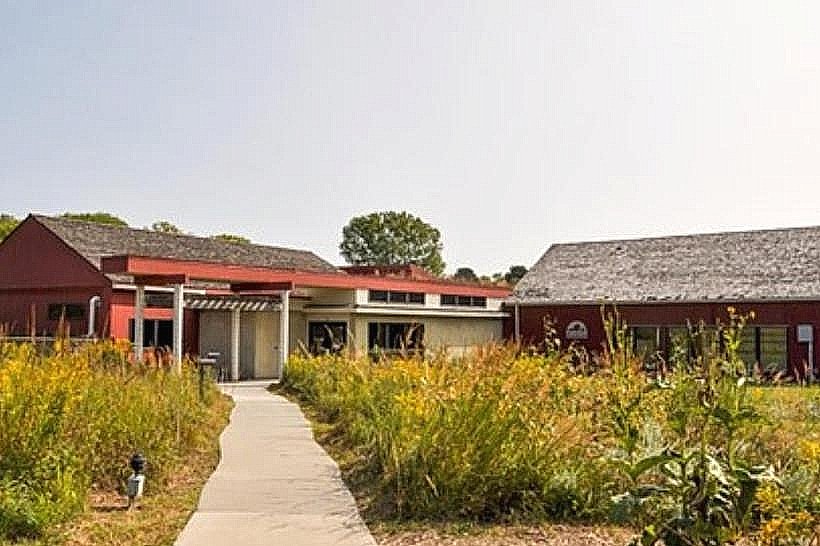
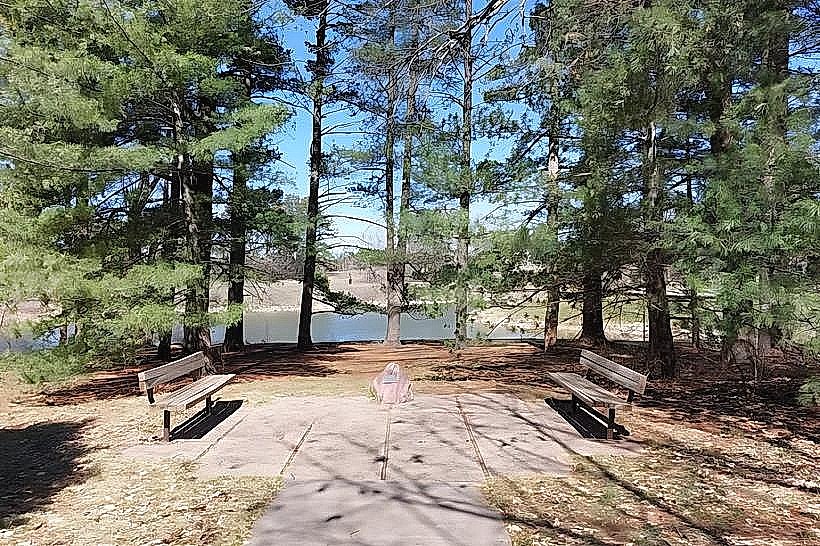
The park features a mix of deciduous forest, tallgrass prairie, and riparian zones along Salt Creek. Tree species include cottonwood, elm, and oak. The terrain is generally flat to gently rolling, with some areas of steeper embankment near the creek. The creek itself varies in width and depth, with sandy and silty banks.
Location & Access Logistics
Wilderness Park is situated south of downtown Lincoln. Access is primarily from South Antelope Valley Road and South 1st Street. The park entrance is approximately 5km south of the city center. Ample parking is available at designated lots throughout the park, including near the main trailheads. Public transport options are limited; Bus Route 15 stops near the park's northern entrance on South 1st Street.
Historical & Ecological Origin
The area was historically part of the prairie ecosystem and later used for agriculture. The establishment of Wilderness Park began in the late 1960s to preserve natural areas and provide recreational space. Salt Creek is a tributary of the Big Blue River, and the park protects a portion of its watershed.
Key Highlights & Activities
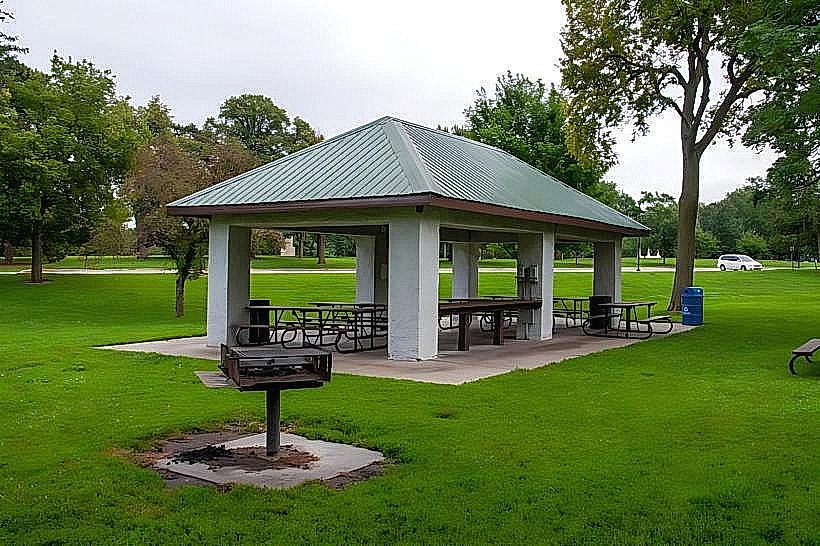
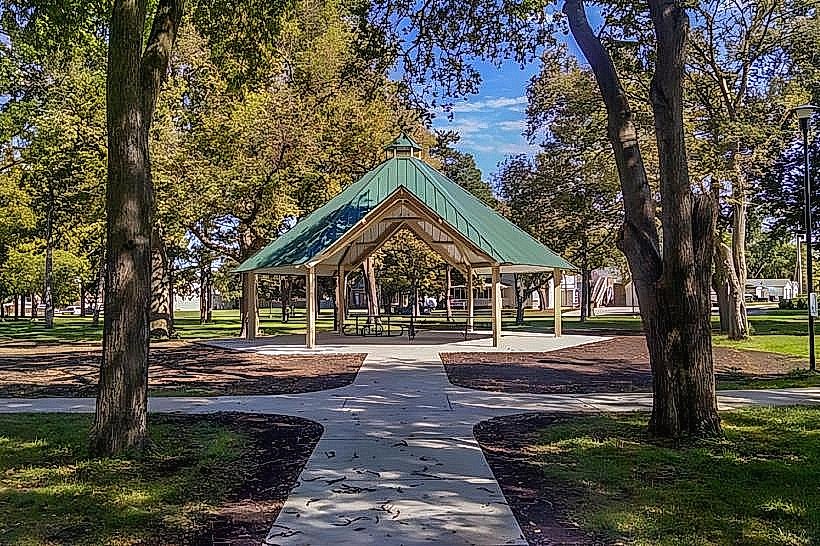
Activities include hiking and biking on over 10 miles of paved and unpaved trails. Birdwatching is a common activity due to the diverse avian population. Fishing is permitted in Salt Creek. Picnicking is available at designated shelters. The park also contains a disc golf course.
Infrastructure & Amenities
Restrooms are available at several locations within the park, including near the main parking areas. Sheltered picnic tables are provided. Shade is abundant under the tree canopy in forested areas. Cell phone signal (4G/5G) is generally available throughout most of the park, though it may be weaker in denser wooded sections. No food vendors are located within the park; visitors should bring their own provisions.
Best Time to Visit
For photography, early morning and late afternoon offer optimal lighting conditions due to the angle of the sun. The best months for visiting are April through October, offering pleasant temperatures and full foliage. Spring (April-May) is ideal for observing wildflowers. Summer can be hot and humid.
Facts & Legends
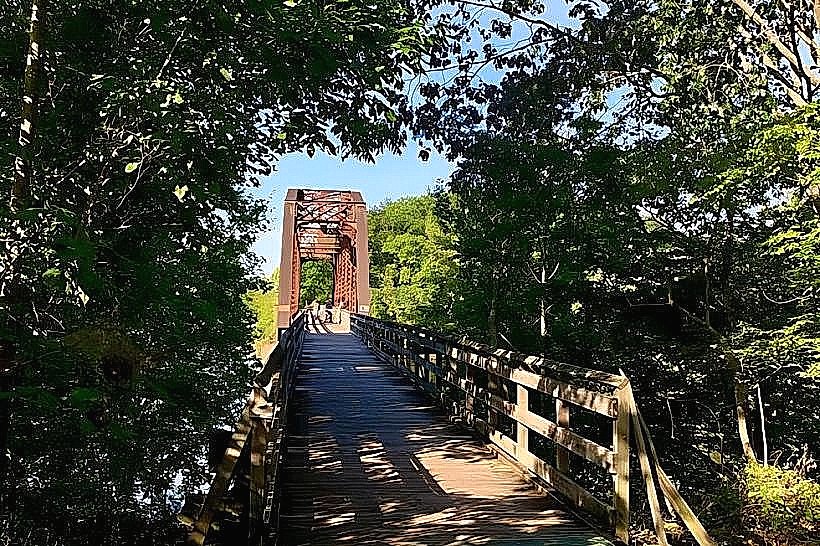
A unique feature of Wilderness Park is the presence of the remains of an old railroad bridge crossing Salt Creek, a remnant of a former industrial line. Local lore sometimes mentions sightings of deer and other wildlife that are rarely seen in more urbanized areas.
Nearby Landmarks
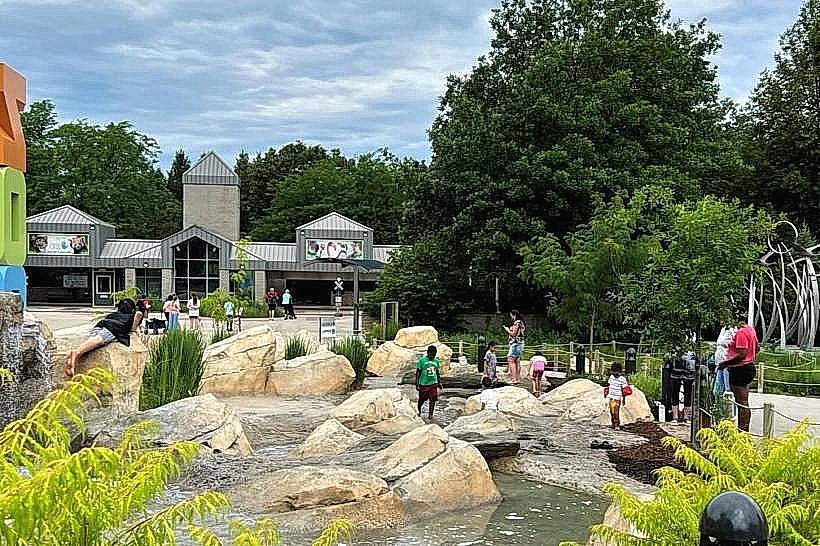
- Lincoln Children's Zoo (1.5km North)
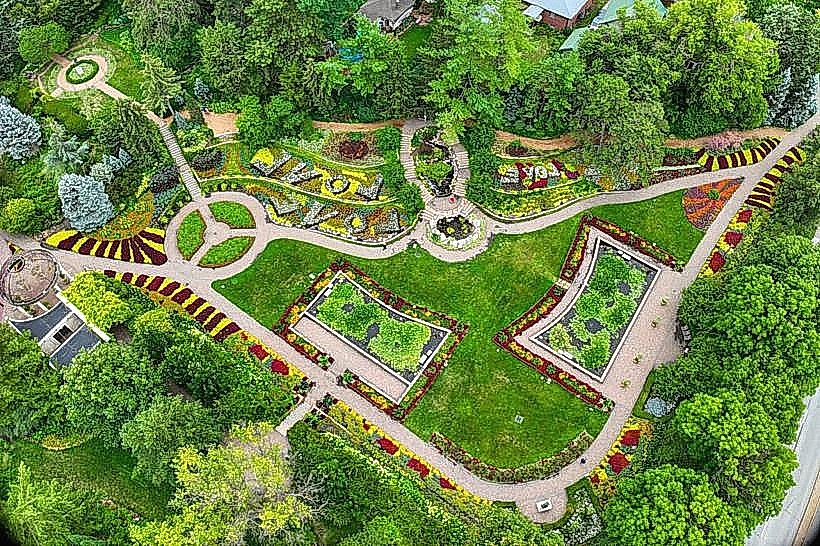
- Sunken Gardens (3.0km North)
- Nebraska State Capitol (4.5km North)
- International Quilt Museum (4.0km North)