Information
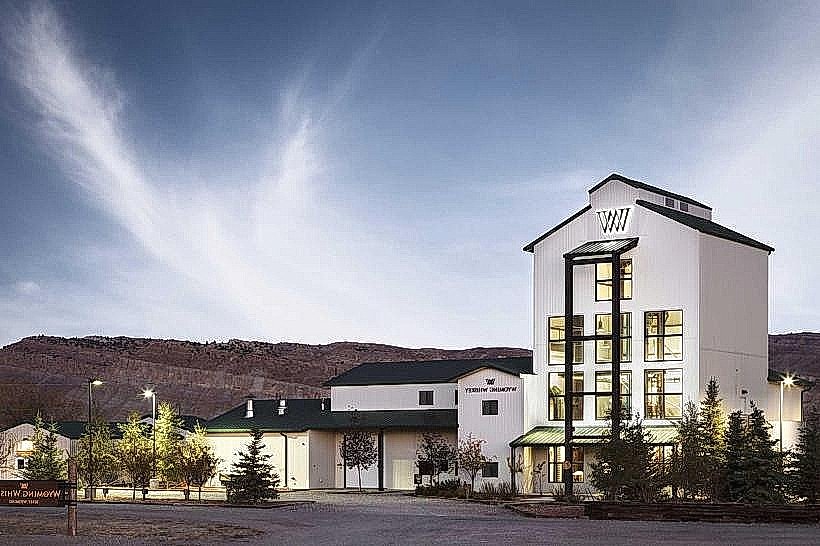
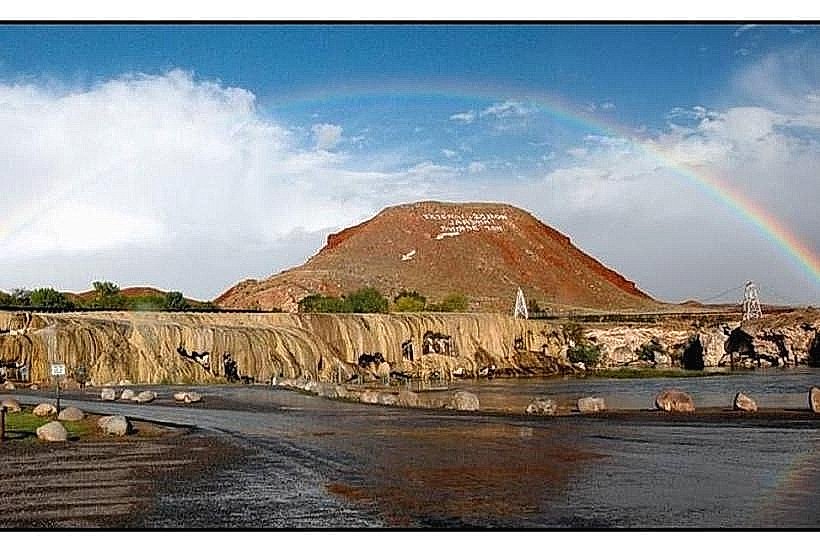
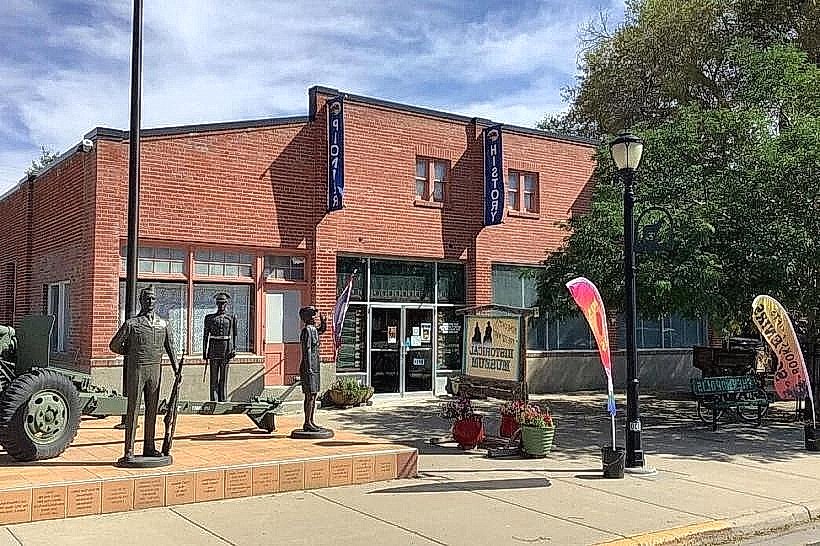
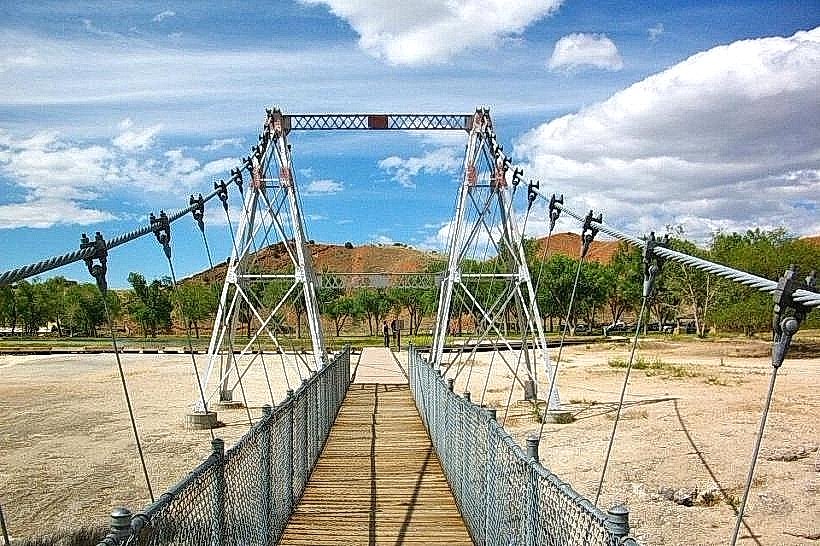
Landmark: Wyoming Dinosaur CenterCity: Thermopolis
Country: USA Wyoming
Continent: North America
Wyoming Dinosaur Center, Thermopolis, USA Wyoming, North America
The Fogo Coffee Plantations are agricultural sites located on the island of Fogo in Cabo Verde. These plantations are situated on the slopes of the Pico do Fogo volcano.
Visual Characteristics
The plantations consist of terraced fields carved into the volcanic soil. The soil itself is dark, rich, and composed of volcanic ash and rock fragments. Coffee plants, characterized by their green leaves and red berries when ripe, are the dominant vegetation. The landscape is characterized by its steep inclines and the stark contrast between the cultivated areas and the surrounding volcanic terrain.
Location & Access Logistics
The Fogo Coffee Plantations are primarily located in the São Filipe municipality, specifically on the western and southern slopes of Pico do Fogo. Access is typically via unpaved roads originating from São Filipe. The drive from São Filipe to the main plantation areas can take approximately 45 minutes to 1 hour, depending on road conditions. Parking is generally available at designated points near the plantations, though it can be limited. Public transport directly to the plantations is not common; private vehicles or organized tours are the most reliable methods of access.
Historical & Ecological Origin
The cultivation of coffee on Fogo dates back to the 18th century, introduced by Portuguese colonists. The volcanic soil, enriched by centuries of eruptions from Pico do Fogo, provides an exceptionally fertile base for coffee cultivation. The specific varietal grown is primarily Arabica, adapted to the island's microclimate and altitude. The ecological origin is intrinsically linked to the volcanic activity of Pico do Fogo, which continuously replenishes the soil's mineral content.
Key Highlights & Activities
Visitors can observe the coffee cultivation process, from planting to harvesting. Guided tours are available, often including explanations of the coffee-making process and tasting sessions. Hiking trails traverse some of the plantation areas, offering views of the volcanic landscape. Purchasing freshly roasted coffee beans directly from the producers is a common activity.
Infrastructure & Amenities
Basic infrastructure is present at some plantation sites, including small processing facilities and tasting rooms. Restrooms may be available at larger operations or tour departure points. Shade is provided by the coffee plants themselves. Cell phone signal can be intermittent, particularly at higher elevations. Food vendors are not typically found directly within the plantations; arrangements for meals are usually made through tour operators or in the town of São Filipe.
Best Time to Visit
The best time for visiting the Fogo Coffee Plantations is during the dry season, from November to June. The coffee harvesting season typically runs from February to May, offering the opportunity to see the process in action. For photography, early morning or late afternoon light provides optimal illumination of the landscape and coffee plants. There are no specific tide requirements for visiting the plantations.
Facts & Legends
The coffee grown on Fogo is known for its unique flavor profile, attributed to the volcanic soil and high altitude. A specific local practice involves drying the coffee beans on volcanic rocks, which is believed to impart a distinct mineral note. The coffee is often referred to as "Fogo Coffee" and is a significant export for the island.
Nearby Landmarks
- Pico do Fogo (0.5km Northeast)
- São Filipe Historic Center (4km Southwest)
- Praia da Ponta do Sal (3km West)
- Museu Municipal de São Filipe (4km Southwest)
- Chã das Caldeiras National Park (5km Northeast)