Information
Landmark: Yale University Art GalleryCity: New Haven
Country: USA Connecticut
Continent: North America
Yale University Art Gallery, New Haven, USA Connecticut, North America
The Yale University Art Gallery (YUAG), located in New Haven, Connecticut, is a premier academic art museum and one of the oldest university art museums in the United States. Established in 1832, it serves as both a teaching collection for Yale University and a public institution, offering access to a vast array of artworks spanning multiple continents, time periods, and media.
Historical Background
The gallery was founded to support art education at Yale, providing students and scholars with direct access to original artworks.
The collection grew steadily over the 19th and 20th centuries through donations, bequests, and acquisitions, reflecting Yale’s commitment to global art traditions.
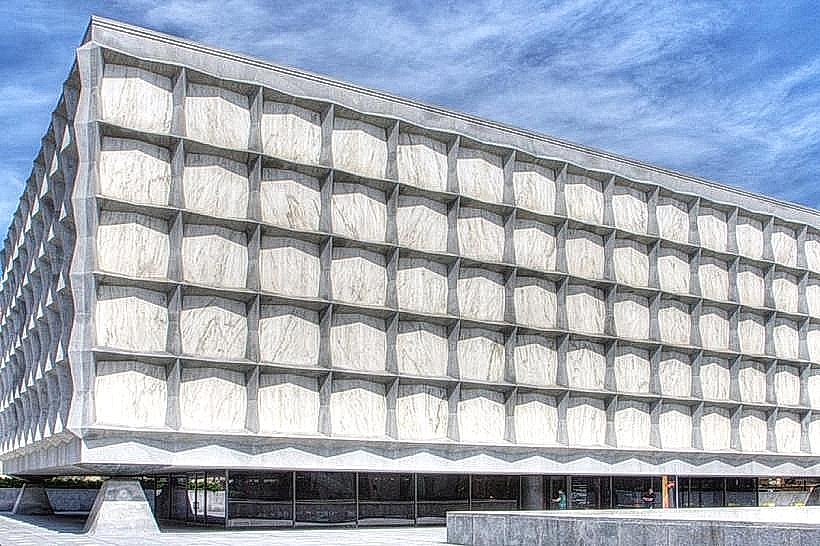
In 1953, the current building, designed by renowned architect Louis Kahn, opened, showcasing a modernist approach that emphasizes spatial clarity, natural light, and integration with the surrounding campus.
Architecture
Louis Kahn’s design is a hallmark of modernist architecture, blending functionality with monumental presence.
The building features:
Minimalist geometric forms, emphasizing light and proportion.
Open gallery spaces that allow flexible exhibition layouts.
Thoughtful use of natural illumination, including skylights and carefully placed windows, highlighting artworks without overpowering them.
The gallery has undergone expansions and renovations, including a major project in the 2010s to accommodate growing collections and improve visitor amenities while respecting Kahn’s original vision.
Collections
YUAG’s holdings are extraordinarily diverse, with over 200,000 objects encompassing:
American Art: Paintings, sculpture, and decorative arts from colonial times to the present, highlighting both canonical and underrepresented artists.
European Art: Works ranging from Medieval and Renaissance paintings to 19th- and 20th-century modernism.
African Art: Sculptures, textiles, and ritual objects from across the African continent.
Asian Art: Chinese, Japanese, Indian, and Southeast Asian paintings, ceramics, and decorative objects.
Ancient Art: Egyptian, Greek, Roman, and Near Eastern artifacts, including sculpture, jewelry, and everyday objects.
Decorative Arts and Sculpture: Furniture, metalwork, and three-dimensional works that reflect artistic craftsmanship across cultures and eras.
Prints and Drawings: Works on paper from early modern to contemporary periods, often used for research and study.
Exhibitions and Programs
YUAG hosts both permanent and temporary exhibitions, featuring thematic shows, retrospectives, and scholarly-curated displays.
The gallery emphasizes educational engagement, offering:
Guided tours for students and the public.
Lectures, workshops, and artist talks.
Hands-on programs connecting art with broader academic studies.
Its mission includes making art accessible to the public while supporting Yale’s curriculum in art history, archaeology, and studio arts.
Cultural and Academic Significance
YUAG is a critical resource for research, allowing scholars and students to study original works directly.
It bridges academic inquiry and public cultural engagement, hosting tens of thousands of visitors annually.
The museum has played a key role in introducing modernist and international art to American audiences through pioneering exhibitions and acquisitions.
Present-Day Role
Today, the Yale University Art Gallery functions as both a museum and an academic institution, seamlessly combining teaching, research, and public display.
It continues to acquire contemporary works while preserving historic collections, reflecting the gallery’s ongoing commitment to global artistic heritage and innovation.
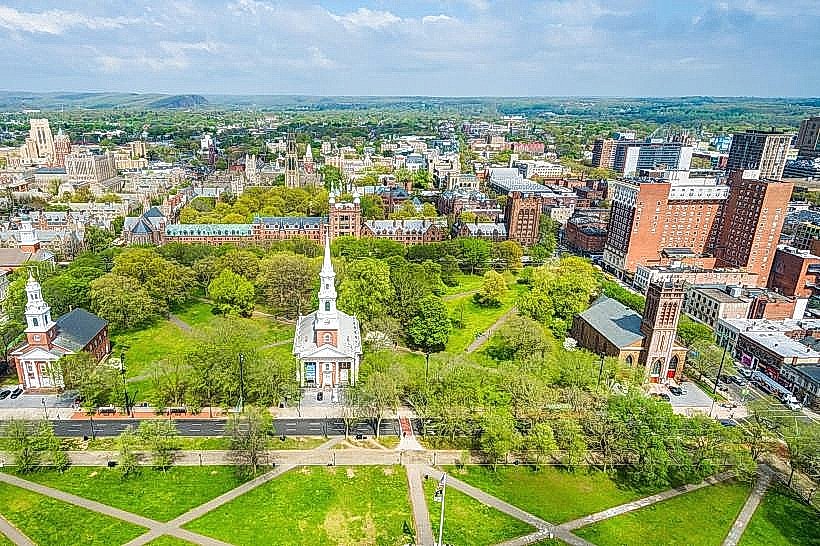
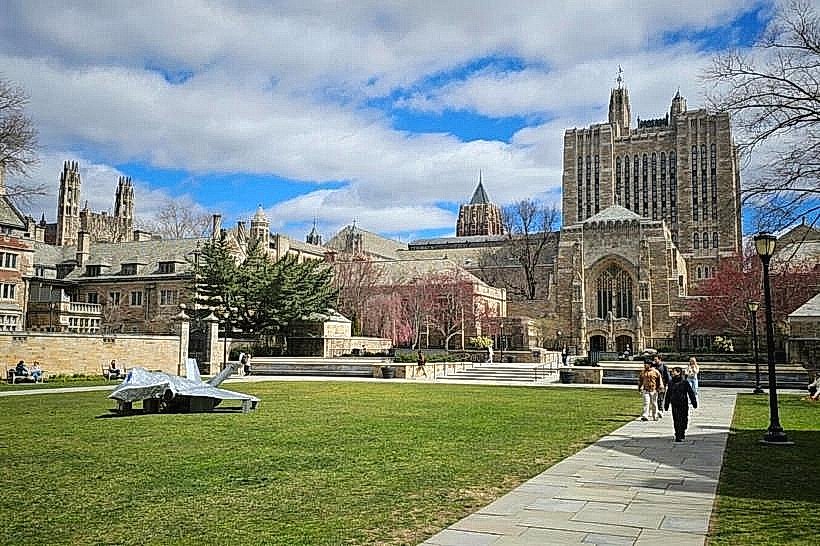
Its location within the Yale campus ensures integration with educational programming while remaining open to the wider community, making it a cultural landmark in New Haven.
The Yale University Art Gallery stands as a premier center for art, scholarship, and public engagement, embodying a blend of historic depth, architectural distinction, and academic purpose.