Information
Landmark: New Haven MuseumCity: New Haven
Country: USA Connecticut
Continent: North America
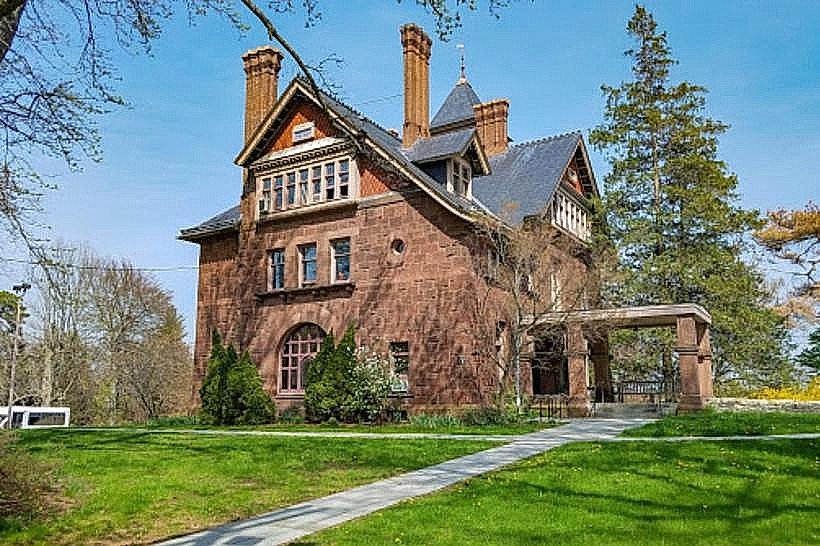
New Haven Museum, New Haven, USA Connecticut, North America
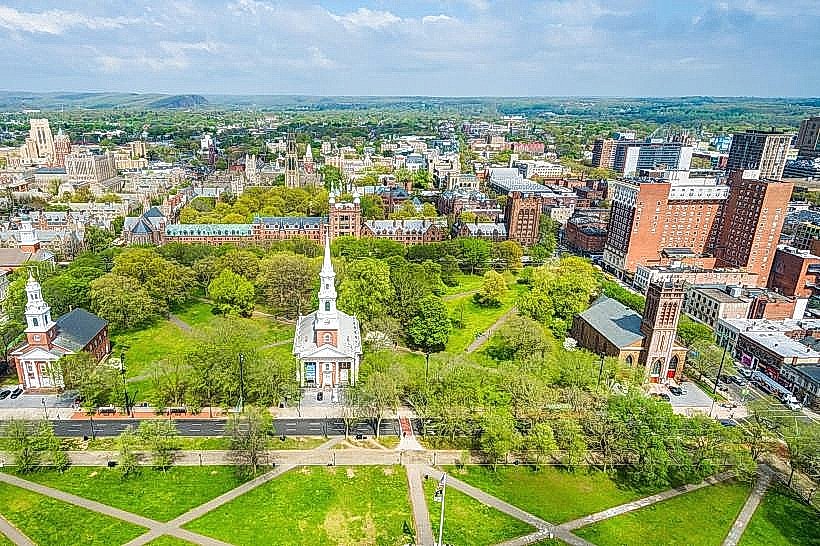
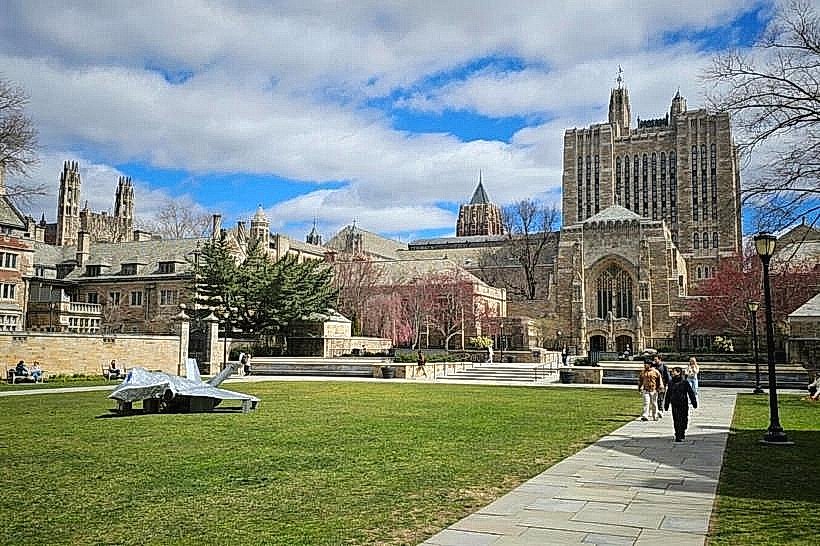
The New Haven Museum, located in downtown New Haven, Connecticut, is a central institution dedicated to preserving and interpreting the city’s history, culture, and heritage. Founded in 1862, it serves as both a museum and research center, providing insight into New Haven’s development, architecture, industry, and community life over more than three centuries.
Historical Background
The museum was established during the 19th century as a repository for artifacts, documents, and artworks related to New Haven’s past.
Its founding reflects a broader trend in American cities to preserve local history and heritage for education and public engagement.
Over time, the museum has expanded its collections and exhibitions to cover social, cultural, and industrial aspects of New Haven, making it a comprehensive resource for understanding the city’s evolution.
Architecture and Layout
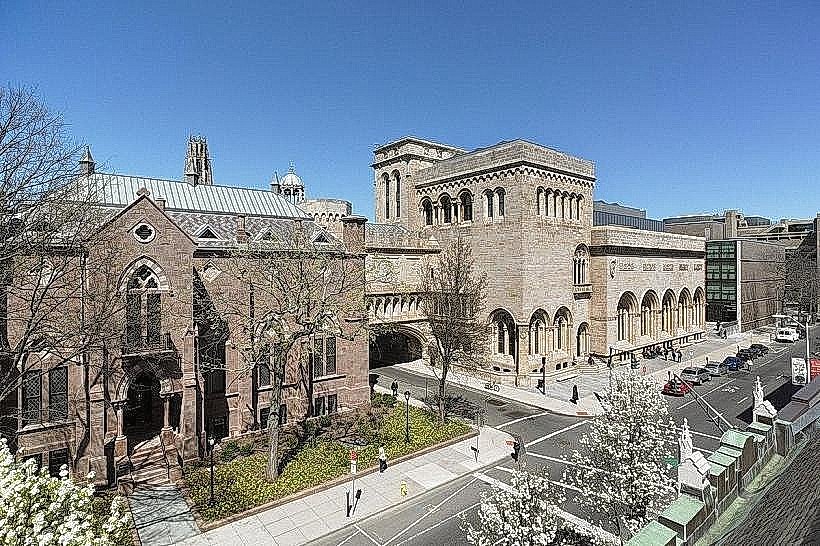
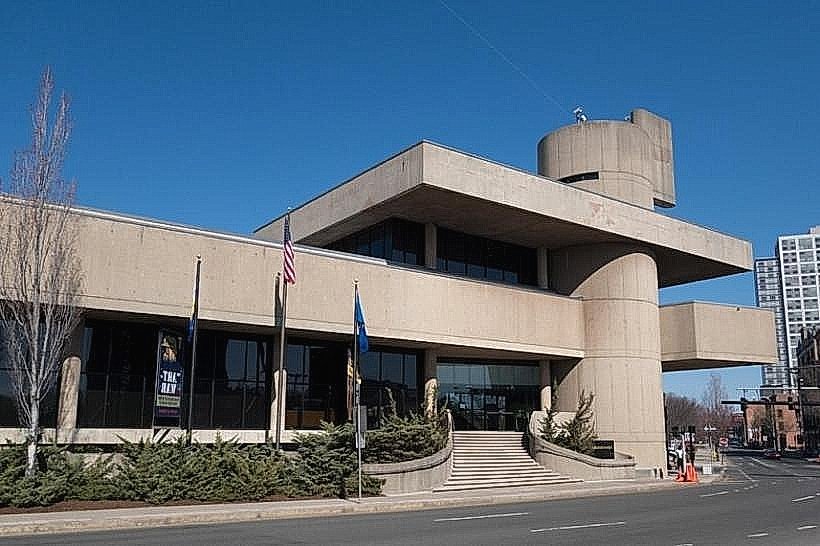
The museum is housed in a historic building in downtown New Haven, designed to accommodate both exhibitions and archival collections.
Interior spaces include:
Gallery areas for permanent and temporary exhibits.
Archives and research rooms, where scholars and the public can access historical documents, photographs, and maps.
Educational spaces for lectures, workshops, and community programs.
The layout allows for a chronological and thematic exploration of New Haven’s history, from its founding to the present.
Collections and Exhibits
The museum’s holdings include:
Artifacts from daily life, industry, and commerce in New Haven, such as tools, household items, and clothing.
Artwork and historical documents illustrating the city’s architectural, civic, and cultural development.
Photographs, maps, and manuscripts documenting urban growth, social changes, and prominent local figures.
Special exhibits highlighting specific aspects of New Haven history, such as immigration, Yale University, maritime commerce, and public works.
The museum frequently hosts rotating and temporary exhibits, connecting historical themes with contemporary audiences.
Educational and Cultural Role
The New Haven Museum serves as a teaching resource for schools, universities, and community groups, offering programming on local history, civic engagement, and cultural heritage.
It provides guided tours, lectures, workshops, and family programs, fostering public understanding of the city’s past.
The museum collaborates with other historical and cultural institutions, supporting research, exhibitions, and community projects.
Community and Historical Significance
The museum plays a critical role in preserving New Haven’s heritage, documenting both the city’s achievements and its social and cultural challenges.
It serves as a repository for community memory, giving residents and visitors a tangible connection to the city’s identity and evolution.
Its collections and exhibits celebrate New Haven’s diverse population, industrial history, and civic achievements, emphasizing the city’s place in regional and national history.
Present-Day Role
Today, the New Haven Museum functions as a museum, archive, and educational center, offering both public exhibits and research opportunities.
It continues to collect, preserve, and interpret historical materials, ensuring that New Haven’s rich past remains accessible to scholars, students, and the general public.
The museum remains a key cultural institution in New Haven, combining historical preservation, public education, and community engagement.
The New Haven Museum stands as a central hub for understanding the city’s history, architecture, culture, and community life, bridging scholarly research with public education and cultural appreciation.