Information
Landmark: Pontocho AlleyCity: Kyoto
Country: Japan
Continent: Asia
Pontocho Alley, Kyoto, Japan, Asia
Overview
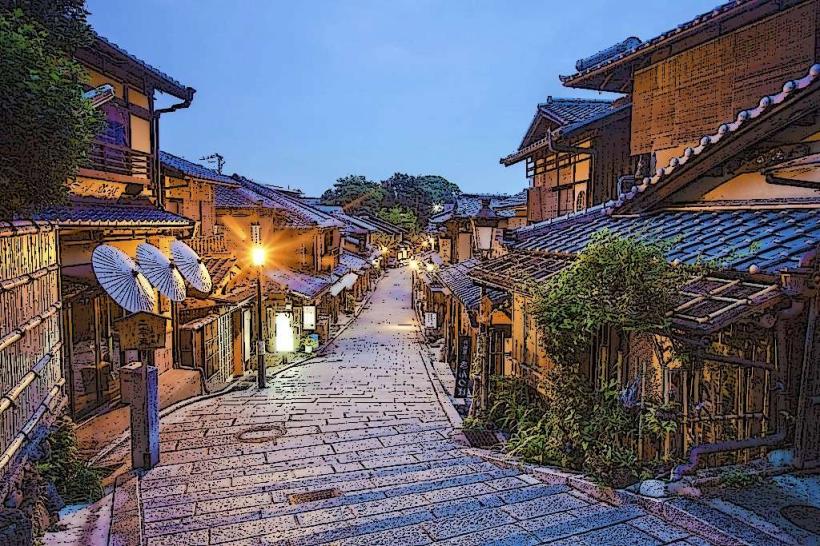
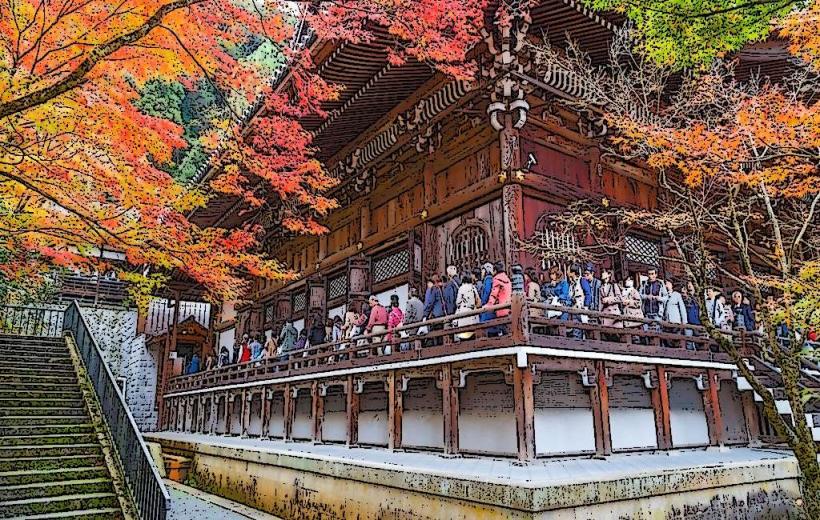
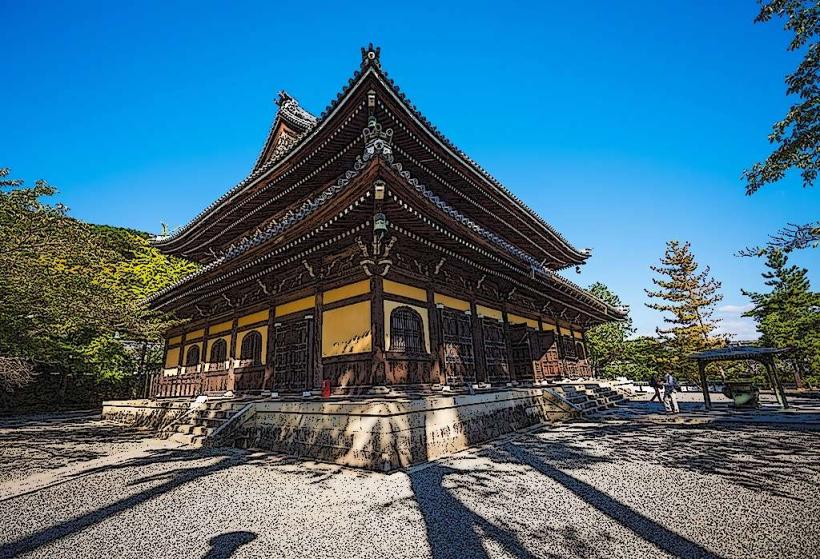
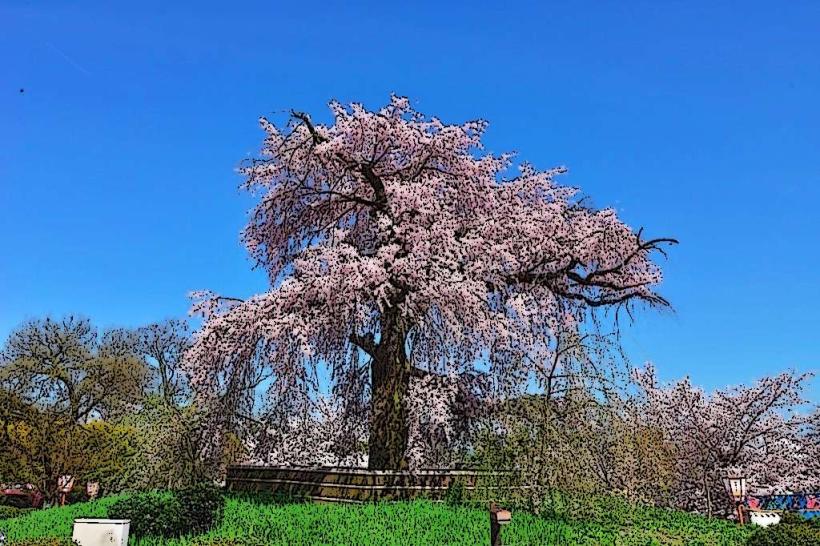
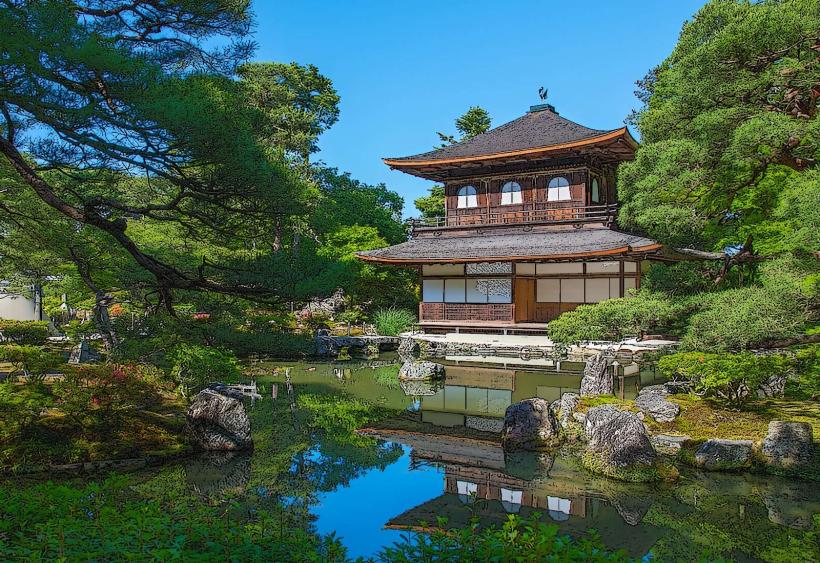
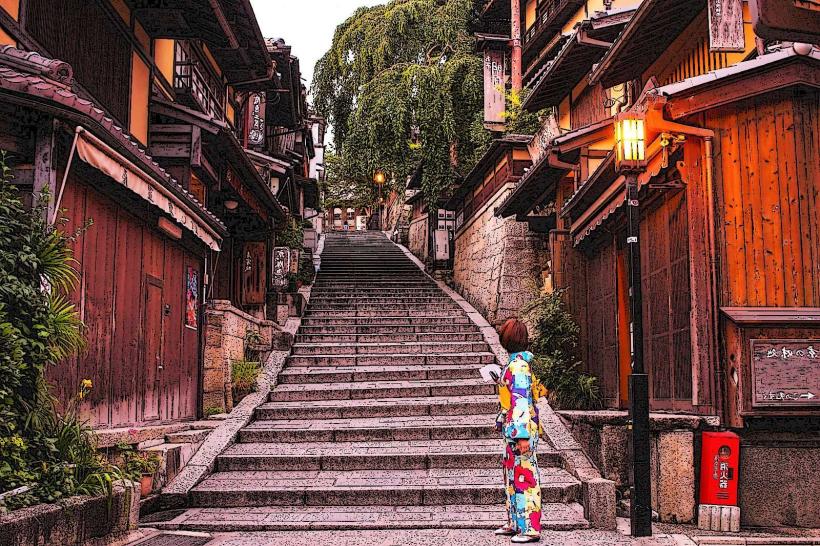
Pontocho Alley (先斗町, Pontocho) is one of Kyoto’s most iconic spots, a slender lane where lantern-lit wooden facades crowd close, and visitors can slip into tucked-away restaurants or lively teahouses, in conjunction with right in the heart of Kyoto, beside the quiet flow of the Kamogawa River, Pontocho Alley buzzes with restaurants, lantern-lit bars, and the weight of centuries-heritage tradition.First, not only that pontocho Alley sits tucked between Shijo-dori and Sanjo-dori, stretching in a narrow line beside the quiet flow of the Kamogawa River.As it happens, The street is short and narrow, running for roughly 500 meters, its cracked pavement fading into the distance, likewise though it’s modest, it brims with history-you can still hear temple bells drifting through narrow streets-and it’s easily one of Kyoto’s most enchanting spots.Pontocho traces its roots to the 16th century, during the Azuchi–Momoyama period, when lantern-lit streets first came alive with theaters and bustling entertainment, subsequently for generations, Kyoto’s geisha and maiko (apprentice geisha) have gathered here, and locals say the name “Pontocho” comes from “pontō,” the timeworn word for a bridge that once spanned the narrow river nearby.For centuries, the area has hardly changed-its narrow cobblestone path still crunches underfoot, and rows of traditional machiya townhouses continue to frame the view, in conjunction with number two.Pontocho Alley blends the quiet elegance of ancient wooden teahouses with the lively buzz of neon-lit bars and restaurants, therefore stroll down the narrow alley, breathe in the scent of fresh bread from a nearby bakery, and soak up the area’s one-of-a-kind atmosphere.a, for the most part Pontocho’s charm lies in its slender alley, paved with worn cobblestones that echo softly under passing footsteps, on top of that strolling down the alley, you’ll spot historic buildings, including weathered wooden machiya with sliding doors that creak softly in the breeze.These buildings hold an assortment of shops, cozy restaurants, and traditional tea houses (ochaya), where the scent of roasted green tea drifts through the air and visitors catch a glimpse of Kyoto’s aged-world charm, as a result in the evening, Pontocho Alley glows with a quiet magic as lanterns and paper lamps cast warm, golden light over the narrow stone path, kind of Soft pools of light spill across the path, giving the locale a warm, moody charm that’s perfect for an evening stroll, after that the letter b curves like a minute loop with a straight back, neat and firm on the page.Pontocho has long thrived as a lively entertainment district, known for its geisha-called geiko in Kyoto-and their apprentice maiko, who might be spotted slipping through lantern-lit alleys at dusk, while now and then, you might spot these traditional performers strolling down the narrow alley in flowing silk kimono, their quiet footsteps adding a vivid touch of culture for visitors.Believe it or not, Pontocho is lined with traditional ochaya, or tea houses, where geisha and maiko welcome guests with lilting music, graceful dance, and warm conversation over steaming cups of tea, besides these tea houses are private, usually closed to the public, yet their soft lamplight and quiet chatter breathe life into the alley’s charm.Actually, In Pontocho, a few restaurants have observation rooms where you can watch geisha glide across the stage-or book a private performance just for your table, along with could you clarify what you mean by “c”?Just so you know, Pontocho Alley is famous for its lively row of restaurants and bars, serving everything from steaming bowls of traditional Japanese noodle soup to inventive modern fusion dishes, then craving kaiseki with its delicate seasonal plates, a platter of fresh sushi, crispy tempura, or smoky yakitori sweltering off the grill?You’ll find it all in Pontocho, simultaneously in Pontocho, a few upscale spots serve kaiseki, the traditional Japanese fine dining experience, with dishes arriving like tiny works of art on lacquered trays, perhaps Many of these restaurants sit inside charming heritage buildings, their wooden beams and warm light wrapping you in an atmosphere that makes the meal hard to forget, in turn riverside Dining: Many restaurants open onto terraces or patios above the Kamogawa, where guests can linger over dinner in the warm months and watch the water slip past in the fading light.In summer, this is a favorite experience-kamogawa-noryo-yuka, or riverside dining-where you can sit outdoors, savor dinner, and feel the cool evening breeze brush against your skin, in conjunction with casual dining joins the mix, with spots like cozy izakayas, steamy noodle shops, and tiny cafés where you can grab a quick bite or linger over a gulp in a laid-back setting.You know, The compact letter “d” curved like a half-moon on the page, furthermore at night, Pontocho comes alive, its narrow alleys glowing with lantern light and lined with tiny bars, cozy pubs, and tucked-away karaoke rooms.It seems, In many of these spots, the air feels warm and close, and you’ll find locals and travelers leaning over slight tables, sipping drinks and trading stories, to boot on warm summer nights, you might spot locals in airy cotton yukata, laughing with friends as they sip sake, crisp beer, or a splash of whisky in the snug bars and restaurants tucked along the alley.In Pontocho, nights pulse with energy yet feel refined, where lantern-lit alleys lead you from quiet tea houses to buzzing bars that blend classical traditions with modern thrills, also number three stood alone, minute and sharp like a single chalk mark on a blackboard.Honestly, One of the best parts of strolling Pontocho Alley is how close it runs to the Kamogawa River, where you can hear the water sliding over smooth stones, to boot the river makes a striking backdrop, and in the warmer months, restaurants and bars lining the alley open their windows so you can watch sunlight glint off the water as you sample or sample.As you can see, Sip your coffee or linger over lunch as you watch the rippling water and the hills stretching out beyond it, consequently around Pontocho, it’s easy to lose track of time as you wander the riverbank, passing couples lounging on the grass and friends ambling beneath the sweep of green willow branches.As evening settles in, the location feels almost romantic, with lantern light and glowing windows shimmering across the river’s surface, to boot number four.Truthfully, All year long, Pontocho comes alive with cultural events, lively performances, and colorful festivals, from lantern-lit summer nights to winter dances in hidden courtyards, in addition in July, Kyoto bursts to life for the famous Gion Matsuri, as streets from downtown to Pontocho fill with the sound of drums, vivid silk banners, and lively parades of dancers and floats.Pontocho Summer Nights (July–August): In the warm evenings, the Kamogawa River comes alive with laughter and clinking glasses, as restaurants and bars open their terraces right above the water, alternatively events like the Pontocho Summer Nights celebration bring the district’s charm to life, with lanterns glowing over narrow, lantern-lit alleys, generally Mind you, Kyoto’s tea houses and minute venues invite you to step into a traditional Japanese tea ceremony, where the quiet clink of porcelain deepens Pontocho’s rich cultural atmosphere, along with five.Pontocho Alley charms year-round, but it’s at its most magical in spring, from March to May, when pale pink cherry blossoms spill over the Kamogawa River and turn the street into a soft, dreamlike scene, subsequently right now’s one of the prettiest times to be here, with hillsides glowing in soft gold.Somehow, From October to November, the trees blaze with red, yellow, and orange leaves, their crisp colors brightening the whole area, while summer slips in with heat shimmering off the pavement and the faint scent of cut grass in the air.
Author: Tourist Landmarks
Date: 2025-09-16