Information
City: BlagoevgradCountry: Bulgaria
Continent: Europe
Blagoevgrad, Bulgaria, Europe
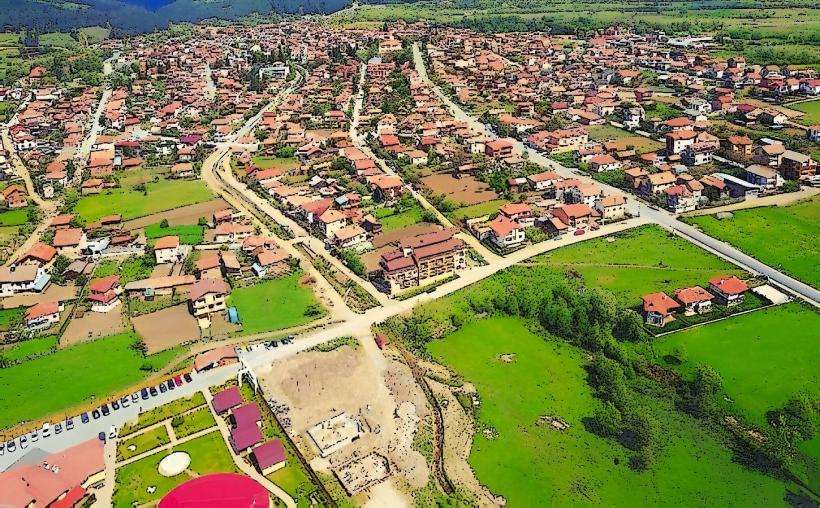
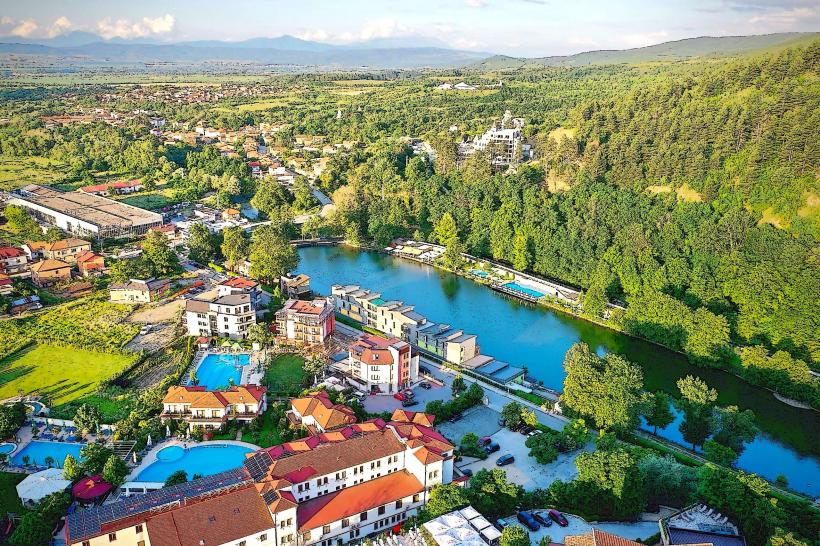
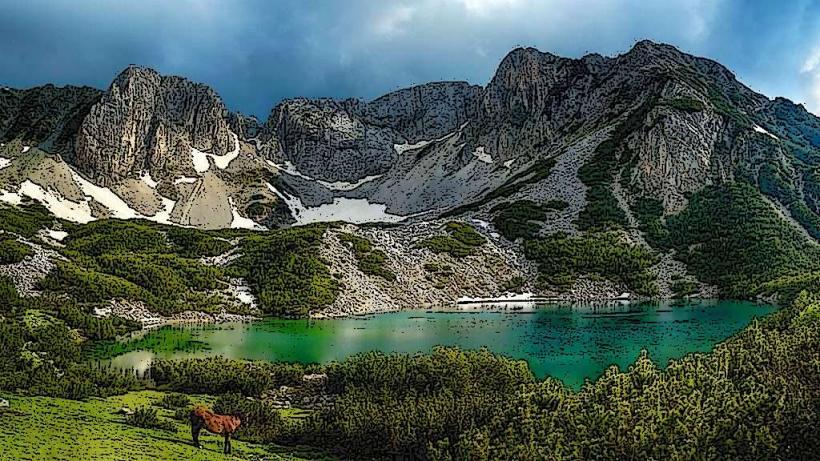
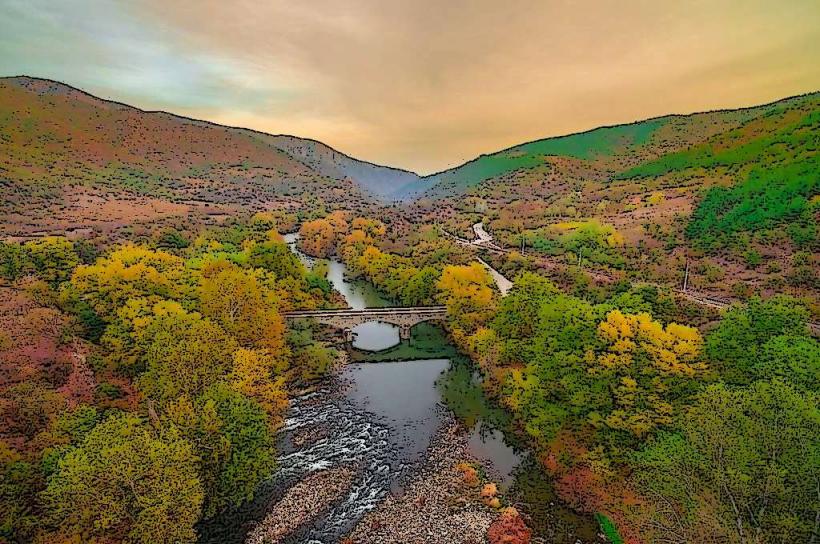
Blagoevgrad functions as the administrative, economic, and educational center of Southwestern Bulgaria. It is situated in the valley of the Struma River at the western foot of the Rila Mountains, approximately 100 km south of Sofia and 25 km from the border with North Macedonia.
Historical Timeline
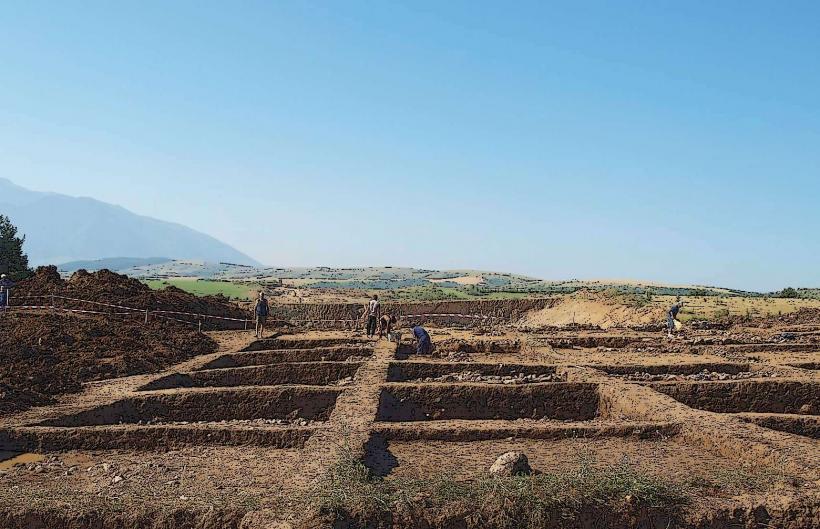
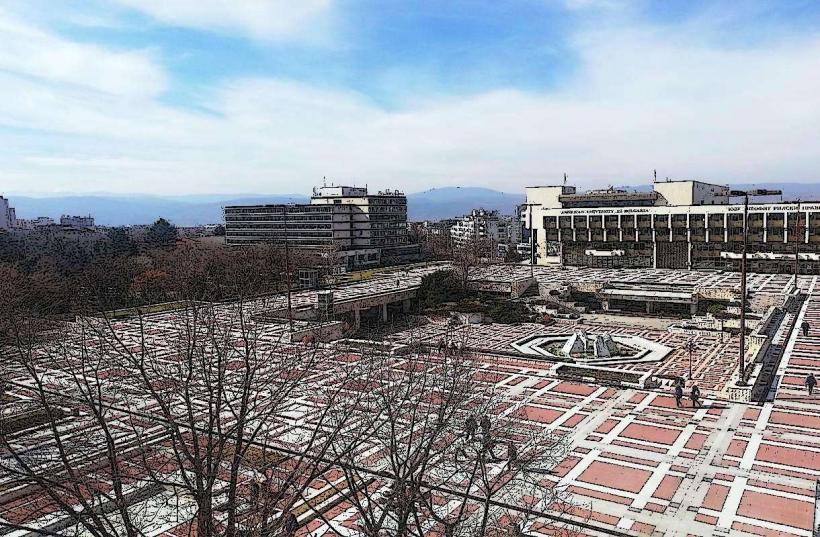
The city originated as the Thracian settlement Scaptopara around 300 BC, valued for its thermal springs. Governance eras include Roman, Byzantine, and Ottoman rule (late 14th century–1912), during which it was known as Gorna Dzhumaya. The most significant political reconstruction followed the city’s liberation in 1912 during the First Balkan War. Its current urban form, characterized by massive pedestrian squares and modernist administrative buildings, was primarily shaped by a large-scale socialist architectural overhaul in the late 1980s in preparation for a high-profile visit by diplomatic corps.
Demographics & Population
The population within city limits is approximately 70,167 as of 2026. The metropolitan (municipality) area hosts roughly 89,000 residents. The primary ethnic demographics are Bulgarian (approx. 90%), with small minorities of Romani (3%) and Turks. Due to the presence of two major universities, the city has a high student-to-resident ratio, maintaining a relatively young demographic with a significant working-age population (64.5% aged 15–64).
Urban Layout & Key Districts
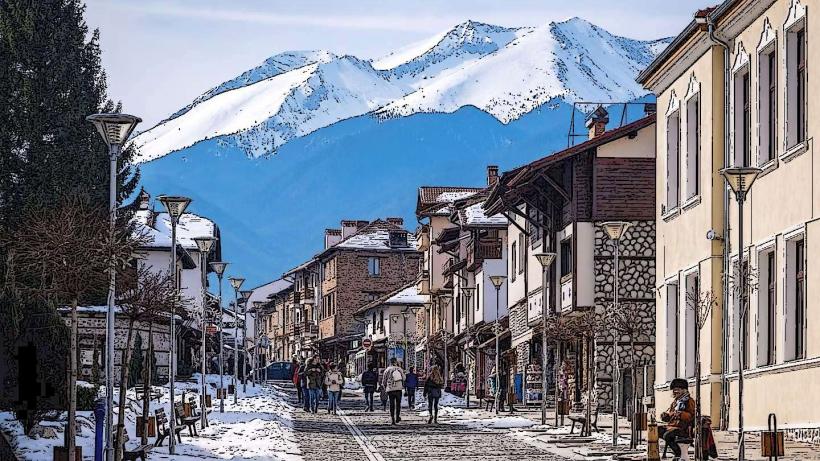
Blagoevgrad is organized around a large, multi-level pedestrian center connected to the river and mountain slopes.
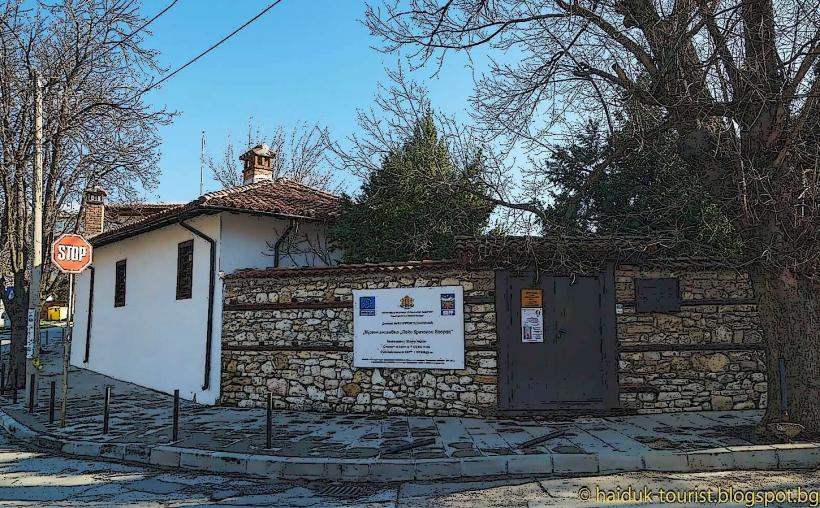
Varosha (Old Town): Located directly east of the center, this district contains preserved National Revival-style houses and narrow cobbled streets.
Center (Tsentar): A vast pedestrian zone featuring the "Macedonia" and "Georgi Izmirliev" squares, administrative buildings, and the Opera House.
Elenovo & Strumsko: Large residential districts located to the south and west, respectively, consisting of high-density socialist-era housing.
Gramada: A residential and light industrial district located on the western bank of the Bistritsa River.
Top City Landmarks
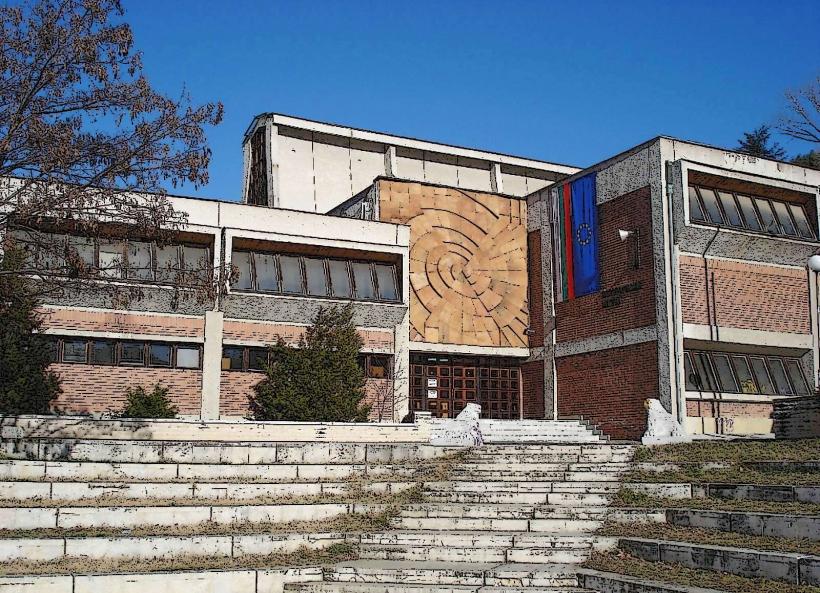
Varosha Quarter: An architectural reserve featuring restored 18th and 19th-century houses and the Regional History Museum.
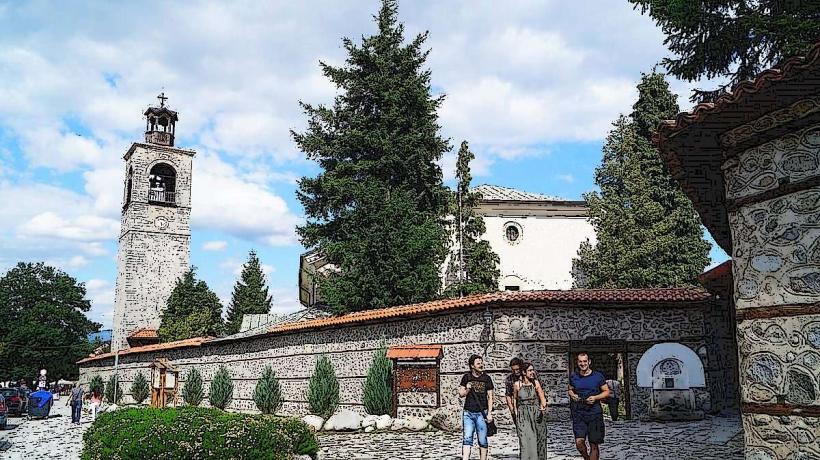
Church of the Presentation of the Blessed Virgin: A 1844 National Revival-style church known for its detailed frescoes and wood-carved iconostasis.
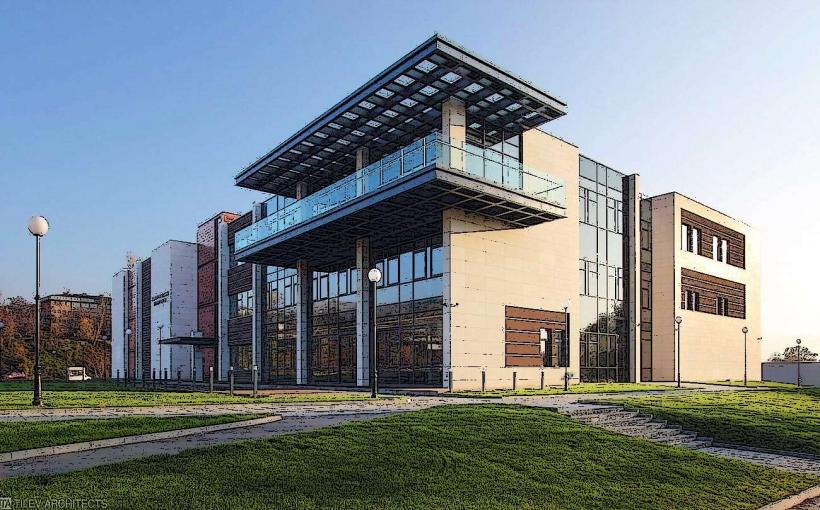
The American University in Bulgaria (AUBG): A prominent campus centered around the renovated "Skaptopara" residential and academic complex.
Bachinovo Park: An expansive green zone following the Bistritsa River, featuring a lake and recreational trails.
Gotse Delchev Monument: A central landmark in Macedonia Square commemorating the Bulgarian revolutionary.
Transportation Network
Internal movement is facilitated by a network of municipal buses. Reliability is high, and routes are manageable via the Blagoevgrad Traffic mobile app. Ride-sharing services like Uber/Bolt are not operational; the primary hailing application is Taxi Blagoevgrad. Official taxis are yellow; companies such as Okay Taxi and Mega Lux are the main providers. Traffic density is moderate, with peak congestion occurring on "Sveti Dimitar Solunski" Boulevard and near the South Bus Station (Avtogara Yug).
Safety & "Red Zones"
The city is exceptionally safe, largely due to the active student population and high police presence in the center. There are no designated "no-go" zones, though standard caution is advised in the peripheral areas of the Strumsko and Elenovo districts late at night. Common scams are rare, but visitors should verify taxi meter activation for trips to the nearby ski resorts or borders.
Digital & Financial Infrastructure
Average fixed broadband speed is 165 Mbps, with comprehensive 5G coverage provided by A1, Vivacom, and Yettel. Following Bulgaria's entry into the Eurozone on January 1, 2026, the official currency is the Euro (€). Card acceptance is high in the center, cafes, and supermarkets, while cash is still preferred in the central municipal market and for local bus fares.
Climate & Air Quality
Blagoevgrad has a transitional continental climate with strong Mediterranean influences. Summer temperatures range from 18°C to 33°C, often experiencing heatwaves. Winters are relatively mild compared to Sofia, ranging from -2°C to 7°C. Air quality is generally moderate, though winter inversions can trap smoke from wood-burning heating in the lower parts of the valley.
Culture & Social Norms
Tipping: 10% is expected in restaurants and bars.
Greetings: A handshake is the standard greeting; professional titles are often used in academic contexts.
Dress Code: Casual attire is standard; modest dress (shoulders/knees covered) is required for churches.
Social Norms: The city has a distinct "cafe culture," with many social interactions occurring in the outdoor seating areas of the pedestrian center.
Accommodation Zones
City Center/Varosha: Recommended for walking access to universities, nightlife, and historic sites.
Bachinovo Area: Recommended for travelers seeking a quiet environment near the park and river.
Local Cost Index
1 Espresso: €1.50
1 Standard Lunch: €9.00
1 Bus Ticket: €0.80
Nearby Day Trips
Rila Monastery (40 km): A UNESCO World Heritage site and Bulgaria’s most significant spiritual center.
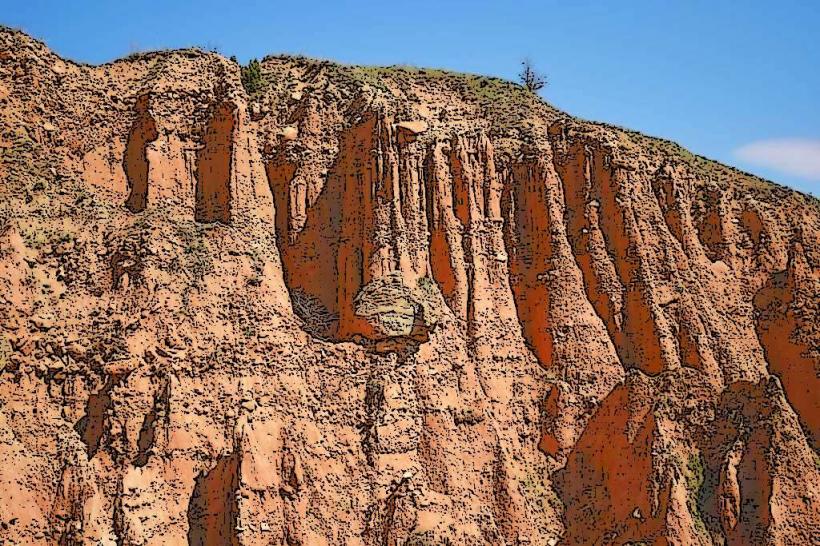
Stob Pyramids (25 km): Natural sandstone rock formations.
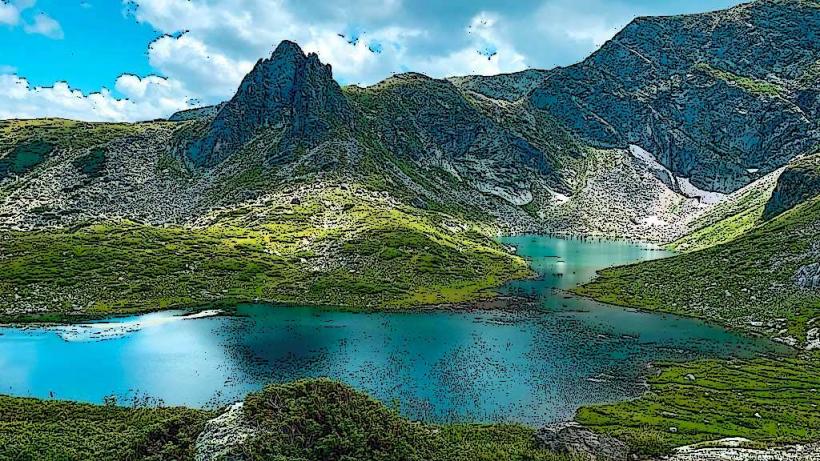
Kartala Ski Resort (28 km): A mountain resort in the Rila Mountains for skiing and hiking.
Sandanski (65 km): A major spa town and gateway to the Pirin Mountains.
Facts & Legends
According to local lore, the thermal waters of Scaptopara were so renowned in antiquity that even Roman Emperors traveled to the region for healing. A modern "urban legend" relates to the 1987 reconstruction of the city center; it is widely rumored that the entire project, including the installation of Italian marble and massive underground passages, was completed in less than a year specifically to impress the visiting diplomatic corps and heads of state.
Would you like me to detail the logistical connections from Blagoevgrad to the Greek border or provide a guide for another regional center like Sandanski?