Information
City: BudapestCountry: Hungary
Continent: Europe
Budapest, Hungary, Europe
Budapest functions as the capital of Hungary and the primary administrative, financial, and cultural primate city of the Pannonian Basin. Situated on a major curve of the Danube River, it serves as a critical hub for pharmaceutical manufacturing, automotive engineering, and information technology. It is defined by its unification of three distinct cities-Buda, Pest, and Óbuda-and its status as a UNESCO World Heritage site featuring one of the world's most significant thermal spa networks.
Historical Timeline
Budapest originated as the Roman settlement Aquincum in the 1st century. The primary era of governance was the Austro-Hungarian Dual Monarchy (1867–1918), during which the city underwent massive urban expansion modeled after Paris and Vienna. The primary event shaping its modern identity was the 1873 unification of its three parts, followed by the 1956 Revolution against Soviet control and the 1989 transition to a market economy.
Demographics & Population
The population is approximately 1.7 million (3.3 million in the metropolitan area). The demographic profile is primarily ethnic Hungarian, with significant international communities of Germans, Chinese, and Roma. Hungarian (Magyar) is the official language. The median age is 41.7 years.
Urban Layout & Key Districts
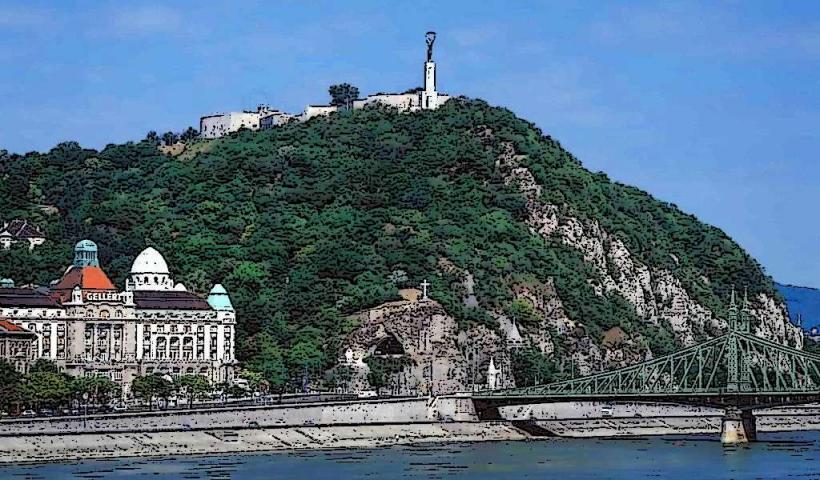
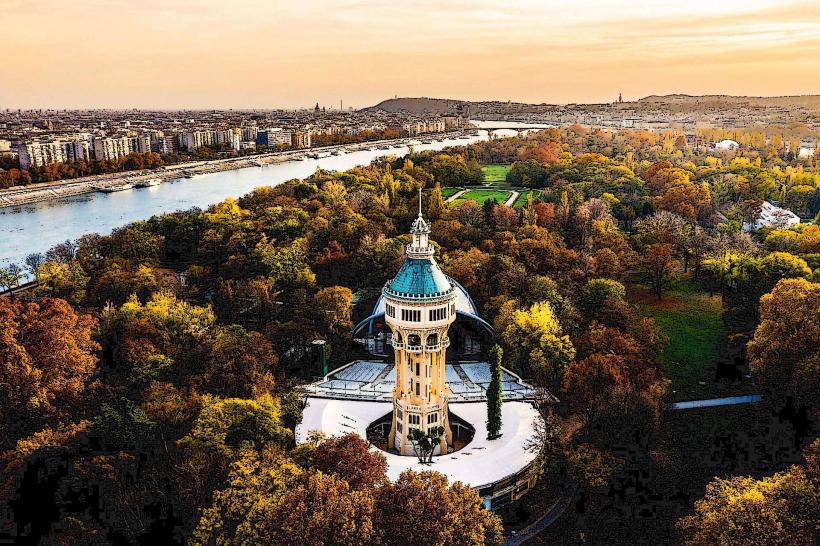
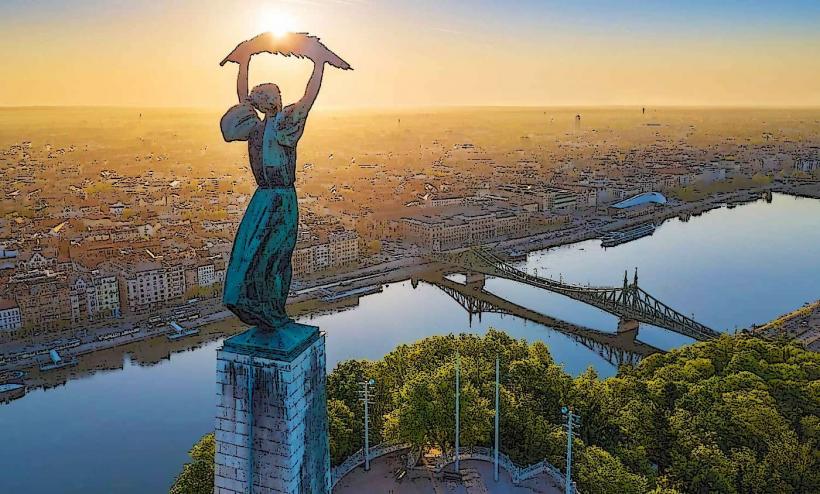
The city is bisected by the Danube River, which separates the hilly west from the flat east.
Buda (West Bank): Characterized by rolling hills, the historic Castle District, and affluent residential zones.
Pest (East Bank): The commercial and political heart, containing the Parliament, ruin bars, and major shopping boulevards.
Belváros (District V): The administrative and financial core of Pest.
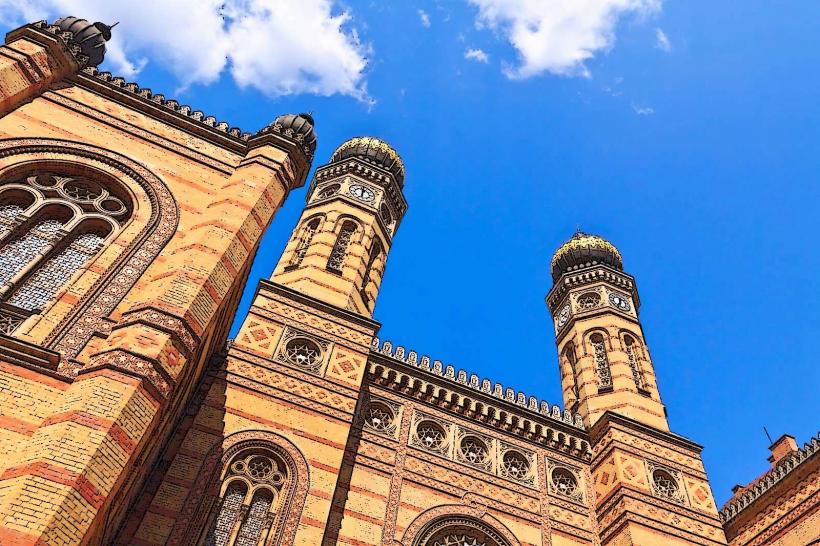
Erzsébetváros (District VII): The historic Jewish Quarter, now a specialized hub for nightlife and creative industries.
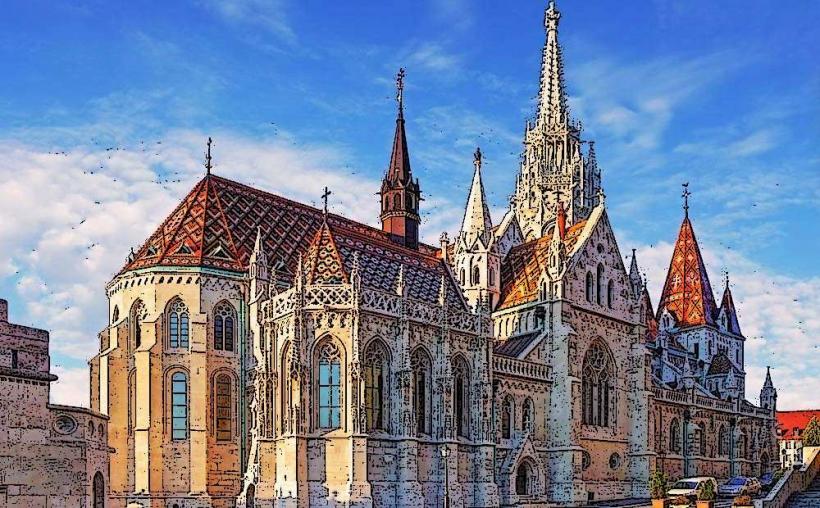
Castle Hill (District I): A specialized medieval district containing the Royal Palace and Matthias Church.
Top City Landmarks
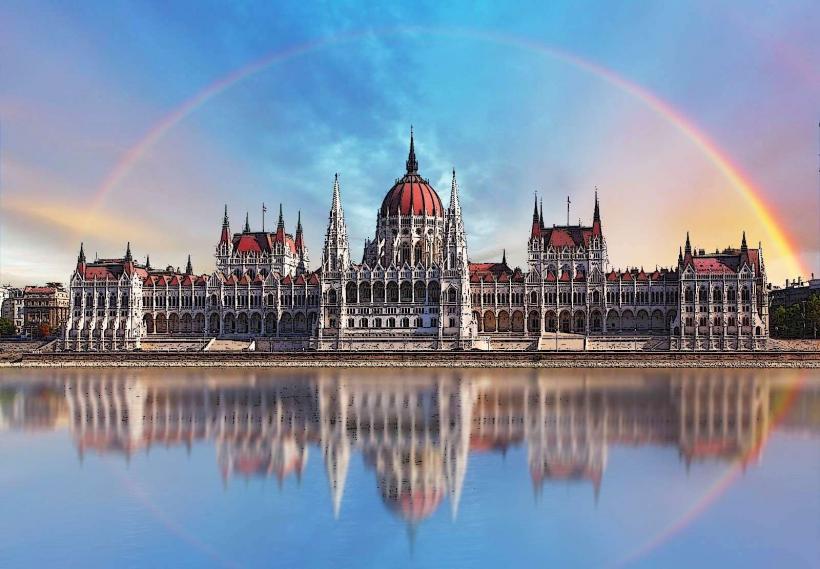
Hungarian Parliament Building: A specialized Neo-Gothic masterpiece and the second-largest parliament in Europe.
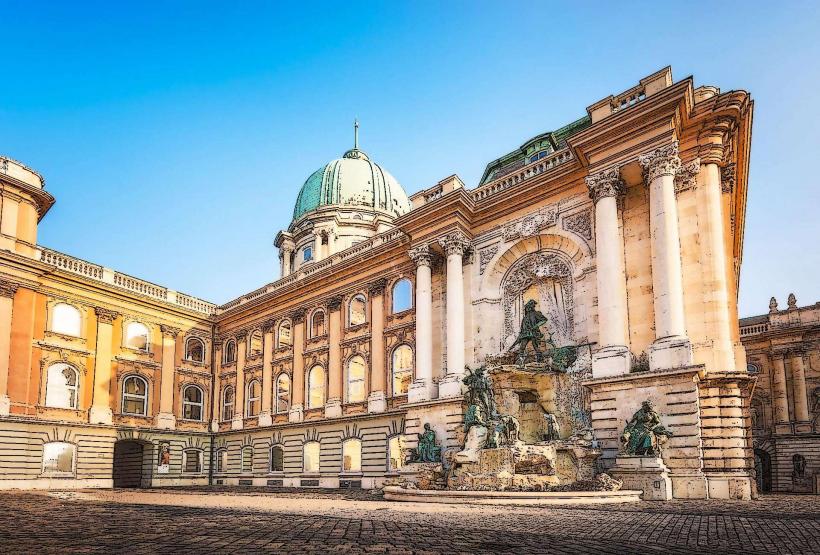
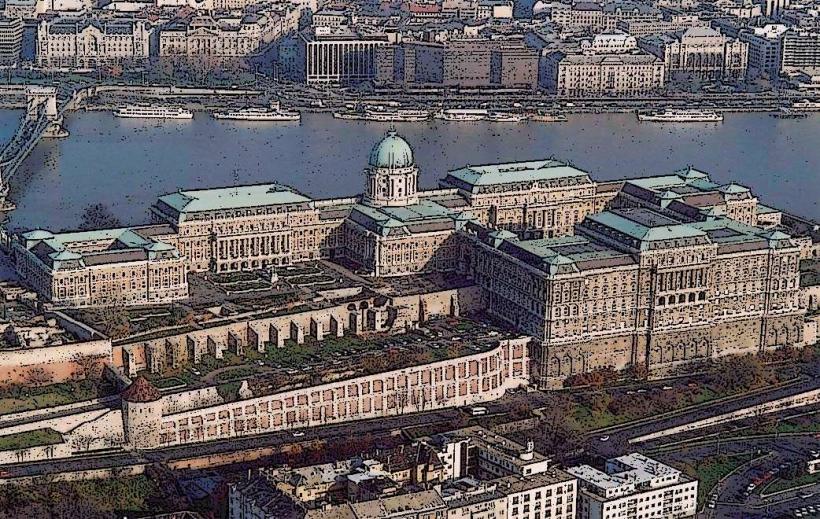
Buda Castle: The historic royal palace complex, now housing the Hungarian National Gallery and the Budapest History Museum.
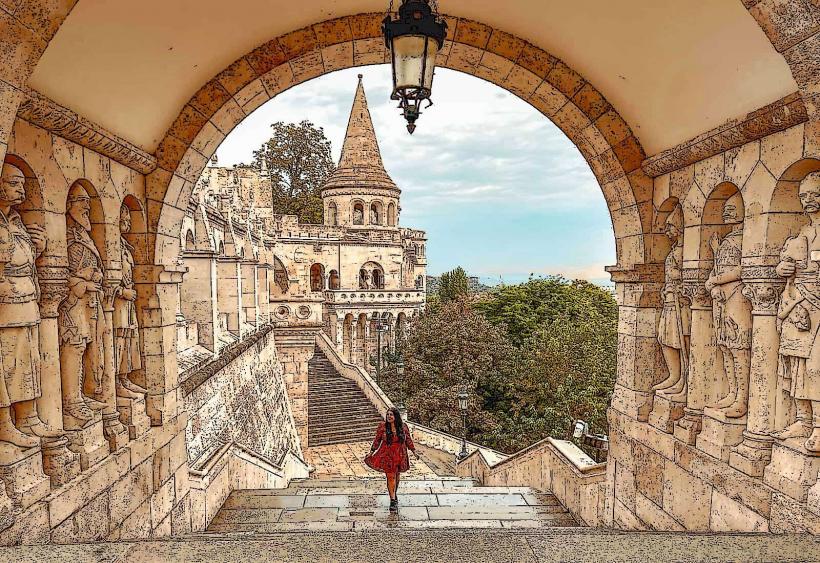
Fisherman's Bastion: A specialized Neo-Romanesque terrace offering panoramic views of Pest.
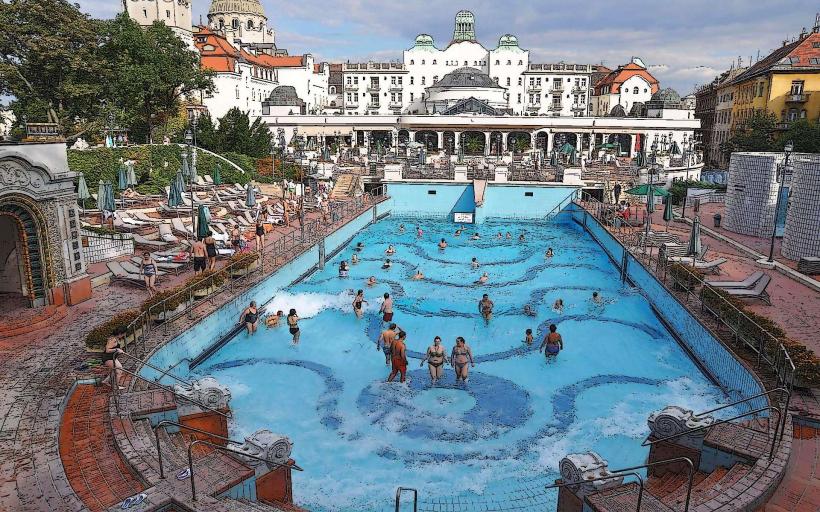
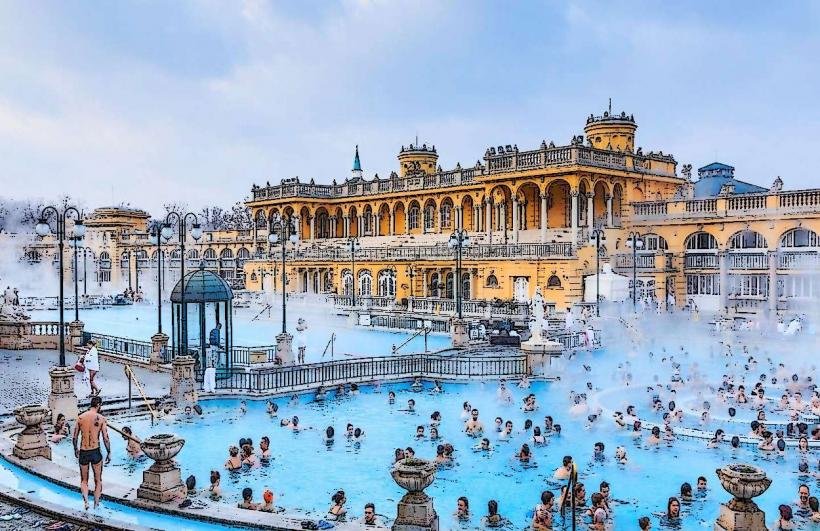
Széchenyi Thermal Bath: One of the largest specialized medicinal bath complexes in Europe, featuring 18 pools supplied by natural hot springs.
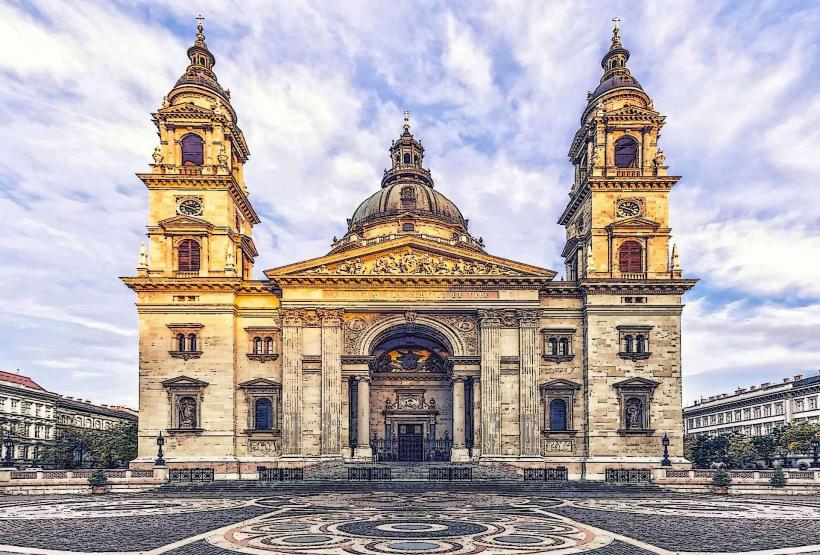
St. Stephen's Basilica: A specialized Neoclassical cathedral housing the mummified right hand of Hungary’s first king.
Shoes on the Danube Bank: A specialized memorial consisting of 60 pairs of iron shoes dedicated to Holocaust victims.
Transportation Network
Budapest is a primary European rail and river transit node.
Budapest Metro: A specialized four-line system; Line M1 (Yellow) is the oldest electric underground in mainland Europe (1896).
Tram Line 2: Ranked as one of the most scenic specialized tram routes in the world, running along the Pest embankment.
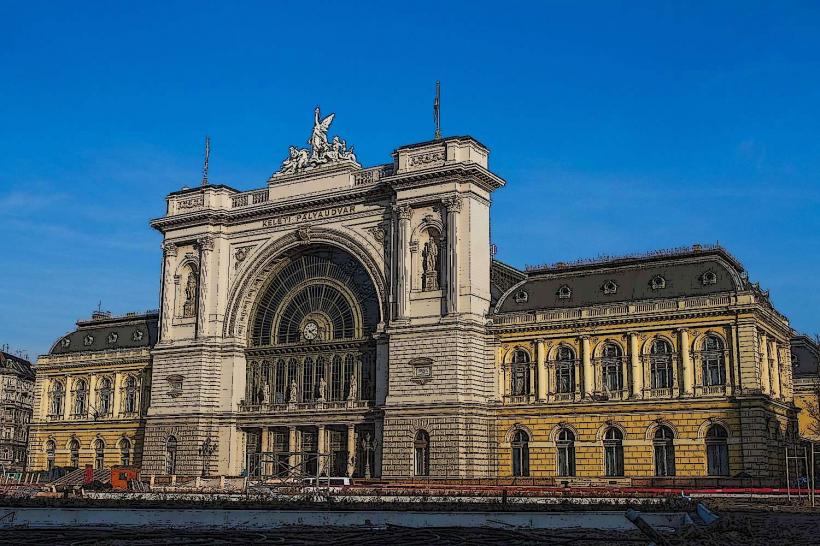
Keleti & Nyugati Stations: Major rail terminals connecting to Vienna (2.5 hours) and Munich (6.5 hours).
BKK Public Transport: A highly integrated network of metros, trams, trolleybuses, and river ferries managed via the BudapestGO app.
Safety & "Red Zones"
The general safety level is high. Violent crime is rare. There are no "red zones." Standard caution is advised for pickpockets in District VII and on the 4-6 tram line late at night. Specialized "bill scams" in a small number of tourist-targeted bars in District V and VII have been reported; always check menus for listed prices before ordering.
Digital & Financial Infrastructure
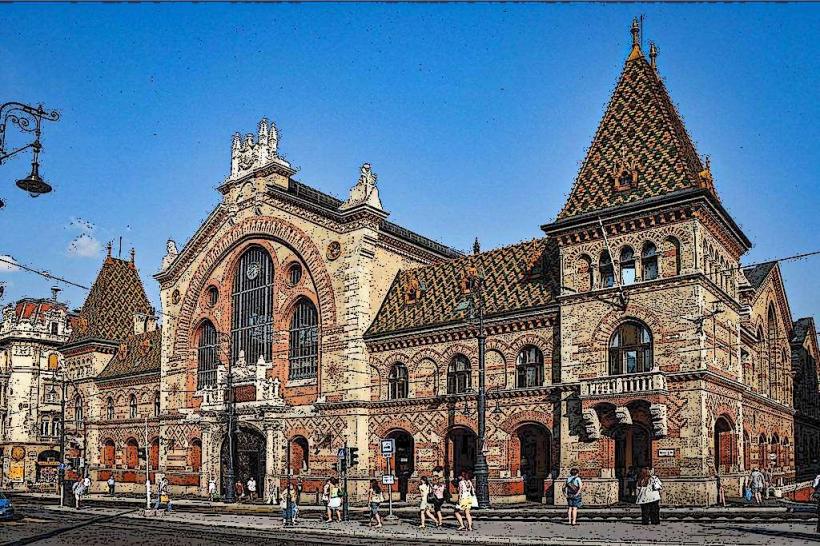
Budapest is a leader in Biotech and Software Development. Internet speeds average 100–1000 Mbps with universal 5G coverage. Card and mobile payments (Apple/Google Pay) are the standard; however, some traditional markets and small "espresso bars" may prefer cash (HUF).
Climate & Air Quality
Budapest has a humid continental climate. It is known for hot, dry summers and cold, humid winters. Daytime temperatures range from 3°C in January to 27°C in July. Air quality is generally moderate but can degrade in the city center during winter temperature inversions.
Culture & Social Norms
Social norms are formal; handshakes are firm and direct eye contact is expected. Tipping (10-15%) is standard in restaurants. The primary cultural events are the Sziget Festival (one of Europe's largest music festivals) and the St. Stephen’s Day celebrations (August 20) featuring massive fireworks over the Danube.
Local Cost Index
1 Espresso: 860 HUF (€2.20)
1 Pint of Beer: 1,000–1,500 HUF (€2.50–€3.80)
1 Standard Lunch: 4,000–7,000 HUF (€10.00–€18.00)
Nearby Day Trips
Szentendre: 40 mins away; a specialized riverside town known for its art galleries and Mediterranean atmosphere.
Lake Balaton: 1.5 hours away; the largest freshwater lake in Central Europe.
Visegrád: 1 hour away; featuring a specialized medieval citadel with views of the Danube Bend.
Facts & Legends
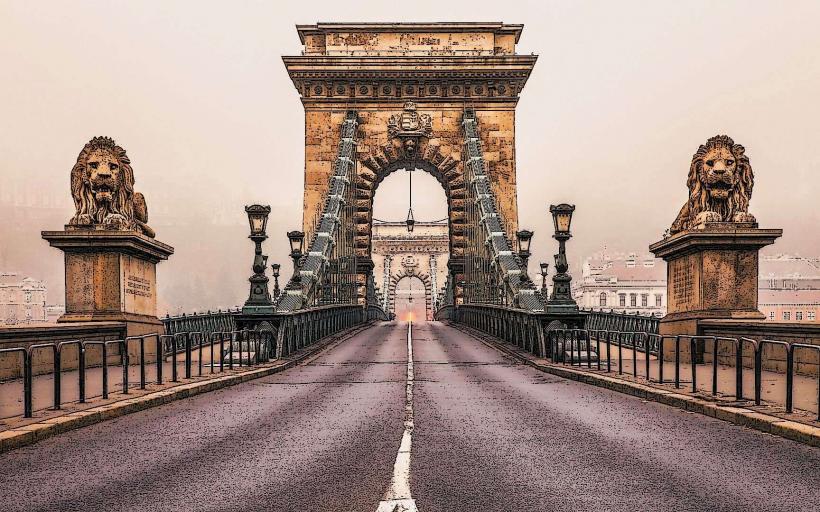
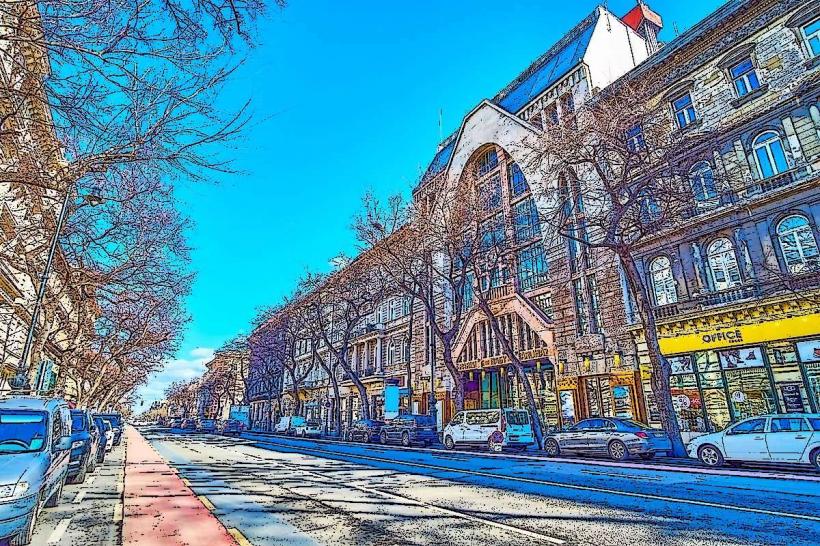
Budapest is the site where the Rubik's Cube was invented by Ernő Rubik. Legend states that the lions guarding the Chain Bridge have no tongues (a claim that led the sculptor to jump into the river, though they actually do have tongues visible only from above). A verified fact is that Budapest has the highest concentration of thermal springs of any capital city in the world. Historically, the city’s Metro Line 1 was built using a specialized "cut-and-cover" technique to avoid disturbing the newly built Andrássy Avenue.