Information
City: CarbondaleCountry: USA Illinois
Continent: North America
Carbondale, USA Illinois, North America
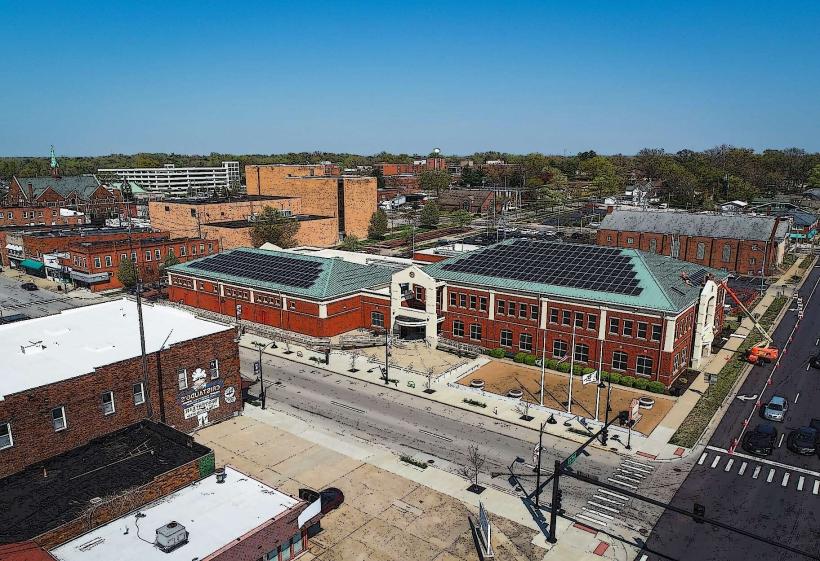
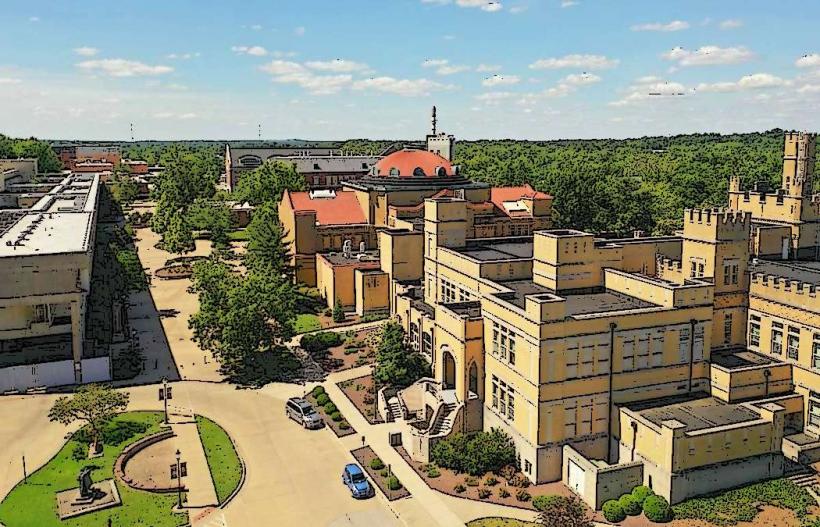
Carbondale serves as the primary regional hub for Southern Illinois, largely defined by the presence of Southern Illinois University (SIU). It is situated in Jackson County, approximately 160 km southeast of St. Louis and 530 km south of Chicago, positioned near the northern edge of the Shawnee National Forest.
Historical Timeline
Carbondale was founded in 1852 by Daniel Harmon Brush as a railroad town on the Illinois Central line. Primary governance eras include its development as a coal mining and agricultural center in the late 19th century and its mid-20th-century transition into a major educational center following the rapid expansion of SIU. The most significant event shaping the current urban form was the post-WWII "Student Boom," which led to the construction of high-rise dormitories and the expansion of the "Strip" commercial district.
Demographics & Population
The population within city limits is approximately 21,000, which nearly doubles during the academic year. The demographics are heavily influenced by the university: White (55%), Black or African American (24%), Asian (4.5%), and Hispanic or Latino (5.5%). The median age is 24.2 years.
Urban Layout & Key Districts
The city is organized on a grid system bisected by the Illinois Central Railroad and US Route 51. The Strip (Illinois Avenue) is the central district for student life, nightlife, and retail. Campus Lake and the surrounding university grounds dominate the southern half of the city. West Carbondale contains historic residential neighborhoods and the city's medical district.
Top City Landmarks
Southern Illinois University Campus
SIU Student Center (one of the largest in the nation)
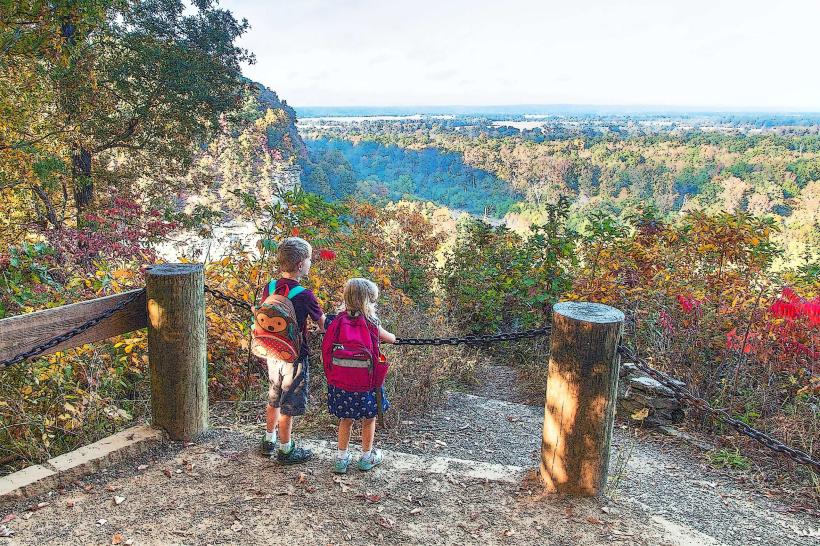
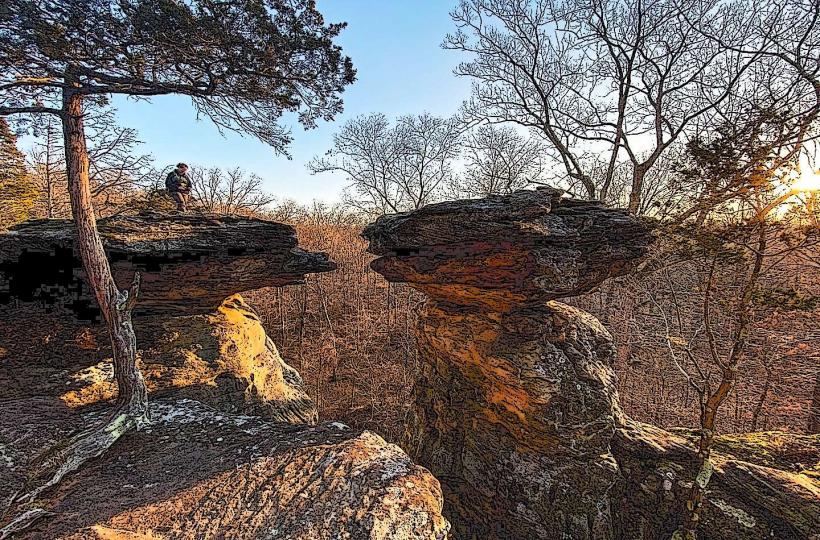
Giant City State Park (located 15 km south)
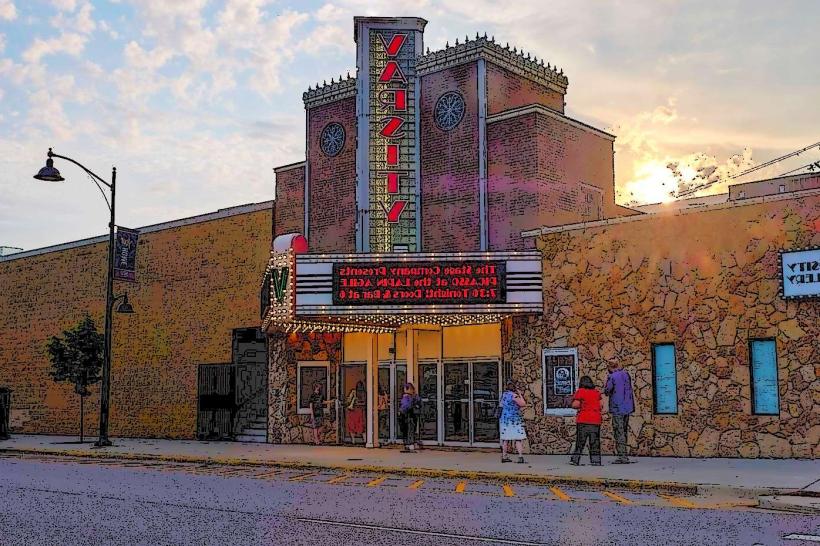
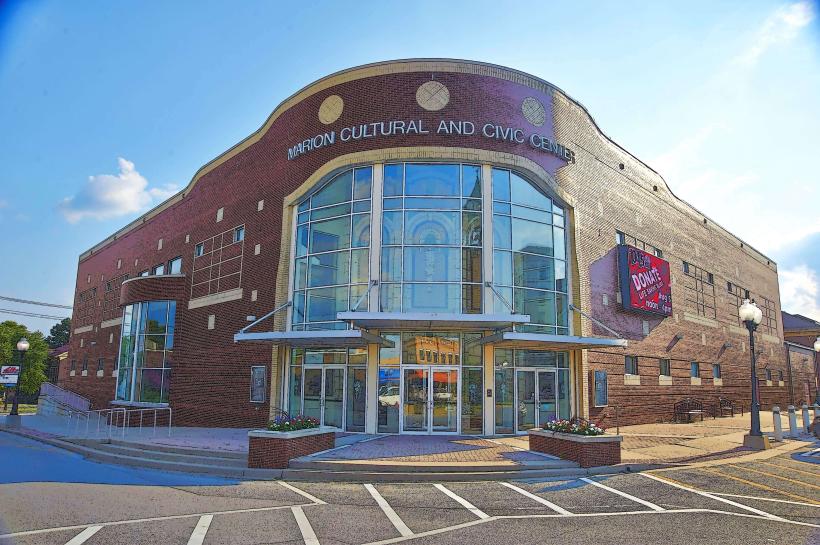
Varsity Center for the Arts
The Castle (Historic home on West Main St)
Transportation Network
Movement is serviced by the "Salooon" bus system (Saluki Express) and the Jackson County Mass Transit District. Carbondale is a major stop for Amtrak’s City of New Orleans and Illini/Saluki lines. Ride-sharing via Uber and Lyft is the primary motorized alternative. Traffic density is moderate, peaking during university move-in weeks and home football games.
Safety & "Red Zones"
The general safety level is moderate. Caution is advised at night in specific areas of the northeast quadrant and the commercial corridor along East Main Street, which experience higher rates of property-related incidents. Common scams are infrequent, usually involving fraudulent student housing listings or ticket resale for university athletics.
Digital & Financial Infrastructure
Internet speeds average 200 Mbps. Main mobile carriers are Verizon, AT&T, and T-Mobile. Card acceptance is universal. ATMs are ubiquitous, particularly in the SIU Student Center and at branches of Banterra Bank and First Southern Bank.
Climate & Air Quality
Temperatures range from -4°C to 5°C in winter and 21°C to 33°C in summer. Southern Illinois experiences higher humidity than northern parts of the state. Air quality is consistently high. Specific weather risks include severe thunderstorms and tornadoes, as the region is located in a high-activity convective zone.
Culture & Social Norms
The standard tipping percentage is 18–20%. A handshake is the standard greeting. Dress codes are casual and academic-focused. Smoking is prohibited in all public indoor spaces and is restricted to designated areas on the SIU campus.
Accommodation Zones
US 51 / Route 13 Intersection: Recommended for proximity to national hotel chains, shopping, and highway access.
Downtown/Near Campus: Recommended for walking access to the university and the central dining district.
Local Cost Index
1 Espresso: $4.00 (USD)
1 Standard Lunch: $13.00 (USD)
1 Saluki Express Fare: $1.00 (USD)
Nearby Day Trips
Giant City State Park (15 km)
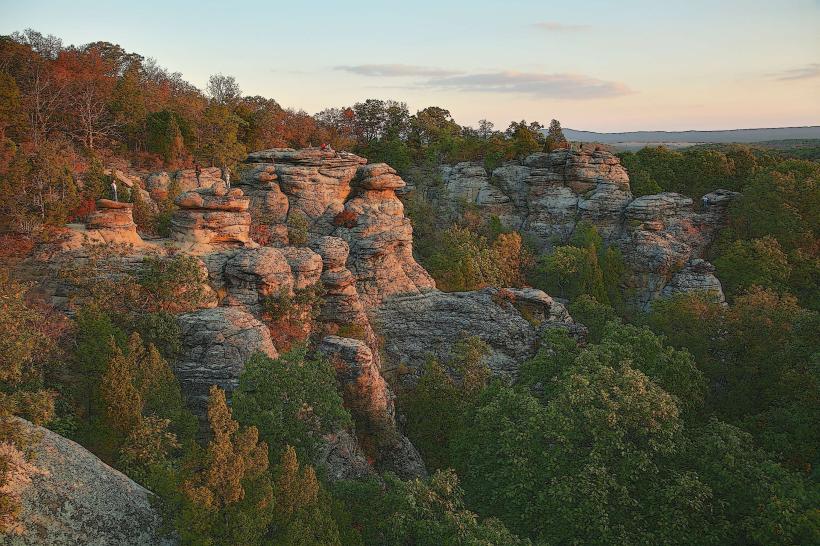
Shawnee National Forest / Garden of the Gods (80 km)
Little Grand Canyon (15 km)
Pomona Natural Bridge (25 km)
Paducah, KY (100 km)
Facts & Legends
Carbondale was the "Eclipse Crossroads of America," being the location of the greatest duration for both the 2017 and 2024 total solar eclipses. Historically, the city is known as the "Little Egypt" region of Illinois, a name originating from the mid-19th-century famine in Northern Illinois that sent settlers south for grain. A local legend involves the "Ghost of the Hundley House," where an unsolved 1928 double murder allegedly left the property haunted by spectral activity.