Information
City: Champaign UrbanaCountry: USA Illinois
Continent: North America
Champaign Urbana, USA Illinois, North America
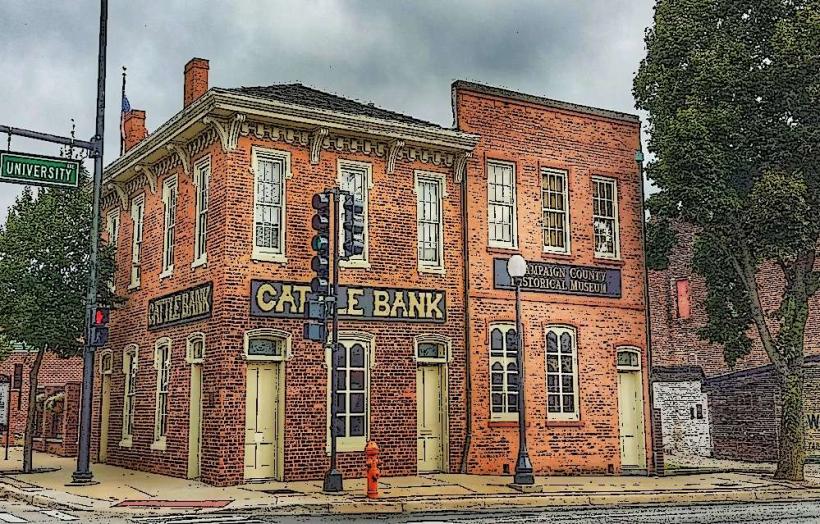
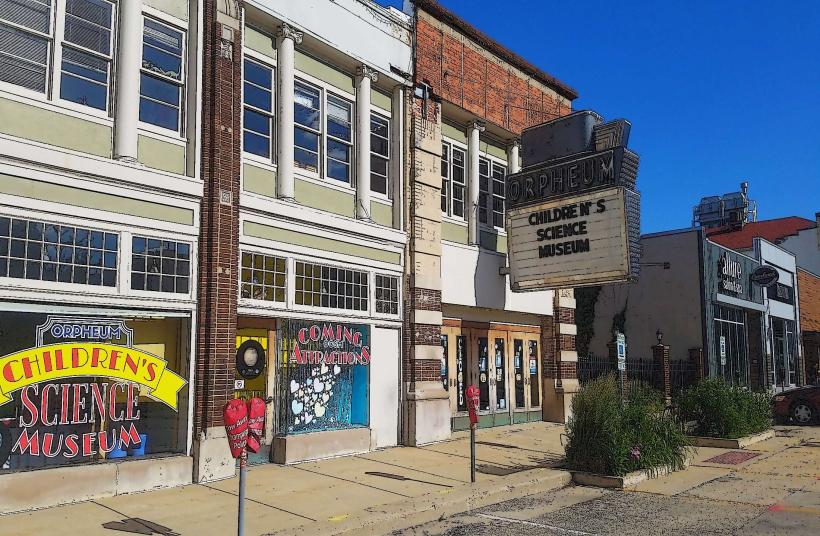
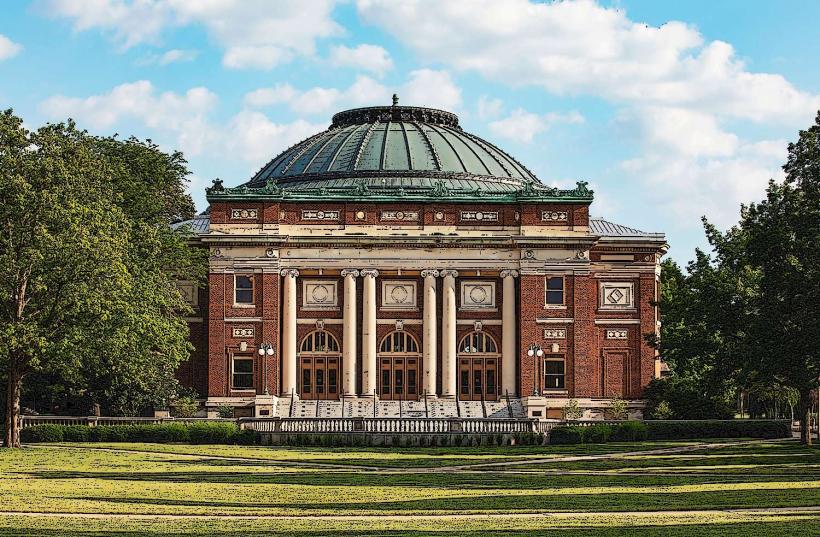
Champaign and Urbana function as a contiguous micro-metropolitan area, primarily defined by the University of Illinois Urbana-Champaign (UIUC). While they share a boundary and the university campus, Champaign serves as the commercial and industrial center, whereas Urbana is the administrative seat of Champaign County and maintains a more residential, academic character.
Historical Timeline
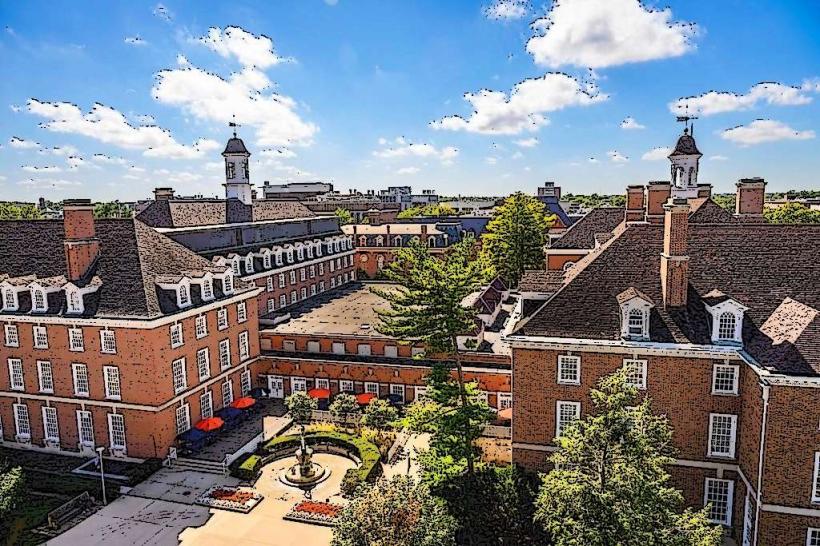
The cities were established in the mid-19th century following the arrival of the Illinois Central Railroad. Champaign was incorporated in 1860, and the University of Illinois was founded in 1867. The most significant architectural and urban growth occurred during the post-WWII era, driven by the massive expansion of the university. The 1990s and early 2000s tech boom, centered on the University’s Research Park, transitioned the local economy from a pure "college town" to a high-tech and supercomputing hub.
Demographics & Population
The combined population is approximately 130,000 (Champaign: 90,000; Urbana: 40,000), with a metropolitan area population of 225,000. The demographics are heavily influenced by the university: White (57%), Asian (15%), Black or African American (14%), and Hispanic or Latino (8%). The median age is significantly low at 23.5 years due to the student population.
Urban Layout & Key Districts
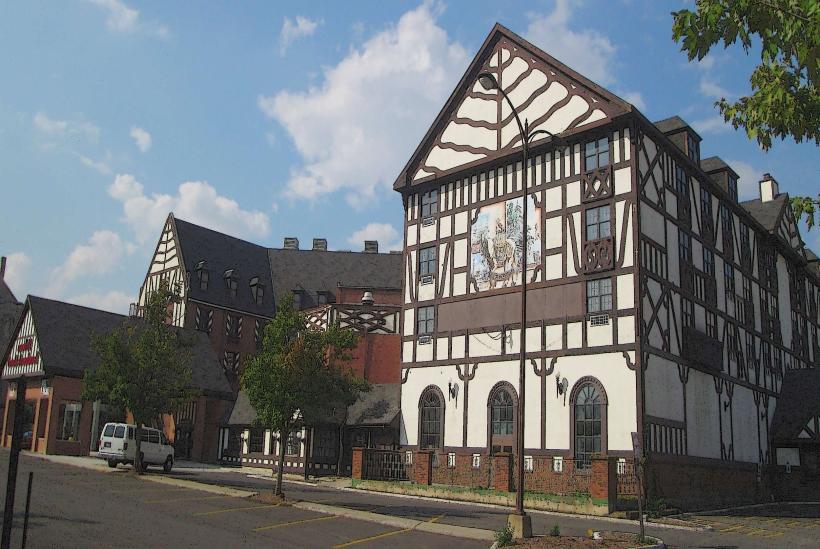
The cities are organized on a unified grid system. Campustown is the central district straddling the border, containing high-density student housing and retail. Downtown Champaign is the primary center for nightlife and local commerce. Downtown Urbana is characterized by government offices and the historic Lincoln Square Mall area.
Top City Landmarks
Memorial Stadium and State Farm Center
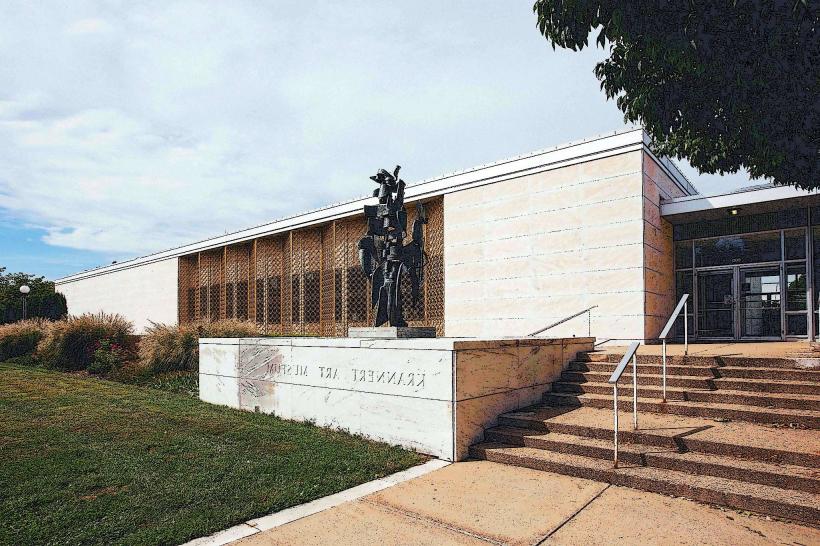
Krannert Center for the Performing Arts
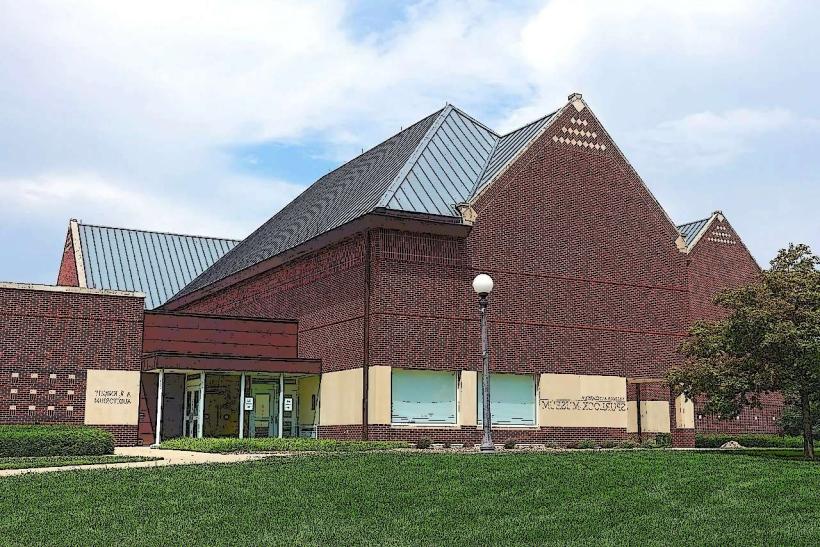
Spurlock Museum of World Cultures
Altgeld Hall (The University's "Chimes" tower)
The Research Park
Transportation Network
Movement is serviced by the Champaign-Urbana Mass Transit District (CUMTD), a nationally recognized bus system. Amtrak provides frequent rail service to Chicago and New Orleans via the Illinois Terminal. Ride-sharing via Uber and Lyft is the primary motorized alternative. Traffic density is moderate, with significant congestion in Campustown during class change intervals and home football games.
Safety & "Red Zones"
The general safety level is moderate to high. Caution is advised at night in specific areas of North Champaign and parts of East Urbana, which experience higher rates of property crime. Common scams include fraudulent student apartment sublease listings and "donation" solicitations by non-affiliated groups in Campustown.
Digital & Financial Infrastructure
Average internet speed is 300 Mbps, supported by the "UC2B" community fiber network. Main mobile carriers are Verizon, AT&T, and T-Mobile. Card acceptance is universal. ATMs are ubiquitous, particularly in Campustown and at Busey Bank locations.
Climate & Air Quality
Temperatures range from -9°C to 0°C in winter and 19°C to 30°C in summer. Air quality is consistently high. Specific weather risks include severe thunderstorms and tornadoes, as the flat prairie landscape offers little resistance to high-velocity winds.
Culture & Social Norms
The standard tipping percentage is 18–20%. A handshake is the standard greeting. Dress codes are casual and academic-focused. Smoking is prohibited in all public indoor spaces and on the entirety of the UIUC campus (indoor and outdoor).
Accommodation Zones
Downtown Champaign: Recommended for access to local dining, transit hubs, and nightlife.
Urbana/South Race St: Recommended for a quieter, residential environment near the University's arboretum.
Local Cost Index
1 Espresso: $4.25 (USD)
1 Standard Lunch: $14.00 (USD)
1 Bus Ticket: $1.00 (USD)
Nearby Day Trips
Allerton Park & Retreat Center (45 km)
Kickapoo State Recreation Area (40 km)
Amish Country / Arthur, IL (60 km)
Turkey Run State Park, IN (95 km)
Facts & Legends
Champaign-Urbana is the birthplace of the Mosaic web browser, which popularized the World Wide Web. Historically, it is home to "Blue Waters," one of the world's most powerful supercomputers located at the National Center for Supercomputing Applications (NCSA). A local legend involves the "Ghost of the English Building," with reports of spectral activity in the former dormitory's basement and upper floors.