Information
City: DurresCountry: Albania
Continent: Europe
Durres, Albania, Europe
Durrës functions as Albania's primary maritime gateway and its most significant archaeological hub. Situated on the Adriatic coast, 34 km west of Tirana, it serves as a specialized node for international logistics, Adriatic transit, and Greco-Roman heritage tourism. It is defined by its transition from an industrial port into a high-end "waterfront leisure hub," its 2,500-year-old Roman infrastructure, and its status as the starting point of the ancient Via Egnatia.
Historical Timeline
Founded in 627 BC as Epidamnos by Greek colonists, the city is one of the oldest continuously inhabited sites in the Balkans.
Roman Era (229 BC–4th Century AD): Known as Dyrrachium, it became a vital Roman colony and the terminus of the Via Egnatia road to Byzantium.
Byzantine & Venetian Eras: The city was fortified as a key Adriatic stronghold.
Communist & Modern Era: Following the 1979 earthquake and the fall of communism, the city expanded rapidly, culminating in the 2026 Porto Romano relocation, which shifts heavy cargo operations 10 km north to transform the central harbor into a luxury marina.
Demographics & Population
The municipality population is approximately 295,000 (2026 estimate), making it the second-largest city in Albania. The demographic is specialized toward maritime engineering, tourism services, and trade. Since 1990, the city has absorbed a high density of internal migrants from northern Albania, creating a dynamic, high-density urban environment.
Urban Layout & Key Districts
The city is organized along a coastal curve, transitioning from ancient ruins to modern high-rises.
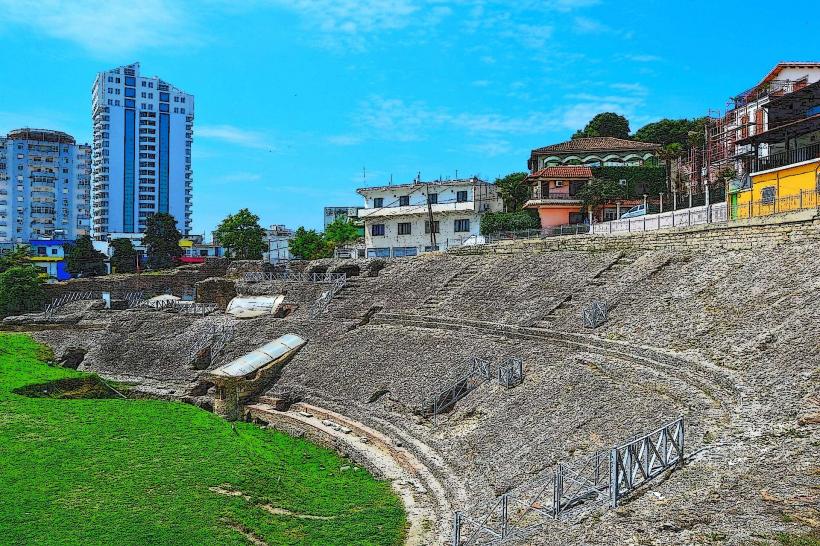
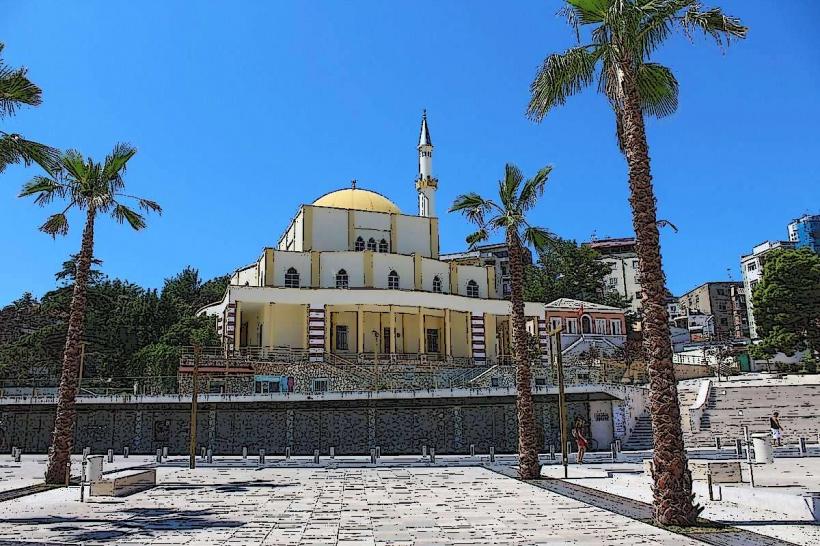
City Center (Qendra): The specialized historical core containing the Amphitheatre, the Great Mosque, and Roman ruins.
Vollga & Currila: Specialized northern waterfront districts; the "luxury" zone of Durrës featuring premium sea-view apartments, high-end dining, and the primary promenade.
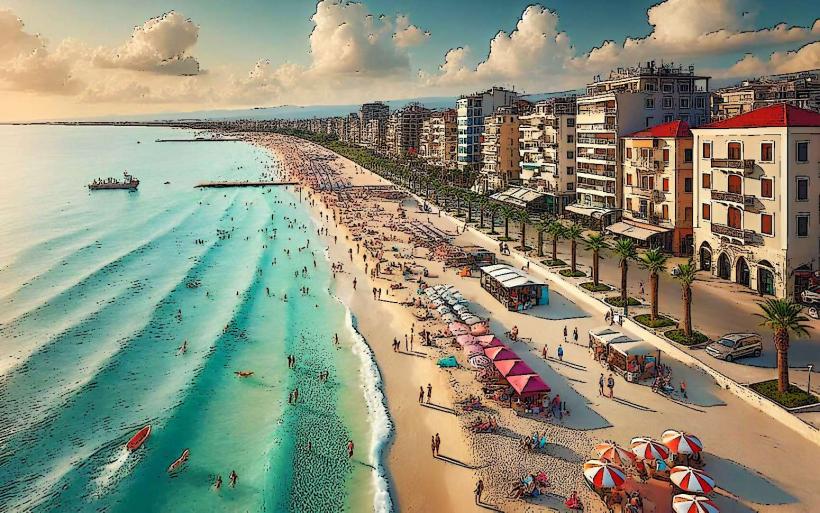
Plazh i Durrësit (The Beach): A specialized 10-km sandy strip south of the port; the primary tourism zone characterized by massive hotel density and shallow waters.
Porto Romano: A specialized northern industrial zone which, in 2026, begins full-scale construction as the region’s largest cargo port and a future NATO naval base.
Top City Landmarks
Roman Amphitheatre: A specialized 2nd-century arena (the largest in the Balkans) with a capacity for 20,000 spectators; it contains a rare 5th-century Byzantine chapel with wall mosaics.
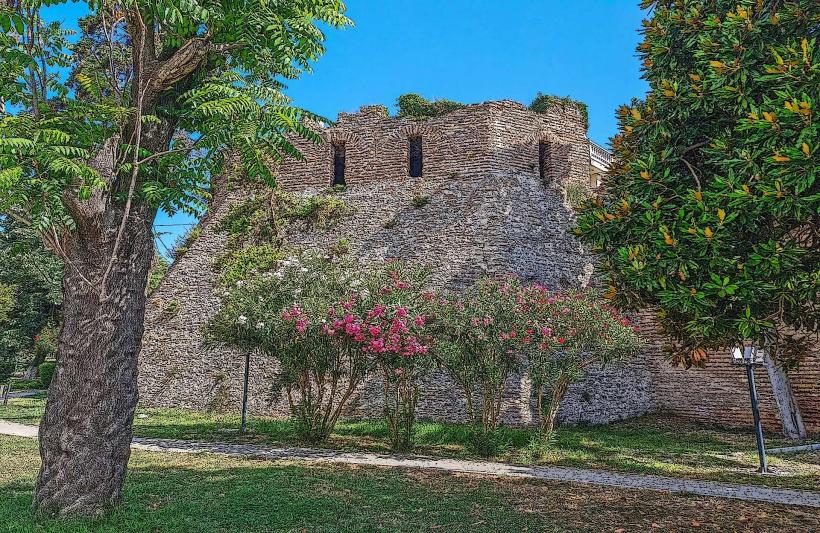
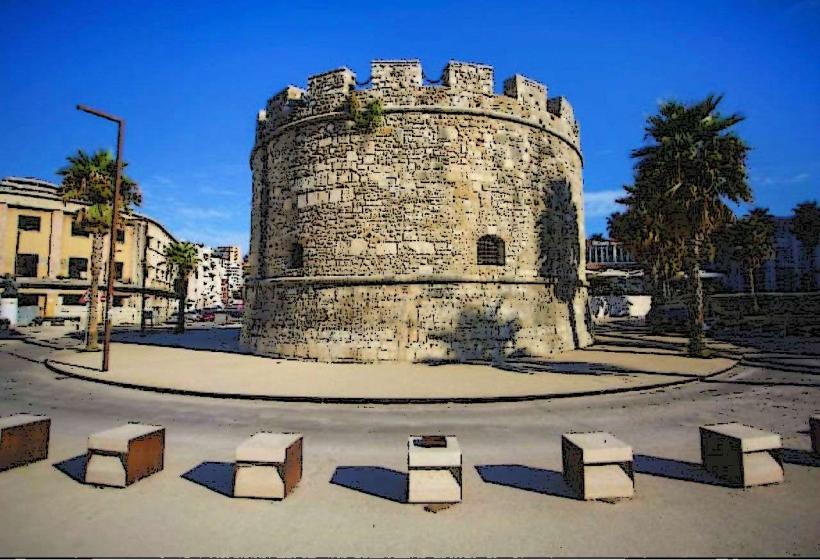
Venetian Tower & City Walls: A specialized 15th-century circular bastion built on Byzantine foundations; it serves as the gateway to the Old Town.
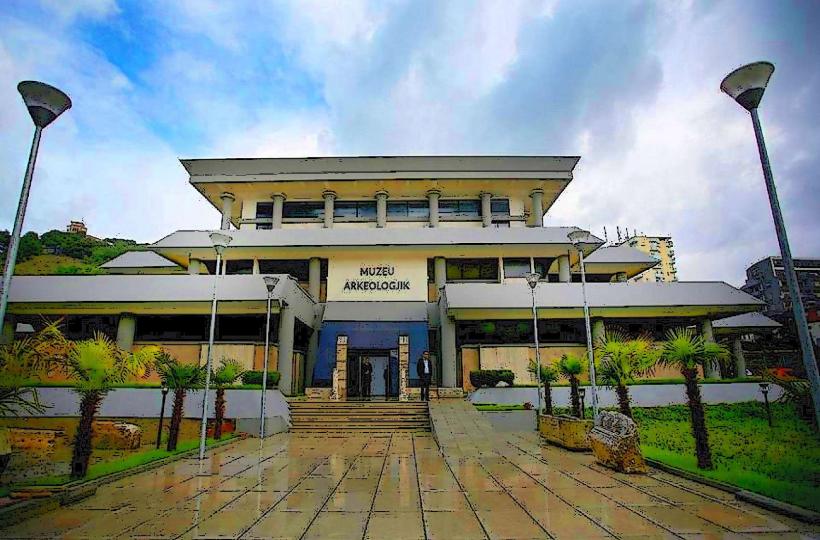
Archaeological Museum: The largest in Albania, featuring specialized collections of Illyrian, Greek, and Roman artifacts, including the "Beauty of Durrës" (Bukuroshja e Durrësit).
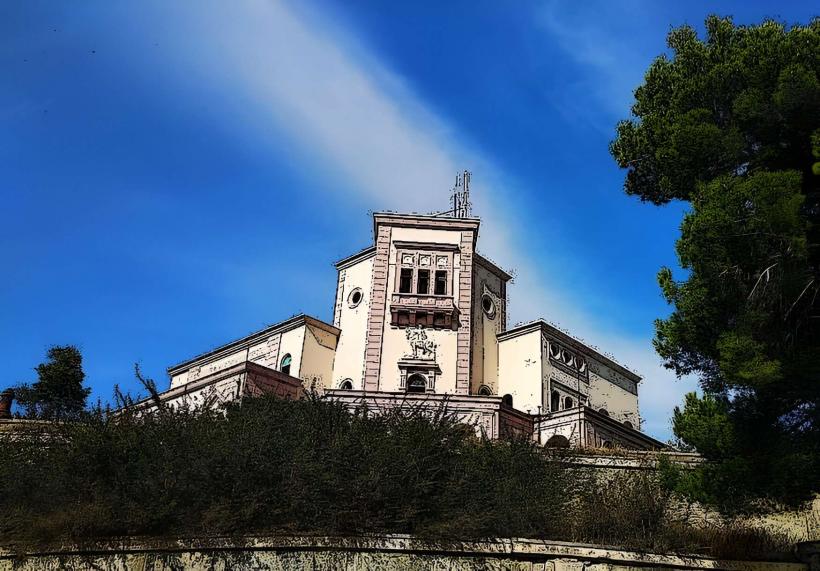
The Royal Villa of King Zog: A specialized 1937 residence perched on a hill, offering panoramic views of the Adriatic and the city.
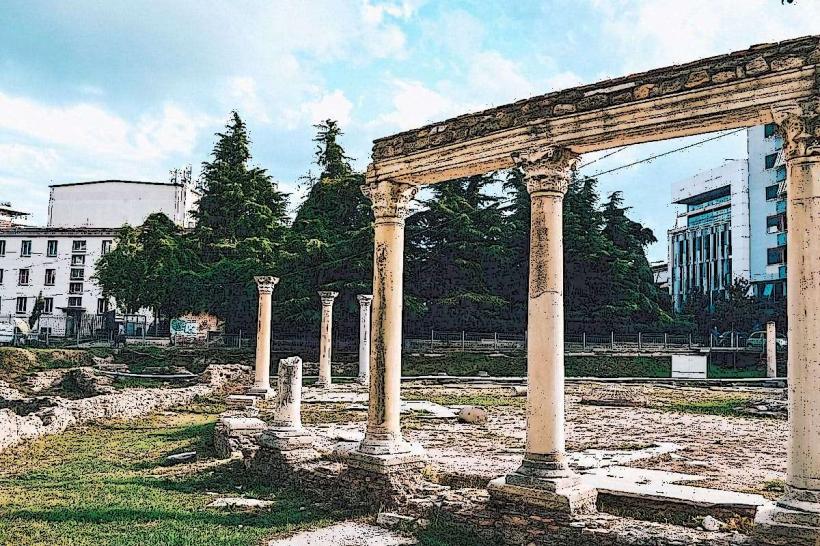
Byzantine Forum (Rotonda): A specialized 6th-century circular square with marble colonnades, once the civic heart of the city.
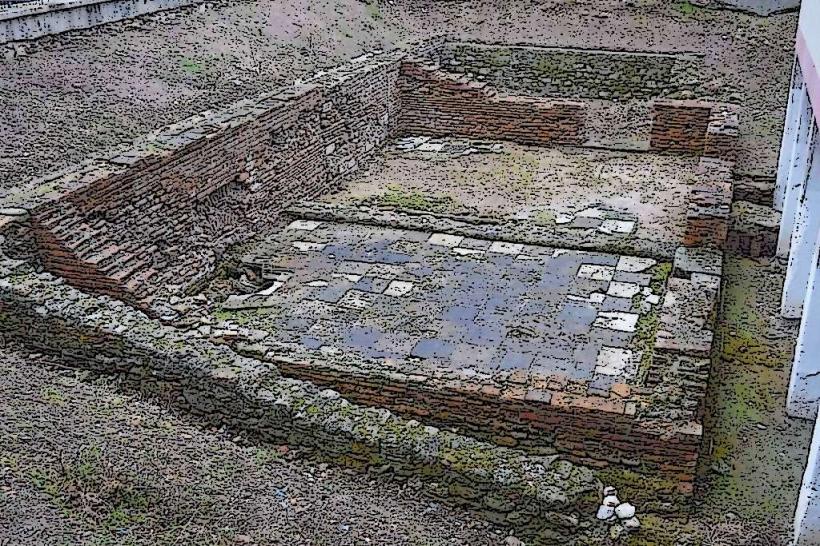
Roman Baths: A specialized 1st-century AD complex discovered beneath the modern Palace of Culture, showcasing the city’s ancient urban sophistication.
Transportation & Infrastructure
In 2026, Durrës is undergoing its most significant infrastructure overhaul in a century.
Corridor VIII Rail: A specialized EU-funded project to modernize and electrify the 34 km rail link between Durrës and Tirana/Rrogozhinë, aiming for completion in the 2026-2027 period.
Port of Durrës (Marina Project): A specialized €2 billion redevelopment transforming the old cargo port into a world-class luxury yacht terminal and residential district.
Adriatic Highway: The primary road artery connecting Durrës to Montenegro (north) and Greece (south).
Safety & Environment
The general safety level is high. Durrës is statistically secure for international travelers. There are no "red zones." Warning: Traffic congestion is severe during peak summer months. In 2026, air quality is improving as heavy shipping shifts to Porto Romano, reducing industrial emissions in the city center.
Digital & Financial Infrastructure
In 2026, the city operates as a Maritime Digital Gateway. Internet speeds average 400–1000 Mbps with universal 5G.
Cash Limit: National 2026 regulations favor digital payments; however, beach-zone vendors still frequently require cash (ALL or EUR).
Smart Tourism: The city utilize a "Durrës Heritage" app for digital ticketing at all archaeological sites.
Local Cost Index (2026 Estimates)
1 Espresso: 120 – 180 ALL
1 Seafood Pasta: 800 – 1,400 ALL
Amphitheatre Entry: 300 ALL (€3)
Monthly Rent (1-BR Vollga/Currila): 45,000 – 75,000 ALL
Property Price (Vollga/Currila): €1,800 – €3,200 per $m^2$
Nearby Day Trips
Cape of Rodon: 50 mins away; a specialized coastal promontory featuring the ruins of a Skanderbeg-era castle and a secluded church.
Kruja: 40 mins away; the specialized historic mountain citadel and national museum of Skanderbeg.
Golem: 15 mins away; a specialized resort suburb known for luxury pine-shaded hotels and expansive sandy beaches.
Facts & Legends
Durrës is the site of the first railway line in Albania (Durrës–Peqin, 1947). Legend states that the city was so wealthy in antiquity that the Roman orator Cicero called it "the garden of the Adriatic." A verified fact is that the city's amphitheatre remained buried under residential houses until 1966, when a man digging in his garden accidentally fell into the arena. Historically, Durrës served as the capital of Albania twice: once in 1914 and again briefly in 1918-1920.