Information
Landmark: Beach of DurresCity: Durres
Country: Albania
Continent: Europe
Beach of Durres, Durres, Albania, Europe
The Beach of Durrës is the largest and most frequented coastline in Albania, stretching approximately 10km along the Adriatic Sea. It serves as the primary maritime recreational zone for both the residents of Durrës and the nearby capital, Tirana.
Visual Characteristics
The beach is characterized by a wide, flat expanse of fine, greyish-brown sand with a high iodine content. The seabed has a very gradual incline, resulting in shallow waters that extend several dozen meters from the shore. The coastline is heavily developed, bordered by a continuous line of multi-story hotels, apartments, and a concrete promenade in the northern "Vollga" section, transitioning into pine-fringed sandy stretches in the southern Golem sector.
Location & Access Logistics
The beach begins immediately south of the Port of Durrës and extends toward the area of Plepa and Golem. It is accessible via the SH2 highway from Tirana (35km) or the SH4 from southern Albania. Public transport is frequent, with "Plepa" city buses running every 10–15 minutes from the central Durrës terminal. Parking is available in numerous private hotel lots and several large public paved areas along the Rruga Pavaresia.
Historical & Ecological Origin
Geologically, the beach is an alluvial formation created by the deposition of sediments from the Erzen and Ishëm rivers. Historically, it became Albania's first major organized tourist destination in the 1920s and 1930s. During the communist era, it was the site of state-run workers' holiday homes, before undergoing rapid, high-density private development following the transition to a market economy in the 1990s.
Key Highlights & Activities
Swimming and sunbathing are the primary activities due to the calm, warm waters. Jet skiing, paddleboarding, and beach volleyball are available at various private stations along the shore. The northern promenade is used extensively for walking (xhiro) and hosts seasonal fairs. The southern end offers more opportunities for camping and walking through the remaining coastal pine groves.
Infrastructure & Amenities
The beach is fully equipped with thousands of sunbeds and umbrellas for rent. Public restrooms and outdoor showers are located at regular intervals, primarily managed by beachfront businesses. 5G cellular coverage is excellent along the entire coast. Food vendors, pharmacies, and ATMs are located every 50–100 meters along the primary access roads.
Best Time to Visit
The peak season is from June to August, when water temperatures reach 25°C. For photography, the sunset (west-facing) offers optimal lighting over the Adriatic. Morning hours (07:00–10:00) are recommended for those seeking calmer waters and less crowded sands. September offers a balance of warm water and significantly lower foot traffic.
Facts & Legends
Local medical lore suggests that walking barefoot on the sand of Durrës and breathing the sea air at dawn is a natural treatment for thyroid and respiratory issues due to the high concentration of minerals and iodine. A modern "legend" of the beach is the rapid transformation of the shoreline; long-term visitors often note that the sea has reclaimed several meters of sand in certain sections over the last two decades.
Nearby Landmarks
Port of Durrës: 0.5km North
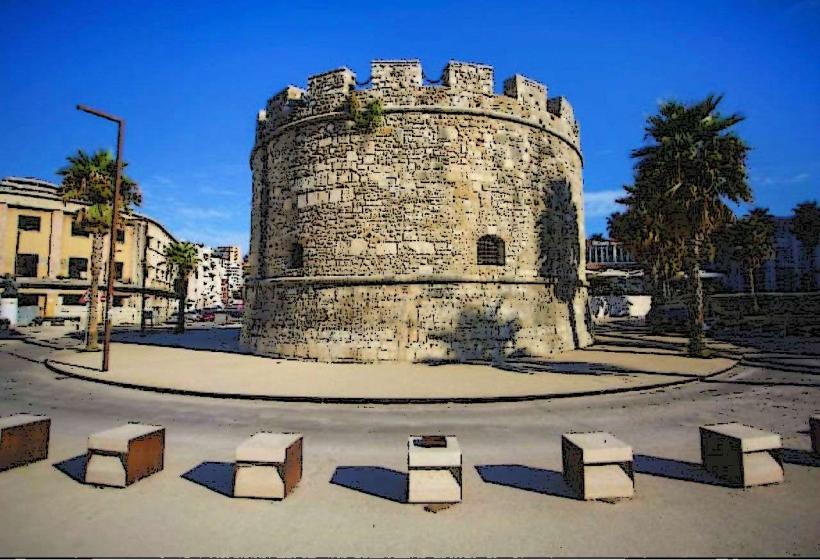
Venetian Tower: 1.2km North
Rock of Kavaja (Shkëmbi i Kavajës): 4.5km South
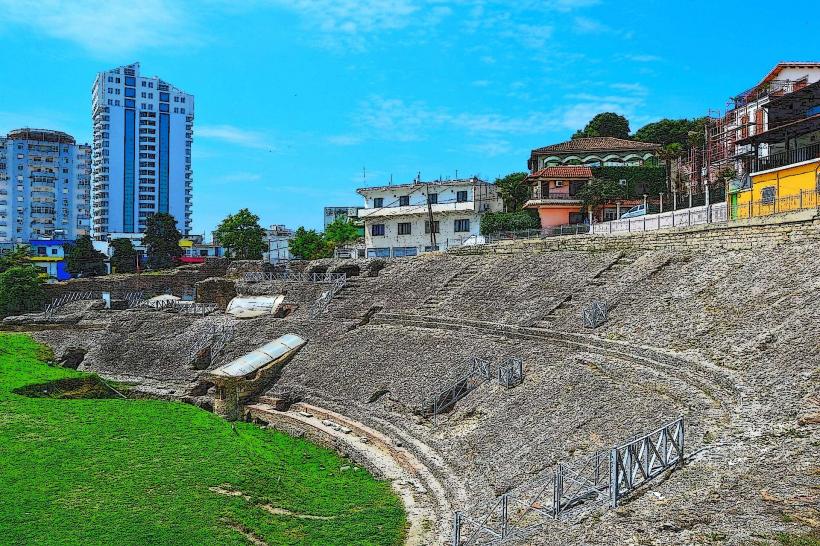
Durrës Amphitheatre: 1.8km Northwest
Grand Park of Durrës: 0.3km East