Information
Landmark: Great Mosque of DurresCity: Durres
Country: Albania
Continent: Europe
Great Mosque of Durres, Durres, Albania, Europe
The Great Mosque of Durrës, also known as the New Mosque (Xhamia e Re), is the principal Islamic place of worship in the city, situated on a raised platform overlooking the central Freedom Square. It is the largest mosque in Durrës and serves as a primary religious and architectural landmark of the post-communist era.
Visual Characteristics
The mosque is built in a modern Ottoman-inspired style, featuring a large central dome and four smaller corner domes covered in lead-colored sheeting. The exterior walls are finished in bright yellow and white plaster with arched windows. It possesses two slender minarets with conical tops that reach a height of approximately 35 meters. The interior is characterized by a wide, carpeted prayer hall, a decorative mihrab, and a large central chandelier.
Location & Access Logistics
The site is located at Sheshi Liria (Freedom Square), roughly 0.6km north of the Port of Durrës. It is accessible on foot from any central city point and is a 12-minute walk from the main intercity bus terminal. Public parking is available directly beneath the mosque in the underground Sheshi Liria garage. Access to the main entrance is via a wide set of stone stairs rising from the pedestrian plaza.
Historical & Ecological Origin
The original mosque on this site was constructed in 1931 during the reign of King Zog I on the foundations of an older Ottoman structure. Following its closure and the destruction of its minarets during the 1967 state-enforced atheism campaign, the building served as a youth cultural center. It was fully reconstructed and reopened for religious services in 1994, with subsequent major renovations funded by international Islamic organizations.
Key Highlights & Activities
The mosque is an active house of worship where the five daily prayers and Friday Jumu'ah services are conducted. Non-Muslim visitors are permitted to enter outside of prayer times to observe the interior architecture and Islamic calligraphy. The elevated terrace surrounding the mosque provides an vantage point for viewing the neoclassical buildings of Freedom Square.
Infrastructure & Amenities
The facility includes dedicated wudu (ablution) areas and restrooms for men and women. The surrounding plaza is equipped with 5G cellular coverage and public seating. While the mosque interior is not climate-controlled in the traditional sense, the thick walls and high domes maintain a cool temperature during summer. Numerous service-oriented businesses, including banks and pharmacies, are located within 0.1km.
Best Time to Visit
The exterior is best photographed during the late afternoon when the sun illuminates the yellow facade. Visitors should time their arrival between prayer sessions, typically mid-morning (10:00–11:30) or mid-afternoon, to avoid disturbing congregants. Modest dress is required for entry, including covered shoulders and knees for all, and headscarves for women.
Facts & Legends
When the mosque was built in 1931, it was considered one of the most modern Islamic structures in the Balkans, incorporating reinforced concrete-a rarity for religious architecture in Albania at that time. A verified historical oddity is that during its tenure as a "Youth Palace" in the 1970s, the main prayer hall was used as a gymnasium and theatre space before being restored to its original purpose.
Nearby Landmarks
Sheshi Liria (Freedom Square): 0.05km South
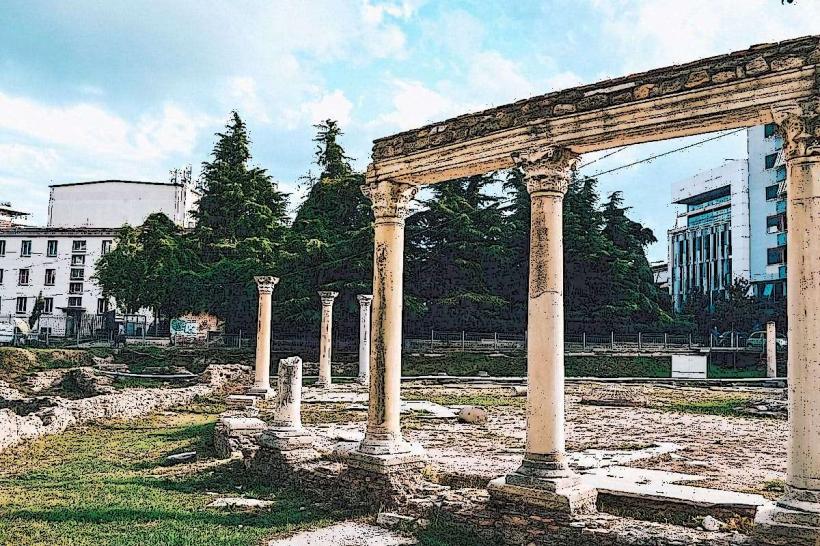
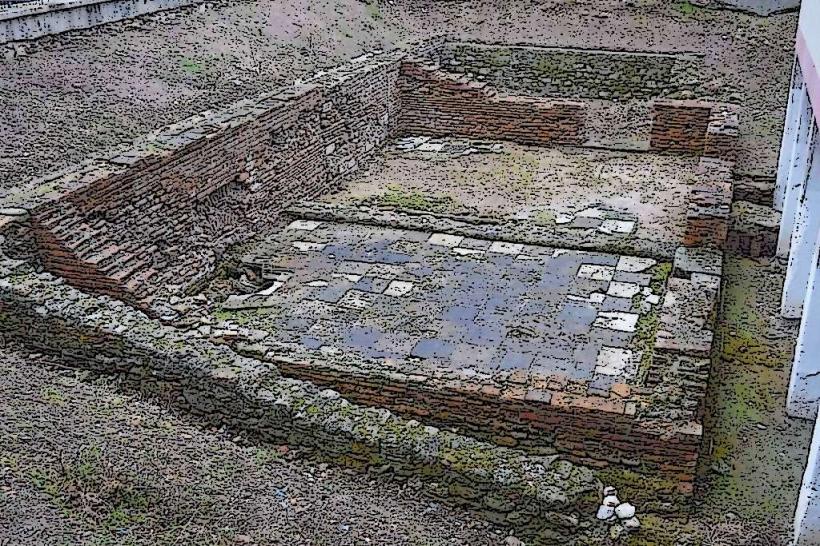
Byzantine Forum (Macellum): 0.15km Northwest
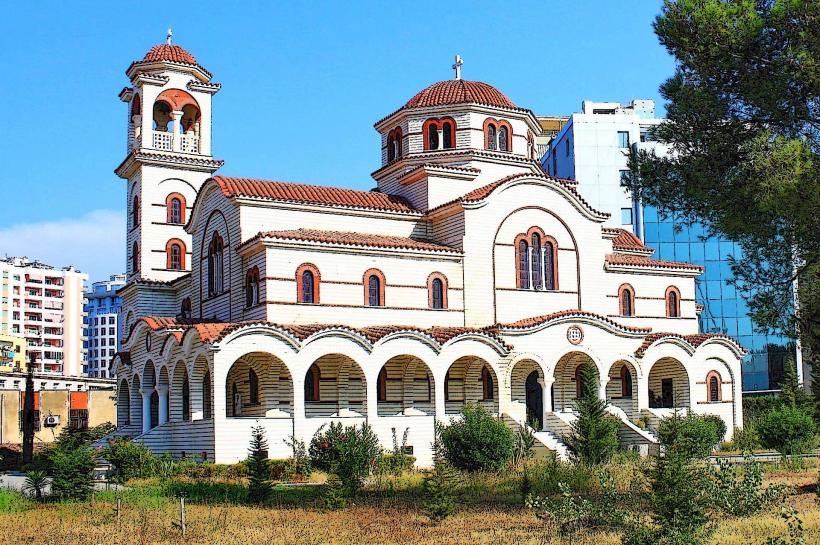
St. Astius Church: 0.2km West
Durrës City Hall (Bashkia): 0.1km West
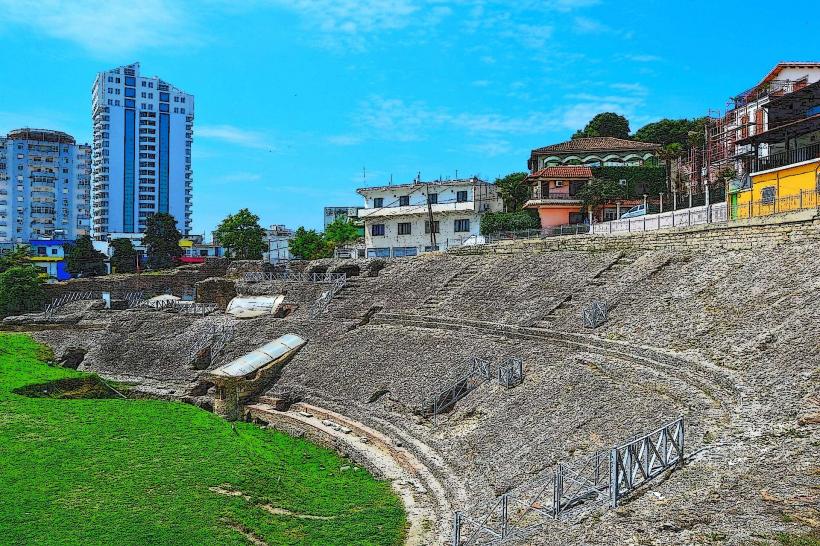
Durrës Amphitheatre: 0.45km Southwest