Information
City: DusseldorfCountry: Germany
Continent: Europe
Dusseldorf, Germany, Europe
Düsseldorf is the capital of the German state of North Rhine-Westphalia and a primary global center for advertising, fashion, and telecommunications. It is situated on the right bank of the Rhine River in the heart of the Rhine-Ruhr metropolitan region.
Visual Characteristics
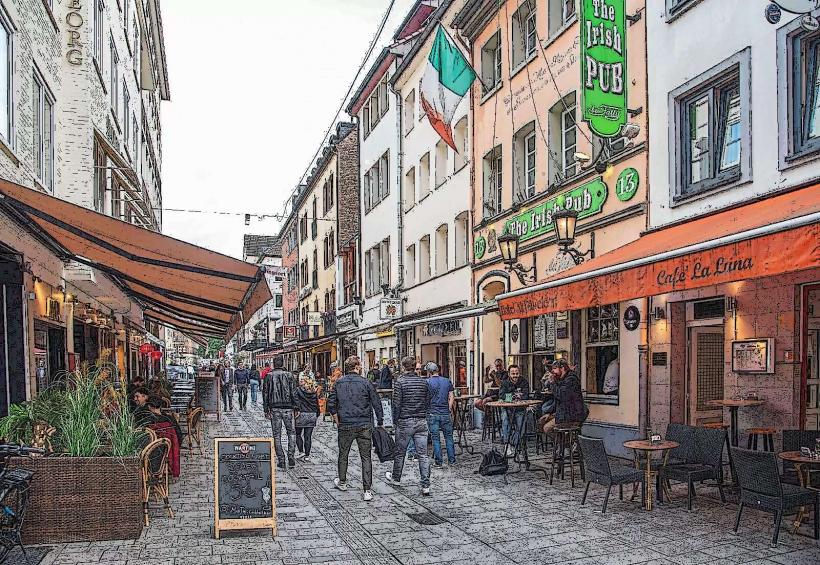
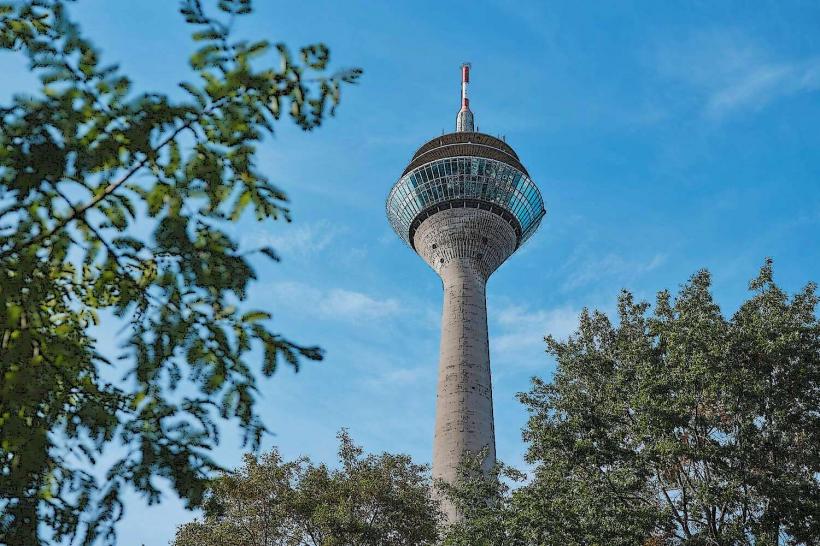
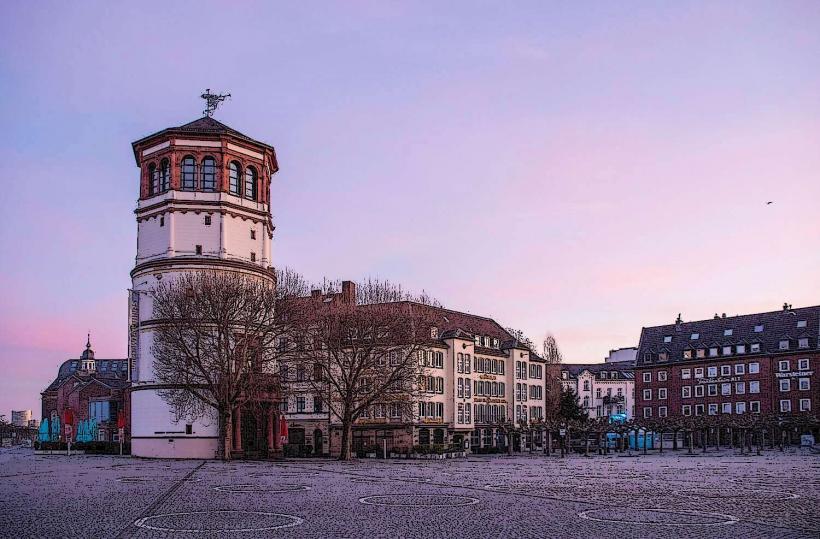
The urban landscape is defined by the contrast between the "Altstadt" (Old Town), known for its high-density traditional brick buildings, and the avant-garde architecture of the MedienHafen. The latter features the Gehry Buildings-three leaning, distorted structures clad in mirror, white plaster, and red brick. The Königsallee (Kö) is a landscaped canal-lined boulevard bordered by high-end retail architecture. The Rheinturm (Rhine Tower) dominates the skyline at 240 meters.
Location & Access Logistics
Düsseldorf is located 40 kilometers north of Cologne. It is served by Düsseldorf Airport (DUS), the third largest in Germany, located 7 kilometers north of the center. Düsseldorf Hauptbahnhof is a major rail hub with high-speed ICE connections to Berlin, Munich, and Amsterdam. The Rheinbahn transit network operates an integrated light rail (Stadtbahn), tram, and bus system. Vehicle access is managed via the A3, A44, and A52 motorways. Public parking is concentrated in large underground facilities at Königsallee and Schadowstraße.
Historical & Ecological Origin
Originally a small settlement on the Düssel stream (which flows into the Rhine), the city was granted town privileges in 1288. It became the residence of the Dukes of Berg in the 14th century. Geologically, it sits on the lower Rhine terrace, a flat alluvial plain. The city was significantly rebuilt post-1945, evolving into a center for the iron and steel industry before pivoting to a service-based economy. It contains extensive green belts, including the Hofgarten, Germany's first public park.
Key Highlights & Activities
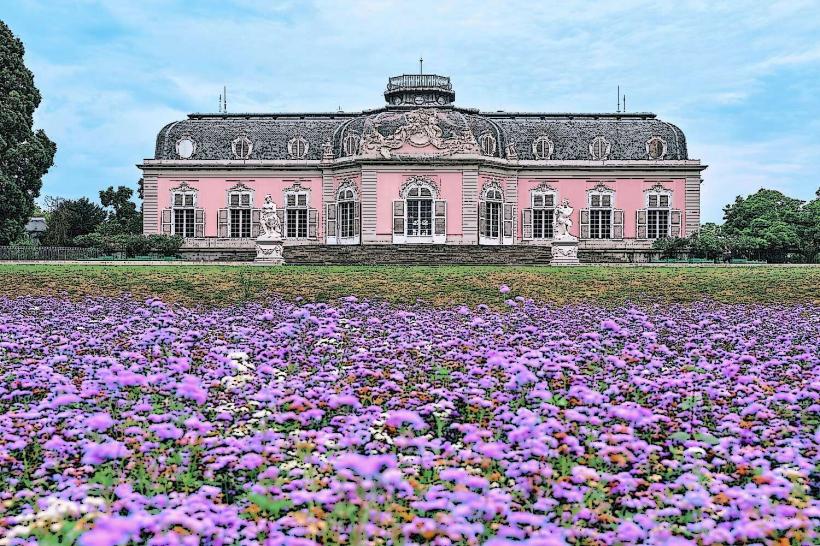
Visitors can traverse the Rheinuferpromenade, a pedestrian walkway connecting the Altstadt to the MedienHafen. The Kunstsammlung Nordrhein-Westfalen (K20 and K21) houses major collections of 20th-century and contemporary art. The "Little Tokyo" district around Immermannstraße is the center of the largest Japanese community in Germany, offering high-density authentic dining and retail. The Schloss Benrath, a late-Baroque palace and park, is located in the southern part of the city.
Infrastructure & Amenities
The city center is equipped with public restrooms near the Marktplatz and within major shopping malls. 5G cellular coverage is universal. The "nextbike" sharing system and various e-scooter providers are integrated into the city’s mobility plan. Drinking water fountains are located in the Hofgarten and along the Rhine. Food services are concentrated in the Altstadt, famously called "the longest bar in the world" due to the density of pubs serving regional Altbier.
Best Time to Visit
May through September offers the most stable climate, with temperatures between 18°C and 24°C. The "Größte Kirmes am Rhein" (Largest Fair on the Rhine) in July attracts millions of visitors, resulting in high pedestrian density. Photography of the Gehry Buildings is optimal in the late afternoon for light reflections. Winter features extensive Christmas markets, particularly centered on the Rathaus and Flinger Straße.
Facts & Legends
Düsseldorf is a global hub for the fashion industry, hosting major trade fairs like CPD. A local historical oddity: the city’s cartwheel tradition (Radschläger) dates back to the Battle of Worringen in 1288, and children still perform it for tourists in the Altstadt. Legend holds that the crooked spire of the St. Lambertus Church was twisted by the devil, though architectural records attribute it to the use of wet oak timber during a 19th-century renovation.
Nearby Landmarks
Altstadt (Old Town): Central hub
Königsallee: 0.5km East of Altstadt
Rheinturm (Rhine Tower): 1.0km Southwest
MedienHafen: 1.5km Southwest
Hofgarten: 0.3km North of center