Information
City: EdmontonCountry: Canada
Continent: North America
Edmonton, Canada, North America
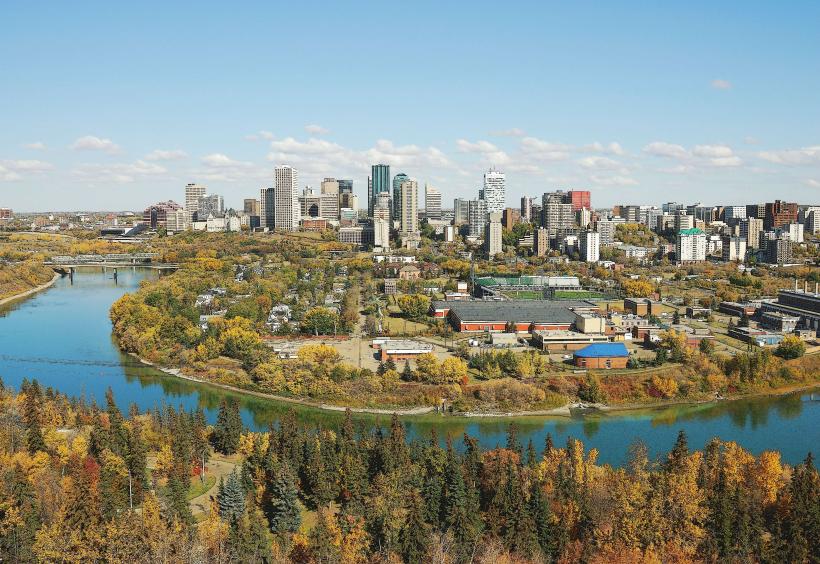
Edmonton is the capital of Alberta and the northernmost North American metropolitan area with a population exceeding one million. Known as "Canada's Festival City," it serves as the primary staging point for large-scale energy and mining projects in northern Alberta and the Northwest Territories. In 2026, the city is defined by its rapid territorial growth and the full integration of its low-floor LRT system.
Historical Timeline
1795: Established as Fort Edmonton, a major fur-trading post for the Hudson's Bay Company.
1947: The Leduc No. 1 oil discovery transformed the city into the "Oil Capital of Canada."
2023–2025: The Valley Line Southeast LRT opened, and the city broke national housing records through aggressive zoning reform.
2026: In January 2026, the city is managing record-breaking snowfall and icy conditions, while the provincial government invests in revitalizing landmarks like the University of Alberta Butterdome.
Demographics & Population
As of early 2026, the Edmonton Metropolitan Area population is approximately 1.75 million.
Growth: Edmonton is currently one of the fastest-growing cities in Canada, largely due to inter-provincial migration from higher-cost regions like Ontario.
Diversity: Over 38% of residents belong to visible minority groups. The city has one of the largest Indigenous populations in Canada and a significant Ukrainian community.
Urban Layout & Key Districts
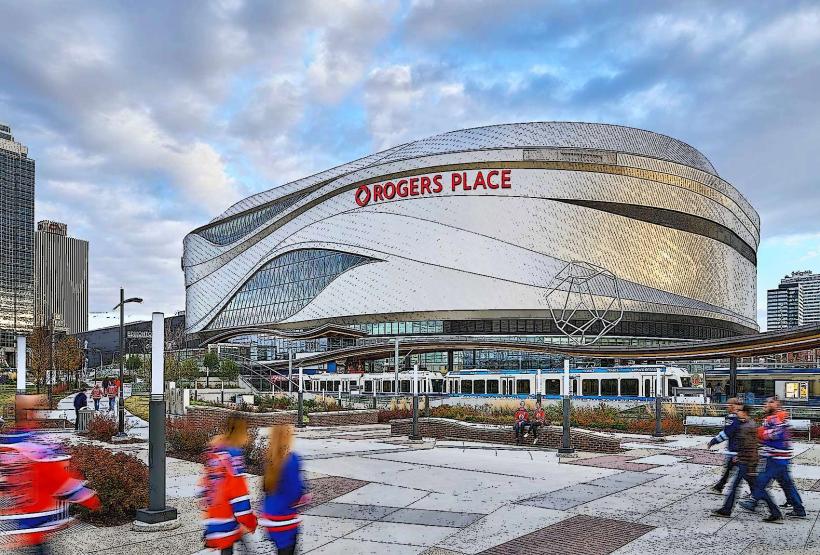
Downtown: The commercial core featuring the Ice District, a multi-billion dollar sports and entertainment complex.
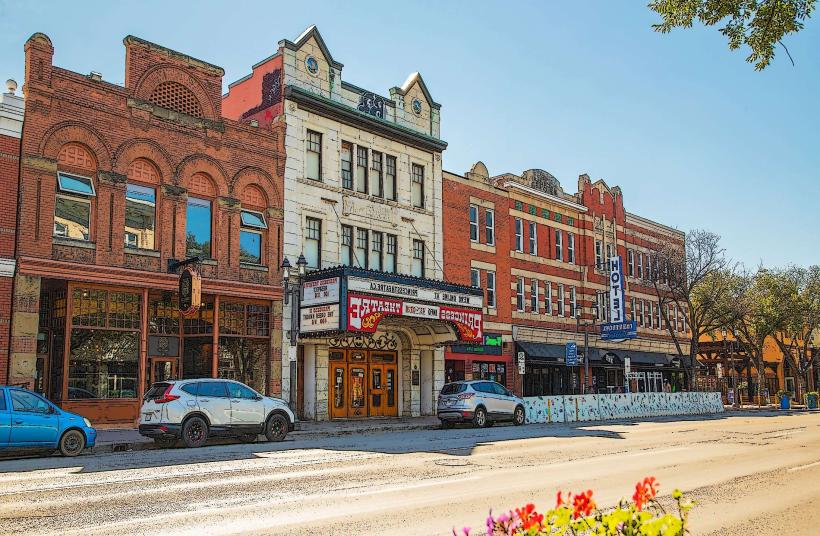
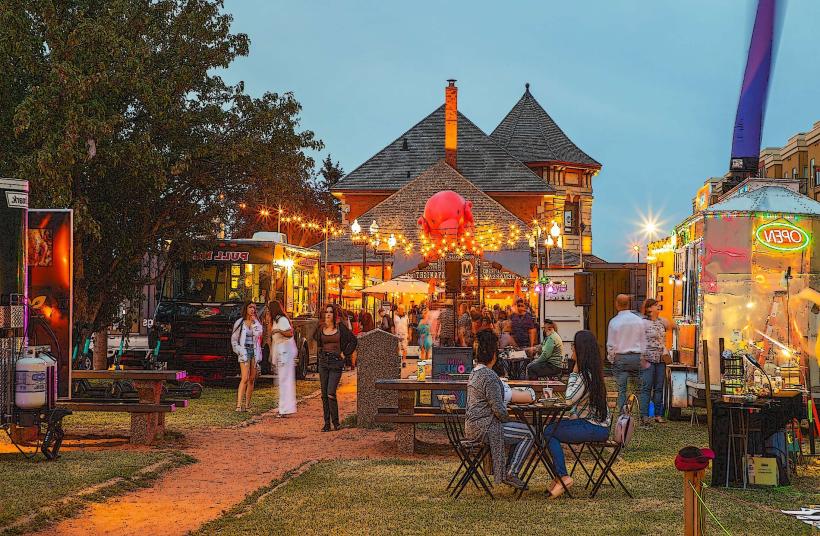
Old Strathcona (Whyte Avenue): The historic and bohemian heart of the city, known for its nightlife, independent theaters, and the Edmonton Fringe Festival.
Oliver: One of the densest residential neighborhoods in Western Canada, currently undergoing significant high-rise development.
Glenora: A prestigious residential area overlooking the river valley, characterized by historic mansions.
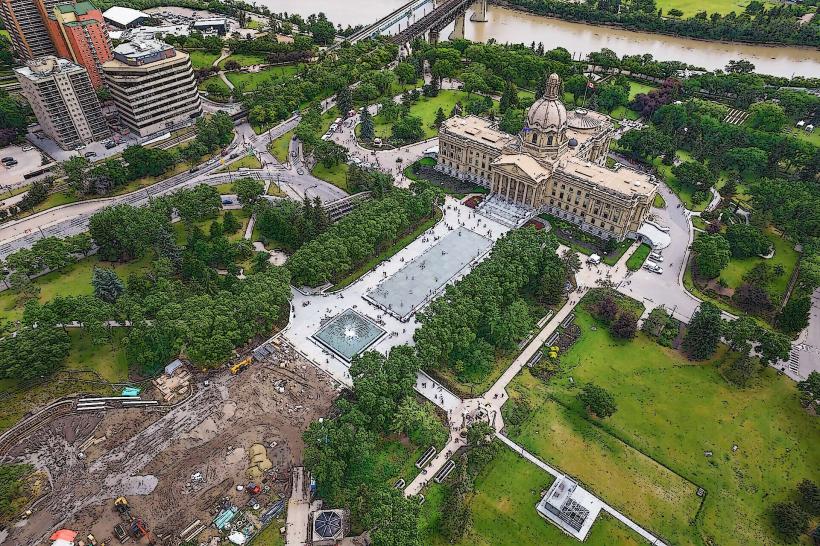
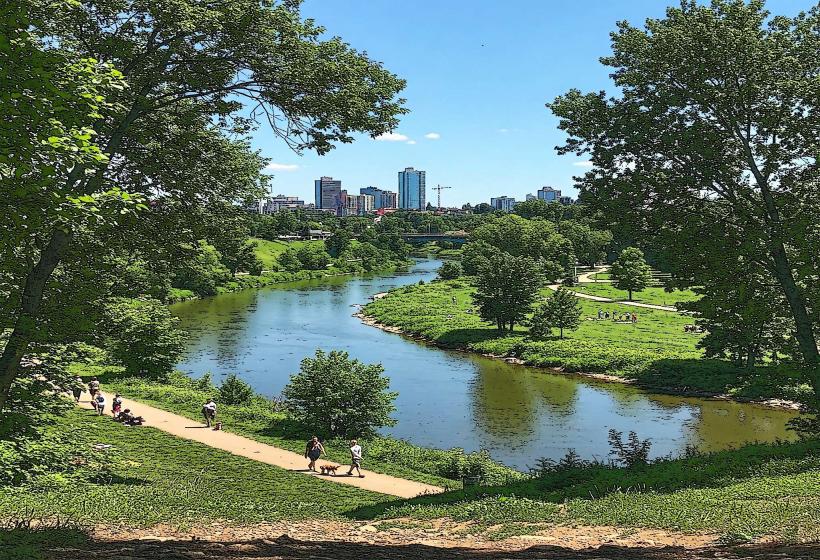
The North Saskatchewan River Valley: The largest stretch of urban parkland in North America, dividing the city north and south with over $160\text{ km}$ of trails.
Top City Landmarks
West Edmonton Mall: Still one of the largest shopping and entertainment complexes in the world, featuring an indoor waterpark, ice rink, and theme park.
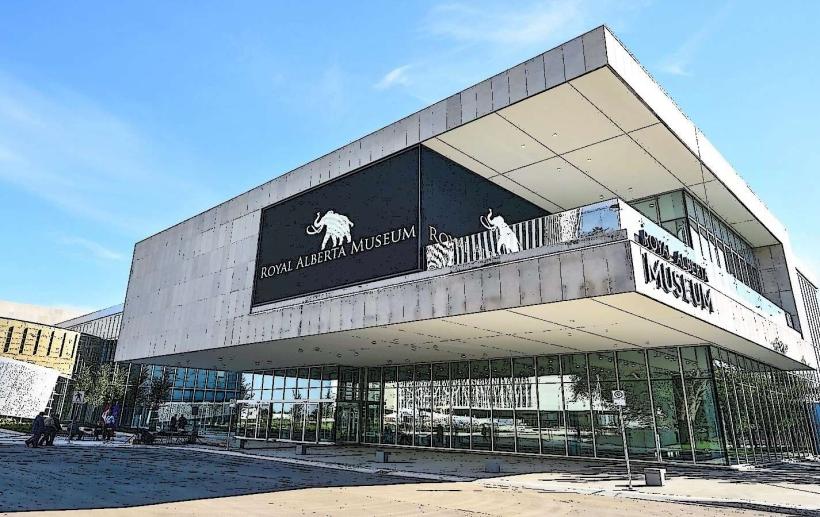
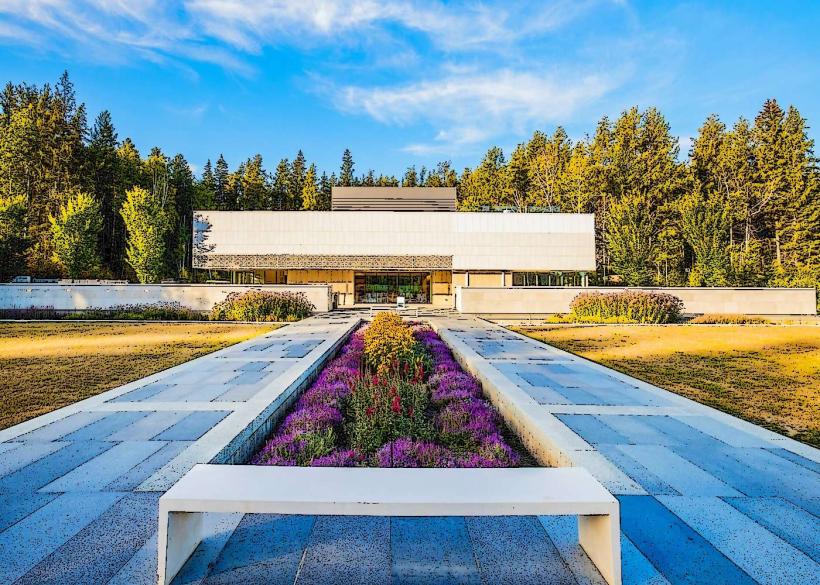
Royal Alberta Museum: The largest museum in Western Canada, documenting the province’s natural and human history.
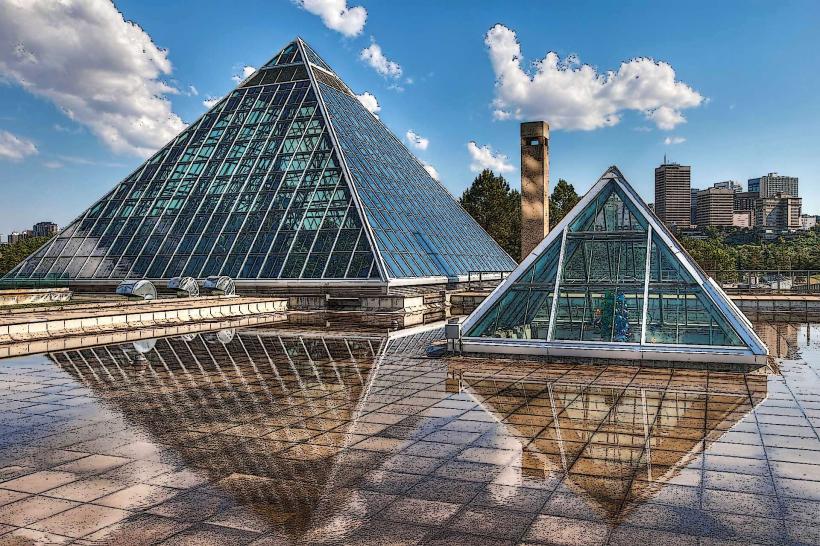
Muttart Conservatory: Iconic glass pyramids housing four distinct botanical biomes.
Rogers Place: An architecturally striking arena home to the Edmonton Oilers (NHL).
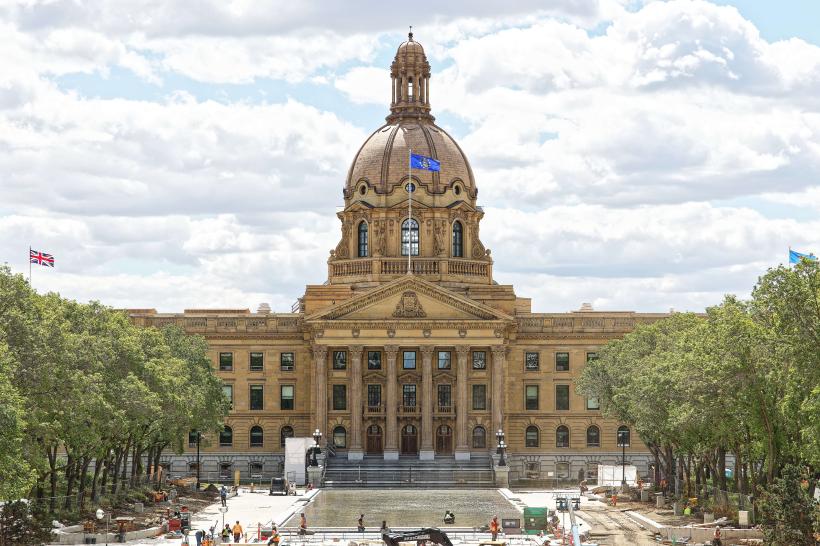
Alberta Legislature Building: A Beaux-Arts masterpiece set in manicured parkland.
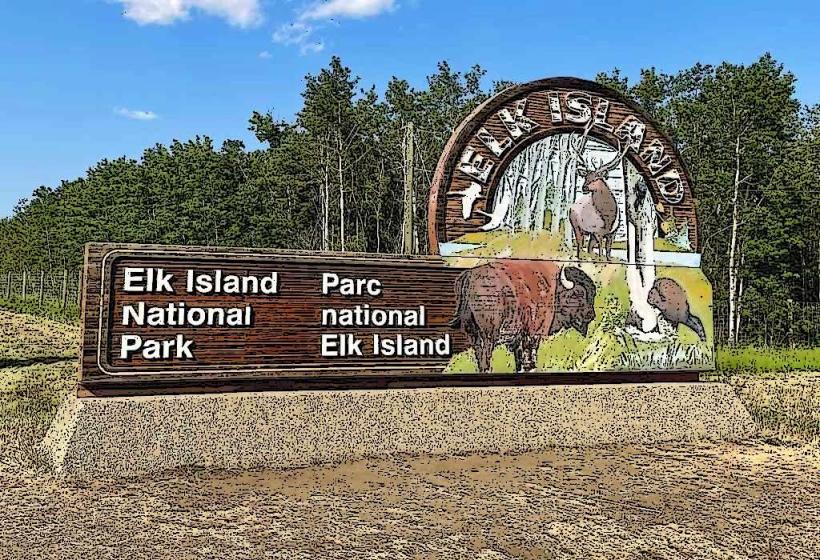
Elk Island National Park: Located 35 minutes east, a vital sanctuary for American bison.
Transportation & Infrastructure
LRT (Light Rail Transit): The Valley Line Southeast is operational. In 2026, the Valley Line West (Downtown to Lewis Farms) is under heavy construction with a focus on track work and signaling, following a major acceleration in 2025.
Transit Fares: As of January 2026, an adult single fare is $3.50 CAD.
Aviation: Edmonton International Airport (YEG) serves as a cargo hub and passenger gateway. In 2026, it is a focal point for Alberta’s growing hydrogen economy testing.
Smart Cities: In 2026, Edmonton has implemented an updated River Valley Strategy, emphasizing Indigenous oversight and improved accessibility for multi-use trails.
Safety & Health
Edmonton is generally safe, though it experiences higher crime rates than some other Canadian metros.
Safety Note: Avoid the Downtown East Side (Chinatown/Boyle Street) and areas around the Transit Centre at night due to high concentrations of homelessness and substance use issues.
Winter Hazards: In January 2026, "black ice" and heavy snow windrows are significant hazards. Emergency crews recorded over 1,000 slip-and-fall events in late 2025 alone.
Health: Served by major facilities like the Royal Alexandra Hospital and the University of Alberta Hospital. In early 2026, the province is transitioning certain midwifery services to Fort Saskatchewan to manage urban acute care capacity.
Digital & Financial Infrastructure
No PST: Like the rest of Alberta, Edmonton has no Provincial Sales Tax, with only a 5% GST on purchases.
Connectivity: 5G is standard throughout the city. Edmonton is a burgeoning hub for AI research through the Alberta Machine Intelligence Institute (Amii).
Economy: Transitioning from traditional oil/gas to a focus on clean hydrogen, biotechnology, and film production. In 2026, it was ranked as a top global city for moviemakers.
Climate & Environment
Climate: Humid continental. Known for extreme winters.
Current Status (Jan 22, 2026): Severe winter. Temperatures range from $-10^{\circ}\text{C}$ to $-22^{\circ}\text{C}$.
Winter Strategy: The city utilizes a "Phase 2 Parking Ban" in January 2026 for residential snow clearing; fines for non-compliance are currently $250 CAD.
Local Cost Index (2026 Estimates)
1 Espresso: $5.00–$6.50 CAD
1 Monthly 1-Bedroom Rent (Downtown): $1,450–$1,750 CAD
1 Mid-range Dinner for Two: $90–$130 CAD
1 Donair (The city's unofficial late-night snack): $10.00–$14.00 CAD
Facts & Legends
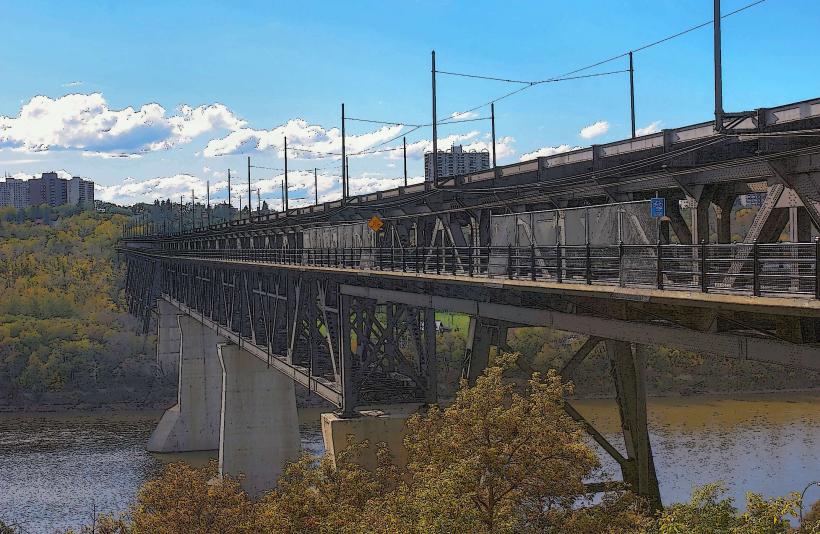
A verified historical oddity is that Edmonton is the only major city in Canada to have abolished its municipal zoning for single-family homes, allowing multiplexes on any residential lot as of 2024. A prominent local legend involves the High Level Bridge; it is claimed that a "phantom train" sometimes appears on the tracks above the river, a relic of the city's early 20th-century rail boom.