Information
City: Escaldes EngordanyCountry: Andorra
Continent: Europe
Escaldes Engordany, Andorra, Europe
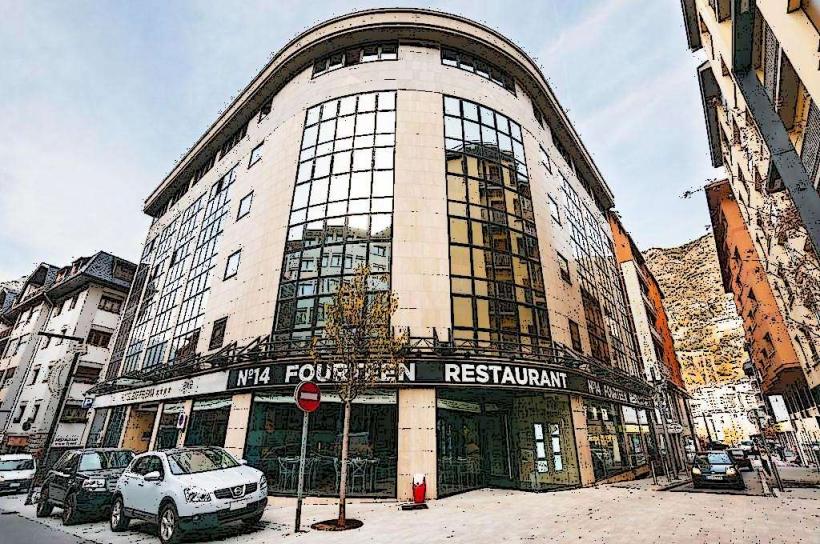
Escaldes-Engordany serves as the second-most populous parish in Andorra. It functions as the nation’s wellness and thermal hub, characterized by its geographic integration with Andorra la Vella and its concentration of high-rise modern architecture and luxury retail.
Historical Timeline
Formed as an independent parish in 1978 (the youngest in Andorra) after separating from Andorra la Vella. The district’s history is defined by its sulfurous thermal waters, which were used for the local wool industry in the Middle Ages and later transformed the area into a premier European spa destination in the 20th century.
Demographics & Population
The population is approximately 15,500 (2026 estimate). The demographic is highly international, with a significant percentage of Spanish and Portuguese residents working in the luxury hospitality and banking sectors.
Urban Layout & Key Districts
The parish is located at the confluence of the Valira d'Orient and Valira del Nord rivers.
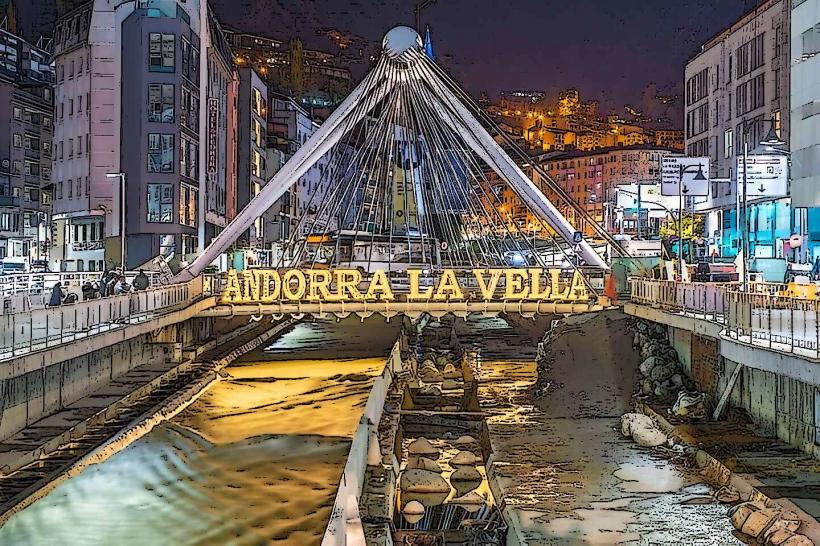
The Commercial Axis: The continuation of Avinguda Meritxell (becoming Avinguda Carlemany), a pedestrianized duty-free shopping district.
Caldea District: The modern center dominated by the thermal complex and high-end hotels.
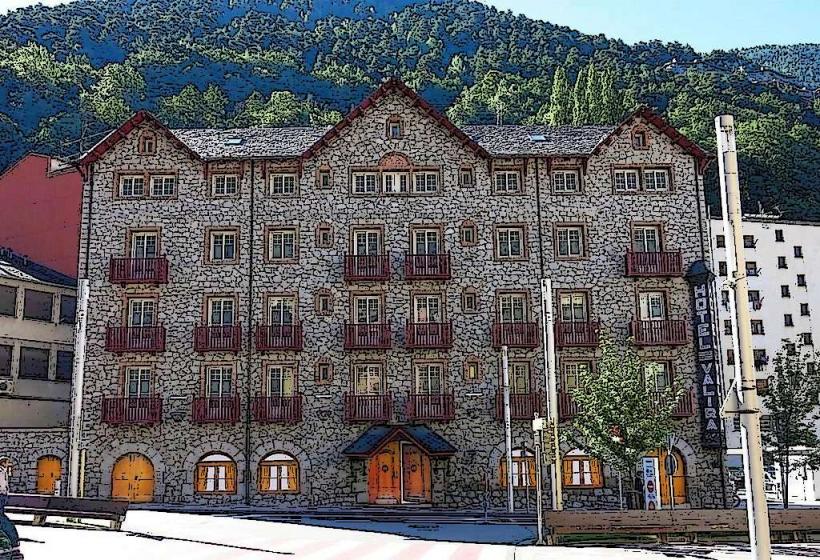
Engordany: The upper, more traditional residential area featuring historic stone architecture.
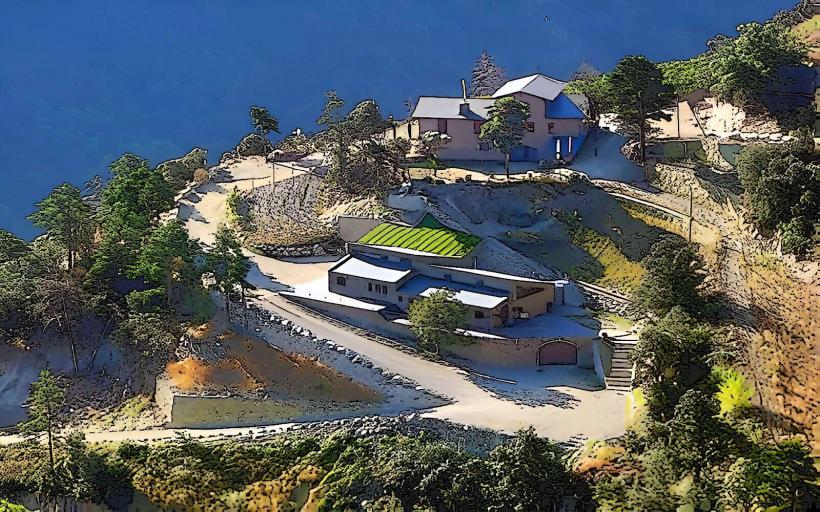
Els Vilars: An upscale residential hillside district offering panoramic views of the valley.
Top City Landmarks
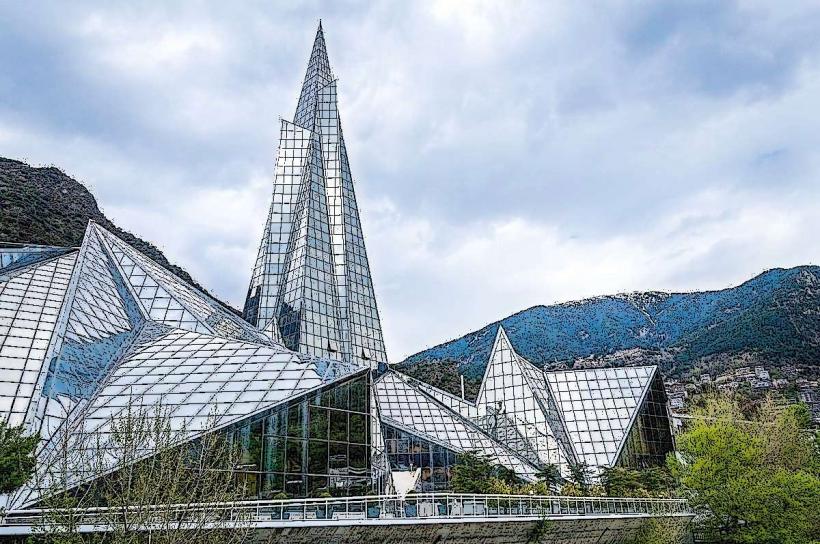
Caldea / Inúu: The iconic 80-meter glass pyramid; Europe's largest thermal spa, utilizing natural springs reaching 70°C.
Thyssen Museum (Museu Carmen Thyssen Andorra): A world-class gallery hosting temporary exhibitions of 19th and 20th-century masterpieces.
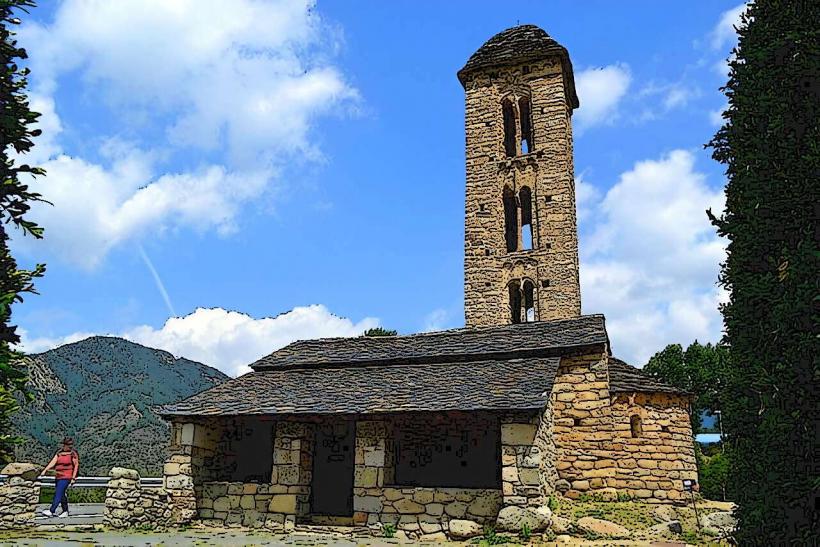
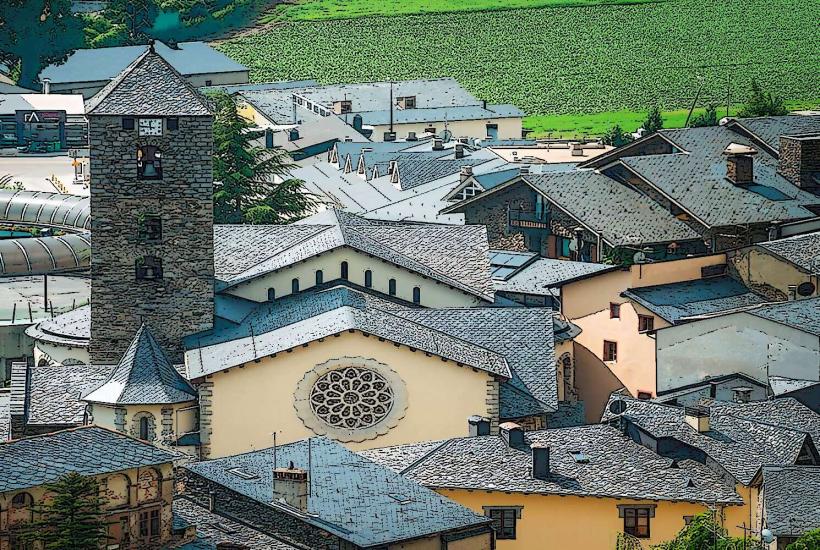
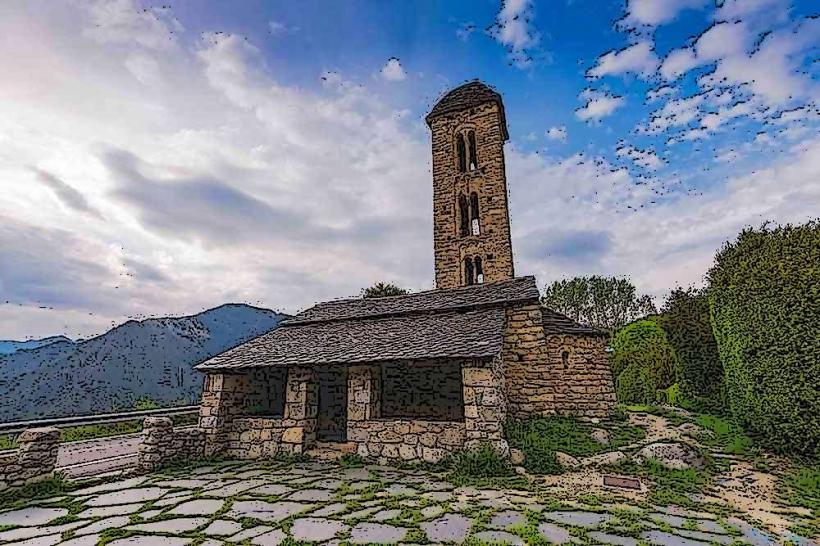
Sant Pere Màrtir Church: An 11th-century Romanesque-style church (rebuilt in the 20th century) featuring granite construction.
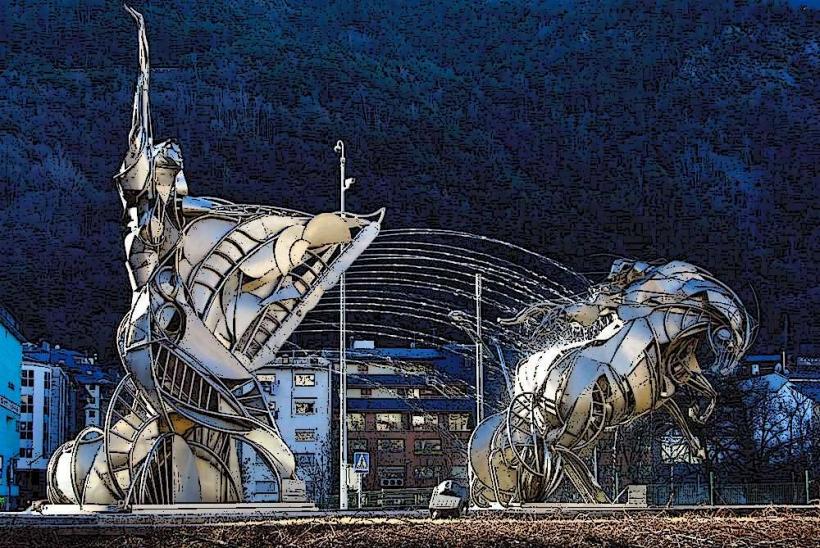
The CAEE (Art Centre of Escaldes-Engordany): A museum housing a collection of Viladomat sculptures and models of Romanesque art.
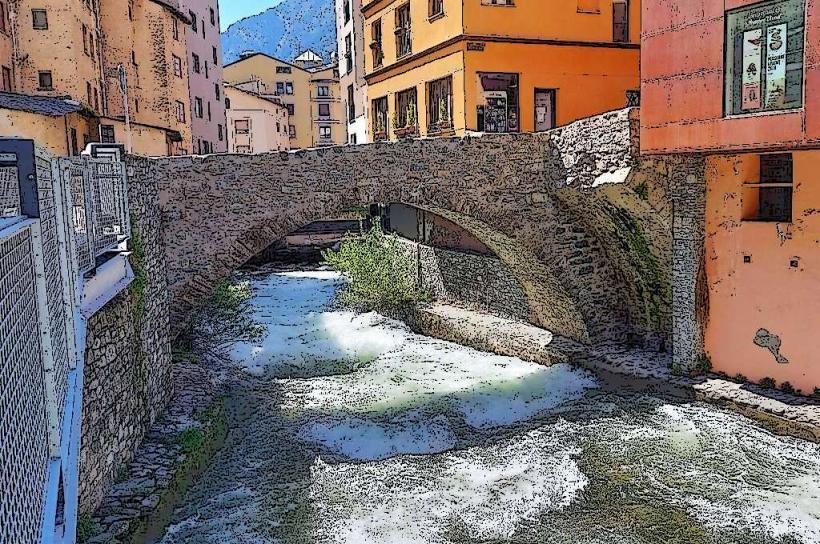
The Engordany Bridge: A medieval stone arch bridge spanning the river.
The Vertical Tower: A 20-story skyscraper (one of Andorra's tallest) representing the parish's modern urban shift.
Transportation Network
Movement is managed by the national bus network (L1-L6). It is essentially a twin-city with Andorra la Vella; the two are walkable and often indistinguishable to visitors. Access is via the CG-1 and CG-2 highways. No rail or air infrastructure exists within the parish.
Safety & "Red Zones"
The safety level is extreme. Crime is nearly non-existent. There are no "no-go zones."
Digital & Financial Infrastructure
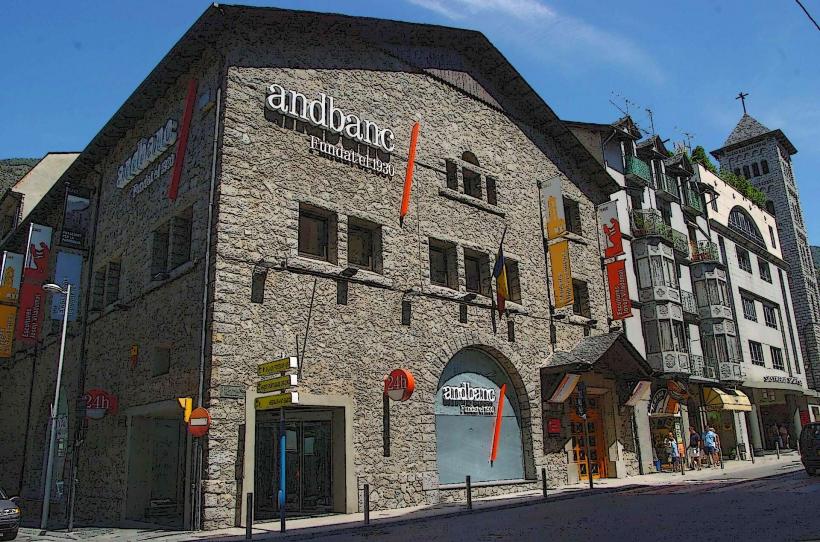
Average internet speed is 500–1000 Mbps via national fiber. The parish is a secondary financial hub for private banking. It is entirely cashless. Cards and mobile payments are the standard.
Climate & Air Quality
Temperatures range from -2°C in winter to 24°C in summer. The parish is slightly more protected from winds than higher mountain villages. Air quality is pristine.
Culture & Social Norms
The official language is Catalan. The culture is defined by thermalism and high-end retail tourism. Social life revolves around the "Vivand" pedestrian zone and the wellness centers.
Accommodation Zones
Stay near Avinguda Carlemany for shopping and nightlife.
Stay near Caldea for immediate access to thermal treatments and luxury hotels.
Local Cost Index
1 Espresso: 1.50 – 2.50 €
1 Standard Lunch: 12.00 – 18.00 €
1 Pint of Beer: 5.00 – 8.00 €
1 Caldea Entry: 40.00 – 65.00 €
Nearby Day Trips
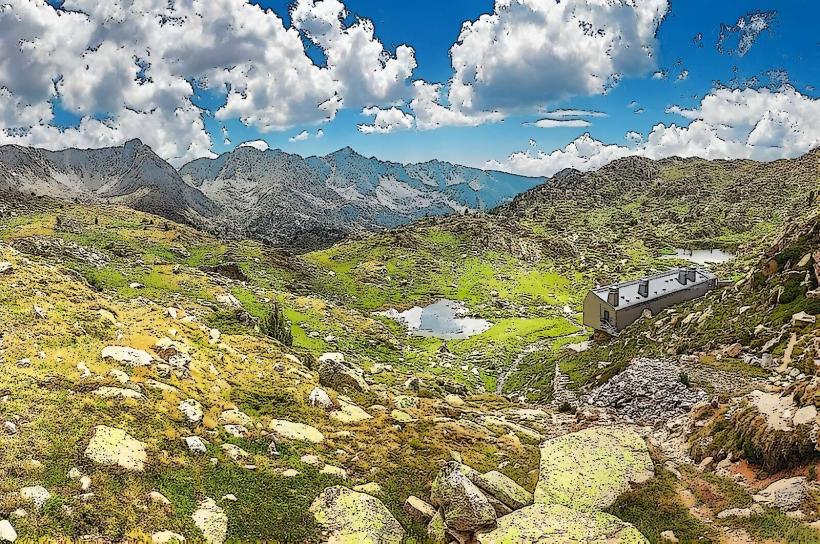
Madriu-Perafita-Claror Valley: A UNESCO World Heritage site (accessible directly via hiking trails from the parish).
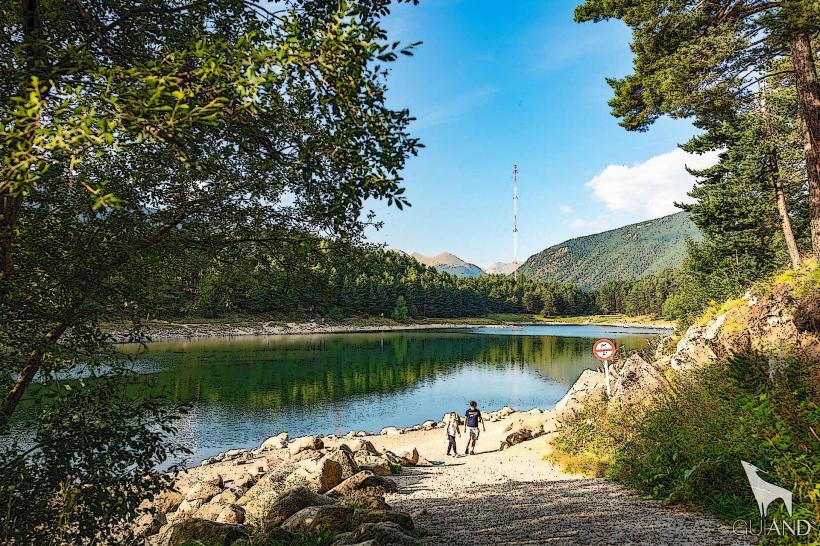
Lake Engolasters: 10 km east; a high-altitude lake popular for easy hiking and mountain biking.
Grandvalira Encamp Access: 10 mins; the closest gondola link to the primary ski domain.
Facts & Legends
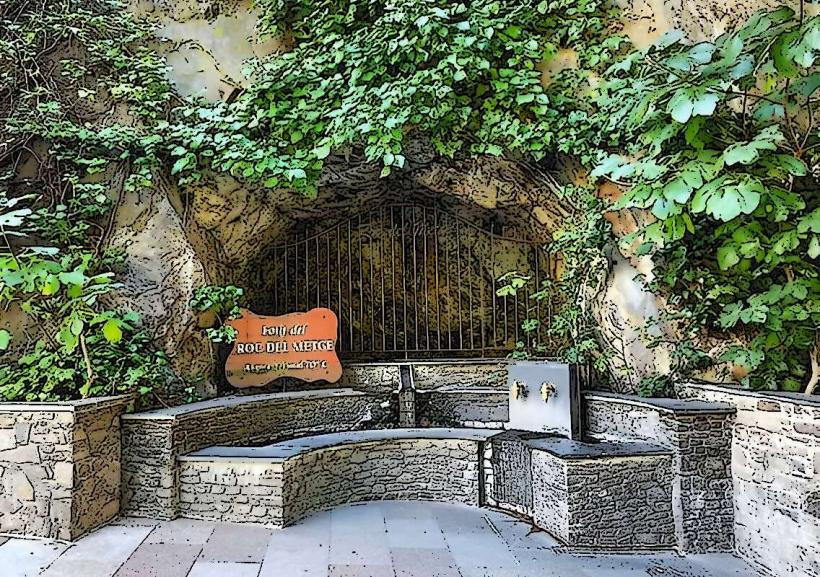
Local tradition holds that the thermal waters were a gift from the mountains to heal the inhabitants. A verified historical fact is that the water in Escaldes-Engordany contains some of the highest concentrations of sulfur and sodium in the Pyrenees, emerging naturally at a temperature of 70°C.