Information
City: FayettevilleCountry: USA North Carolina
Continent: North America
Fayetteville, USA North Carolina, North America
Fayetteville serves as the county seat of Cumberland County and is the primary hub of the Sandhills region. It is situated on the Cape Fear River, approximately 100 km south of Raleigh. The city’s identity is inextricably linked to Fort Liberty (formerly Fort Bragg), one of the largest military installations in the world.
Historical Timeline
Founded in 1783 by the merger of two settlements (Campbellton and Cross Creek), it was named for the Marquis de Lafayette. Primary governance eras include its role as a key 19th-century river trade port, its status as the site of the 1789 North Carolina convention that ratified the U.S. Constitution, and its 20th-century evolution into a "garrison city." A critical historical event was the 1918 establishment of Camp Bragg, which transformed the agrarian economy into a massive military-industrial center.
Demographics & Population
The population within city limits is approximately 209,000, with a metropolitan area exceeding 520,000. The demographics are Black or African American (42%), White (37%), and Hispanic or Latino (12%). The median age is 30.7 years, reflecting the significant military presence.
Urban Layout & Key Districts
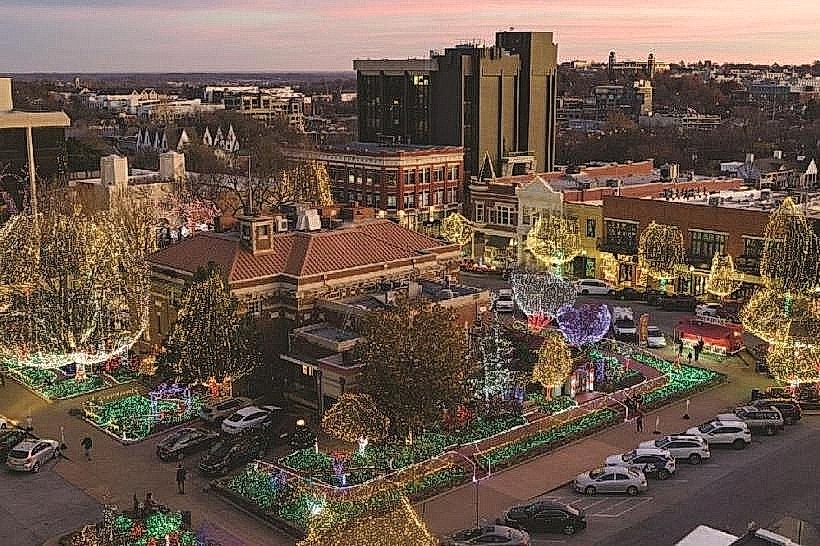
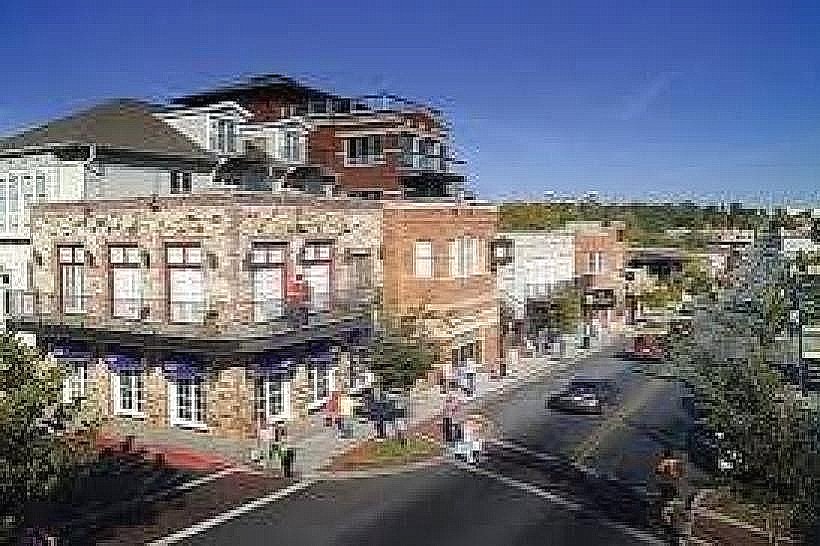
The city is organized on a radial system centered on the historic Market House. Downtown is the revitalized center for government, local dining, and the Segra Stadium area. The Murchison Road Corridor connects downtown to Fayetteville State University. Skibo Road serves as the high-density commercial and retail "strip." Haymount is a preserved historic residential district on a high ridge overlooking the city.
Top City Landmarks
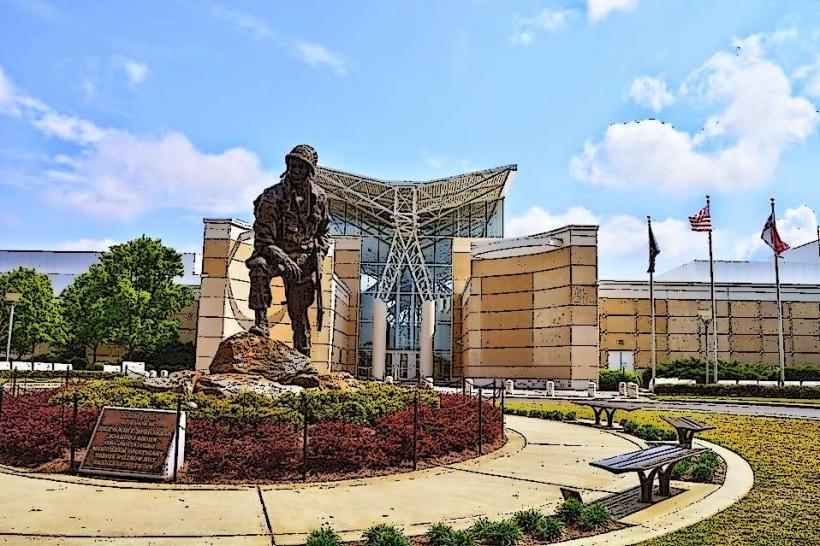
Airborne & Special Operations Museum
Museum of the Cape Fear Historical Complex
Market House (Historic center)
Segra Stadium (Home of the Woodpeckers)
Transportation Network
Movement is serviced by the Fayetteville Area System of Transit (FAST). The city is a major node on I-95 and is connected to the Research Triangle via I-295 (Fayetteville Outer Loop). Fayetteville Regional Airport (FAY) provides domestic connections. Ride-sharing via Uber and Lyft is highly active. Traffic density is high, particularly on the All American Freeway and Skibo Road during peak military shift changes.
Safety & "Red Zones"
The general safety level is moderate. Caution is advised at night in specific areas of Murchison Road, Bragg Boulevard, and the Bonnibelle/Massey Hill neighborhoods, which experience higher rates of property and violent crime. Common scams involve predatory vehicle financing and "military-themed" solicitor fraud targeting young service members.
Digital & Financial Infrastructure
Internet speeds average 250 Mbps with fiber-optic availability via Spectrum and Metronet. Main mobile carriers are Verizon, AT&T, and T-Mobile. Card acceptance is universal. ATMs are ubiquitous, with a heavy concentration of Navy Federal and Fort Liberty Federal Credit Union branches.
Climate & Air Quality
Temperatures range from 1°C to 12°C in winter and 22°C to 33°C in summer. Air quality is generally high. Specific weather risks include high humidity and occasional flooding of the Cape Fear River during hurricane season.
Culture & Social Norms
The standard tipping percentage is 18–25%. A handshake is the standard greeting. Dress codes are casual or "Tactical-Casual," influenced by the military population. Smoking is prohibited in all public indoor spaces. The city has a deep patriotic culture and is often referred to as "America’s First Sanctuary City for the Military."
Accommodation Zones
Downtown: Recommended for walking access to museums, the baseball stadium, and local bars.
Skibo Road / Cross Creek: Recommended for national hotel chains, extensive dining, and proximity to the regional mall.
Local Cost Index
1 Espresso: $4.25 (USD)
1 Standard Lunch: $15.00 (USD)
1 FAST Bus Fare: $1.25 (USD)
Nearby Day Trips
Fort Liberty (Adjacent)
Carvers Creek State Park (20 km)
Southern Pines / Pinehurst (60 km)
Wilmington / Beaches (145 km)
Facts & Legends
Fayetteville was the first city in the U.S. named after the Marquis de Lafayette and the only one he actually visited (in 1825). Historically, the city was the site where Babe Ruth hit his first professional home run in 1914. A local legend involves the "Market House Ghost," where residents have reported unexplained footsteps and lights in the upper floors of the 1832 structure, often attributed to the city's complex 19th-century history.