Information
City: FlagstaffCountry: USA Arizona
Continent: North America
Flagstaff, USA Arizona, North America
Flagstaff is an independent city in Coconino County, situated at the base of the San Francisco Peaks. It is the regional hub for Northern Arizona, characterized by its high-altitude ponderosa pine forest, its status as the first International Dark Sky City, and its role as the home of Northern Arizona University (NAU).
Historical Timeline
Inhabited by the Hopi, Navajo, Havasupai, and Yavapai peoples for millennia. Primary governance eras include its 1876 establishment by settlers (naming it after a pine-tree flagstaff built to celebrate the U.S. Centennial) and its 1894 incorporation. A critical historical event was the 1894 founding of Lowell Observatory, which led to the 1930 discovery of Pluto. The mid-20th century was defined by the growth of Route 66, making Flagstaff a critical stop for cross-country travelers.
Demographics & Population
The population is approximately 77,000. The demographics are White (64%), Hispanic or Latino (20%), Native American (7%), and Asian (2%). It is a highly educated mountain town with a significant seasonal student population and a strong scientific community linked to the U.S. Geological Survey (USGS) and the Naval Observatory.
Urban Layout & Key Districts
The city sits at an elevation of 2,106 m (6,909 ft) and is surrounded by the largest contiguous ponderosa pine forest in the world.
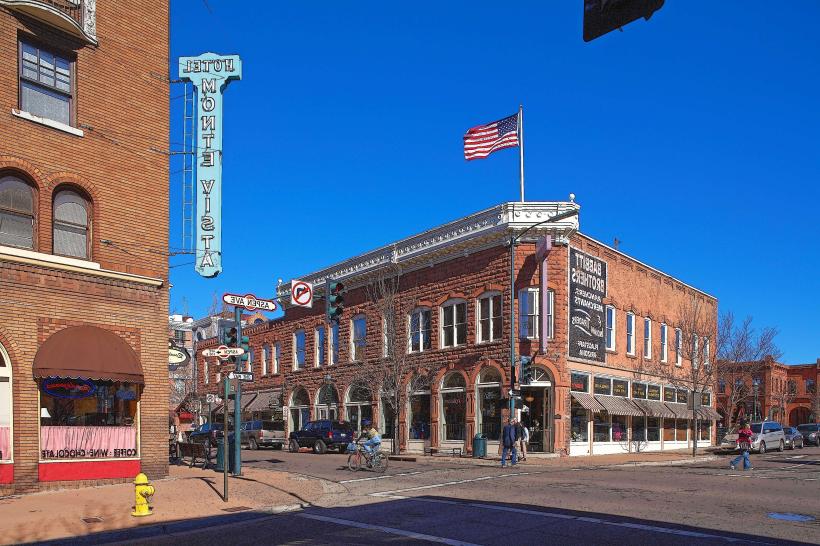
Downtown: The historic core situated along the BNSF railway and Route 66, featuring 19th-century red-brick architecture and a high density of outdoor retailers and breweries.
Southside: A historic district south of the tracks, known for its eclectic student-oriented dining and the NAU campus interface.
Cheshire / Baderville: Affluent residential areas in the northwest, providing immediate access to the peaks.
East Flagstaff: The primary commercial and industrial hub, housing major retail centers and the Flagstaff Mall.
Top City Landmarks
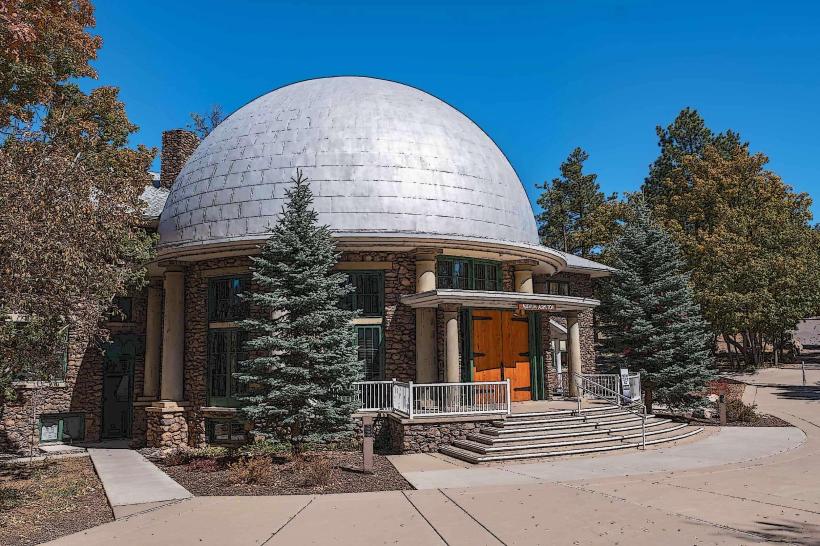
Lowell Observatory: The site where Pluto was discovered and where Apollo astronauts studied the lunar surface.
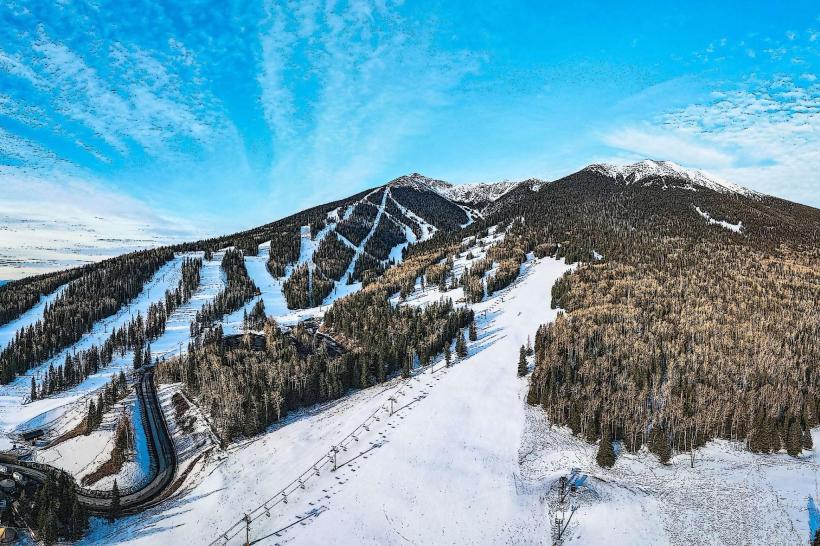
Arizona Snowbowl: A premier alpine ski resort located on the western slope of Mount Humphreys.
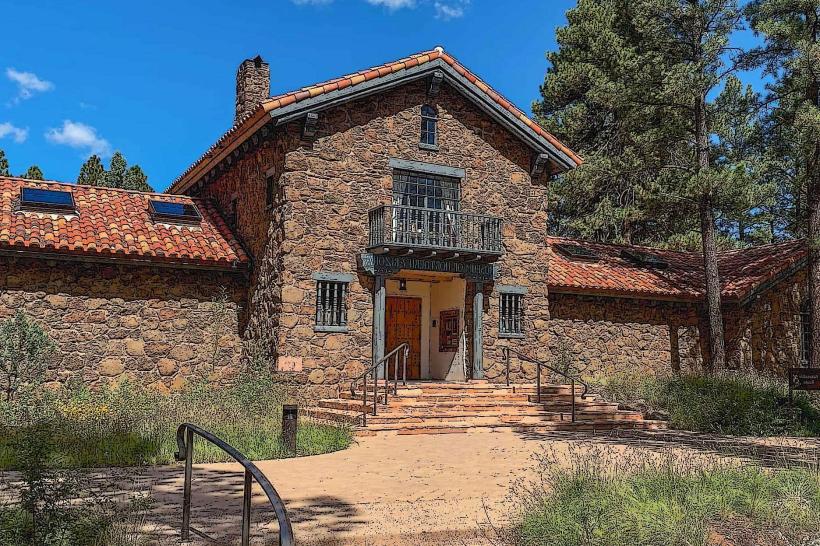
Museum of Northern Arizona: Detailing the biological, anthropological, and artistic history of the Colorado Plateau.
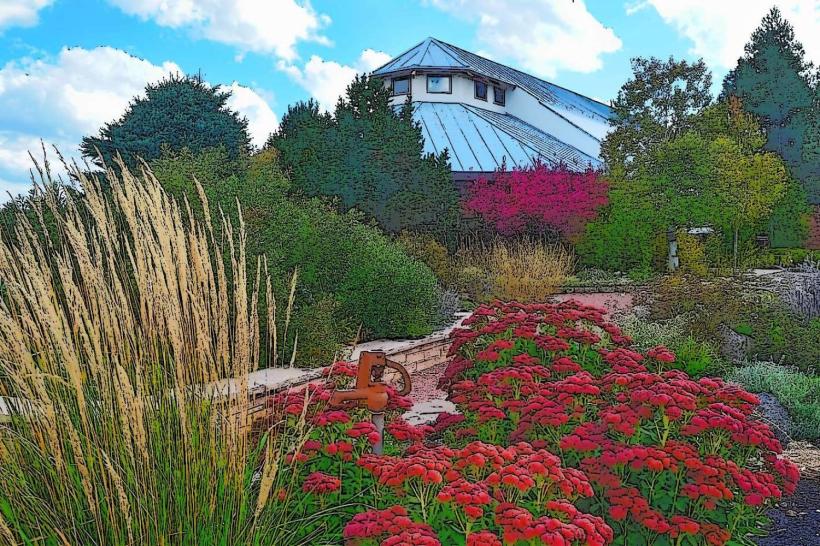
The Arboretum at Flagstaff: A 200-acre site showcasing 750 species of high-altitude native plants.
Riordan Mansion State Historic Park: A preserved 1904 Arts and Crafts-style mansion built for two prominent lumber families.
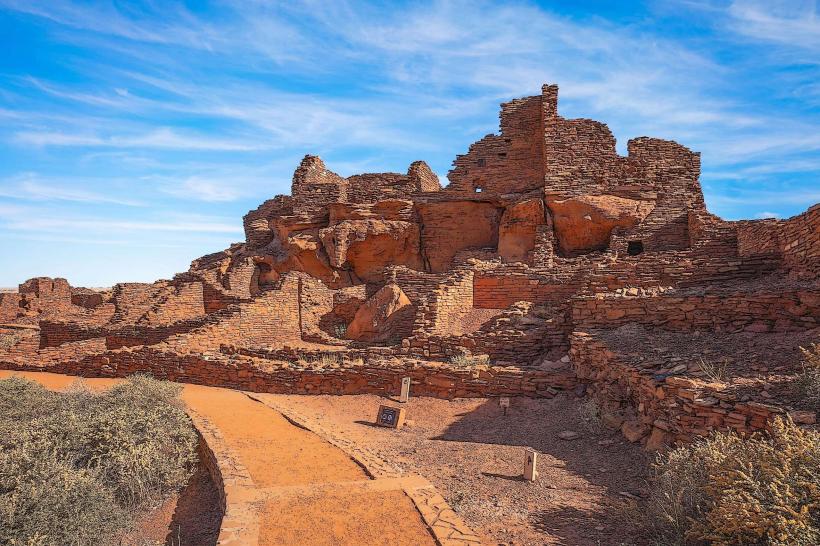
Walnut Canyon National Monument: Located 16 km east, featuring ancient Sinagua cliff dwellings.
Transportation Network
Movement is serviced by Mountain Line (bus transit). The city is the junction of I-40 and I-17, and sits on the historic Route 66. Commercial air service is provided by Flagstaff Pulliam Airport (FLG). The city is a major stop for the Amtrak (Southwest Chief). Ride-sharing is universal. Traffic density is moderate but peaks heavily during winter snow events and "Fall Colors" season.
Safety & "Red Zones"
The general safety level is high. Property crime, specifically "bicycle theft" and vehicle prowls near trailheads, is the primary issue. Caution is advised at night in parts of the Sunnyside neighborhood and near the Fourth Street corridor. The city center is generally safe. Common scams involve fraudulent "seasonal ski housing" listings.
Digital & Financial Infrastructure
Internet speeds average 400 Mbps with fiber availability via CenturyLink (Lumen) and Suddenlink (Optimum). Main mobile carriers are Verizon, AT&T, and T-Mobile. Card acceptance is universal. ATMs are ubiquitous in the Downtown and Southside districts.
Climate & Air Quality
Temperatures range from -10°C to 6°C in winter and 10°C to 27°C in summer. Characterized by a high-altitude alpine climate with over 100 inches of annual snowfall. Air quality is exceptionally high, though vulnerable to seasonal wildfire smoke and controlled burns in the spring and fall.
Culture & Social Norms
The standard tipping percentage is 18–25%. A handshake is the standard greeting. Dress codes are "Mountain-Technical" (Flannel and outdoor gear are acceptable in professional settings). The city is culturally defined by its "Dark Sky" regulations (no bright streetlights), its deep-seated craft beer culture, and its identity as an elite high-altitude training site for Olympic athletes.
Accommodation Zones
Downtown: Recommended for historic hotels and walkable access to nightlife.
Butler Ave / I-40: Recommended for national hotel chains and transit convenience.
Local Cost Index
1 Espresso: $5.00 (USD)
1 Standard Lunch: $18.00 (USD)
1 Mountain Line Fare: $1.25 (Single).
Nearby Day Trips
Grand Canyon National Park: (130 km north).
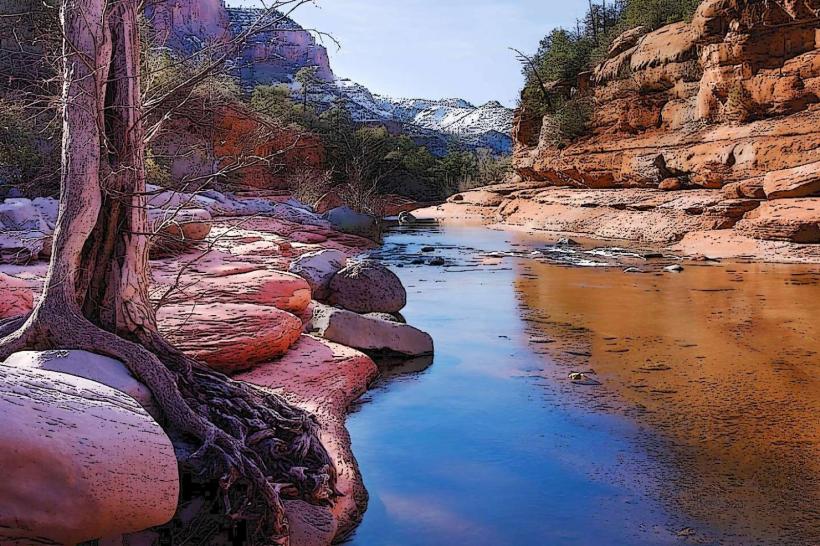
Sedona: (45 km south via the scenic Oak Creek Canyon).
Meteor Crater: (60 km east).
Facts & Legends
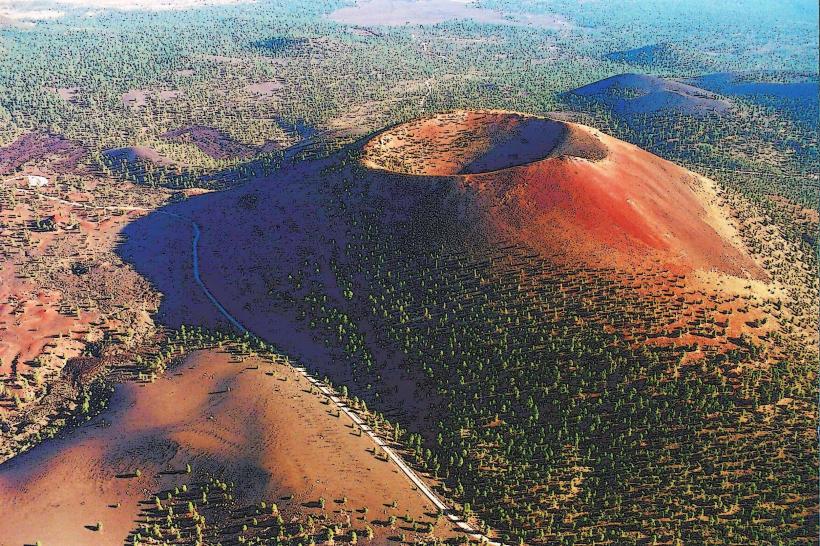
Flagstaff was the first city in the world to be designated an International Dark Sky City (2001). Historically, every astronaut who walked on the moon trained in Flagstaff and its surrounding volcanic fields. A local legend involves the "Whispering Wind of the Peaks," a rumored phenomenon where the topography of the San Francisco Peaks creates voices in the pines. Another legend concerns the "Phantom of the Weatherford Hotel," a spectral bride rumored to haunt the ballroom.