Information
City: Fort SmithCountry: USA Arkansas
Continent: North America
Fort Smith, USA Arkansas, North America
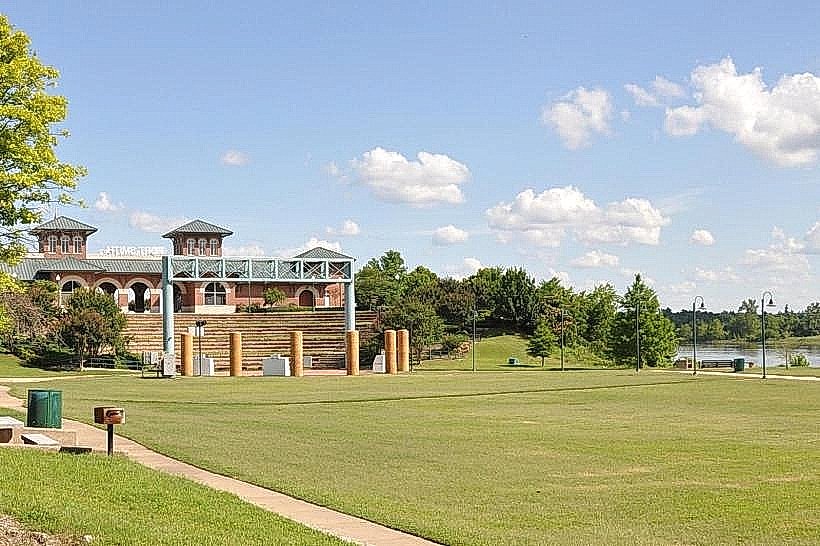
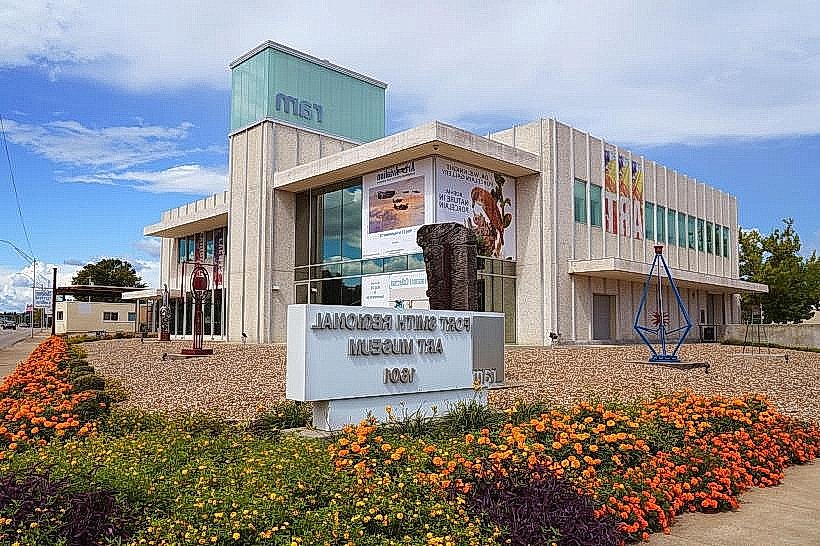
Fort Smith is the third-most populous city in Arkansas and serves as one of the two county seats for Sebastian County. It is situated on the Arkansas–Oklahoma border at the confluence of the Arkansas and Poteau Rivers, functioning as a major regional manufacturing and healthcare hub.
Historical Timeline
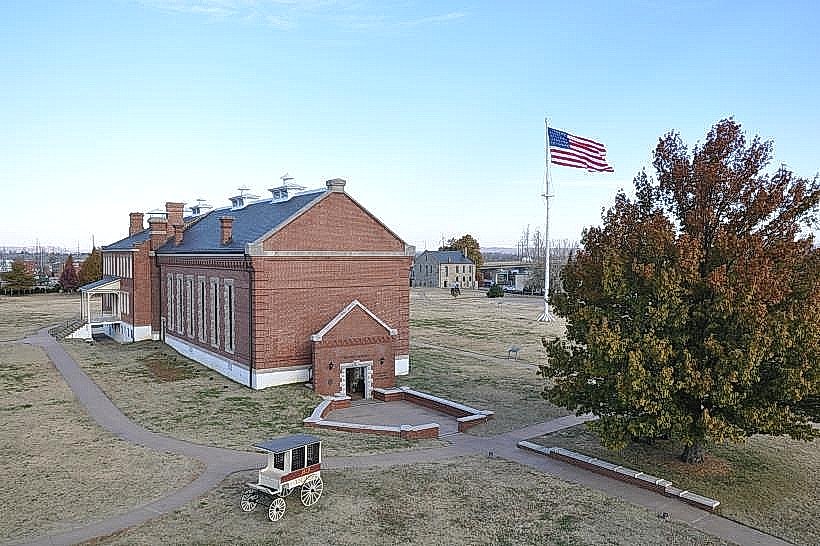
The city originated as a frontier military post established in 1817 to maintain peace between the Osage and Cherokee nations. It was named after General Thomas Adams Smith. The post was abandoned in 1824, re-established in 1838, and finally closed in 1871. The most significant historical shift occurred in 1872 when the Federal Court for the Western District of Arkansas moved into the former barracks, bringing the jurisdiction of "Hanging Judge" Isaac Parker. The primary event shaping the modern urban form was the mid-20th-century development of Fort Chaffee and the subsequent "Unexpected" urban art project (started in 2015), which revitalized the downtown core with large-scale murals.
Demographics & Population
The 2026 projected population is 90,507. The top three demographics are White (58.4%), Hispanic or Latino (20%), and Black or African American (7.7%). The city also has a notable Asian community (5.7%), largely stemming from the resettlement of Vietnamese and Hmong refugees at Fort Chaffee in the 1970s. The median age is 36.6 years.
Urban Layout & Key Districts
Downtown (West): Overlooks the Arkansas River; contains the National Historic Site, major museums, and Garrison Avenue (the primary commercial artery).
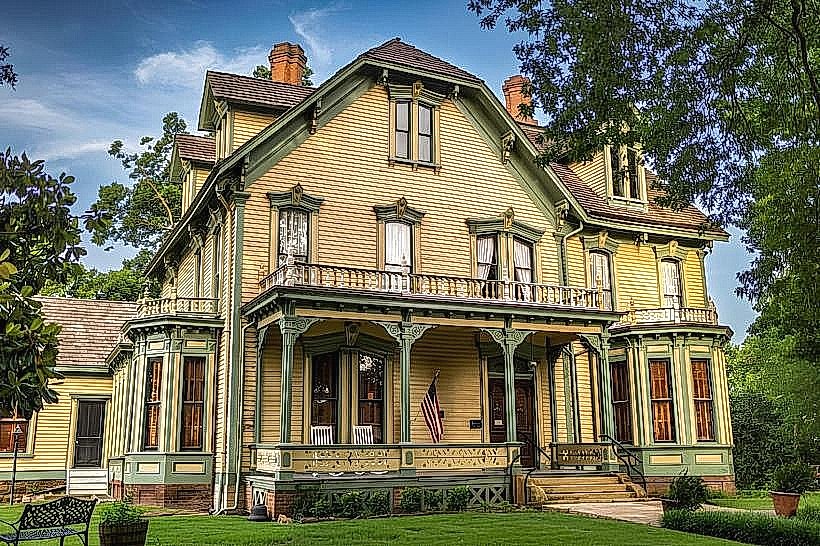
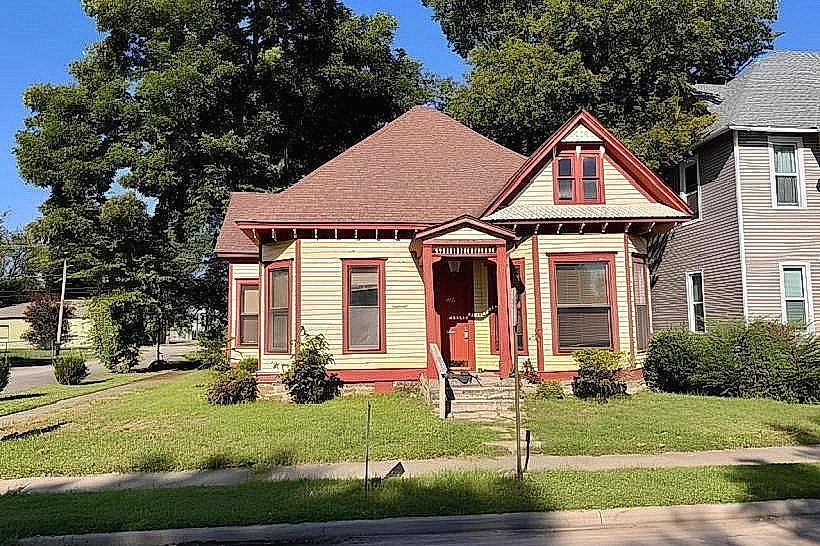
Belle Grove Historic District (North of Downtown): A 22-block area featuring restored 19th-century Victorian, Gothic Revival, and Queen Anne architecture.
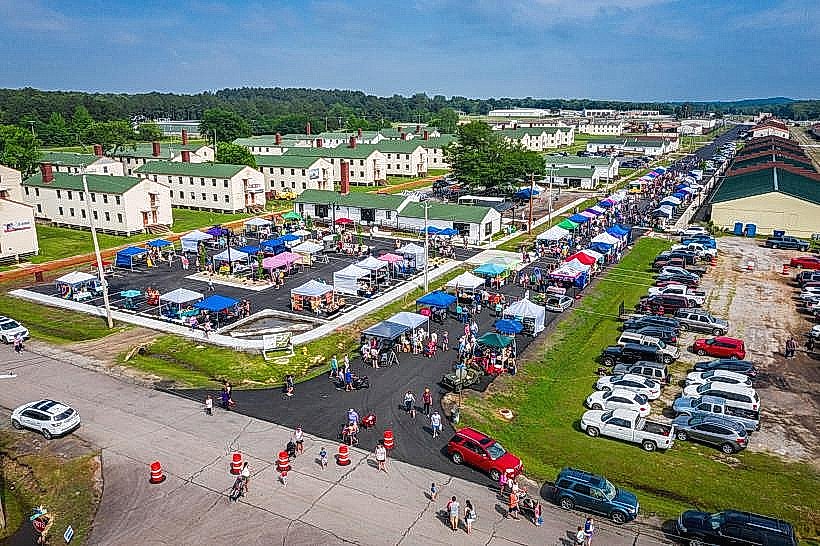
Chaffee Crossing (East): A 7,000-acre redevelopment zone on former military land, now a hub for smart-growth residential neighborhoods and industry.
Garrison Avenue Entertainment District: A designated zone allowing public consumption of alcohol in branded cups between 10:00 AM and 2:00 AM.
Top City Landmarks
Fort Smith National Historic Site: Featuring the "Hell on the Border" jail and the reconstructed gallows of Judge Parker.
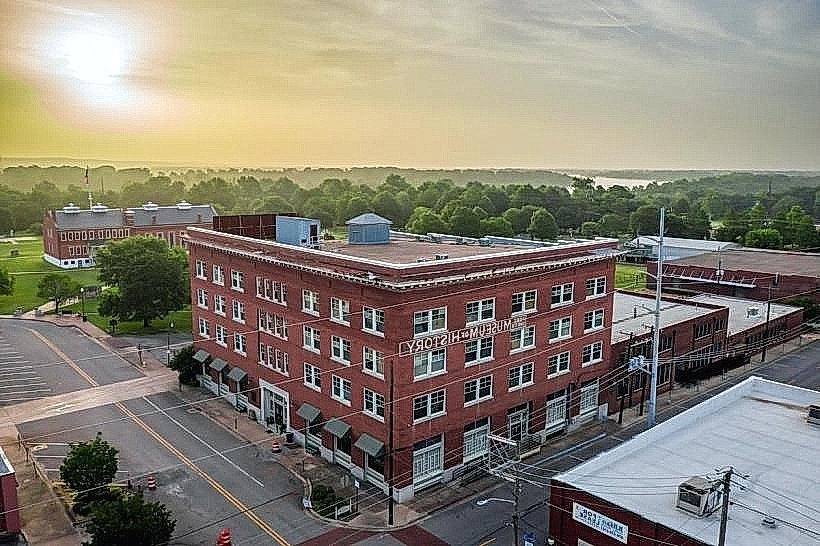
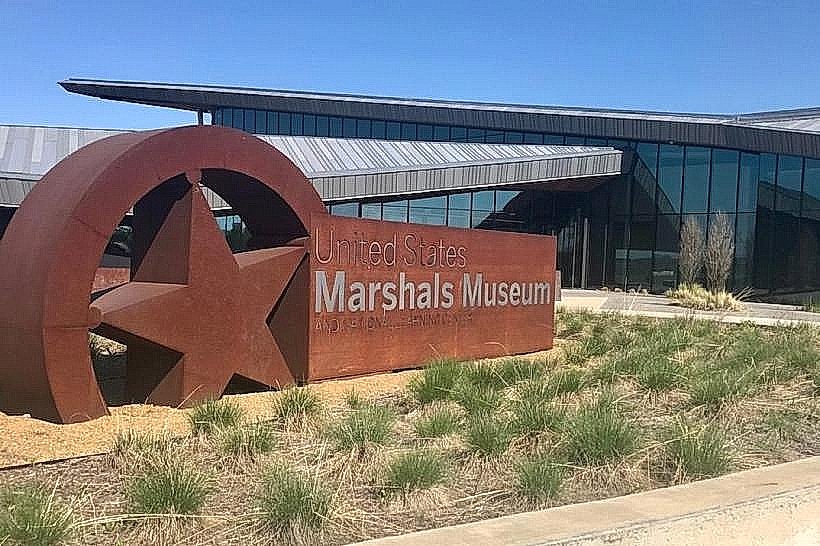
U.S. Marshals Museum: A world-class interactive museum dedicated to the history of the oldest federal law enforcement agency.
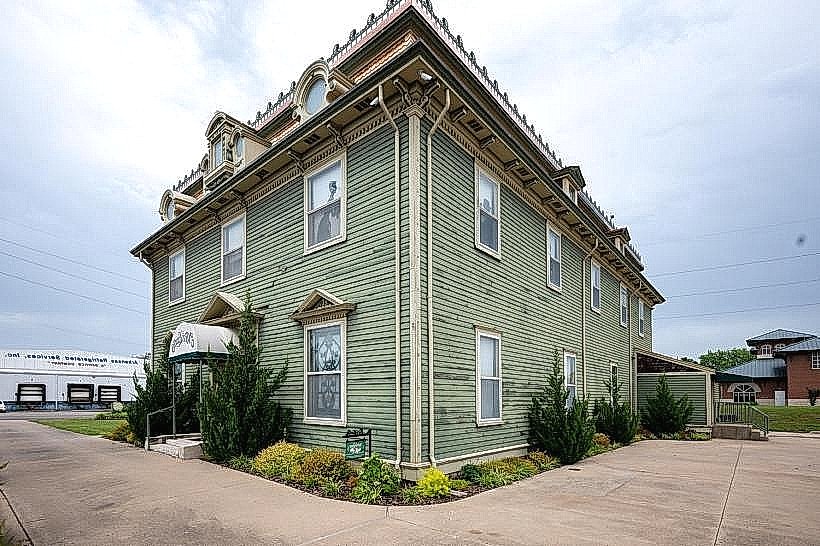
Miss Laura’s Social Club: The only former bordello on the National Register of Historic Places, now serving as the city's visitor center.
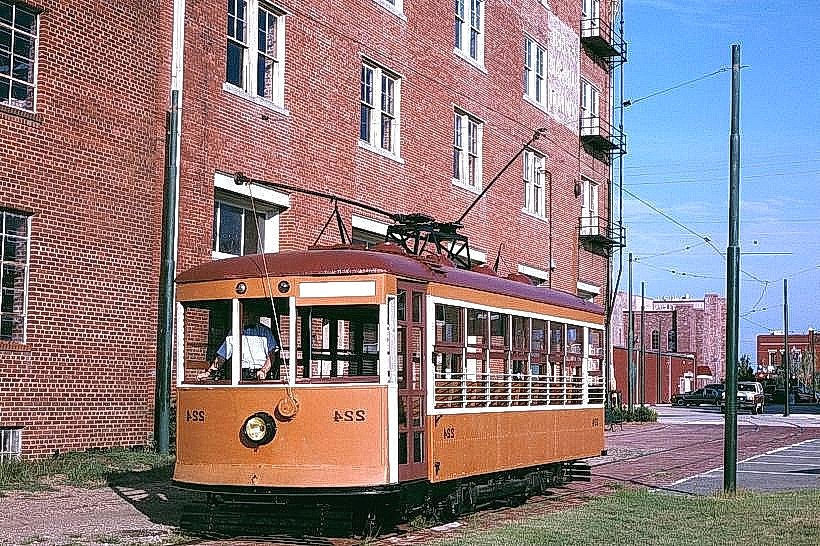
Fort Smith Trolley Museum: Operating a working 1926 electric streetcar.
The Unexpected Murals: Over 30 world-class street art installations concentrated downtown.
Transportation Network
Movement is primarily automotive via I-40 and I-49. Fort Smith Transit (FST) operates fixed-route bus services across the city. There is no metro. Ride-sharing via Uber and Lyft is available. Traffic density is low to moderate, with the most activity on Rogers Avenue and the Garrison Avenue Bridge. The Fort Smith Regional Airport (FSM) provides commercial links to major hubs like Dallas/Fort Worth.
Safety & "Red Zones"
The general safety level is moderate. Violent crime rates are higher than the state average, particularly in older residential sectors immediately north and east of the downtown core. Standard urban vigilance is required on Garrison Avenue during late-night hours. Common scams are rare, primarily involving opportunistic vehicle break-ins in high-traffic tourist lots.
Digital & Financial Infrastructure
Average internet speed is 150–400 Mbps, with fiber optic services provided by AT&T and Cox Communications. Main mobile carriers are Verizon, AT&T, and T-Mobile. Card acceptance is universal. ATMs are concentrated along Rogers Avenue and in the downtown financial district.
Climate & Air Quality
Temperatures range from -1°C to 10°C in winter (January) and 22°C to 34°C in summer (July). Specific weather risks include high humidity and a significant threat of severe thunderstorms and tornadoes in the spring. Air quality is consistently high, though seasonal agricultural burning in Oklahoma can occasionally impact visibility and AQI.
Culture & Social Norms
The standard tipping percentage is 18–20%. Greetings are informal; "Sir" and "Ma'am" are common but less strictly enforced than in the Deep South. Dress code is highly casual, influenced by the city's blue-collar industrial heritage. Smoking is prohibited in public indoor spaces.
Accommodation Zones
Downtown / Garrison Ave: Stay here for walkability to museums, historic sites, and the entertainment district.
Rogers Avenue (Commercial Corridor): Stay here for proximity to the Central Mall, Mercy Hospital, and standard chain hotels.
Chaffee Crossing: Stay here for newer boutique accommodations and proximity to nature trails.
Local Cost Index
1 Espresso: $4.25
1 Standard Lunch: $14.00
1 Bus Ticket: $1.25
Nearby Day Trips
Devil's Den State Park: (55 km)
Mount Magazine State Park: (90 km - Highest point in Arkansas)
Fayetteville, AR: (95 km)
Arkansas Wine Country (Altus): (60 km)
Facts & Legends
Fort Smith is the setting for the famous novel and film True Grit; the story's protagonist, Rooster Cogburn, was partially inspired by real-life U.S. Marshals who operated out of the city. A local legend claims that the basement of the old courthouse is haunted by the 79 men hanged on the gallows outside. A verified historical oddity is the "Barbershop at Chaffee Crossing," where Elvis Presley received his first military buzz cut in 1958, an event that was documented by international media at the time.