Information
City: GoaCountry: India
Continent: Asia
Goa, India, Asia
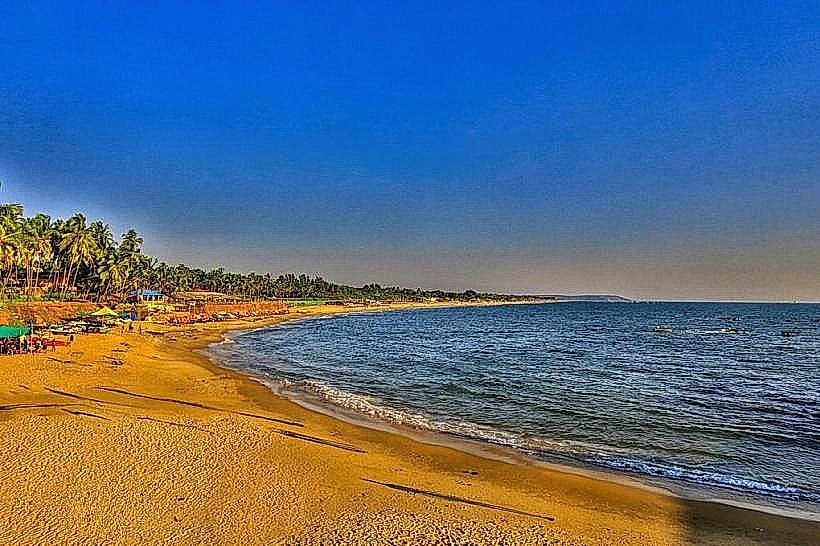
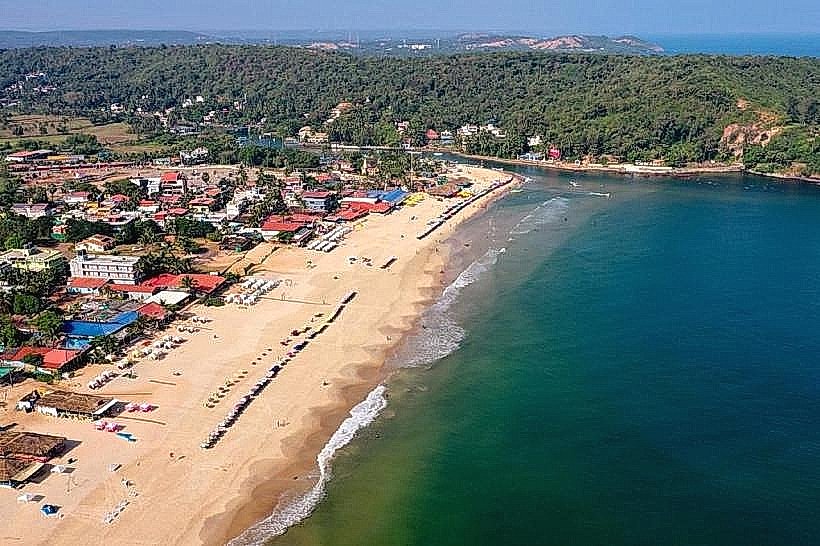
Goa is India's smallest state by area, located on the southwestern coast within the Konkan region. Defined by a 450-year history of Portuguese colonial rule, it is a global destination characterized by its "Susegad" (laid-back) lifestyle, Baroque architecture, and a continuous coastline of world-class beaches.
Historical Timeline
Inhabited since the Paleolithic era; later ruled by the Kadambas and the Vijayanagara Empire. A critical historical event occurred in 1510 when Portuguese admiral Afonso de Albuquerque conquered the region, establishing Goa as the capital of the Portuguese State of India. It remained a colonial possession for centuries, missing the British Raj period entirely. In 1961, India annexed the territory through Operation Vijay. It was granted statehood in 1987. In 2026, Goa is transitioning into a diversified economy, balancing its massive tourism sector with a burgeoning high-tech and "digital nomad" startup scene.
Demographics & Population
The 2026 population is approximately 1,650,000. The demographics are Hindu (66%), Christian (25%), and Muslim (8.3%). It has one of the highest literacy rates and the highest GDP per capita in India. The economy is driven by Tourism, Mining (Iron ore and Manganese), Pharmaceuticals, and Agriculture (Cashews and Coconuts).
Urban Layout & Key Districts
Goa is divided into two primary districts:
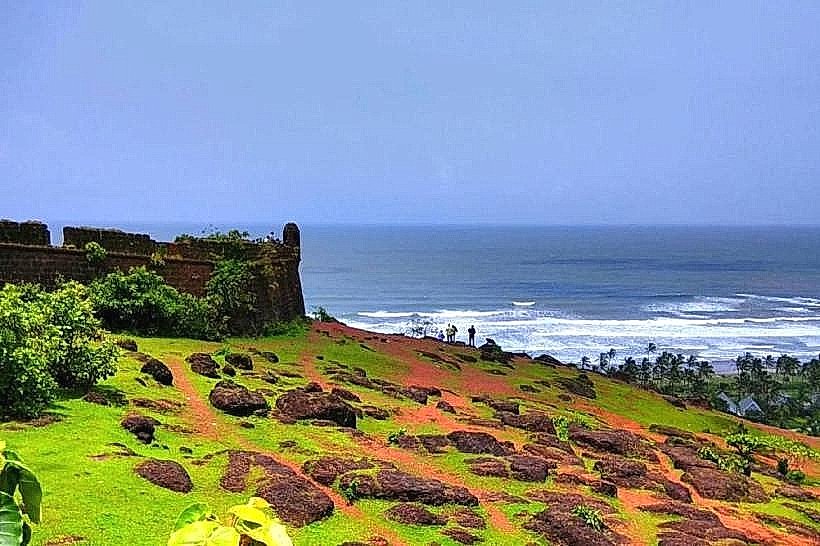
North Goa: The center of high-energy tourism, nightlife, and historic forts. Key hubs include Panaji (the capital), Mapusa, and the beach belt from Candolim to Arambol.
South Goa: Characterized by a slower pace, expansive white-sand beaches, and luxury resorts. Key hubs include Margao (the commercial center) and Vasco da Gama.
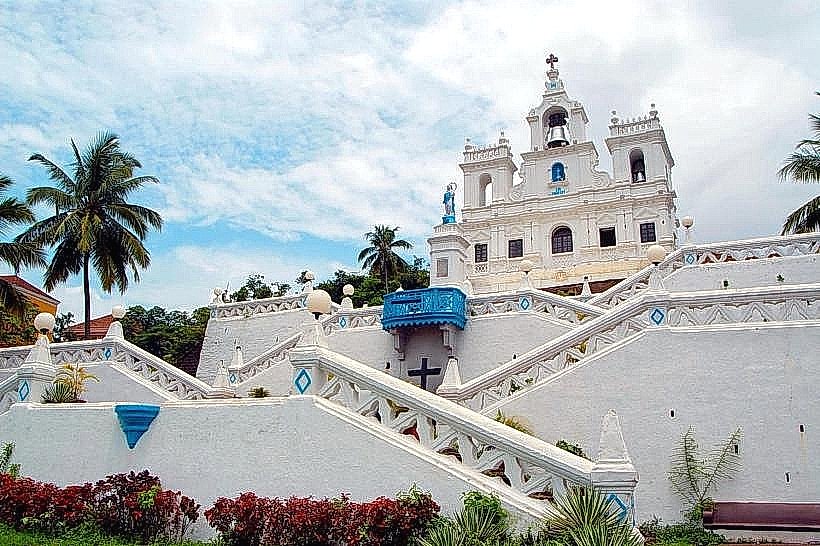
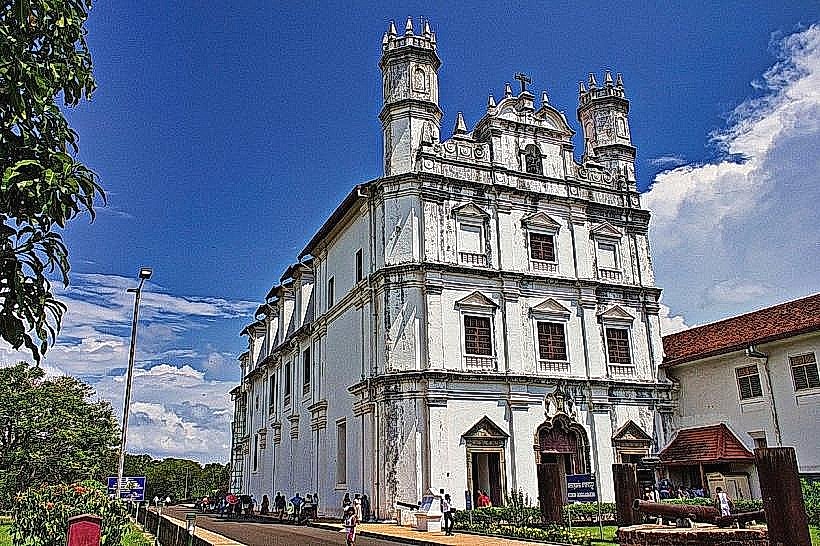
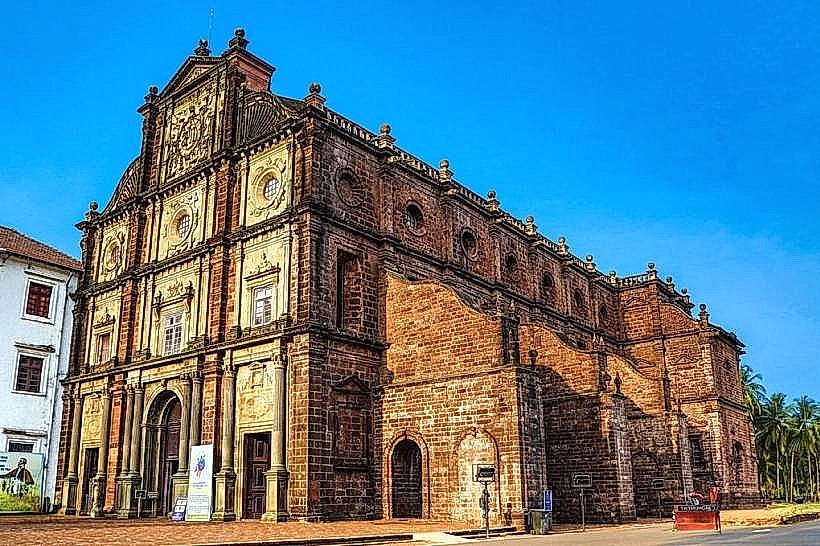
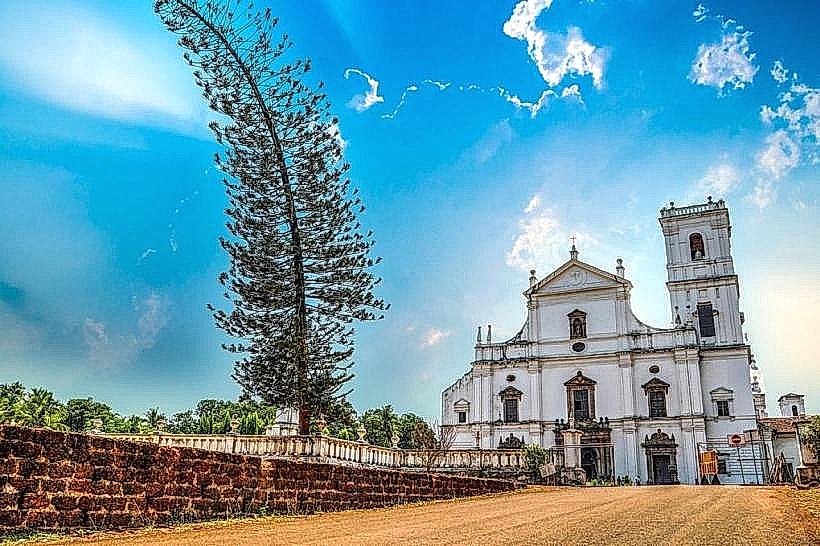
Old Goa (Velha Goa): A historic district containing massive 16th-century cathedrals and colonial ruins.
Top Landmarks
Basilica of Bom Jesus: A UNESCO World Heritage site in Old Goa containing the mortal remains of St. Francis Xavier.
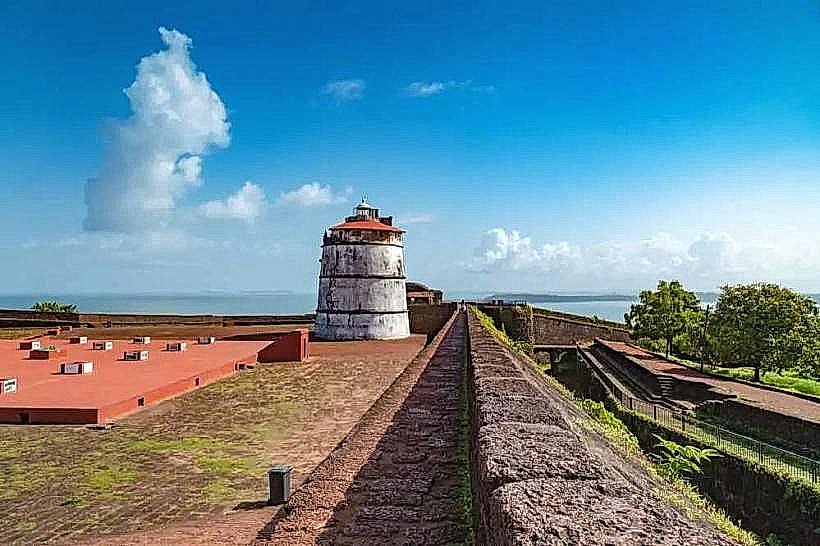
Aguada Fort: A 17th-century Portuguese fort and lighthouse overlooking the Arabian Sea.
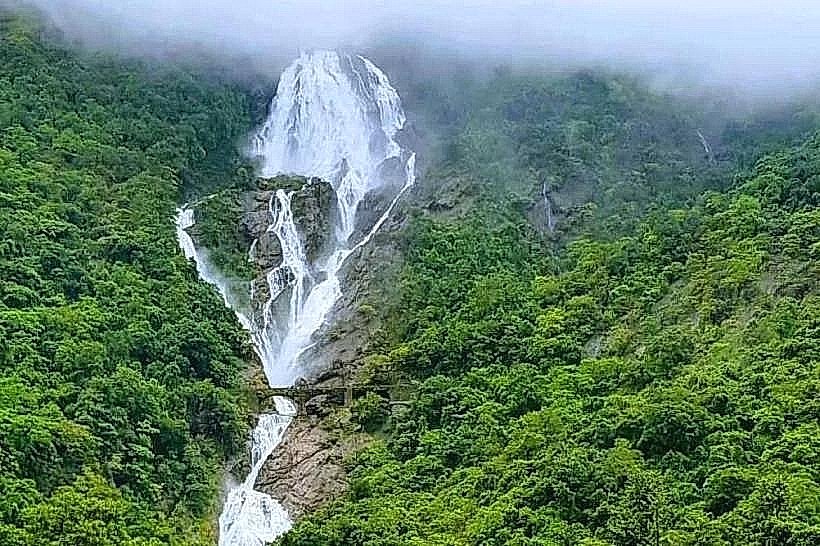
Dudhsagar Falls: (Located 60 km east); a four-tiered waterfall on the Mandovi River, one of India's tallest.
Panaji (Fontainhas): The Latin Quarter of the capital, known for its narrow winding streets and brightly colored Mediterranean-style houses.
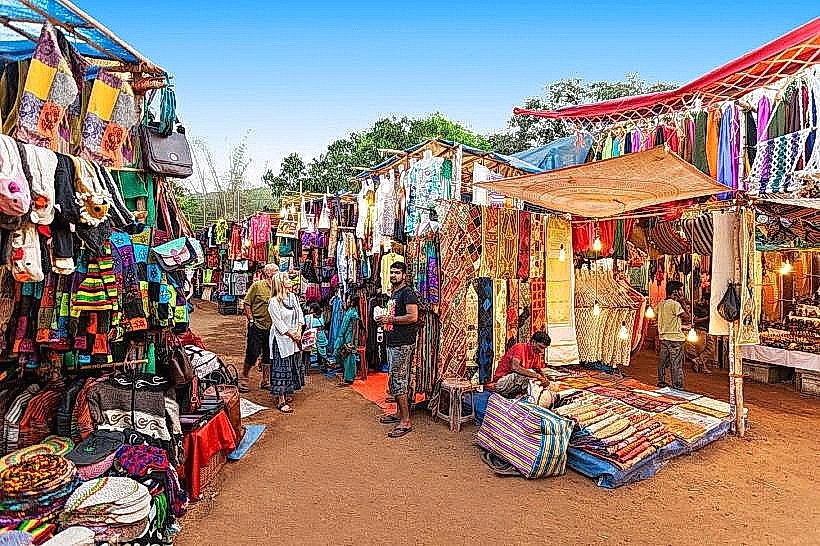
Anjuna Flea Market: A historic market synonymous with the 1960s "Hippie Trail" culture.
Netravali Wildlife Sanctuary: A dense forest region in the southeast popular for trekking and biodiversity.
Transportation Network
Movement is automotive-centric; renting scooters or cars is the standard for visitors. Manohar International Airport (GOX) in Mopa and Dabolim Airport (GOI) serve as the primary air hubs. The Konkan Railway connects Goa to Mumbai and Mangalore via the Madgaon and Thivim stations. In 2026, the New Zuari Bridge has significantly reduced travel time between North and South Goa. Public transport relies on Kadamba buses and "Pilot" motorcycle taxis.
Safety & "Red Zones"
General safety is very high. Standard awareness is advised against narcotics-related scams in the northern beach belt. Environmental hazards include extreme rip currents during the monsoon and dehydration during the summer months. Traffic "Red Zones" include the Panaji-Porvorim corridor during peak tourist seasons.
Digital & Financial Infrastructure
5G connectivity is robust in urban areas and coastal hubs. UPI payments are accepted universally, from beach shacks to boutique hotels. Unlike most of India, Goa has a unique Uniform Civil Code dating back to the Portuguese era. Value Added Tax on alcohol is lower than the national average.
Climate & Air Quality
Temperatures range from 20°C to 32°C in winter and 25°C to 35°C in summer. The Monsoon (June–September) brings intense rainfall and high humidity. Air quality is consistently among the best in India due to maritime breezes and high forest cover.
Culture & Social Norms
The standard tipping percentage is 10%. A "Relaxed-Global" greeting is standard. Dress codes are liberal compared to the rest of India, though modesty is required when entering religious sites (temples and churches). The culture is defined by Goan Catholic Influence, Konkani Traditions, and a specialized culinary palette featuring Feni (cashew liquor) and Fish Curry Rice.
Local Cost Index
1 Espresso: ₹180 ($2.15 USD)
1 Standard Meal: ₹400 ($4.80 USD)
1 Scooter Rental (Daily): ₹400–₹800.
Nearby Day Trips
Gokarna, Karnataka: (150 km south; a more secluded temple and beach town).
Malvan, Maharashtra: (100 km north; famous for scuba diving and the Sindhudurg Fort).
Hampi: (315 km east; the ruins of the Vijayanagara Empire, accessible by overnight bus/train).
Facts & Legends
Goa is the only Indian state where you can legally hire a motorcycle taxi (called a "Pilot"). Historically, it was the first part of India to be colonized by Europeans and the last to be liberated. A local legend involves the "Seven Sisters," ancient deities who are said to reside in different villages across the state. Another legend concerns the "Ghost of the Three Kings" at the church in Cuelim, where the spirits of three greedy kings are rumored to wander the grounds on the feast of the Epiphany.