Information
City: GrodnoCountry: Belarus
Continent: Europe
Grodno, Belarus, Europe
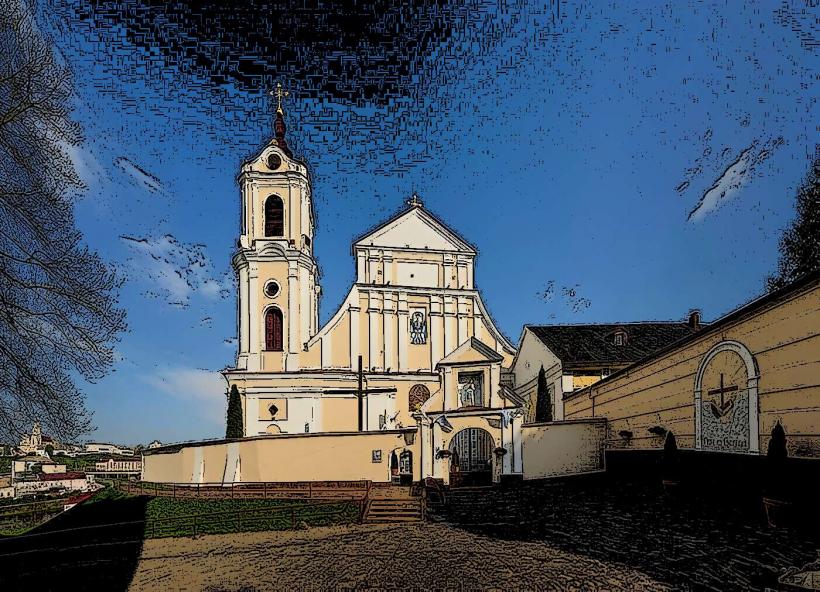
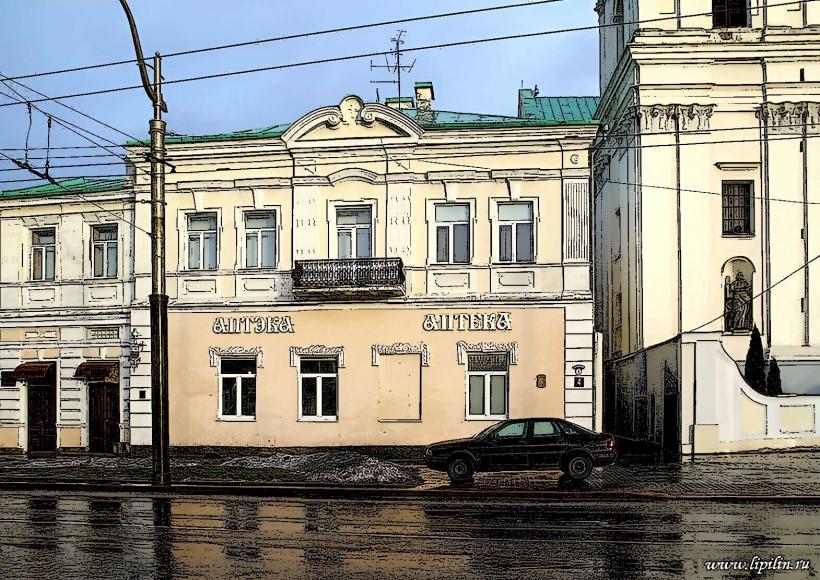
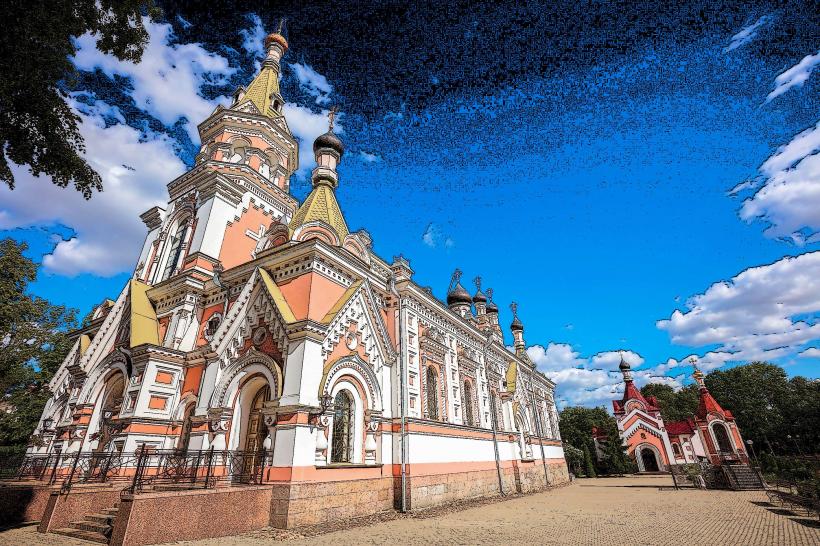
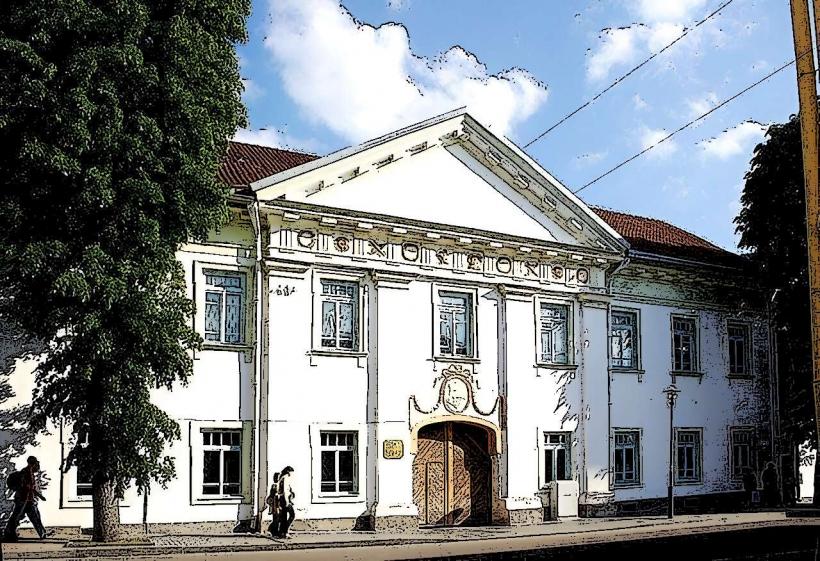
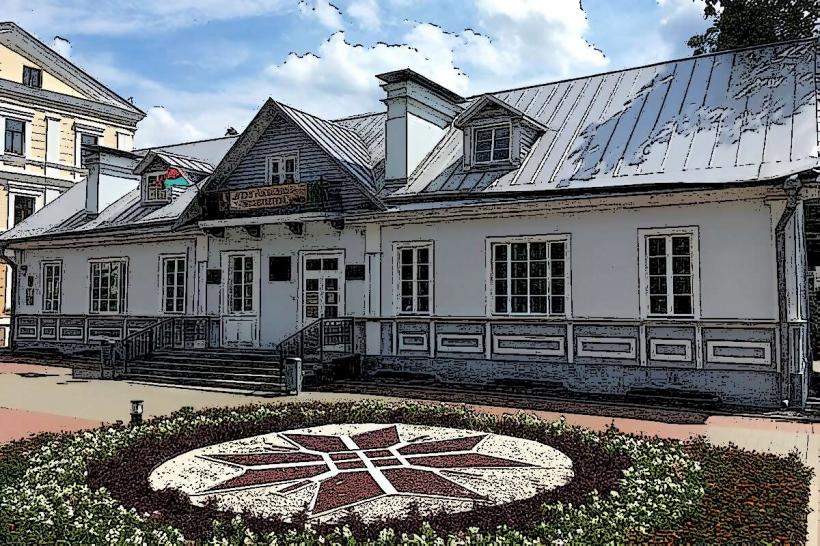
Grodno (Hrodna) serves as the administrative center of the Grodno Region and is often cited as the most "European" city in Belarus due to its high concentration of preserved Catholic architecture and its historical ties to the Polish-Lithuanian Commonwealth. It functions as a major industrial and educational hub, characterized by its location on the high banks of the Neman River and its status as a "royal city," having served as a residence for Polish kings and Grand Dukes of Lithuania.
Historical Timeline
First mentioned in 1127 in the Primary Chronicle. Grodno became a vital center of the Grand Duchy of Lithuania in the 14th century. The defining event for its modern preservation was its role as a parliamentary capital of the Polish-Lithuanian Commonwealth; it was one of the few Belarusian cities to escape near-total destruction during the 20th-century world wars, leaving much of its 18th and 19th-century fabric intact.
Demographics & Population
The population is approximately 375,000 (2026 estimate). The demographic is unique in Belarus for its high percentage of ethnic Poles (approx. 20-25%). It is the most religiously diverse city in the country, with a nearly equal presence of Roman Catholic and Orthodox communities.
Urban Layout & Key Districts
The city is situated on the Neman River, with the historic center concentrated on the hilly right bank.
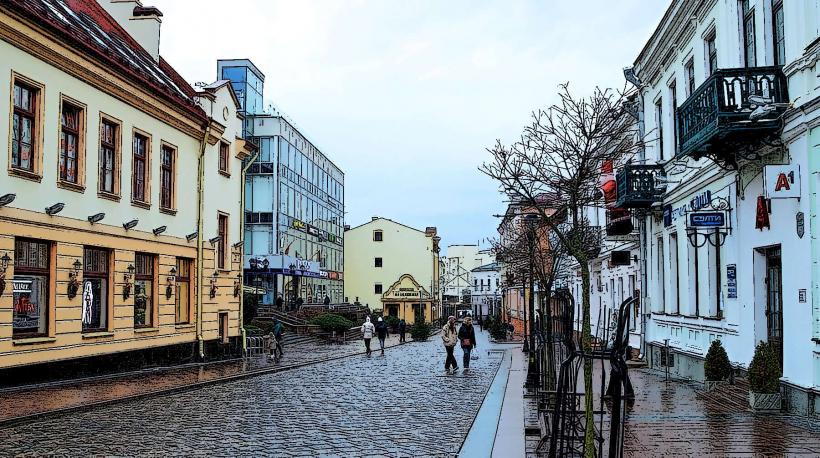
The Historic Center: A pedestrian-friendly zone focused on Savieckaja Street and Savieckaja Square.
Gorodnitsa: An 18th-century district planned by Antoni Tyzenhauz, featuring Enlightenment-era administrative and medical buildings.
Kalozha District: A scenic area on the riverbank housing the city's oldest architectural monuments.
Novy Mir (New World): An early 20th-century residential district featuring unique wooden and brick "Grodno modern" architecture.
Top City Landmarks
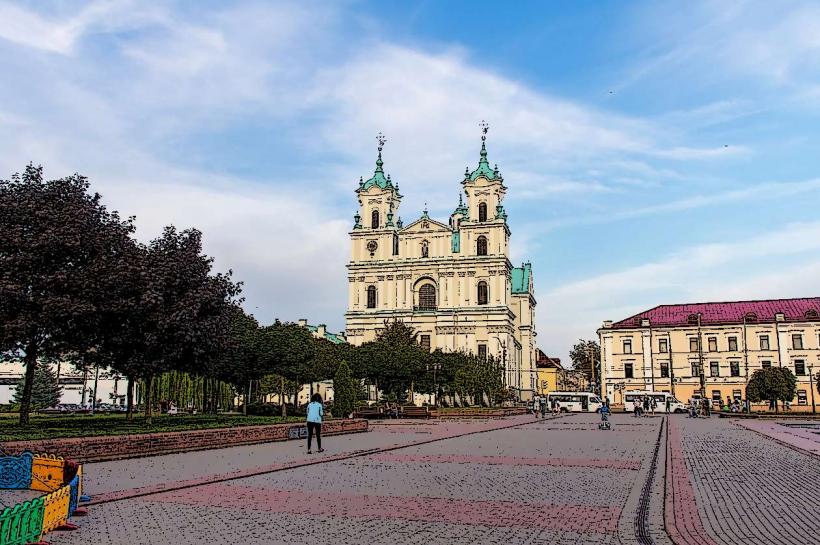
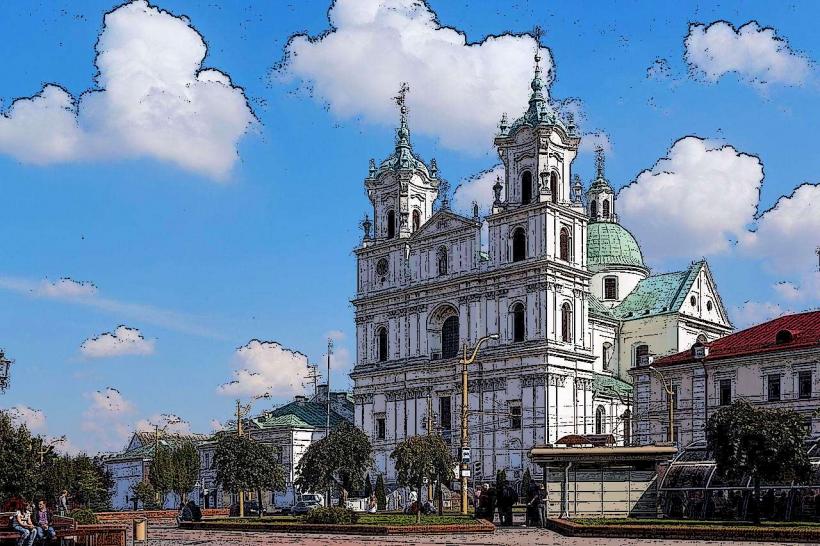
St. Francis Xavier (Farny) Cathedral: A 17th-century Jesuit masterpiece featuring a 21-meter carved altar and one of the oldest working tower clocks in Europe.
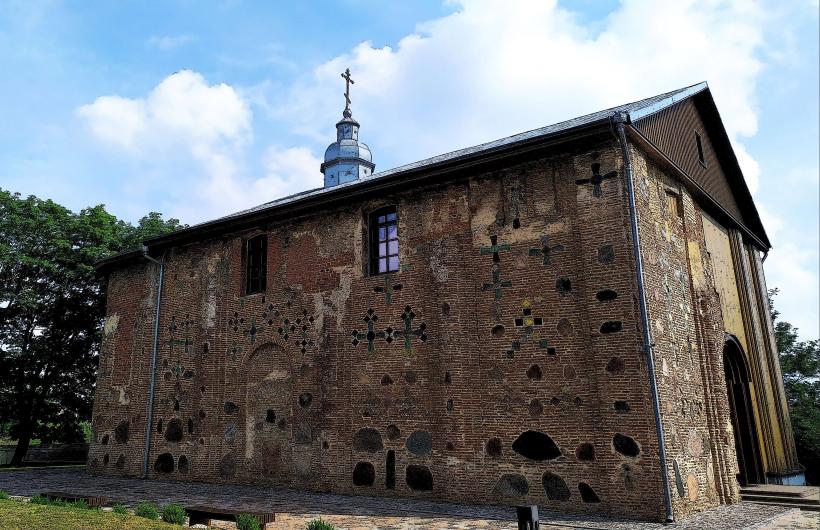
Kalozha Church (Sts. Boris and Gleb): A 12th-century Orthodox church, unique for its walls embedded with polished colored stones and ceramic "acoustic" jars.
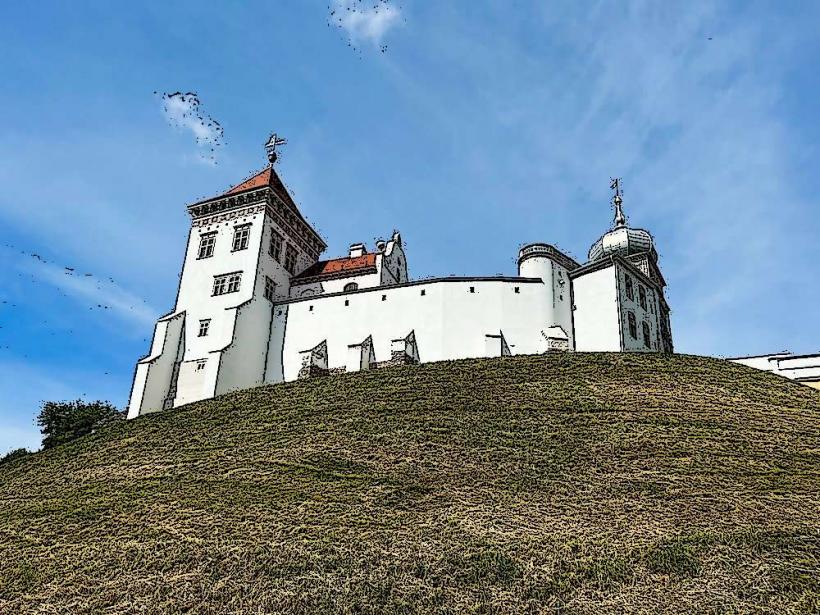
The Old Castle: An 11th-century fortress, recently restored to its Renaissance-era appearance as a royal palace for Stephen Bathory.
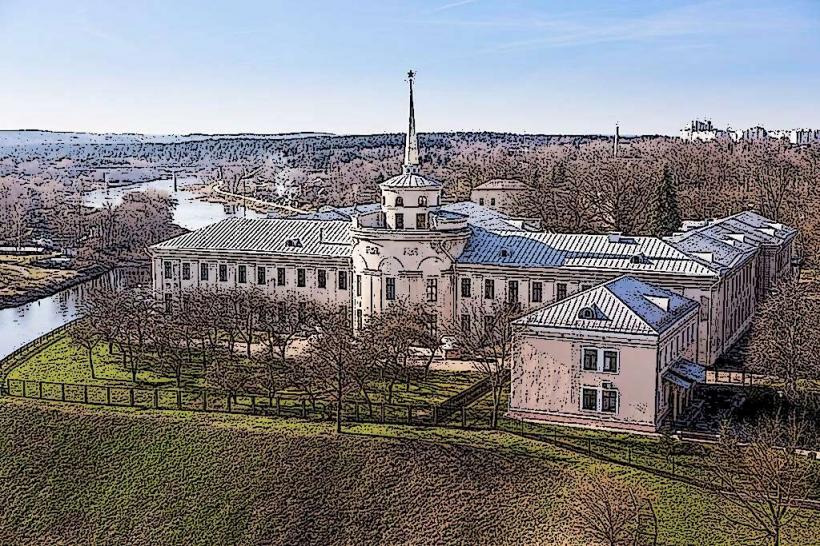
The New Castle: An 18th-century royal residence built in the Rococo style, notable as the site of the signing of the Second Partition of Poland.
Great Choral Synagogue: One of the largest and most beautiful synagogues in Europe, featuring a Moorish-style interior.
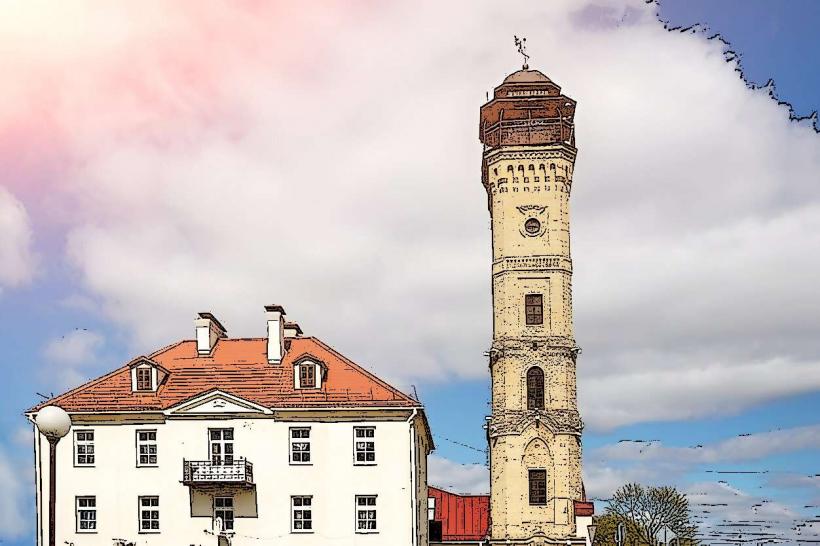
Firewatch Tower: A 32-meter Art Nouveau tower (1902) where a trumpeter still plays a traditional signal from the observation deck every day at noon.
Transportation Network
Movement is managed by an extensive trolleybus and bus network. Grodno is a key railway hub on the line to Poland (Białystok) and Lithuania (Vilnius). The Grodno Railway Station is centrally located. Access is via the M6 highway from Minsk (approx. 3.5 hours). Grodno Airport (GNA) primarily serves charter flights.
Safety & "Red Zones"
The safety level is extreme. Grodno is often considered the safest regional capital in Belarus. There are no "no-go zones." Due to its proximity to the border (15 km to Poland, 30 km to Lithuania), travelers should expect enhanced document checks when traveling on roads leading out of the city toward the border.
Digital & Financial Infrastructure
Average internet speed is 100–300 Mbps via national fiber. Grodno is a center for chemical manufacturing (Grodno Azot) and food processing. The city is largely cashless. Due to international sanctions, only cards issued by non-sanctioned banks or the local "Belkart/Mir" systems are reliable for payments.
Climate & Air Quality
Temperatures range from -4°C in winter to 24°C in summer. The city benefits from the "Swiss Valley" and Gilibert Park, which act as green lungs. Air quality is excellent, aided by the prevailing westerly winds from the forests across the border.
Culture & Social Norms
The culture is defined by multiculturalism, celebrated biennially at the Festival of National Cultures. Tipping of 5–10% is customary. Social life revolves around the cafe culture of Savieckaja Street and the Neman River embankment.
Accommodation Zones
Stay in the Historic Center (near Savieckaja Sq) for immediate access to landmarks and the best dining.
Stay near Gilibert Park for a quieter, green environment within walking distance of the center.
Local Cost Index
1 Espresso: 3.50 – 5.00 BYN
1 Standard Lunch: 12.00 – 22.00 BYN
1 Pint of Local Beer: 6.00 – 10.00 BYN
1 Public Transport Trip: 0.85 – 0.95 BYN
Nearby Day Trips
Augustow Canal: 30 km west; a 19th-century hydraulic engineering marvel offering boat trips and kayaking through the border forests.
Svyatsk Palace: 25 km west; a newly restored 18th-century palace complex designed by Giuseppe de Sacco.
Lida Castle: 110 km east; a massive 14th-century brick fortress built by Grand Duke Gediminas.
Facts & Legends
Local legend claims that a series of secret underground tunnels connect the Bernardine Monastery with the Old Castle, crossing deep beneath the Neman River. A verified historical fact is that Grodno was the preferred residence of Stephen Bathory, King of Poland and Grand Duke of Lithuania, who died in the Old Castle in 1586; it was subsequently the site of the first-ever anatomical autopsy performed in Eastern Europe.