Information
Landmark: Grodno New CastleCity: Grodno
Country: Belarus
Continent: Europe
Grodno New Castle, Grodno, Belarus, Europe
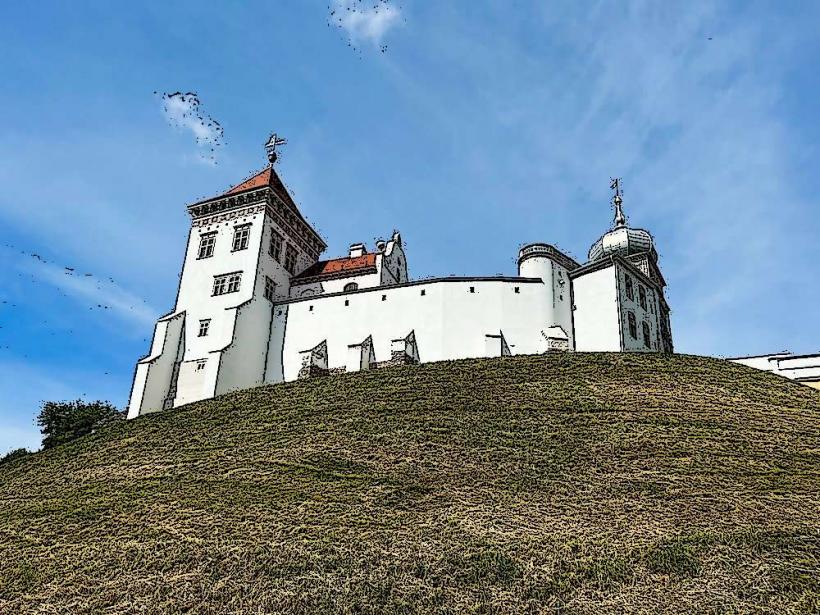
The Grodno New Castle (also known as the Hrodna New Castle) is another significant historical landmark in the city of Hrodna (Grodno) in western Belarus, located near the Old Castle on the banks of the Neman River. Unlike the Old Castle, which dates back to the medieval period, the New Castle has a more modern history, reflecting the architectural styles and political changes of the 18th century.
Historical Overview:
- Construction: The construction of the New Castle began in 1700, under the reign of Augustus II the Strong, the Elector of Saxony and King of Poland. The castle was built as a royal residence for Polish kings and was part of the architectural transformation of the city during the Polish-Lithuanian Commonwealth.
- Political Context: The New Castle was built as part of a broader effort to modernize Hrodna and strengthen its position as a political and cultural center. The Polish kings sought to make Hrodna a prestigious city in the Commonwealth, especially after it became one of the main royal residences in the late 17th and early 18th centuries.
- Royal Residence: The castle was used by Polish royalty and was associated with the political elite of the time. The Polish king, Augustus II, and other prominent figures from the Commonwealth, such as King Stanisław August Poniatowski, visited the castle and spent time there.
- Russian Influence: After the partitions of Poland in the late 18th century, the region came under Russian control. The Grodno New Castle lost much of its political significance, and the building began to decline under Russian rule. The building was repurposed for various uses, including as a military barracks and administrative offices.
Architecture:
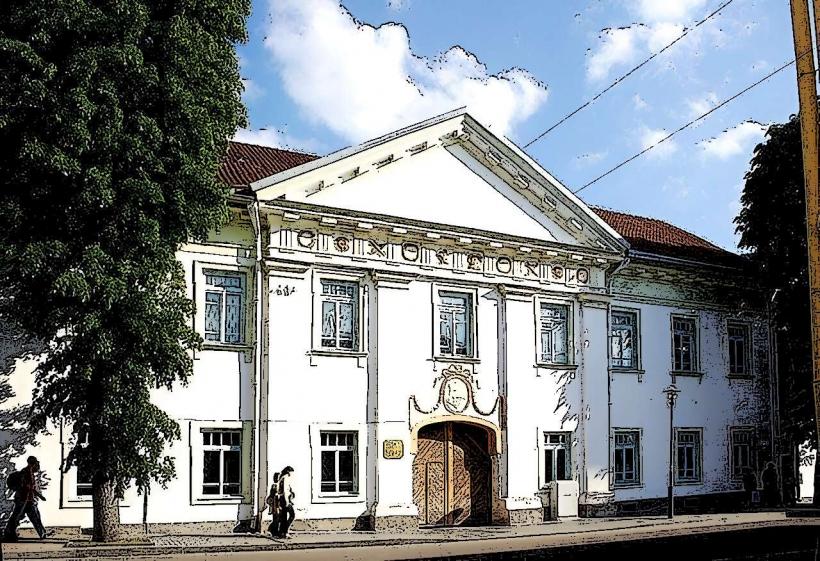
- Baroque Style: The Grodno New Castle is built in the Baroque architectural style, characterized by dramatic use of space, ornate decorations, and a sense of grandeur. It was designed to reflect the prestige of the Polish monarchy and to serve as a royal residence.
- Main Structure: The castle's main building features large, symmetrical facades with decorative elements such as columns, pilasters, and ornate windows. The use of stucco and frescoes adds to the luxurious nature of the castle.
- Interior Design: Inside, the castle was furnished with grand royal rooms, including halls for court ceremonies, royal chambers, and galleries. The interiors featured elaborate decorations, including wood paneling, frescoes, and large mirrors.
- Expansion: Over the years, additional structures were added to the complex, including a large courtyard and surrounding gardens. The layout of the New Castle was designed to accommodate royal events and to function as a residence for the monarchy.
Role in History:
- Royal Court and Events: The New Castle was the site of numerous royal events, meetings, and gatherings, especially in the early 18th century when it was actively used by Polish kings. It was one of the primary royal residences in the Polish-Lithuanian Commonwealth.
- Decline After Partition: Following the partitions of Poland, the political role of the Grodno New Castle diminished. The city of Hrodna was incorporated into the Russian Empire, and the castle’s royal functions ceased. It was used for various administrative and military purposes throughout the 19th century.
- Soviet Era and Restoration: In the 20th century, the castle fell into disrepair, particularly during the Soviet era. However, there have been efforts to restore and preserve the building in modern times, including restoration projects aimed at reviving its historical significance.
Modern Day:
Today, the Grodno New Castle is a historical monument and museum that attracts visitors interested in the region’s history, particularly the time of the Polish-Lithuanian Commonwealth and the Russian Empire. The castle's exterior and interior have undergone various restoration efforts to maintain the original architectural style and preserve its historical significance.
The castle now hosts exhibitions related to the history of the city, the Polish-Lithuanian Commonwealth, and the region's complex political history. It also serves as a cultural center, hosting events such as concerts, theater performances, and art exhibitions.
Significance:
- Symbol of the Polish-Lithuanian Commonwealth: Like the Grodno Old Castle, the New Castle is a symbol of the region's important role in the political and cultural life of the Polish-Lithuanian Commonwealth. It was designed to reflect the power and grandeur of the Polish monarchy.
- Architectural Heritage: The New Castle is an excellent example of Baroque architecture, reflecting the royal aspirations of the period. It serves as an important piece of Belarusian architectural heritage.
- Tourism and Education: The New Castle is a key tourist attraction in Hrodna, offering educational exhibits on the region's history, including the impact of the partitions of Poland and the later Russian period.
Overall, the Grodno New Castle complements the older historical structures in the city and offers a glimpse into the grandeur of the 18th-century Polish-Lithuanian Commonwealth, as well as the later transformations that shaped the region’s history.