Information
City: HusavikCountry: Iceland
Continent: Europe
Husavik, Iceland, Europe
Húsavík serves as the "Whale Watching Capital of Iceland" and the primary service center for the Þingeyjarsýsla district. It functions as a historic fishing port and a burgeoning hub for geothermal industrial activity and global tourism, characterized by its traditional wooden houses and its position on the eastern shore of Skjálfandi Bay.
Historical Timeline
Settlement began in 870 AD when the Swedish explorer Garðar Svavarsson built a house and stayed for one winter, naming the place Húsavík (House Bay) before departing; this predates the permanent settlement of Reykjavík. The primary event shaping its modern urban form was the mid-20th-century expansion of the fishing industry and the 1995 launch of the first commercial whale watching tours, which pivoted the local economy from extraction to eco-tourism. In 2020, the town gained global pop-culture recognition as the setting for the film Eurovision Song Contest: The Story of Fire Saga.
Demographics & Population
The population is approximately 2,400 (2026 estimate). The demographic is predominantly Icelandic, with a stable international community employed in the PCC Bakki Silicon plant and the maritime tourism sector. The median age is approximately 39 years.
Urban Layout & Key Districts
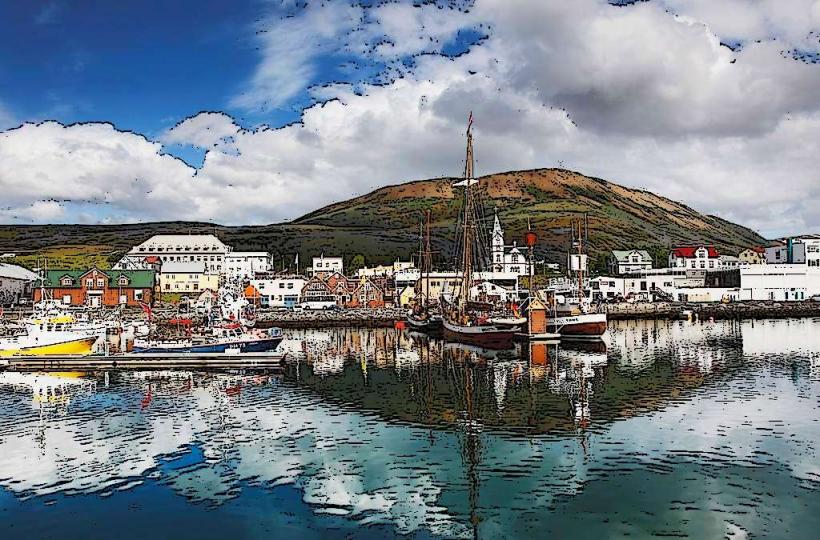
The town is centralized around the Harbour, which acts as the economic and social nucleus. Key districts include the Historic Center, containing the museum and church; the Upper Town residential area; and the Bakki Industrial Area to the north, which houses the town's high-tech geothermal silicon production.
Top City Landmarks
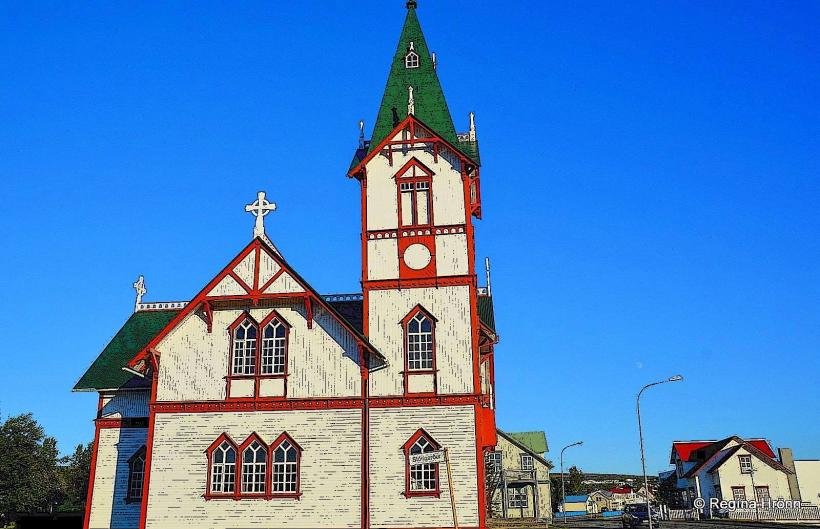
Húsavíkurkirkja: A unique wooden cross-church built in 1907 with timber from Norway.
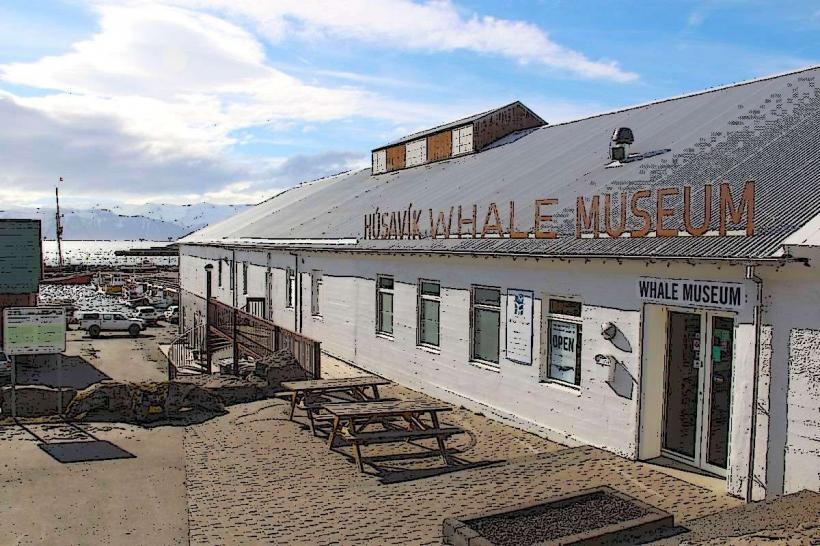
Húsavík Whale Museum: One of the few museums in the world dedicated solely to whales, featuring a Blue Whale skeleton.
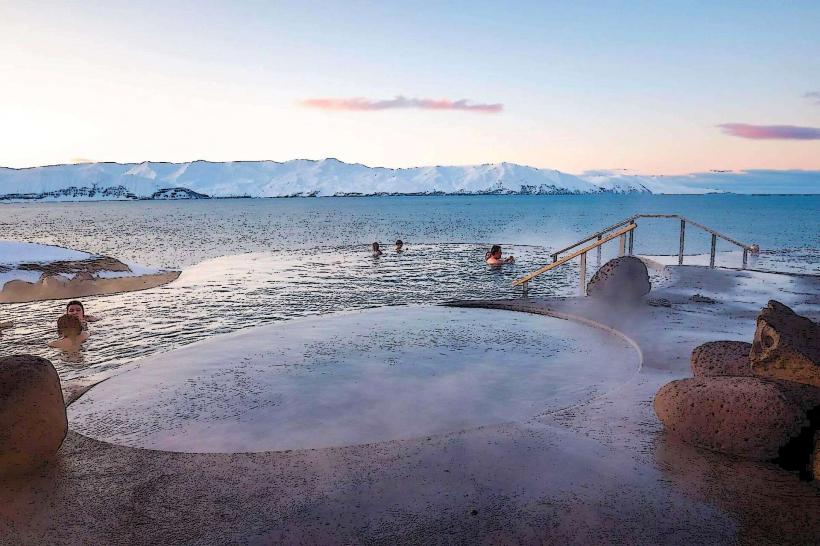
GeoSea Geothermal Sea Baths: An infinity-pool spa utilizing mineral-rich heated seawater on the cliffside.
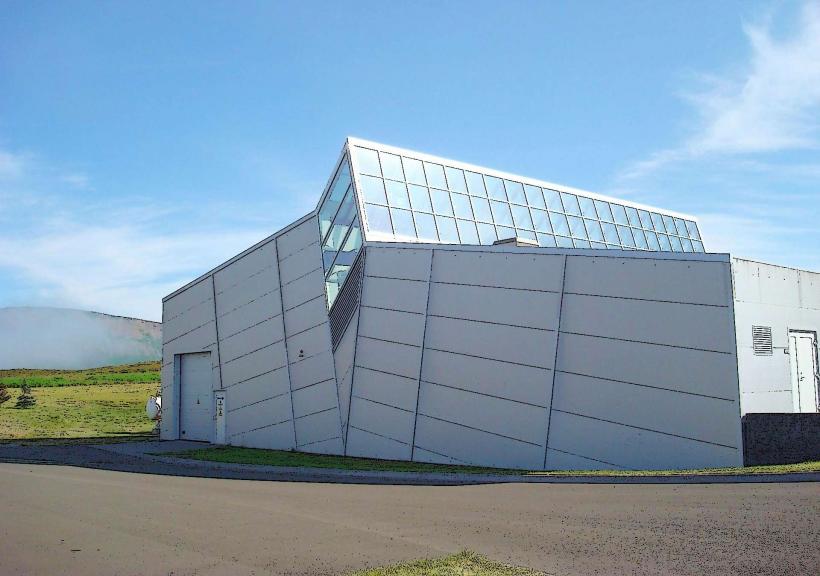
Exploration Museum: Dedicated to the history of human exploration, including the Apollo astronauts' training in the nearby highlands.
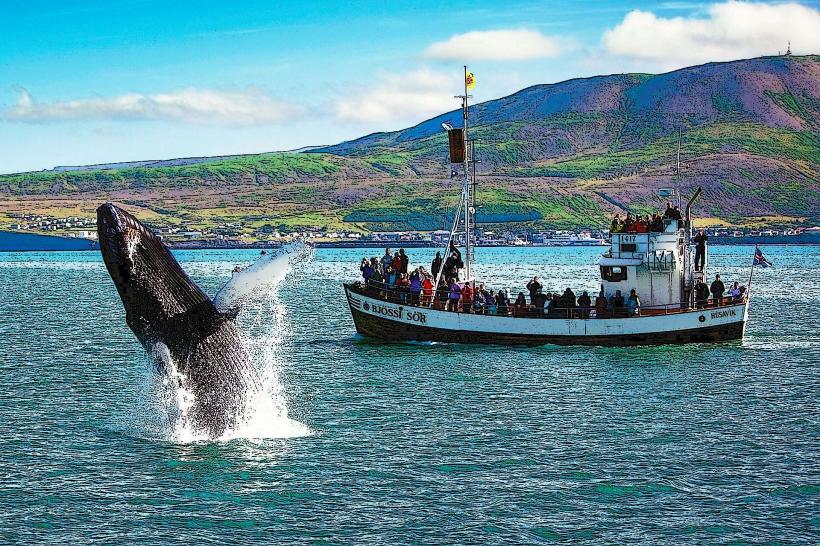
The Harbour: The active departure point for traditional oak boat whale watching expeditions.
Transportation Network
Movement is facilitated by the Ring Road 2 (North Coast Route). There is no rail transit. Public transport is limited to Strætó Route 79, connecting Húsavík to Akureyri. Air travel is serviced by Húsavík Airport (HZK), located 10 km south, with scheduled domestic flights to Reykjavík. Most visitors arrive via rental car as part of the Diamond Circle route.
Safety & "Red Zones"
The safety level is extremely high. There are no "red zones." The primary risks are maritime; passengers on whale watching boats must follow all crew instructions regarding thermal suits and deck safety. During winter, the mountain passes connecting Húsavík to the Ring Road (Route 1) can become impassable during heavy snow.
Digital & Financial Infrastructure
Average internet speed is 100–1000 Mbps via fiber-optic. Main carriers are Síminn and Nova. The town is cashless; mobile and card payments are accepted at all ticket offices, cafes, and gas stations. A single ATM is available at the Landsbankinn branch near the harbor.
Climate & Air Quality
Temperatures range from -4°C in winter to 14°C in summer. Húsavík is susceptible to northerly winds which can bring sudden temperature drops. Air quality is exceptional, though localized steam from geothermal vents is common.
Culture & Social Norms
Tipping is not required. The culture is deeply rooted in maritime heritage and storytelling. Social life revolves around the harbor and the local swimming pool (Sundlaug Húsavíkur). The town maintains a friendly, small-community atmosphere; "Jaa Jaa Ding Dong" references from the Eurovision film are common but should be used sparingly with locals.
Accommodation Zones
Stay in the Harbour/Center area for walking access to whale watching and dining.
Stay in the Laugum area (south of town) for rural guesthouses and proximity to the Diamond Circle.
Local Cost Index
1 Espresso: 600 – 800 ISK
1 Standard Lunch (Fish Soup/Fish & Chips): 2,800 – 4,000 ISK
1 Whale Watching Tour: 11,000 – 19,000 ISK
Nearby Day Trips
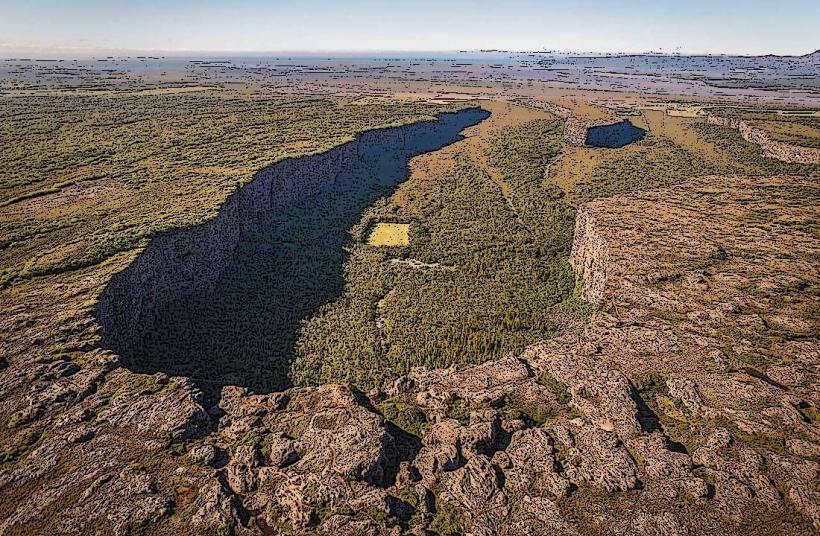
Ásbyrgi Canyon: 60 km (50 minutes)
Dettifoss Waterfall: 90 km (1 hour 15 minutes)
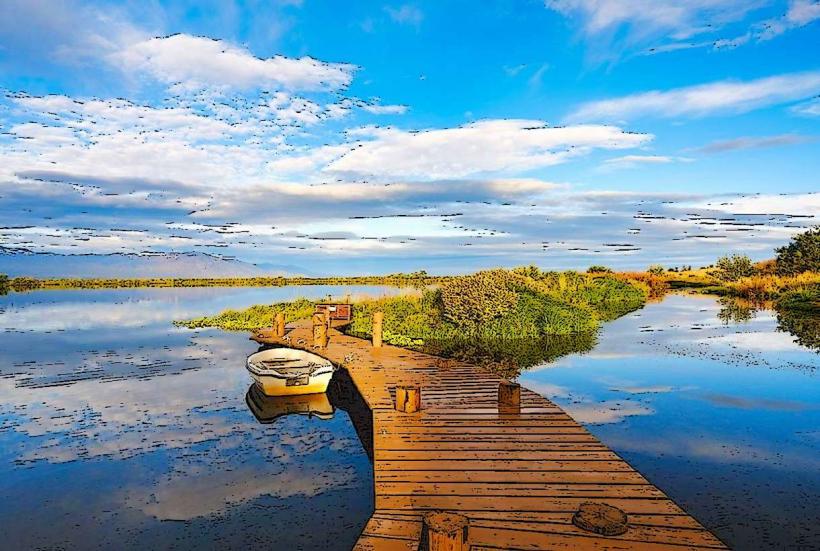
Lake Mývatn: 55 km (45 minutes)
Akureyri: 75 km (1 hour)
Facts & Legends
According to the Landnámabók, Garðar Svavarsson left behind a man named Náttfari and two slaves, who became the first accidental permanent residents of Iceland. A verified historical fact is that NASA sent Apollo astronauts (including Neil Armstrong) to the area around Húsavík in 1965 and 1967 to train for moon landings, as the volcanic geology was considered the most lunar-like terrain on Earth.