Information
Landmark: Skjálfandi BayCity: Husavik
Country: Iceland
Continent: Europe
Skjálfandi Bay, Husavik, Iceland, Europe
Overview
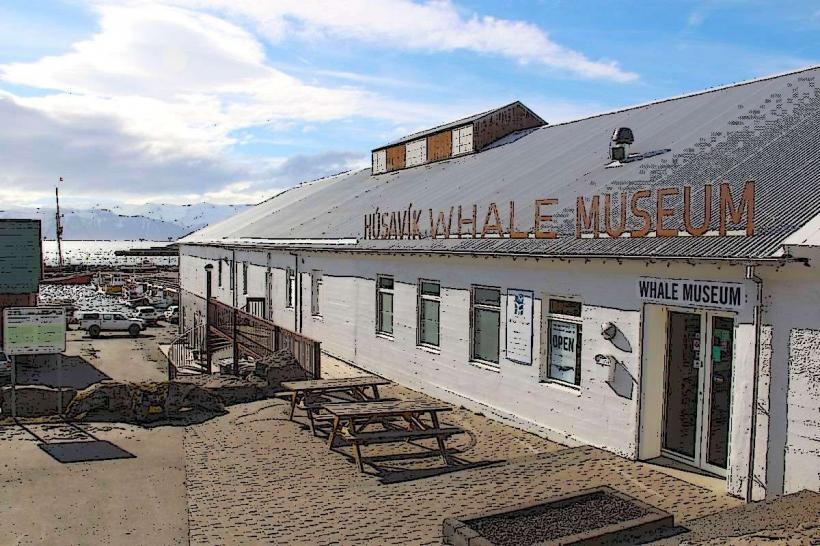
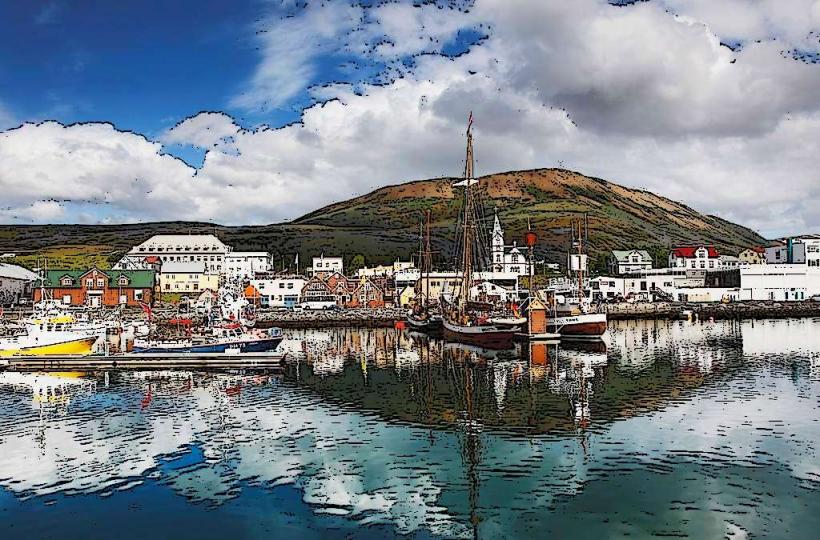
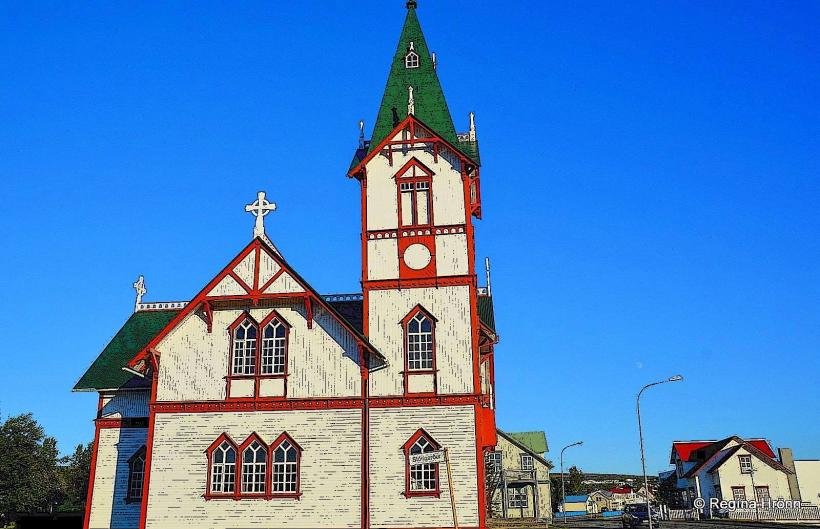
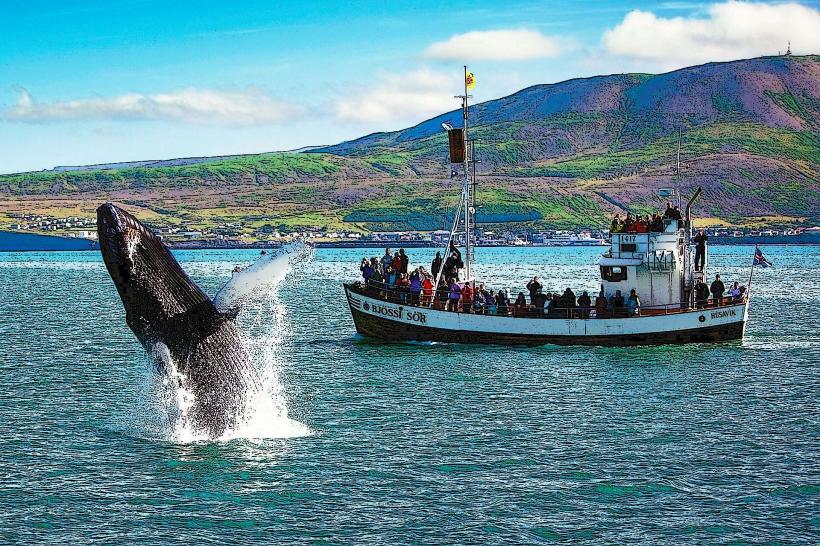
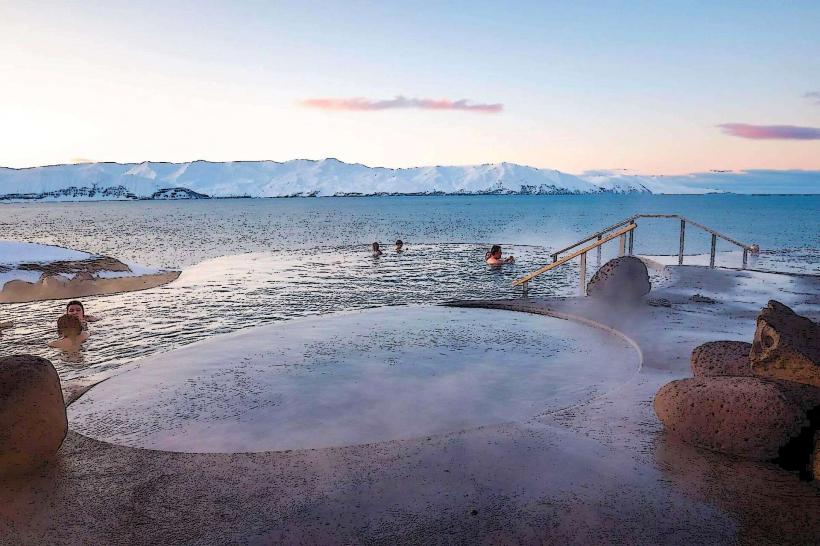
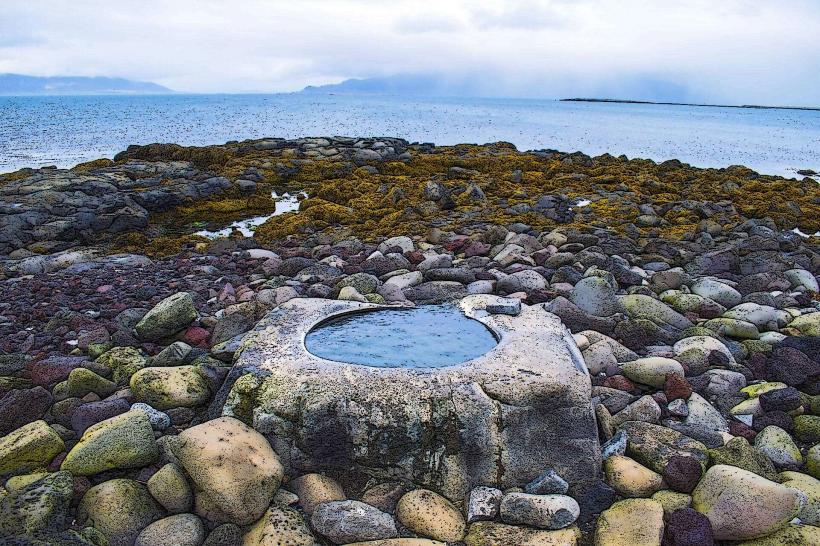
In northern Iceland, just beyond the tiny town of Húsavík, Skjálfandi Bay stretches wide and blue, home to dramatic cliffs, teeming birdlife, and some of the best whale-watching waters you’ll ever find, along with the name “Skjálfandi” means “Shaking Bay,” a nod to the tremors that often ripple through the area because it sits close to shifting tectonic plates, partially Number one, simultaneously skjálfandi Bay lies between the rugged Tjörnes Peninsula on the east and the sweeping Flateyjarskagi Peninsula to the west, where the sea often smells faintly of salt and kelp.The bay stretches roughly 15 kilometers across and runs about 25 kilometers from end to end, with pale waves lapping at its farthest shore, in addition rugged cliffs crash into the sea, volcanic rock juts skyward, and soft green hills roll in the distance, creating a view that feels almost like a painting.It seems, The bay sits close to the Mid-Atlantic Ridge, where the Eurasian and North American plates slowly pull apart, like two giant slabs drifting inch by inch beneath the waves, to boot over thousands of years, this geological activity carved cliffs, valleys, and sweeping ridges, giving the region its dramatic shape, mildly Believe it or not, Number two, and skjálfandi Bay teems with life, ranking among Iceland’s richest marine ecosystems, where researchers and wildlife lovers gather to spot whales breaking the surface and seabirds wheeling overhead.This bay ranks among the world’s best spots for whale watching, where you might notice humpbacks leaping and slapping their tails, blue whales gliding past like moving islands, or sleek minkes and fins cutting through the waves; orcas, pilot whales, and playful white‑beaked dolphins often appear too, with harbor porpoises darting close enough to hear the splash, along with in summer, puffins crowd the cliffs and nearby islands, while Arctic terns wheel overhead and guillemots and fulmars ride the wind; beneath the water, schools of fish and clouds of plankton feed the bay’s larger marine life.Three, after that in Skjálfandi Bay, Húsavík earns its title as the “Whale Watching Capital of Europe,” with most boats slipping out from the harbor where gulls wheel over the water.In Skjálfandi Bay, whale watching takes center stage, with boats gliding out to where gloomy fins slice the crisp, rippling water, likewise in Húsavík, several companies run guided trips, taking you out on the bay in sturdy Icelandic oak boats with creaking decks or sleek, modern vessels built for speed.I think, Some even have quiet electric boats that glide over the water without a hint of engine noise, making the trip more eco‑friendly, consequently whale watching is at its best from April through October, but the warm, radiant days of June to August bring the clearest skies and the most whale activity.It seems, Some tours serve up rare adventures-like watching whales under the midnight sun when the sky never goes dusky, or pairing birdwatching with a quiet afternoon of fishing-while the bay itself rests in a restless land, its shores carved by centuries of eruptions and sudden quakes, alternatively the Krafla volcanic system looms nearby, and the Lake Mývatn area, with its steam vents curling into the icy air, deepens the region’s volcanic heritage.In Icelandic folklore, Skjálfandi Bay is home to strange sea creatures and antique legends, stories that weave a touch of magic into the sweep of its blue waters, along with number five sat alone on the page, like a miniature black mark waiting for its turn.Skjálfandi Bay is ringed with attractions that draw visitors in, from the salty air and bobbing boats of Húsavík-a quaint fishing town that’s also the heart of whale-watching tours-to other spots that make the area a traveler’s delight, what’s more the town’s home to the Husavik-whale-museum_husavik" class="underline">Húsavík Whale Museum, where a blue whale skeleton stretches overhead, and the charming Húsavík Church.It appears, Flatey Island sits in the bay, a quiet haven where seabirds wheel overhead and visitors can breathe in the salt-tinged air, simultaneously tjörnes Peninsula’s cliffs brim with ancient fossils, revealing rare geological stories while the wind carries the salt-scented view of the bay.Ásbyrgi Canyon and Jökulsárgljúfur:
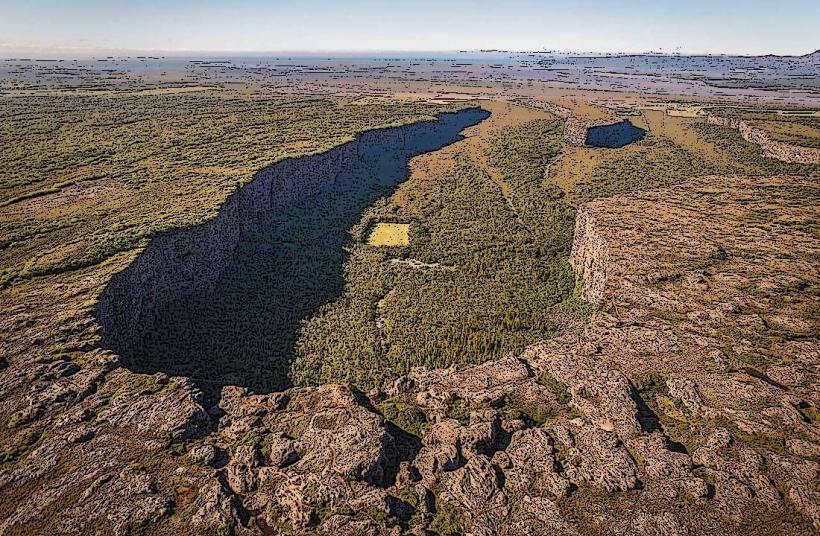
Both are part of Vatnajökull National Park and easily accessible from the bay, providing hiking opportunities and dramatic scenery, under certain circumstances Ásbyrgi Canyon and Jökulsárgljúfur, both tucked inside Vatnajökull National Park, are just a short trip from the bay, where you can follow winding trails and take in cliffs that rise like sheer walls of stone, at the same time number six stood out, a petite black mark in the corner of the page.Beyond whale watching, you can hop on a scenic boat tour and glide past rugged cliffs, quiet coves, and seabirds skimming the waves, taking in all of Skjálfandi Bay’s wild beauty, in addition kayaking in the bay lets you slip quietly past rocky coves and feel the salt air on your face, making it a close, adventurous way to connect with nature.In Skjálfandi Bay, locals and visitors alike head out for both traditional and recreational fishing, hauling in cod, haddock, and other fish fresh from the nippy, clear water, furthermore seven.Iceland’s strict environmental laws have kept Skjálfandi Bay’s ecosystem remarkably intact, where clear, frosty waters still teem with seabirds and fish, subsequently they actively promote eco-tourism, making sure the bay’s delicate marine life-like the radiant coral just below the surface-stays unharmed.They’re working to regulate whale‑watching tours so the animals aren’t disturbed, encourage sustainable fishing, and safeguard vital bird‑nesting areas, in turn summer, from June to August, brings long, dazzling days, peak whale activity, and mild sea breezes, to some extent Mind you, In spring, April to May, you might spot migrating whales and hear the chatter of early‑season birds, therefore autumn, September to October, means fewer visitors and a chance to watch the Northern Lights shimmer over the bay.Skjálfandi Bay remains one of Iceland’s treasures, where wild marine life thrives and the coastline’s raw beauty stretches to the horizon.
Author: Tourist Landmarks
Date: 2025-09-04