Information
City: Jolly HarbourCountry: Antigua and Barbuda
Continent: North America
Jolly Harbour, Antigua and Barbuda, North America
Jolly Harbour is a premier gated resort and marina community in Antigua and Barbuda, functioning as the largest man-made marina in the Eastern Caribbean. It is located on the west coast of Antigua, approximately 11 kilometers southwest of the capital, St. John’s.
Historical Timeline
Jolly Harbour was developed in the early 1990s as a specialized residential and tourism project on former marshland. Governance is managed by a homeowners' association under the jurisdiction of the national government. The most significant architectural reconstruction occurred following Hurricane Irma in 2017, which led to widespread upgrades in roofing and coastal defenses. The primary event shaping the current urban form was the initial excavation of the swamp area in 1989, which allowed for the creation of miles of seawalls and waterfront villa plots.
Demographics & Population
The permanent population of Jolly Harbour is approximately 1,200 residents. During the winter months, this exceeds 3,000 due to a high influx of seasonal villa renters and yacht owners. The demographics are heavily composed of British, European, and North American expatriates, alongside a resident Afro-Antiguan population working in management and maritime services. The median age is approximately 48 years.
Urban Layout & Key Districts
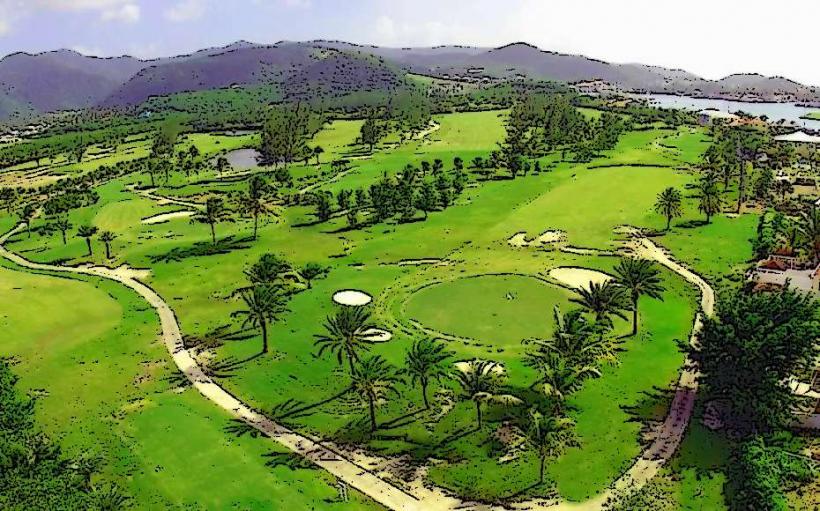
The community is organized around three finger-pier peninsulas and a central commercial core. The 2 most important districts are the Commercial Centre (containing the supermarket, pharmacy, and marina offices, located Central-East) and the North/South Fingers (the primary residential waterfront zones, located West). The entire complex is secured by a 24-hour manned gatehouse.
Top City Landmarks
Jolly Harbour Marina
The Commercial Centre Plaza
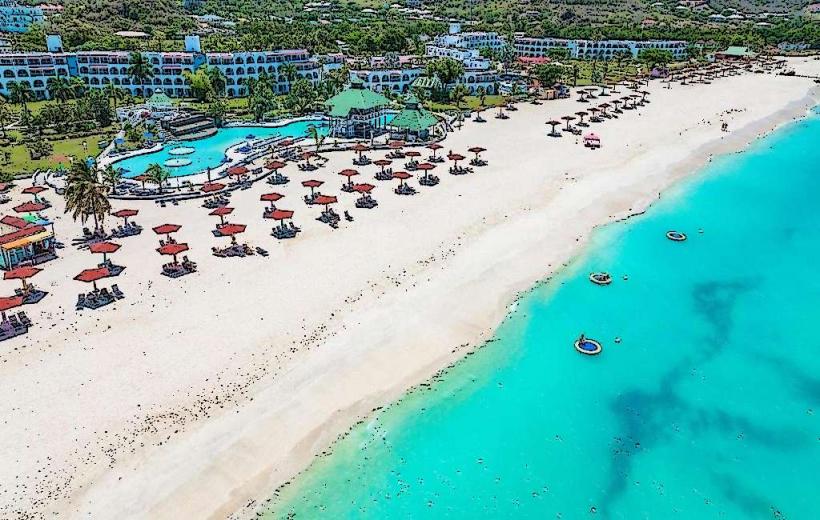
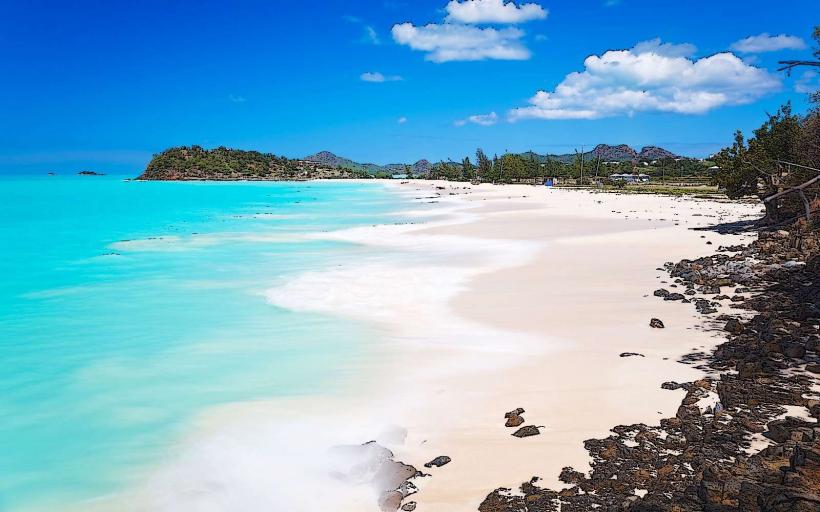
North Beach
Transportation Network
Movement within Jolly Harbour is predominantly by golf carts or private vehicles. There is no metro or tram system. Public transportation is accessible at the community entrance, where Route 20 and 22 mini-vans connect the village of Bolans to St. John’s. Ride-sharing apps are not available; transport relies on official "TX" taxis stationed at the entrance and commercial center, operating on fixed government rates. Traffic density is very low within the gates.
Safety & "Red Zones"
The safety level is very high due to private security patrols and restricted access. There are no specific "red zones" within the complex. Standard vigilance is advised in the adjacent Bolans village at night. Common risks are limited to petty theft from unsecured vessels or outdoor villa terraces.
Digital & Financial Infrastructure
Internet speeds average 50–100 Mbps, with high-speed fiber-optic infrastructure serving most villas. Main mobile carriers are Flow and Digicel. Card acceptance is universal within the resort’s restaurants and supermarkets. The primary ATM is located in the Commercial Centre near the Epicurean Supermarket.
Climate & Air Quality
Temperatures range from 23°C to 28°C in winter and 25°C to 31°C in summer. Air quality is exceptionally high, as the location benefits from leeward protection while receiving filtered ocean breezes. Specific weather risks include localized flooding during the hurricane season (June–November).
Culture & Social Norms
Tipping of 10–15% is standard. Formal greetings are expected in all business interactions. Dress codes are strictly enforced in the commercial plaza and golf club; swimwear is prohibited outside of the beach and pool areas. Camouflage clothing is illegal for all civilians.
Accommodation Zones
South Finger: Stay here for immediate walking access to the beach and central restaurants.
North Finger: Stay here for a quieter, more secluded residential experience.
Local Cost Index
1 Espresso: 12.00 XCD ($4.45 USD)
1 Standard Lunch: 60.00 XCD ($22.20 USD)
1 Bus Ticket (to St. John's): 2.75 XCD ($1.05 USD)
Nearby Day Trips
Valley Church Beach: 2 km (5 minutes by car)
Fig Tree Drive: 8 km (20 minutes by car)
St. John’s (Capital): 11 km (20 minutes by car)
Darkwood Beach: 4 km (10 minutes by car)
Facts & Legends
A local historical oddity is that the site was originally a mosquito-infested mangrove swamp before being transformed into one of the most expensive real estate developments in the Caribbean. A common local legend involves "Jolly," a 17th-century figure after whom the area is supposedly named, though historical records remain ambiguous regarding whether he was a landholder or a pirate seeking refuge in the natural harbor.