Information
City: Kansas CityCountry: USA Missouri
Continent: North America
Kansas City, USA Missouri, North America
Kansas City is an independent city and the seat of Jackson County, situated at the confluence of the Missouri and Kansas Rivers. Known as the "City of Fountains" and the "Soccer Capital of America," it is defined by its jazz heritage, world-class barbecue, sprawling boulevard system, and its status as a major hub for the federal government and telecommunications.
Historical Timeline
Inhabited by the Kansa and Osage peoples. Primary governance eras include its 1838 founding as the "Town of Kansas" and its 1853 incorporation as a city. A critical historical event was the 1869 opening of the Hannibal Bridge, the first permanent rail crossing over the Missouri River, which established the city as the primary western rail hub. During the 1920s and 30s, the city operated as a "wide-open" town under the political machine of Tom Pendergast, fostering a legendary jazz scene and thriving nightlife during Prohibition. The 21st century has been characterized by the revitalization of the Power & Light District and the expansion of the KC Streetcar.
Demographics & Population
The population is approximately 508,000 (Metro area ~2.2 million). The demographics are White (55%), Black or African American (26%), Hispanic or Latino (10%), and Asian (3%). The economy is driven by engineering (Burns & McDonnell), cerner/healthcare tech, and federal agencies.
Urban Layout & Key Districts
The city is notable for a boulevard system modeled after Paris, featuring more fountains than any city except Rome.
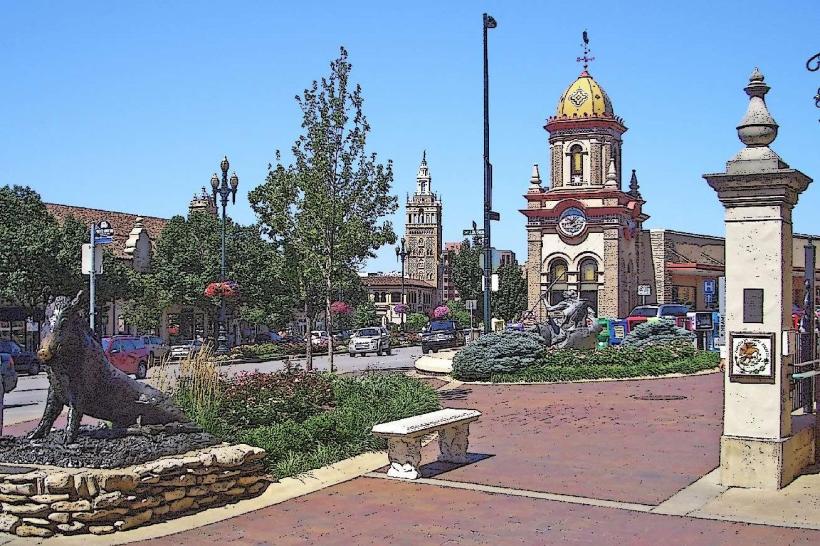
Country Club Plaza: An upscale, 15-block outdoor shopping district designed in 1922, featuring Spanish Moorish architecture and extensive sculpture.
Westport: A historic district that served as the jumping-off point for the Oregon and Santa Fe trails; now a primary nightlife and dining hub.
Crossroads Arts District: A former industrial zone turned creative center, known for art galleries, boutique lofts, and "First Fridays."
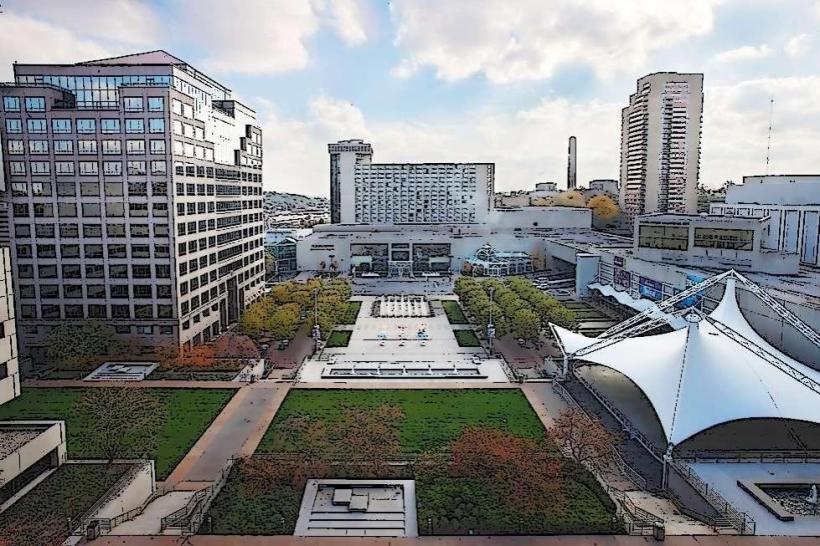
Power & Light District: A high-density, 9-block entertainment district in the downtown core.
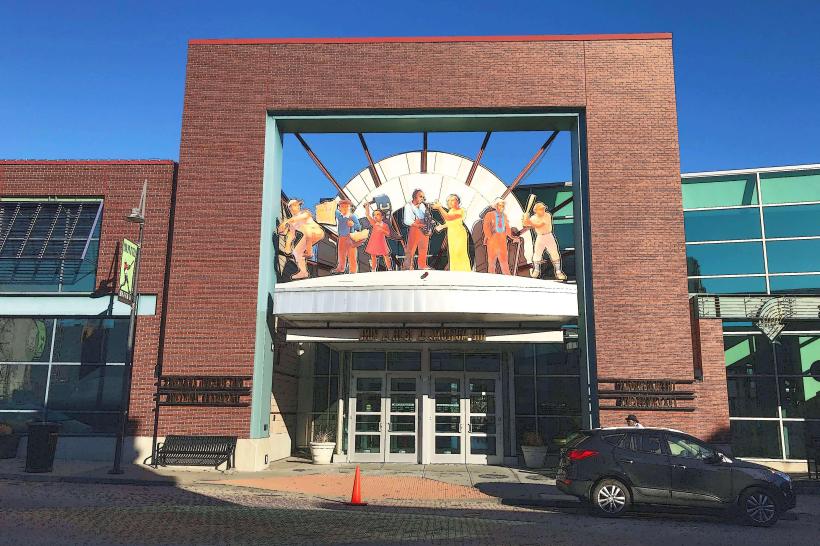
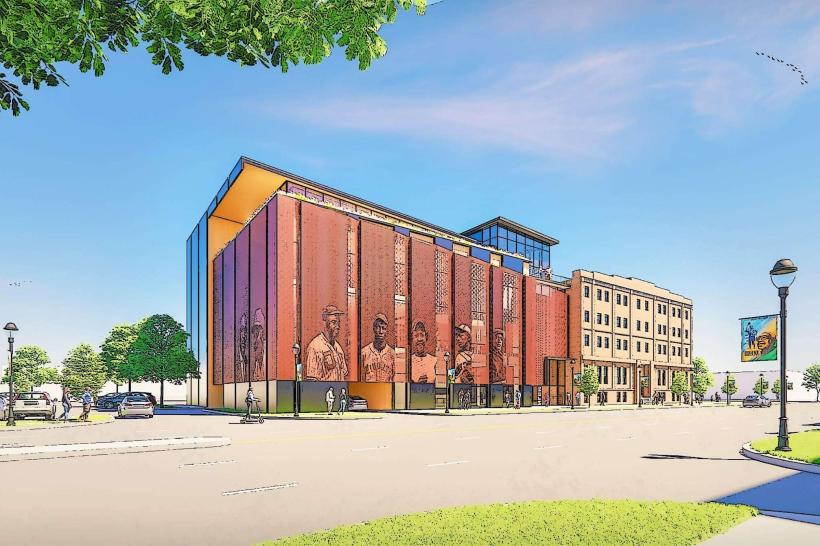
18th & Vine: The historic heart of the city’s African American culture and the birthplace of Kansas City Jazz.
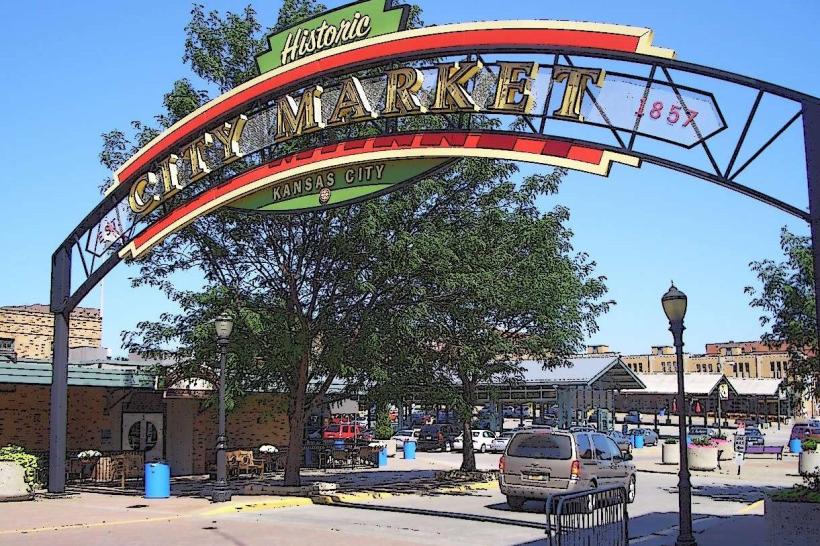
River Market: A riverfront neighborhood housing the City Market, the largest farmers market in the region.
Top City Landmarks
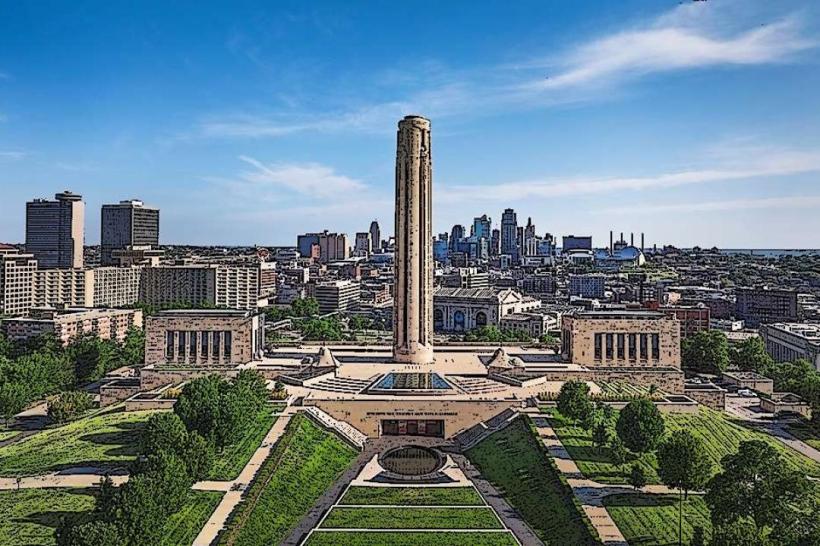
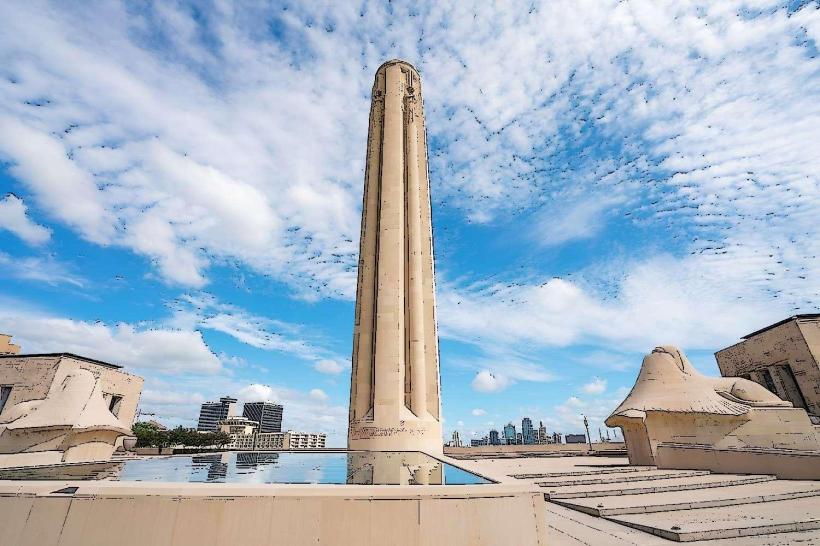
National WWI Museum and Memorial: The official U.S. memorial for the Great War, featuring the 217-foot Liberty Memorial tower.
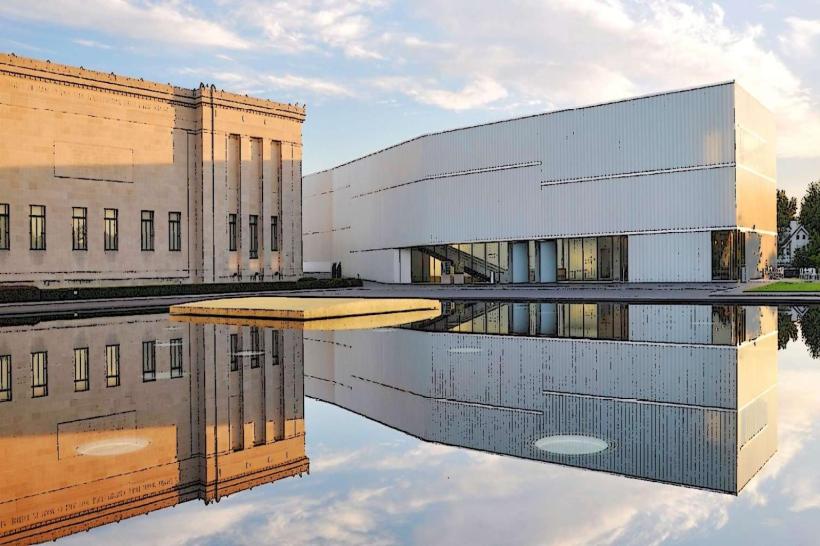
Nelson-Atkins Museum of Art: Famous for its neoclassical architecture and the "Shuttlecocks" sculptures on its lawn.
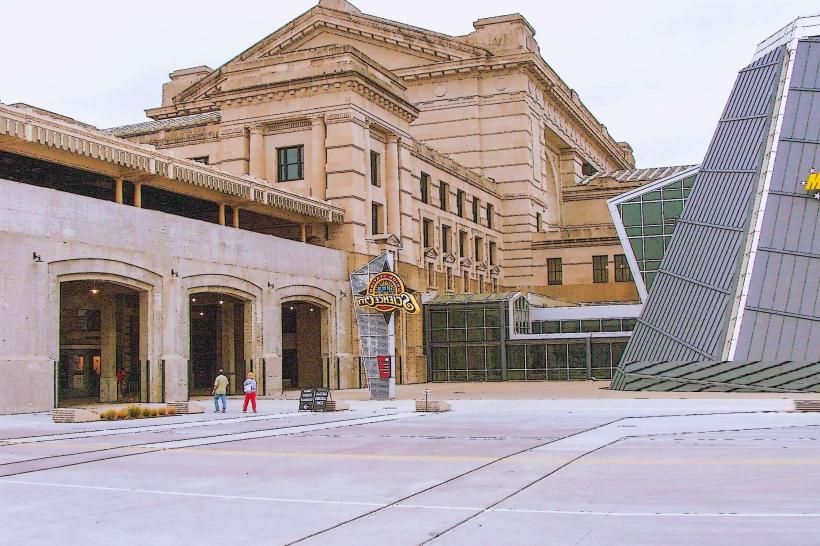
Union Station: A restored 1914 rail terminal housing Science City and traveling international exhibitions.
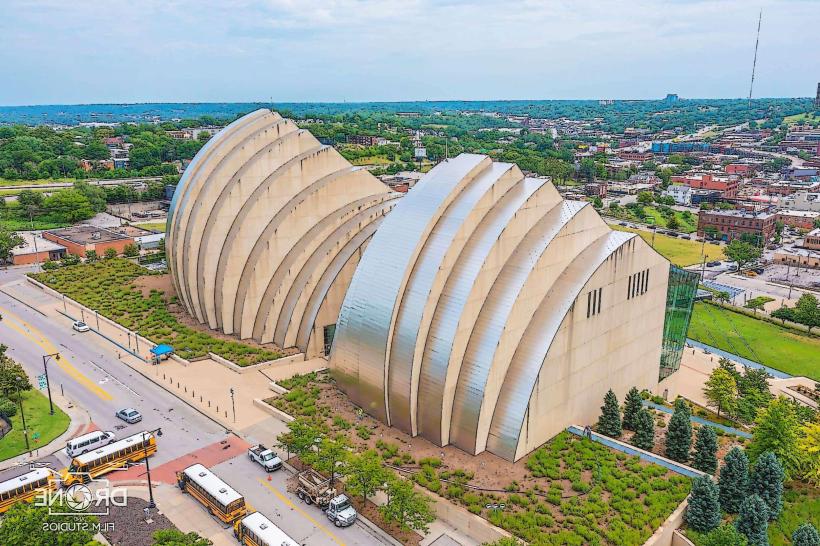
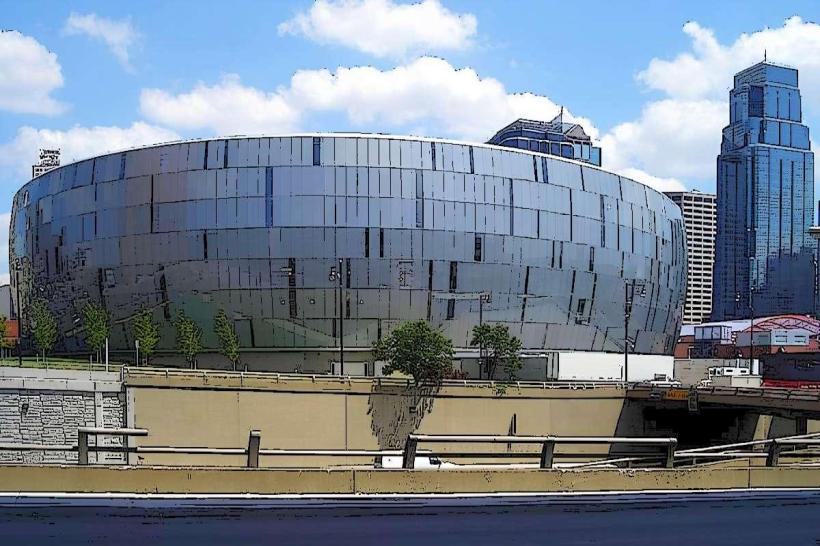
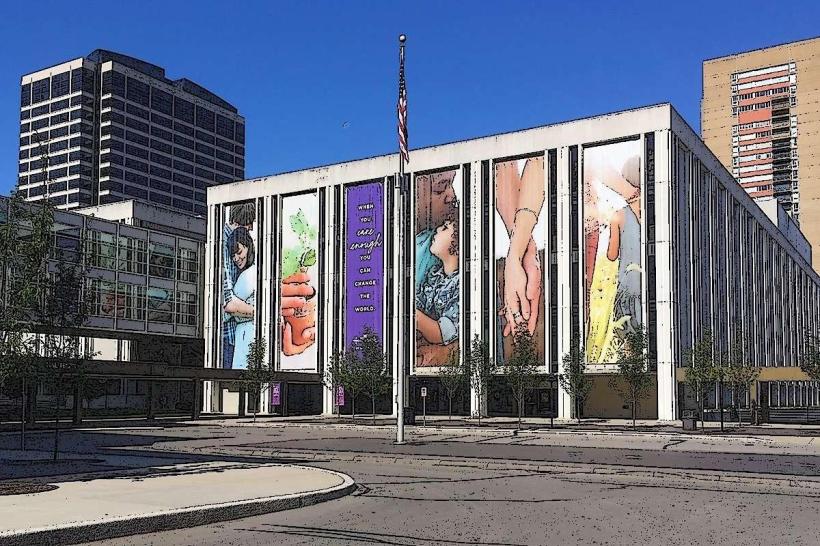
Kauffman Center for the Performing Arts: An architectural landmark featuring two distinct shell-like performance halls.
The Ewing and Muriel Kauffman Memorial Garden: A botanical garden featuring bronze sculptures and manicured displays.
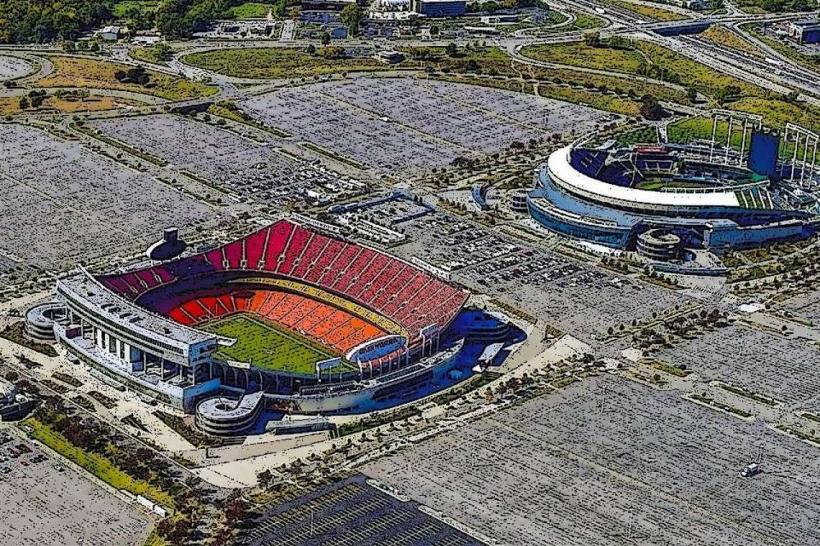
Arrowhead Stadium: Home to the NFL’s Kansas City Chiefs and holder of the Guinness World Record for loudest stadium.
Transportation Network
Movement is automotive-centric but increasingly supported by the KC Streetcar, a free-to-ride line connecting River Market to Union Station. The city is a major junction for I-70, I-35, and I-29. Commercial air service is via Kansas City International (MCI), featuring a new unified terminal opened in 2023. Ride-sharing is universal. Traffic density is high during peak commutes on the "Downtown Loop."
Safety & "Red Zones"
The general safety level is moderate. Property crime is the most frequent issue in tourist areas. Caution is advised at night in parts of the East Side (east of Troost Ave) and specific sectors of the Northeast neighborhood due to higher rates of localized violent crime. There are no officially designated "red zones." Environmental hazards include seasonal severe thunderstorms and high tornado risk during spring months.
Digital & Financial Infrastructure
Internet speeds are among the highest in the U.S. (Kansas City was the first Google Fiber city), averaging 1000+ Mbps with fiber availability via Google Fiber, AT&T, and Spectrum. Main mobile carriers are Verizon and T-Mobile. Card acceptance is universal. ATMs are concentrated in the Plaza and Downtown districts.
Climate & Air Quality
Temperatures range from -5°C to 4°C in winter and 21°C to 31°C in summer. The city experiences a humid continental climate with extreme seasonal shifts. Air quality is generally high, though impacted by regional agricultural activity during summer.
Culture & Social Norms
The standard tipping percentage is 20–25%. A handshake is the standard greeting. Dress codes are "Midwestern-Casual." The city is culturally defined by its Barbecue (characterized by thick, sweet sauces and burnt ends), its deep loyalty to the Chiefs and Royals, and its refined "Midwestern-Cosmopolitan" social atmosphere.
Accommodation Zones
Country Club Plaza: Recommended for luxury stays and walkability to high-end dining.
Downtown / Power & Light: Recommended for business and proximity to the Streetcar.
Westport: Recommended for boutique hotels and nightlife access.
Local Cost Index
1 Espresso: $4.75 (USD)
1 Standard BBQ Plate: $22.00 (USD)
1 KC Streetcar Fare: $0.00 (Free).
Nearby Day Trips
Lawrence, KS: (65 km west; home to the University of Kansas).
Weston, MO: (50 km northwest; historic tobacco town and orchards).
Powell Gardens: (50 km east; a massive botanical garden and nature preserve).
Facts & Legends
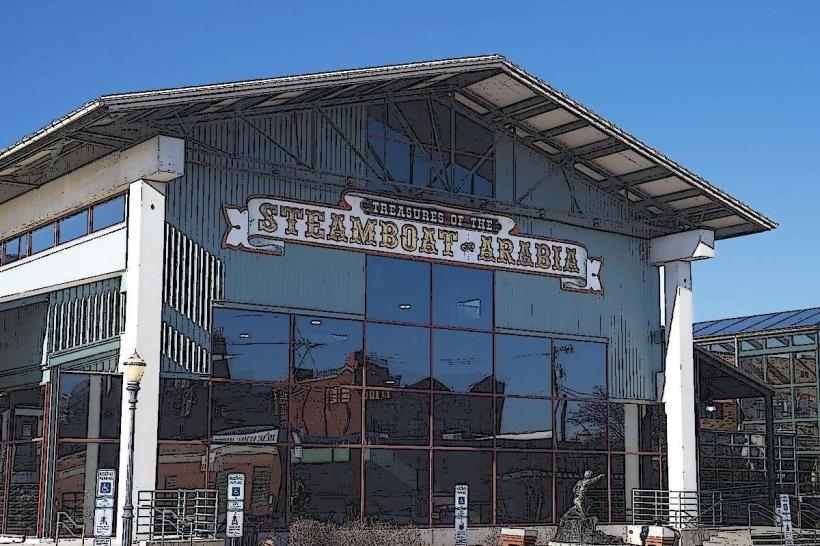
Kansas City has more miles of boulevards than any city in the world except Paris. Historically, it was the site where Walt Disney opened his first animation studio (Laugh-O-Gram Studio). A local legend involves the "Sauer Castle," a mansion rumored to be haunted and linked to hidden tunnels. Another legend concerns "The Treasure of the Steamboat Arabia," referring to a 1856 wreck buried 45 feet underground in a cornfield, eventually recovered with its cargo perfectly preserved.