Information
City: KolkataCountry: India
Continent: Asia
Kolkata, India, Asia
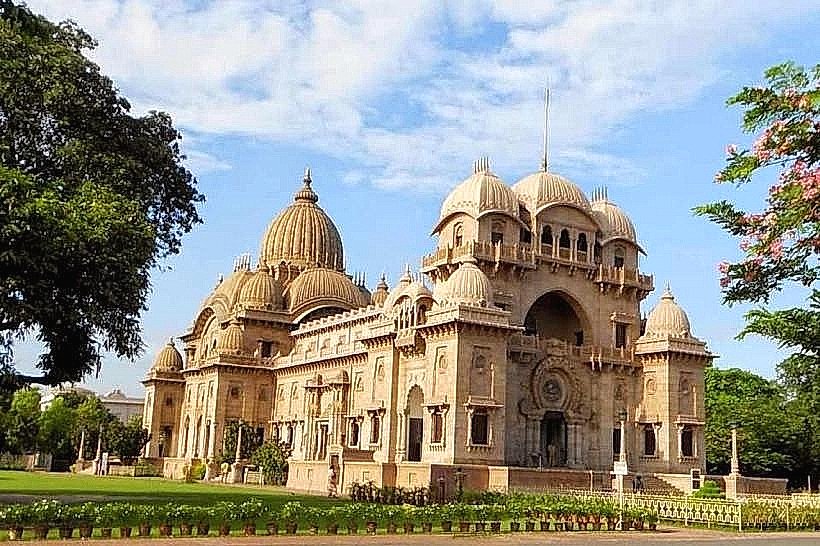
Kolkata is the capital of West Bengal and the cultural and intellectual hub of East India. Situated on the east bank of the Hooghly River, it is defined by its grand Victorian colonial architecture, its deep-rooted literary heritage, and its status as the former capital of British India.
Historical Timeline
The region originated as three villages: Kalikata, Sutanuti, and Gobindapur. A critical historical event occurred in 1690 when Job Charnock, an agent of the East India Company, established a trading post here. In 1772, it was declared the capital of British India, a status it held until the capital was moved to Delhi in 1911. Throughout the 19th and early 20th centuries, it was the epicenter of the Bengal Renaissance, a period of immense social and cultural reform. In 1947, the city faced a massive influx of refugees following the Partition of Bengal. In 2026, Kolkata is a major commercial node connecting India to Southeast Asian markets.
Demographics & Population
The 2026 metro area population is approximately 15,650,000. The demographics are predominantly Bengali Hindu, with a significant Muslim minority (20%) and established communities of Marwaris, Anglo-Indians, and the only Chinatown in India. The economy is driven by Heavy Industry, Information Technology, Financial Services, and Port Logistics.
Urban Layout & Key Districts
Kolkata is organized along a north-south axis following the river.
North Kolkata: The oldest part of the city; features narrow lanes, 19th-century "Rajbari" mansions, and a dense, traditional atmosphere.
Central Business District (B.B.D. Bagh): The administrative core; home to the Writers' Building and massive colonial-era structures.
South Kolkata: An affluent residential and cultural district housing the city’s elite clubs, theaters, and upscale shopping.
Salt Lake (Bidhannagar) & New Town: Planned satellite cities to the east; the primary hubs for the IT industry and modern high-rise development.
Top City Landmarks
Victoria Memorial: A massive white marble monument built between 1906 and 1921, blending British and Mughal architectural elements.
Howrah Bridge (Rabindra Setu): An iconic cantilever bridge spanning the Hooghly River, one of the busiest in the world.
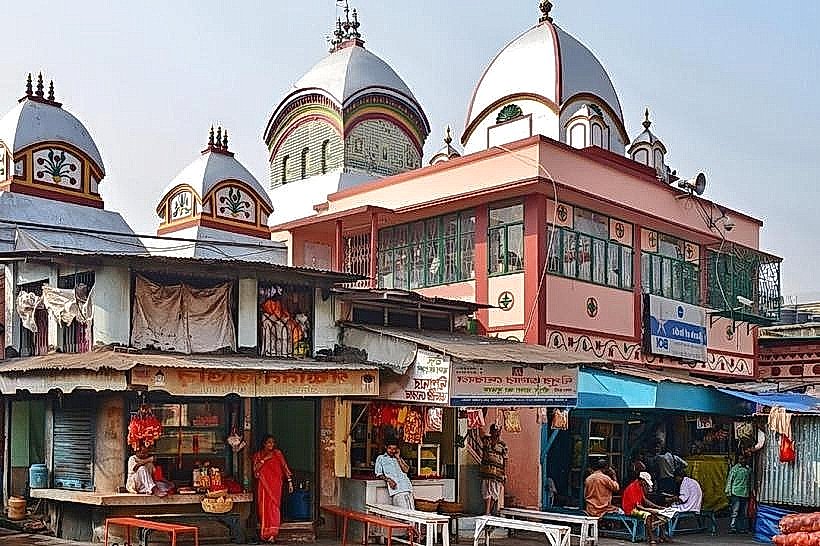
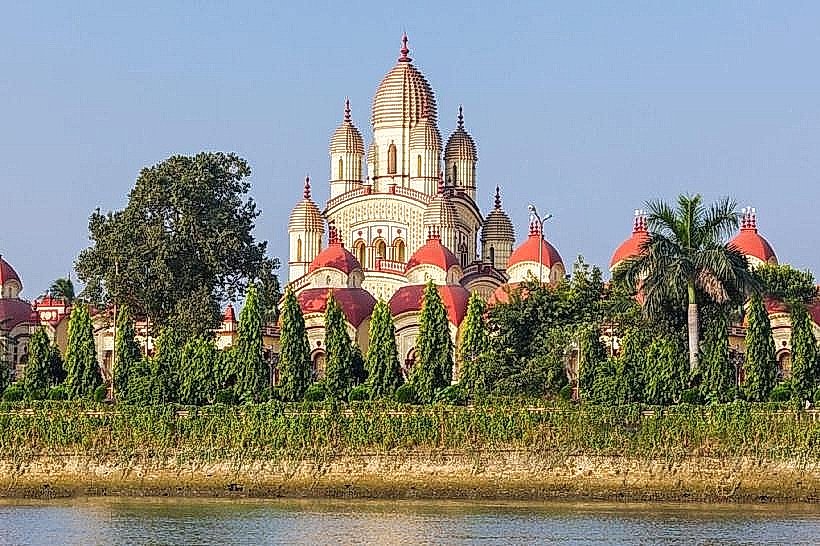
Dakshineswar Kali Temple: A 19th-century Hindu navaratna temple where the mystic Ramakrishna Paramahamsa served as a priest.
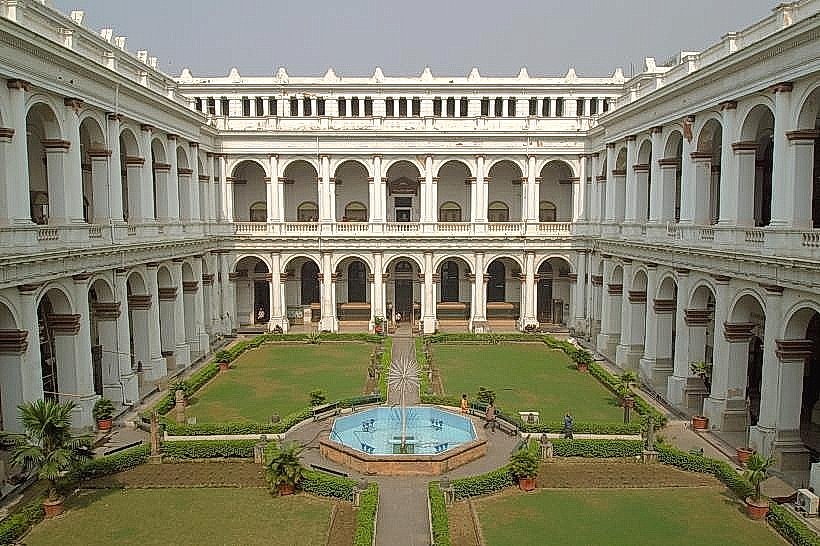
Indian Museum: Founded in 1814, it is the oldest and largest multi-purpose museum in the Asia-Pacific region.
Mother House: The headquarters of the Missionaries of Charity and the tomb of Saint Mother Teresa.
Park Street: The city's primary entertainment and dining artery, famous for its heritage restaurants and nightlife.
Transportation Network
Movement is facilitated by the Kolkata Metro, India's first underground railway. In 2026, the East-West Corridor features an operational underwater section beneath the Hooghly River. Netaji Subhash Chandra Bose International Airport (CCU) serves as the primary air hub. The city is home to the only surviving tram network in India. Local transport relies on yellow ambassador taxis, rickshaws, and ferry services.
Safety & "Red Zones"
General safety is high; Kolkata is frequently ranked as one of the safest Indian metros. Petty theft is common in crowded hubs like New Market or Howrah Station. Severe Waterlogging during the monsoon (June–September) is a major urban hazard. Environmental "red zones" include the industrial belts of Howrah due to high particulate matter.
Digital & Financial Infrastructure
5G connectivity is universal across the metro area. UPI payments are used for almost all transactions, including by tram conductors and street food vendors. International card acceptance is standard in formal retail. West Bengal GST applies to all goods and services.
Climate & Air Quality
Temperatures range from 12°C to 27°C in winter and 28°C to 40°C in summer. The climate is tropical and highly humid. Air quality is often Poor during winter months due to agricultural burning and industrial emissions.
Culture & Social Norms
The standard tipping percentage is 10%. A "Polite-Intellectual" greeting is standard. Dress codes are "Traditional-Conservative" to "Western-Casual." The city is culturally defined by Adda (intellectual conversation), Football, and Durga Puja (a UNESCO-listed festival).
Local Cost Index
1 Espresso: ₹150 ($1.80 USD)
1 Standard Lunch: ₹300 ($3.60 USD)
1 Victoria Memorial Entry: ₹30 (Indians) / ₹500 (Foreigners).
Nearby Day Trips
Sundarbans: (100 km south; the world's largest mangrove forest and a tiger reserve).
Shantiniketan: (160 km north; the university town founded by Rabindranath Tagore).
Bishnupur: (140 km northwest; famous for its 17th-century terracotta temples).
Facts & Legends
Kolkata is the only city in India with a functioning tramway. Historically, it produced three of India’s Nobel Laureates. A local legend involves the "Black Hole of Calcutta," a 1756 dungeon incident that became a justification for British conquest. Another legend concerns the "Ghost of Hastings House," where the spirit of Warren Hastings is said to search for missing documents in his former residence.