Information
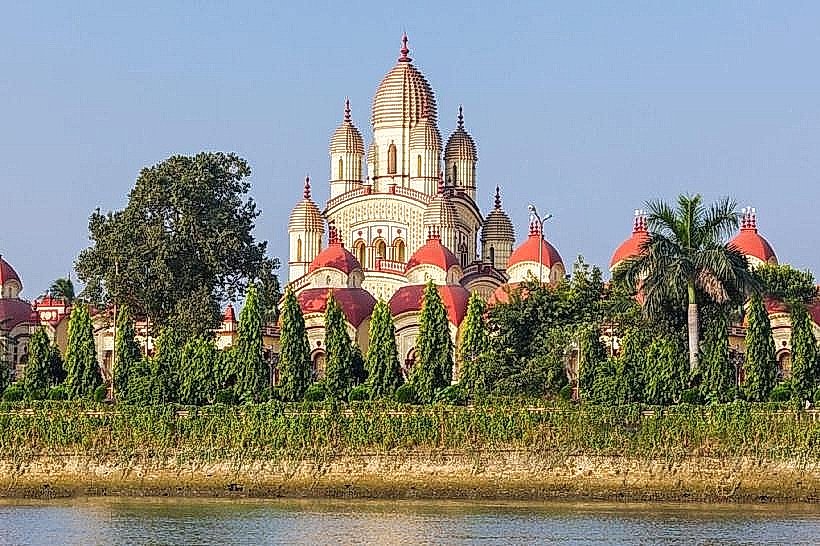
Landmark: Indian MuseumCity: Kolkata
Country: India
Continent: Asia
Indian Museum, Kolkata, India, Asia
Kemmerer City Park is a public recreational area located in Kemmerer, Wyoming.
Visual Characteristics
The park features a central pond, approximately 1.5 acres in surface area, with a maximum depth of 8 feet. Surrounding the pond are mature deciduous trees, primarily cottonwoods and aspens, providing shade. The ground cover consists of mowed grass and gravel pathways. A small, concrete bandstand is situated on the western edge of the pond.
Location & Access Logistics
Kemmerer City Park is situated at 100 Lincoln Street, Kemmerer, Wyoming. It is located 0.3 miles south of the downtown business district. Parking is available along Lincoln Street and in a designated lot on the park's eastern side, with approximately 30 spaces. No public transport routes directly serve the park; nearest bus stops are located on Main Street, 0.5 miles north.
Historical & Ecological Origin
The park was established in 1935 through a Works Progress Administration (WPA) project. The pond was created by excavating a natural depression and channeling water from a nearby spring. The surrounding vegetation is native to the high plains environment of western Wyoming.
Key Highlights & Activities
Activities include fishing in the pond (catch and release encouraged), picnicking at designated tables, and walking the perimeter path. The bandstand is used for occasional community events during summer months.
Infrastructure & Amenities
The park contains 10 picnic tables, 4 trash receptacles, and 2 restroom facilities. Shade is provided by the tree canopy. Cell phone signal (4G) is generally available within the park. No food vendors operate within the park; nearest options are located in the downtown area.
Best Time to Visit
For photography, early morning (7:00 AM - 9:00 AM) offers soft light on the pond. The best months for general use are May through September, when temperatures are mildest. The pond is accessible year-round, though ice may form in winter.
Facts & Legends
Local lore suggests the pond was once a watering hole for early settlers' livestock, and some claim to have seen the reflection of a horse and rider that is not present in reality. The park is also known for its population of resident mallard ducks.
Nearby Landmarks
- Fossil Butte National Monument (15km Northwest)
- Kemmerer Historical Museum (0.4km North)
- South Lincoln Medical Center (0.6km Southwest)
- Kemmerer Public Library (0.3km North)