Information
City: KrkCountry: Croatia
Continent: Europe
Krk, Croatia, Europe
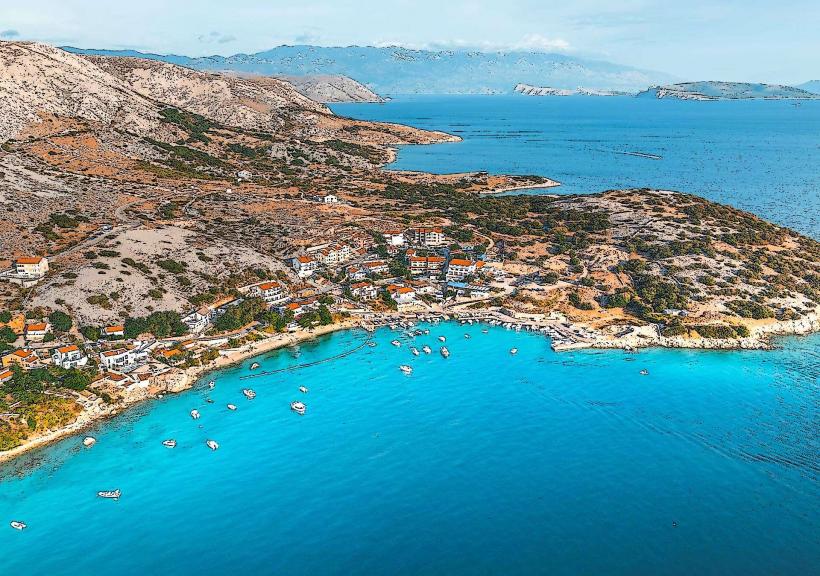
Krk functions as the administrative, religious, and historical center of the island of Krk, the most populous island in the Adriatic. Situated on a bay on the southwest coast, it serves as a specialized node for maritime logistics, viticulture (Žlahtina wine), and renewable energy research. It is defined by its 2,000-year-old defensive walls, its status as the historic seat of the Frankopan dukes, and its role as a primary gateway between the northern Adriatic islands and the Croatian mainland.
Historical Timeline
Krk was established as the Liburnian settlement Curicta. The primary era of governance was defined by the Frankopan family (12th–15th century), a powerful Croatian noble lineage that ruled from the city's castle. The primary event shaping its modern identity was the 1980 completion of the Krk Bridge, which integrated the island into the mainland's industrial and tourist infrastructure. Historically, it was a major center for Glagolitic literacy and the site of the first Croatian-language newspaper.
Demographics & Population
The population is approximately 7,100 (2026 estimate). The demographic profile is specialized toward tourism management, nautical services, and agricultural engineering. The city is a regional academic center, housing several secondary technical schools focused on maritime and hospitality studies.
Urban Layout & Key Districts
The city is organized into a fortified medieval core and expansive modern residential-tourist zones.
Old Town (Stari Grad): A specialized historic zone enclosed by Roman and medieval walls, featuring a dense network of limestone-paved alleys.
Dražica: A specialized eastern district characterized by high-density hotel infrastructure, beaches, and pine forests.
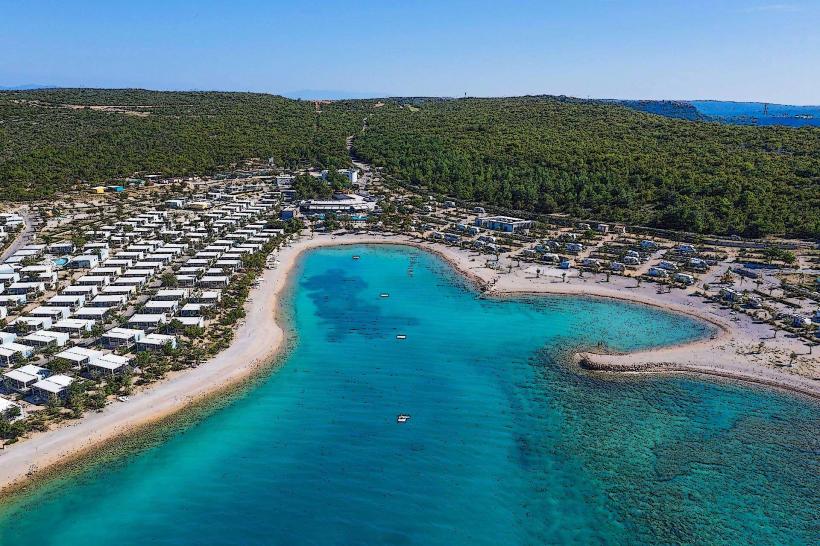
Ježevac: A specialized western district focused on high-end camping and nautical recreation.
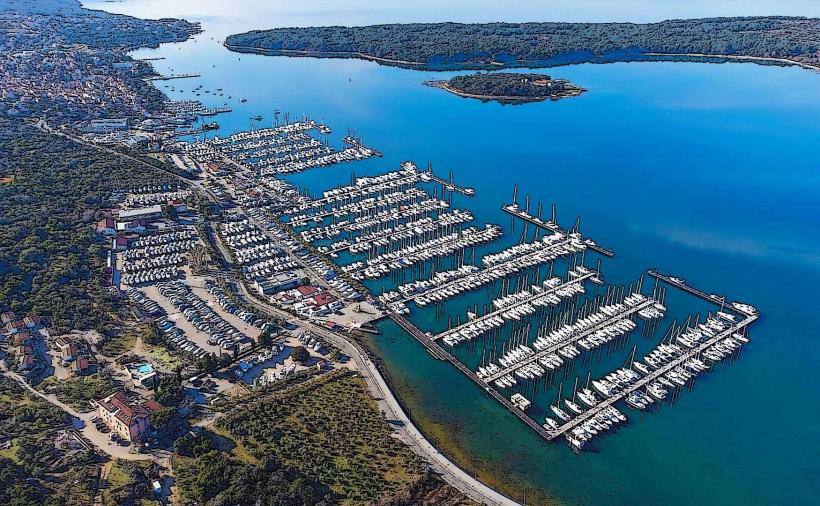
The Port: The specialized commercial and social hub, serving as the main docking point for excursion boats and local fishing fleets.
Top City Landmarks
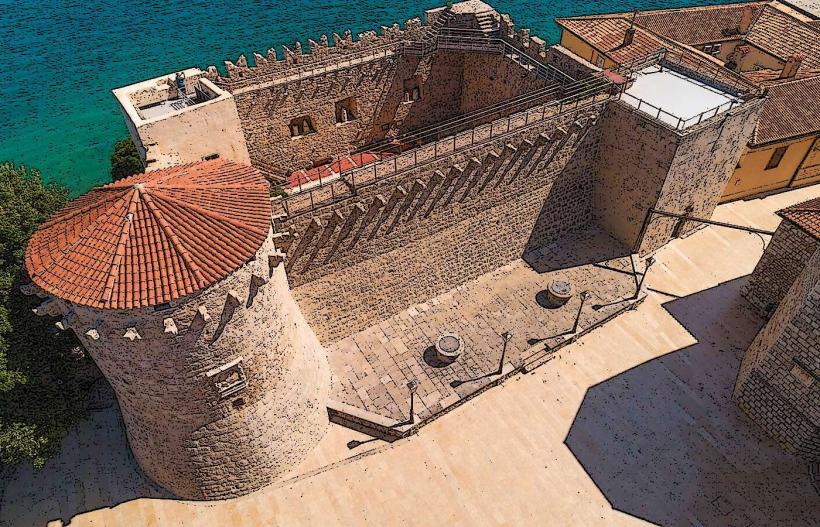
Frankopan Castle: A specialized 12th-century fortification on Kamplin Square, built by the dukes of Krk for defensive and administrative purposes.
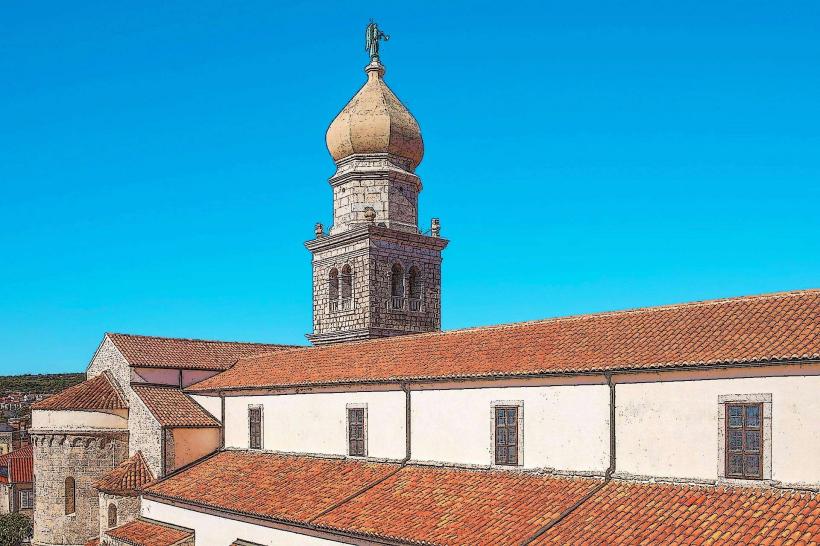
Krk Cathedral (Assumption of Mary): A specialized early Christian basilica built on the site of Roman baths; it features a unique synthesis of Romanesque, Gothic, and Baroque elements.
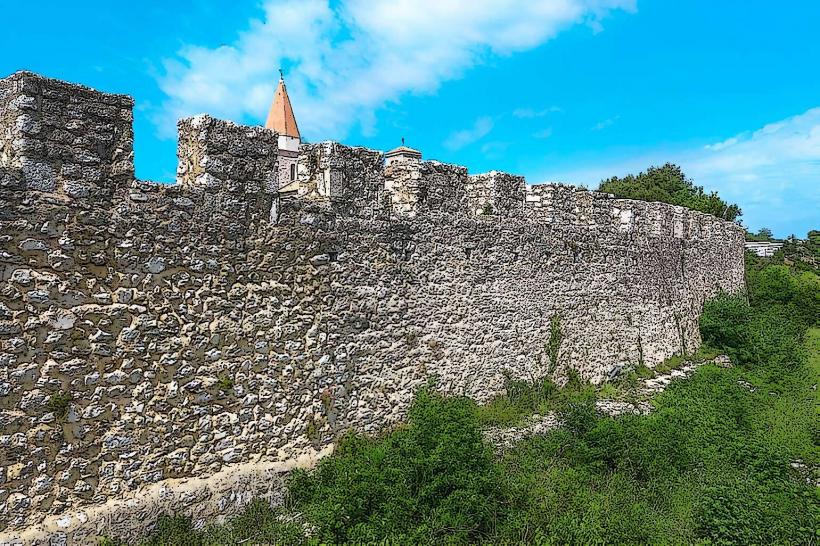
The City Walls: The specialized defensive perimeter; it is the third-largest fortification system in Croatia, with sections dating back to the 1st century BC.
The Dual Church (St. Quirinus and St. Margaret): A specialized Romanesque structure consisting of two churches built on top of each other, now housing the Cathedral's treasury.
Vela Placa (Main Square): The specialized central plaza, featuring the only 16th-century town hall on the island and a 15th-century fountain.
Glagolitic Path: A specialized educational trail within the city and surrounding area documenting the historic Slavic script used on the island.
Transportation Network
Krk is the primary transit node for the Kvarner islands.
Krk Bridge (Krčki most): A specialized 1.4-km reinforced concrete arch bridge connecting the island to the mainland; it was the longest concrete arch in the world upon completion.
Rijeka Airport (RJK): Located 25 km north on the island of Krk near Omišalj; it serves as the primary international entry point for the region.
Valbiska Ferry Port: Located 12 km away; the specialized hub for ferries to the islands of Cres and Rab.
Public Transit: A specialized bus network (Arriva) connecting the city to Rijeka and all major settlements on the island.
Safety & "Red Zones"
The general safety level is very high. Krk is statistically one of the safest urban environments in Croatia. There are no "red zones." Standard urban awareness is sufficient.
Digital & Financial Infrastructure
The city is a leader in Smart Island Waste Management and Photovoltaic Integration. Internet speeds average 400–800 Mbps. 5G is universal in the city center. In 2026, the city utilize a specialized digital platform for monitoring real-time energy production from municipal solar arrays.
Climate & Air Quality
Krk has a mild Mediterranean climate. Average temperatures range from 6°C in January to 28°C in July. Air quality is exceptionally high due to the island's geography and the frequent "Bura" wind which prevents stagnation.
Culture & Social Norms
Social norms are characterized by a strong local identity ("Boduli") and pride in the island's noble history. Tipping (10%) is standard. The primary cultural event is the Krk Fair (Lovrečeva), a three-day medieval festival dating back to 1524.
Local Cost Index (2026 Estimates)
1 Espresso: €1.80 – €2.50
1 Glass of Žlahtina Wine: €4.00 – €6.00
1 Standard Lunch: €15.00 – €30.00
Frankopan Castle Entry: €5.00
Nearby Day Trips
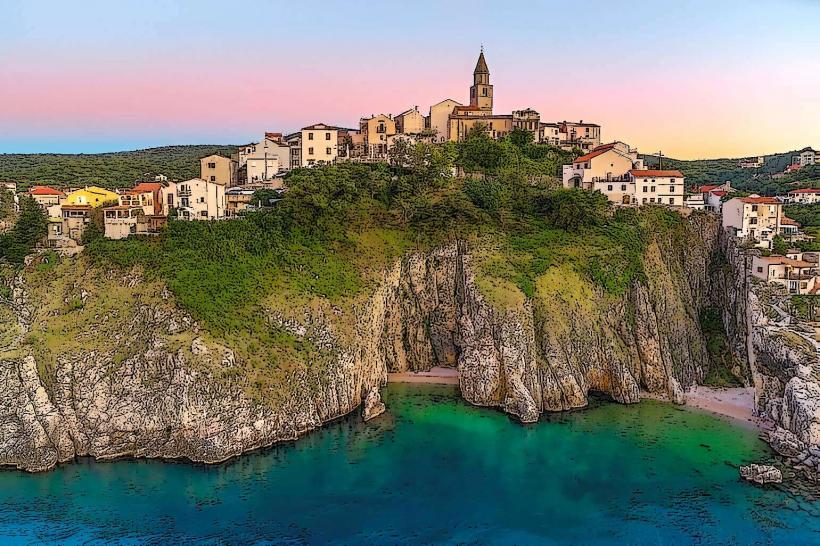
Vrbnik: 15 mins away; a specialized hilltop town famous for its Žlahtina wine and "the narrowest street in the world."
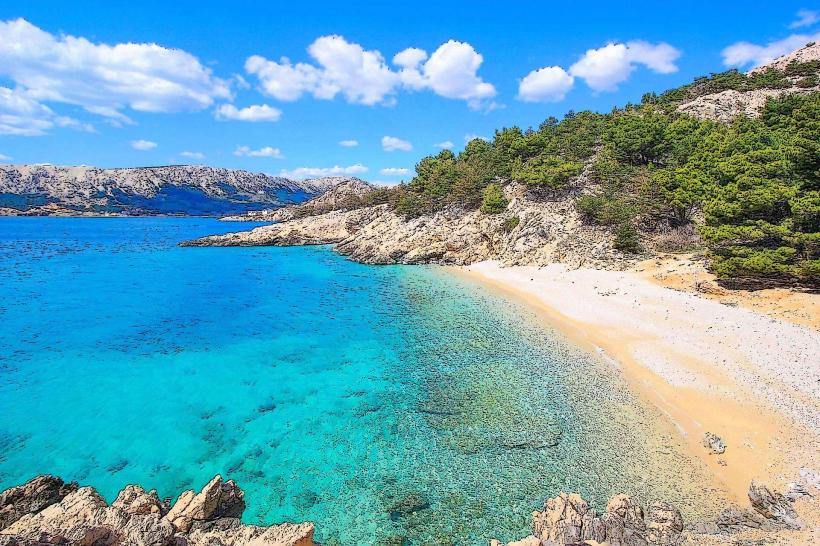
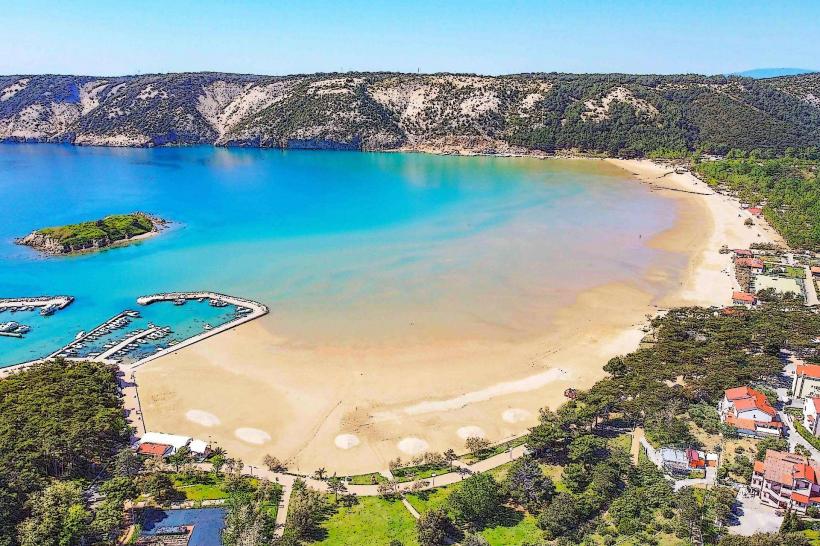
Baška: 25 mins away; home to the specialized 1.8-km "Vela Plaža" beach and the site where the 11th-century Baška Tablet was found.
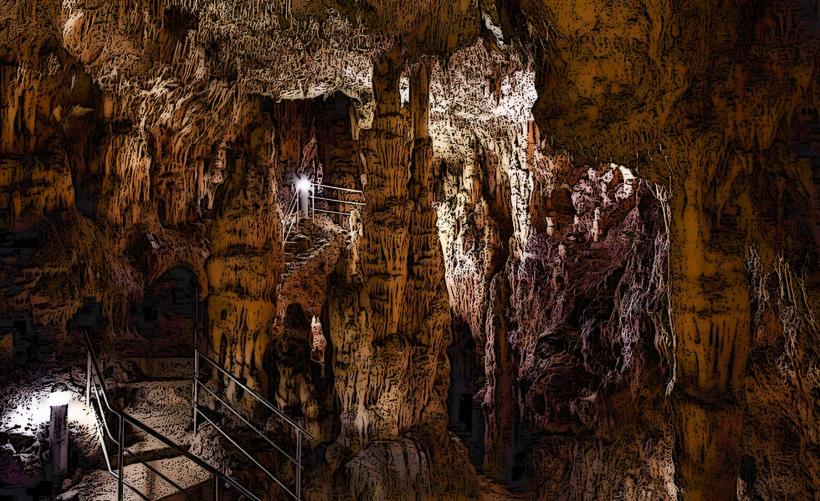
Biserujka Cave: 30 mins away; a specialized karst cave system near Rudine featuring stalactites and stalagmites.
Facts & Legends
Krk is the site where the Glagolitic script was preserved longer than anywhere else in the world. Legend states that the island was once home to the "Lamba," a mythical creature that protected the olive groves. A verified fact is that the city’s Cathedral was built using repurposed columns and mosaics from an original 1st-century Roman bathhouse. Historically, the island was known as the "Golden Island" (Insula Aurea) since Roman times due to its fertile soil and high-quality oil.