Information
Country: CroatiaContinent: Europe
Croatia, Europe
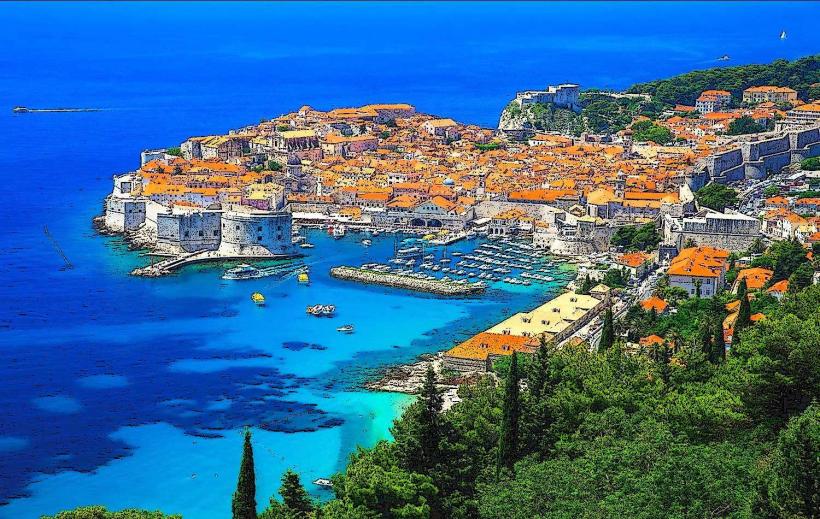
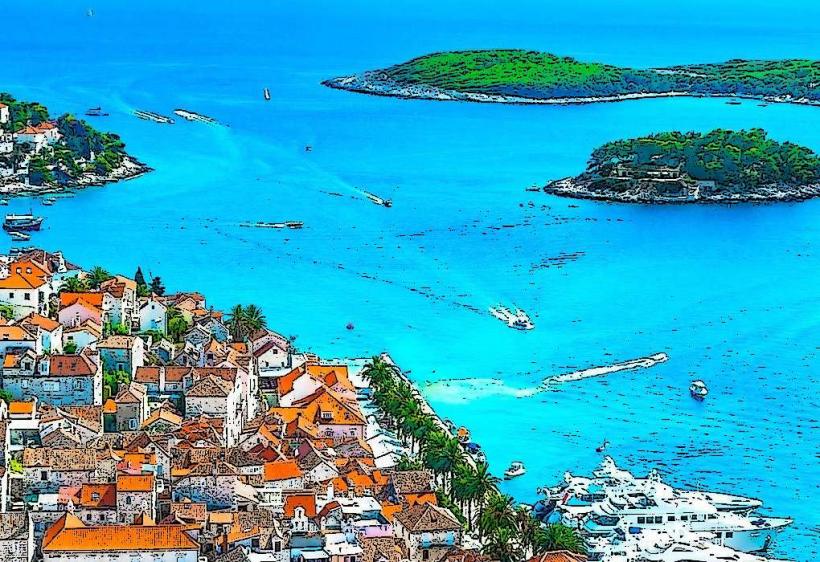
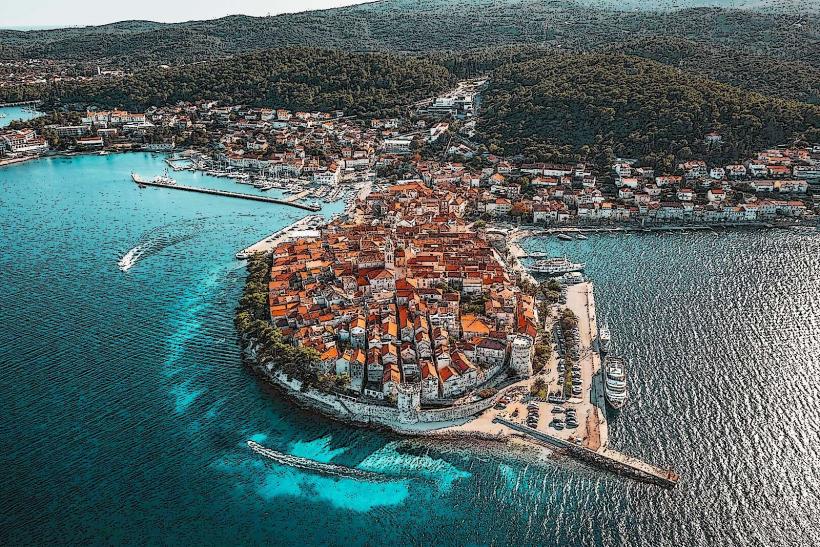
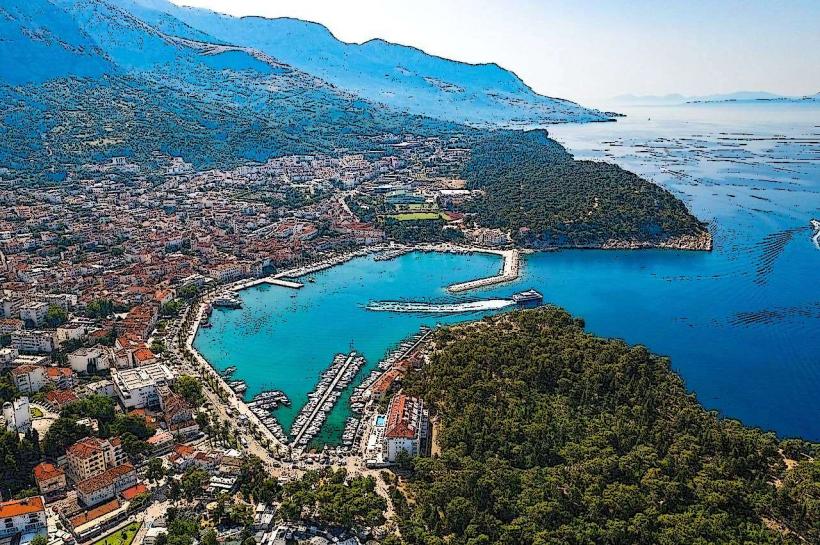
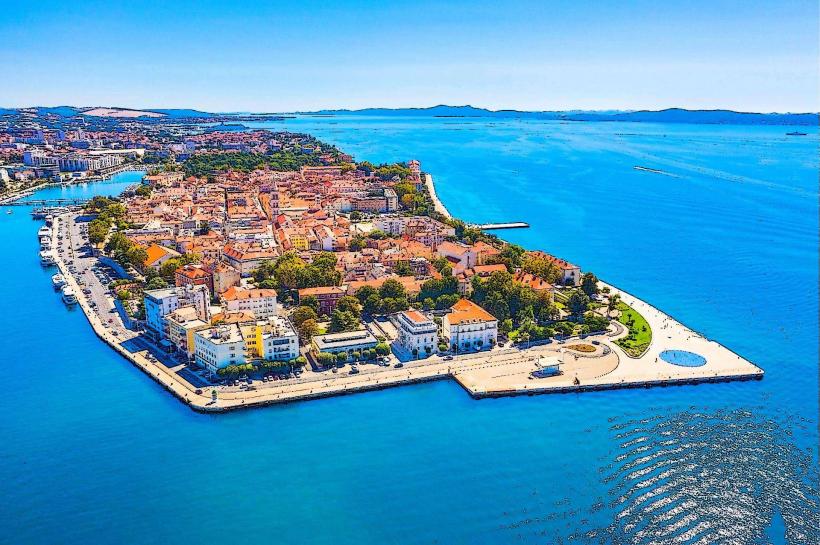
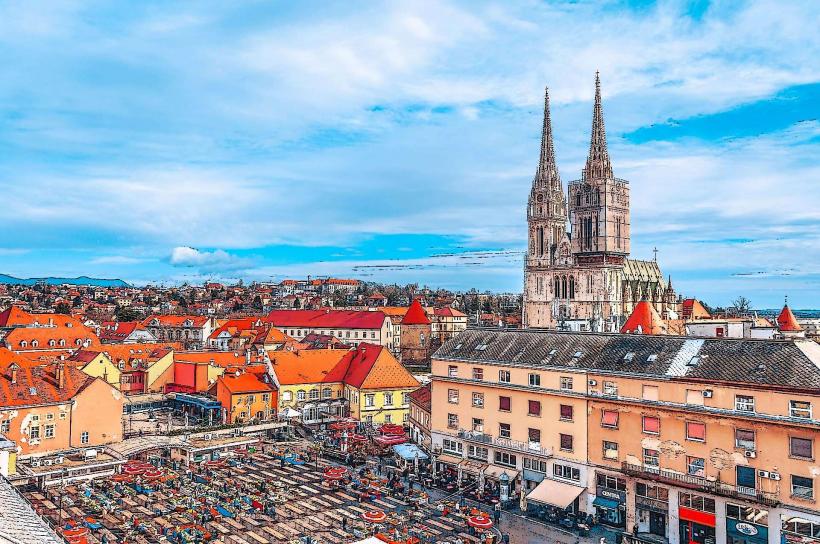
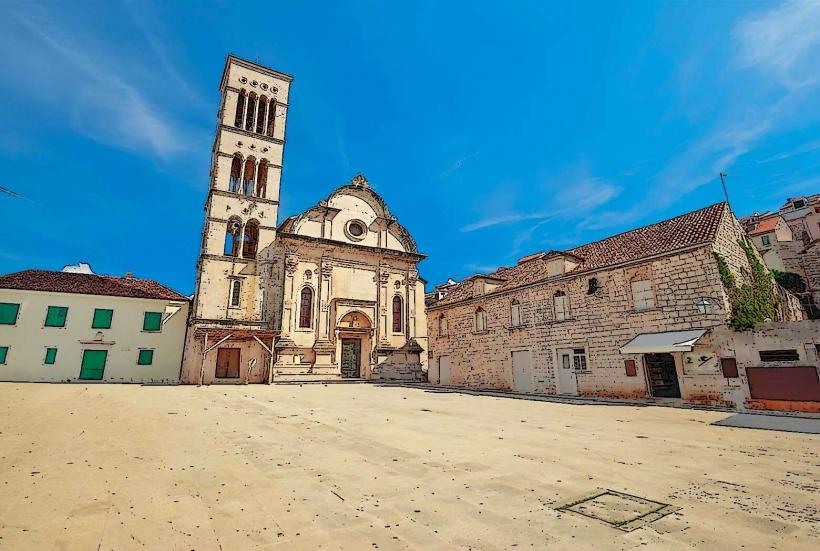
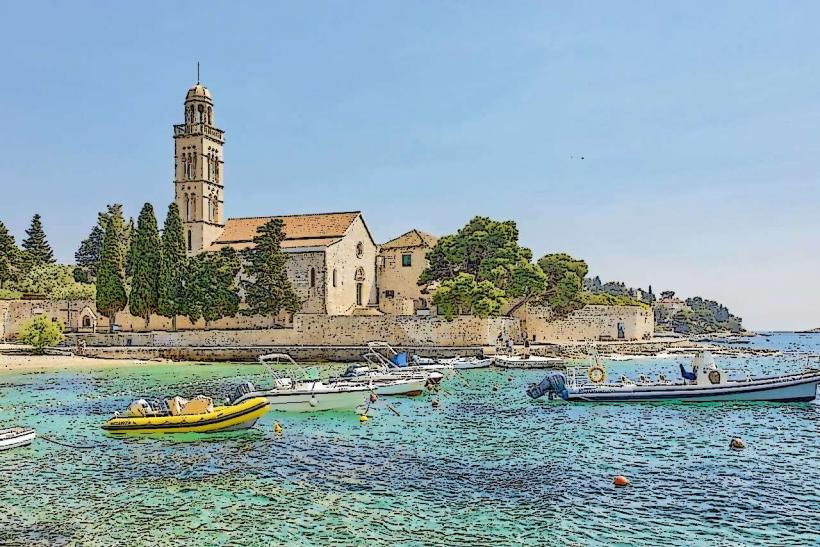
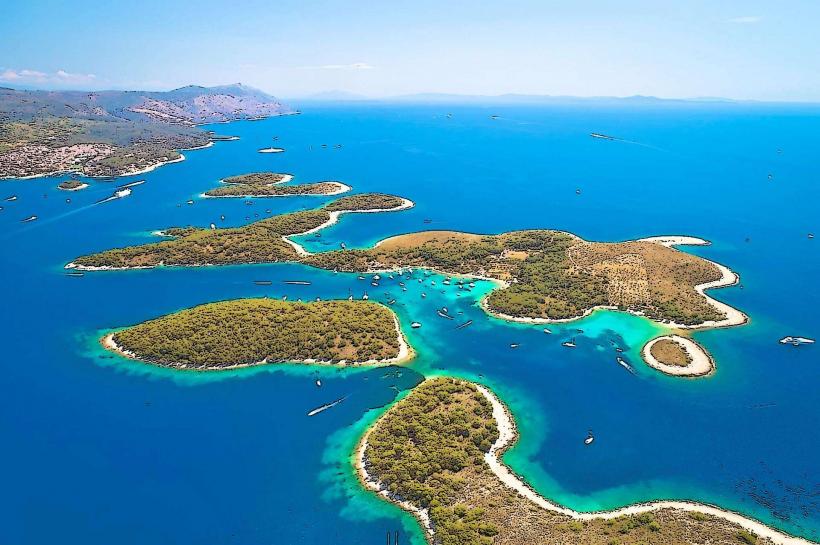
Croatia is situated at the crossroads of Central and Southeast Europe, bordering Slovenia to the northwest, Hungary to the northeast, Serbia to the east, Bosnia and Herzegovina and Montenegro to the southeast, and sharing a maritime border with Italy to the west. The country's geography is defined by its highly indented Adriatic coastline featuring over 1,200 islands and the Dinaric Alps which separate the Mediterranean coast from the Pannonian plains; the capital city is Zagreb.
Visa & Entry Policy
Croatia is a member of the Schengen Area. Citizens of the EU, US, and UK do not require a visa for stays up to 90 days within a 180-day period. As of 2026, non-EU visa-exempt travelers must obtain an ETIAS authorization prior to arrival. Passports must be valid for at least three months beyond the intended date of departure.
Language & Communication
The official language is Croatian. English proficiency is high in urban centers and coastal tourist hubs but decreases among the elderly and in rural inland regions. The language consists of three primary dialects: Štokavian (the basis for the standard language), Kajkavian (spoken around Zagreb), and Čakavian (prevalent on the islands and coast).
Currency & Payment Systems
The currency is the Euro (EUR), adopted in 2023. Card payments and contactless "tap-to-pay" are universal in cities, supermarkets, and hotels. However, cash remains necessary for small transactions at local markets, independent bakeries (pekara), and some bars or private accommodations in rural areas. ATMs are widely available across all regions.
National Transport Grid
Intercity travel is dominated by an extensive and reliable long-distance bus network operated by companies such as Arriva, FlixBus, and Čazmatrans. The rail network, managed by HŽ (Croatian Railways), is limited and generally slower than buses, primarily connecting Zagreb to Split, Rijeka, and Vinkovci. Croatia Airlines operates domestic flights between Zagreb and coastal hubs like Dubrovnik, Split, and Pula. Jadrolinija manages the essential ferry and catamaran network connecting the mainland to the islands.
Digital Infrastructure
Primary mobile network providers are Hrvatski Telekom (HT), A1 Hrvatska, and Telemach. 5G coverage is widespread in all major cities and coastal resorts. 4G reliability is high nationwide, though signal strength may fluctuate in remote mountainous areas of the Gorski Kotar or the outer islands.
Climate & Seasonality
Croatia has two primary climate zones: a Mediterranean climate along the coast with hot, dry summers and mild, rainy winters, and a Continental climate in the interior with hot summers and cold, snowy winters. July and August are the driest months, while November and December typically receive the highest rainfall.
Health & Safety
No mandatory vaccinations are required. Tick-borne encephalitis is a seasonal risk in the forested northern regions from spring to autumn. Marine risks include sea urchins and jellyfish in the Adriatic. The universal emergency number is 112; specific lines are 192 (Police), 194 (Ambulance), and 193 (Fire).
Top 3 Major Regions & Cities
Dalmatia: Primary hub is Split (including Dubrovnik and Zadar).
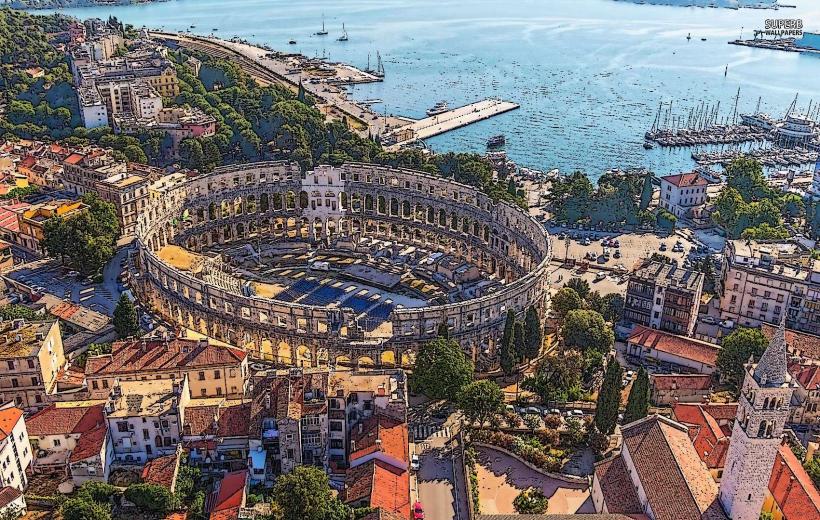
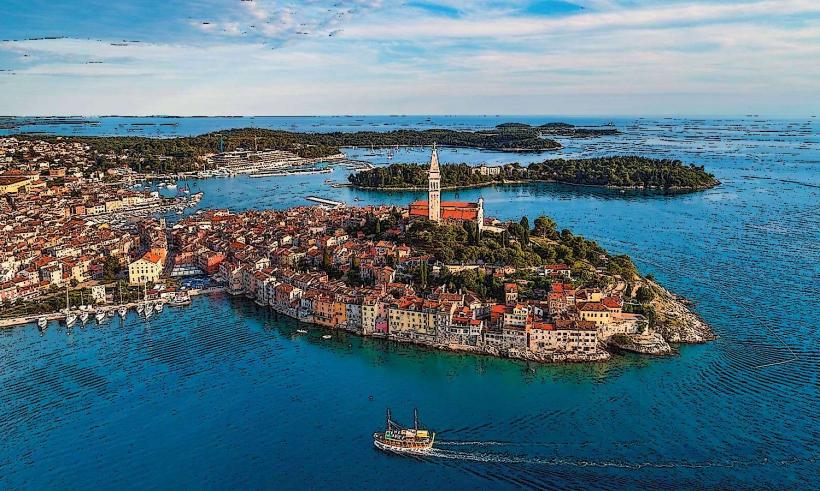
Istria: Primary hub is Pula (including Rovinj and Poreč).
Central Croatia: Primary hub is Zagreb.
Local Cost Index
1L Water: €1.00 ($1.10 USD)
1 Domestic Beer: €3.00 ($3.30 USD)
1 Sim Card (Data Plan): €10.00 ($11.00 USD)
Facts & Legends
According to regional folklore, the village of Kringa in Istria was home to Jure Grando Alilović, documented in 1672 as the first person in European records to be officially described as a "vampire." He reportedly terrorized the village for 16 years after his death before locals exhumed his body and beheaded him. In historical engineering, the necktie (cravat) originated in Croatia, popularized by 17th-century Croatian mercenaries serving in the French army.