Information
City: RovinjCountry: Croatia
Continent: Europe
Rovinj, Croatia, Europe
Rovinj functions as a primary cultural and tourism node of the Istrian County. Situated on the western coast of the Istrian peninsula, it serves as a specialized center for high-end hospitality, maritime research (Ruđer Bošković Institute), and the tobacco industry. It is defined by its Venetian Gothic architecture, its original status as an island settlement, and its role as the most visited destination in Croatia per capita.
Historical Timeline
Rovinj was established as a settlement of the Histri tribe before becoming the Roman Arupinium. The primary era of governance was defined by the Republic of Venice (1283–1797), which reconstructed the city in its characteristic style to serve as a strategic Adriatic outpost. The primary event shaping its modern identity was the 1763 filling of the channel that separated the island from the mainland. Historically, the city has maintained a strong bilingual and bicultural (Croatian-Italian) identity.
Demographics & Population
The population is approximately 13,000 (2026 estimate). The demographic profile is characterized by a significant Italian minority (approx. 10%) and a workforce highly specialized in luxury tourism and maritime ecology. It is home to the oldest maritime research center in the Adriatic, the Center for Marine Research of the Ruđer Bošković Institute.
Urban Layout & Key Districts
The city is organized into a densely packed medieval core on a former island and modern expansions along the coastline.
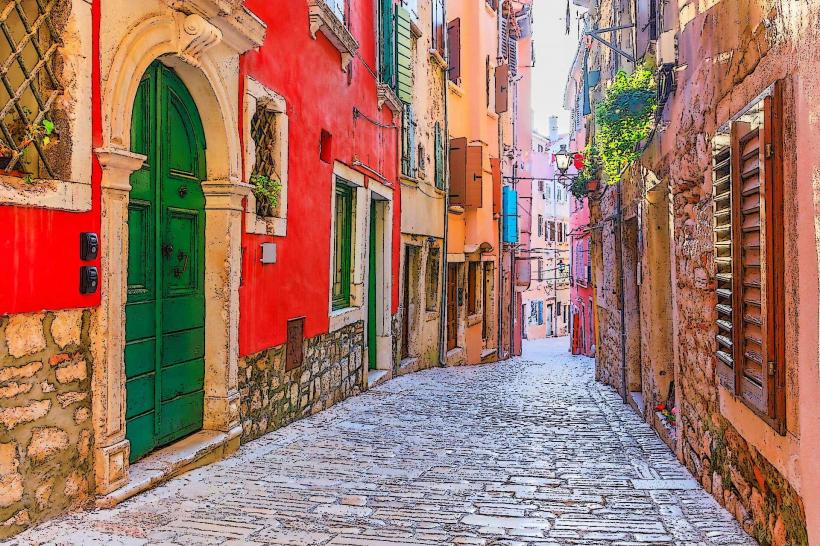
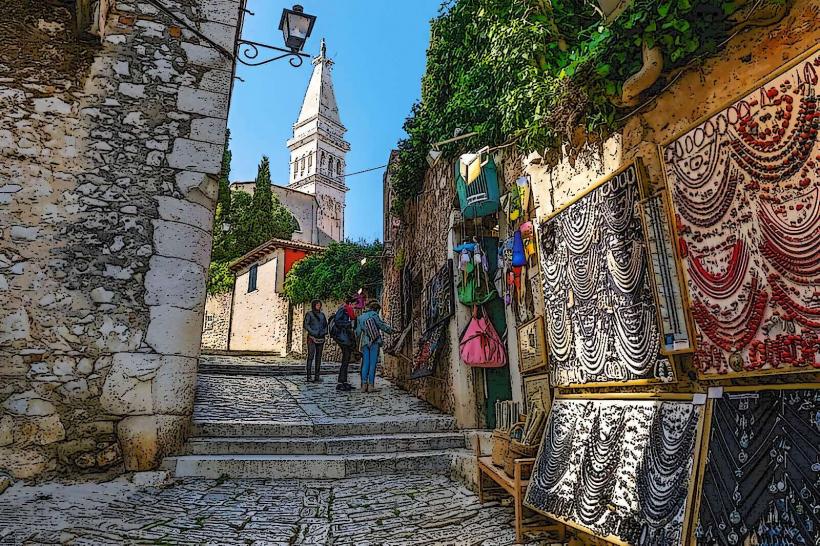
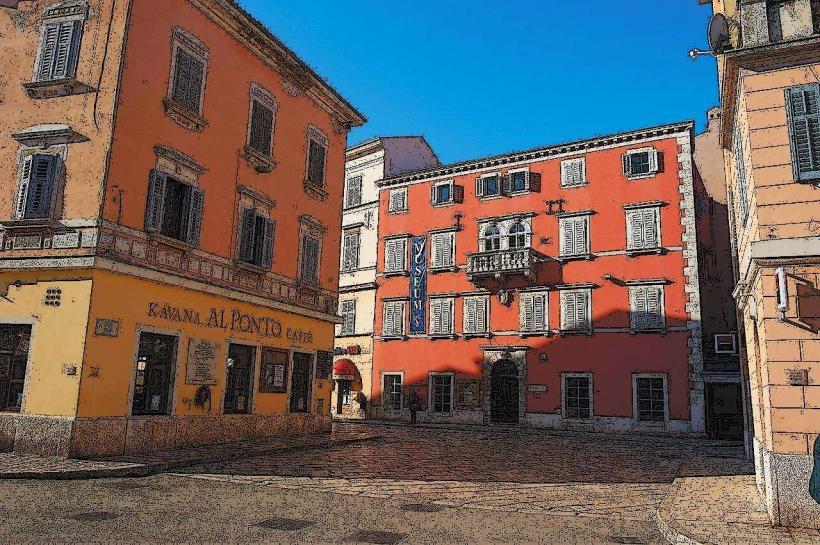
Old Town (Stari Grad): A specialized historic zone characterized by narrow, steep cobblestone streets and chimney-topped stone houses.
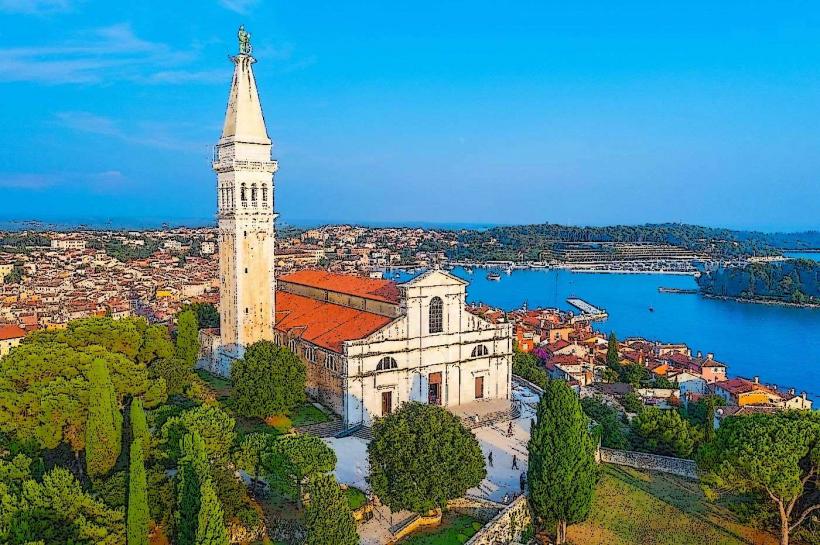
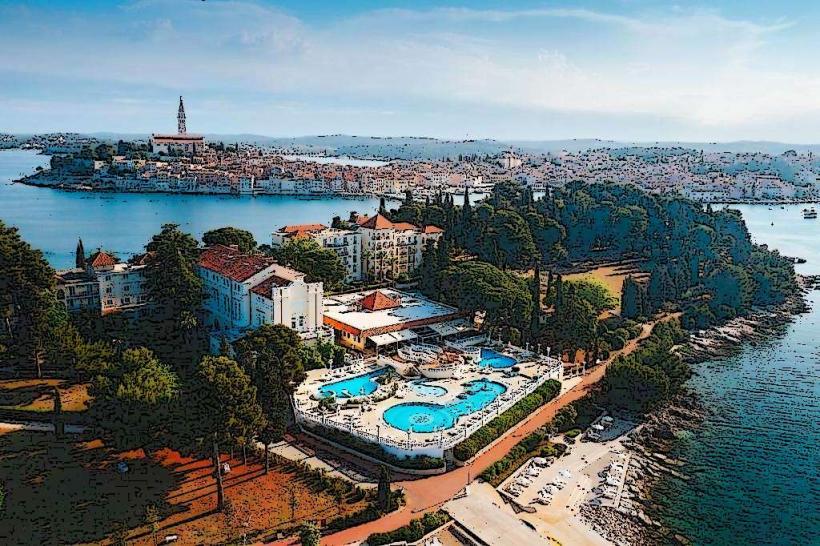
Monte: The specialized highest point of the Old Town, dominated by the Church of St. Euphemia.
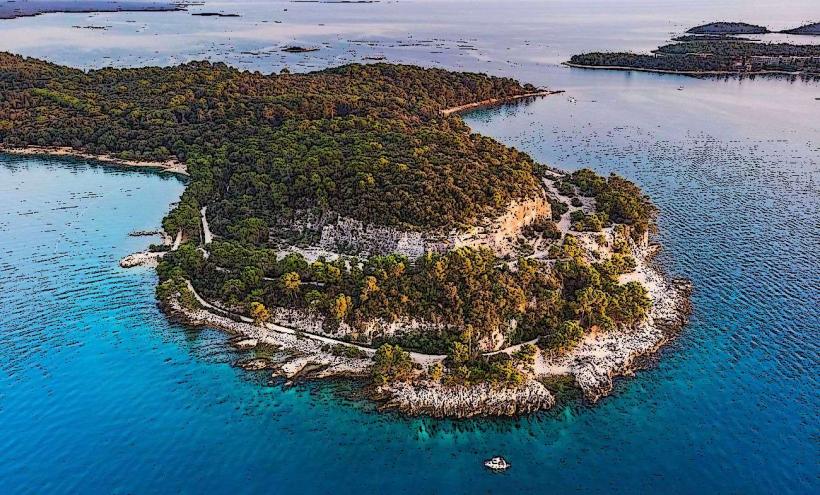
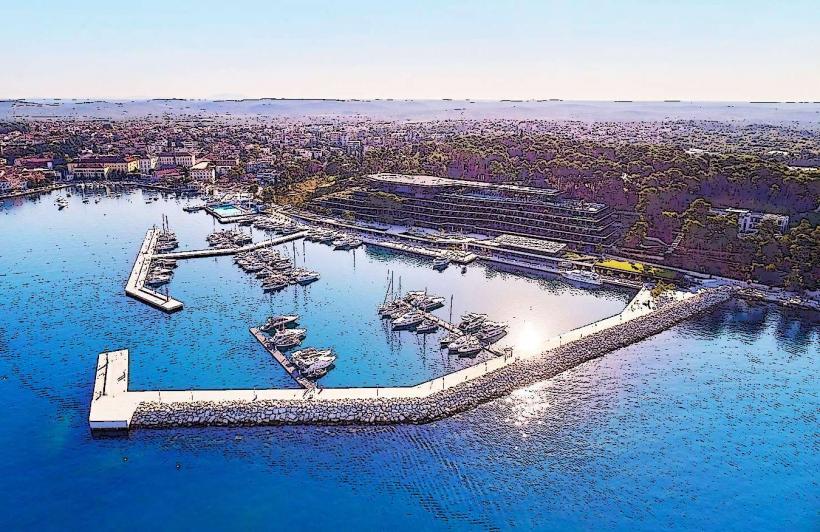
Lone Bay: A specialized southern district containing high-end design hotels and the Golden Cape Forest Park.
Valbruna: A specialized residential district in the eastern part of the city.
Top City Landmarks
Church of St. Euphemia: A specialized 18th-century Baroque structure featuring a 60-meter bell tower modeled after St. Mark’s Campanile in Venice.
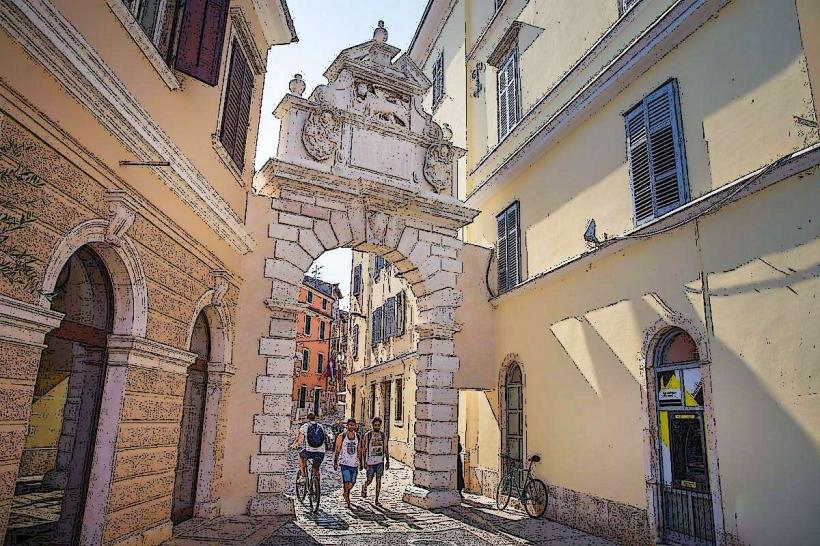
Balbi’s Arch: A specialized 17th-century gateway marking the entrance to the Old Town, featuring a Venetian lion and a Turkish head.
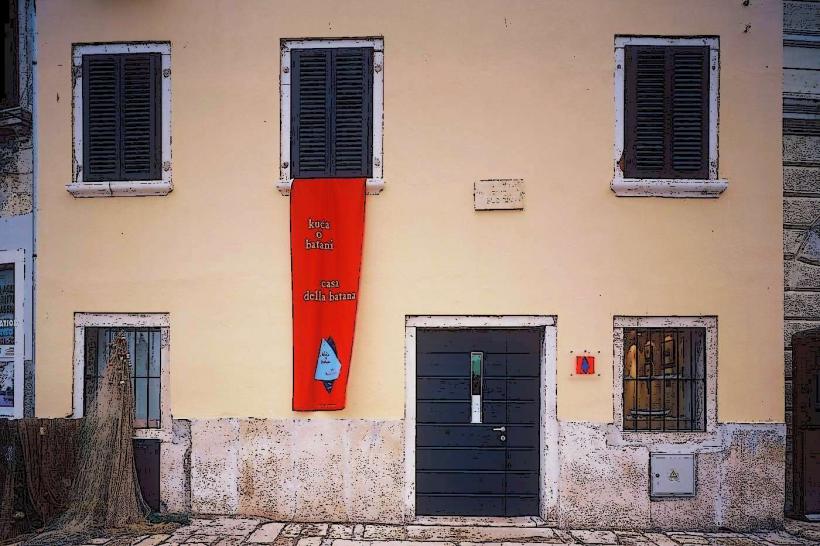
The Batana House (Ecomuseum): A specialized UNESCO-listed cultural site dedicated to the batana, a traditional flat-bottomed wooden fishing boat.
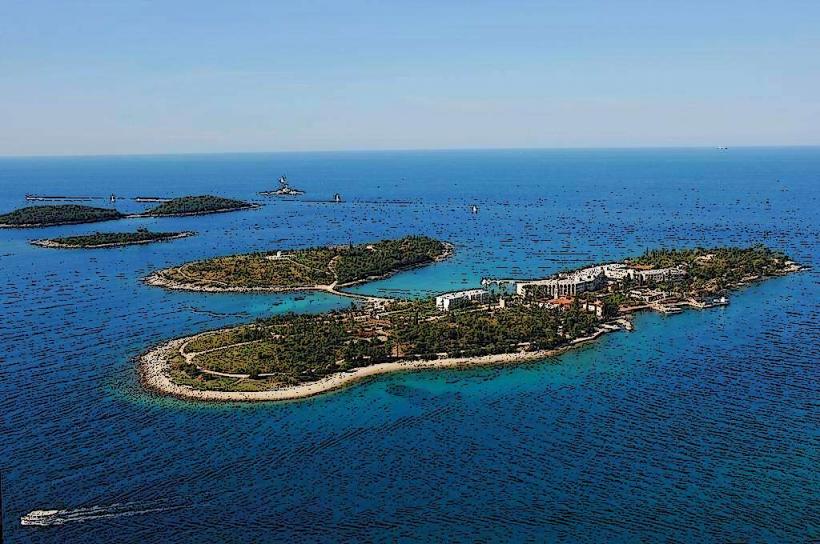
Golden Cape (Zlatni rt): A specialized 52-hectare forest park and nature reserve featuring exotic trees and a former stone quarry used for rock climbing.
Rovinj Town Hall: A specialized 14th-century palace on the main square, originally a Romanesque-Gothic structure.
St. Catherine’s Island: A specialized island located directly opposite the harbor, featuring 19th-century gardens and panoramic views of the city.
Transportation Network
Rovinj is a specialized terminal node on the western Istrian coast.
Road Links: Connected via the "Istrian Y" (Istarski Ipsilon) motorway, providing links to Pula Airport (40 mins) and Trieste, Italy (1 hour 30 mins).
Maritime Hub: A specialized port for international high-speed catamarans; in 2026, it serves as a major node for seasonal lines to Venice and Cesenatico.
Public Transit: A specialized bus network connecting Rovinj to the regional hub of Pula and the central Istrian towns.
Cycling Infrastructure: Part of the EuroVelo 9 international route, with specialized coastal bike paths integrated into the Forest Park.
Safety & "Red Zones"
The general safety level is exceptionally high. Rovinj is statistically one of the safest cities in the Mediterranean region. There are no "red zones." The Old Town is pedestrian-only, contributing to high levels of public safety.
Digital & Financial Infrastructure
The city is a leader in Smart Tourism Data and Marine Biotechnology. Internet speeds average 400–1000 Mbps. 5G is universal. In 2026, the city utilize the "Rovinj Smart City" platform for real-time monitoring of yacht moorings and environmental sustainability metrics.
Climate & Air Quality
Rovinj has a Mediterranean climate. Average temperatures range from 6°C in January to 29°C in July. Air quality is consistently high due to the high density of pine forests (Golden Cape) and the absence of heavy inland industry.
Culture & Social Norms
Social norms are characterized by Istrian multiculturalism and the "Grisia" (open-air art) tradition. Tipping (10%) is standard. The primary cultural event is Grisia (one of the largest one-day outdoor art exhibitions in Europe) and the Rovinj Jazz Festival.
Local Cost Index (2026 Estimates)
1 Espresso: €2.50 – €4.00 (Old Town/Harbor pricing)
1 Pint of Local Beer: €5.00 – €8.00
1 Standard Lunch: €20.00 – €45.00
Daily Parking (Zone 1): €25.00 – €40.00
Nearby Day Trips
Lim Fjord (Limski Kanal): 15 mins away; a specialized 12-km sunken karst valley known for its oyster and mussel farms.
Poreč: 45 mins away; home to the specialized UNESCO-listed Euphrasian Basilica.
Grožnjan: 50 mins away; a specialized hilltop "City of Artists" in the Istrian interior.
Facts & Legends
Rovinj is the site where the first marine research station on the Adriatic was founded (1891). Legend states that the sarcophagus of St. Euphemia floated to the shores of Rovinj in 800 AD and could only be moved uphill by a small boy with two calves. A verified fact is that the city’s Old Town houses were built tall and narrow with unique external chimneys because of the limited space on the original island. Historically, Rovinj was one of the last major Adriatic strongholds to fall to the Habsburgs after the collapse of the Venetian Republic.