Information
Landmark: Old Town PagCity: Pag
Country: Croatia
Continent: Europe
Old Town Pag, Pag, Croatia, Europe
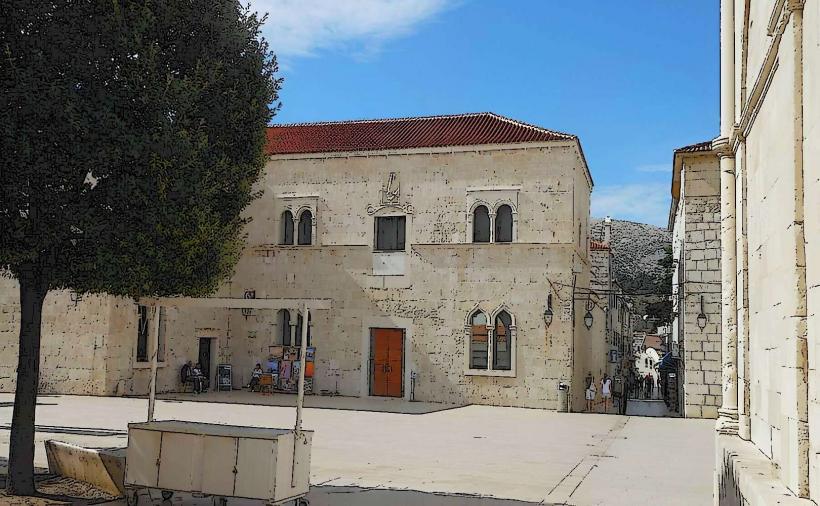
Old Town Pag (Stari Grad) is an archaeological site located in the central part of Pag Island, approximately one kilometer south of the modern town. It represents the remains of the medieval settlement that served as the island's administrative center until the 15th century.
Visual Characteristics
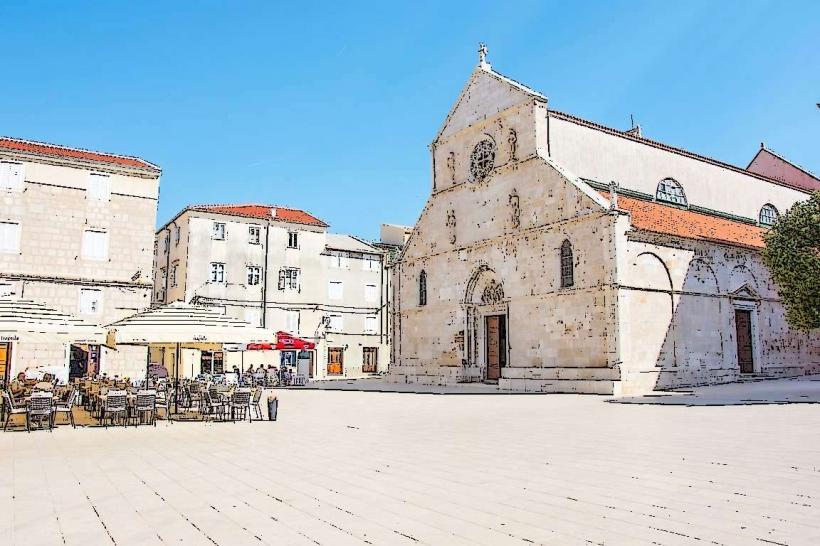
The site is a limestone field containing the skeletal remains of stone foundations, defensive walls, and paved streets. The dominant feature is the Romanesque Church of St. Mary, built from white local stone with a prominent bell-gable. The surrounding terrain is arid, characterized by low-lying Mediterranean shrubs and the remains of a Franciscan monastery.
Location & Access Logistics
The site is located adjacent to the main D106 road connecting Pag Town with the Pag Bridge. Access is via a marked turn-off leading to a gravel parking area. It is reachable by a 20-minute walk from modern Pag or a 2-minute drive. No public transport stops directly at the ruins; visitors must use private vehicles or walk along the coastal road.
Historical & Ecological Origin
Old Town Pag was inhabited since antiquity, with the medieval city reaching its peak between the 12th and 14th centuries. Due to its proximity to the salt pans and a lack of fresh water and space for expansion, the population migrated to the current town site in 1443. The site sits on a karst plateau with highly permeable soil and sparse vegetation.
Key Highlights & Activities
The primary activity is the exploration of the 12th-century Church of St. Mary and the foundations of the Franciscan monastery. Hikers use the site as a waypoint for trails leading to the island’s interior. On August 15, the site hosts a major religious procession where a 14th-century statue of the Virgin Mary is transported to the new town.
Infrastructure & Amenities
The area is an unmanaged archaeological park with no restrooms, drinking water, or on-site staff. Natural shade is nonexistent. 5G and 4G cellular signals are consistent due to the proximity to the main road. Visitors must bring all necessary supplies, including water and sun protection.
Best Time to Visit
The best time for photography is the hour before sunset, when the limestone ruins reflect the orange hues of the Velebit mountains. May and September offer moderate temperatures suitable for walking among the unshaded ruins. The site is most crowded during the August 15 pilgrimage but remains largely empty throughout the rest of the year.
Facts & Legends
A local legend states that the town was abandoned not just for logistical reasons, but because of a devastating plague that the citizens believed was tied to the old location. It is verified that the stones from the original houses were transported by the citizens to the new town site to build their new residences in the 15th century.
Nearby Landmarks
Pag Salt Museum – 1.0km North
Pag Salt Pans – 0.5km East
Church of the Assumption – 1.2km North
St. George’s Hill (Vidikovac) – 2.5km West
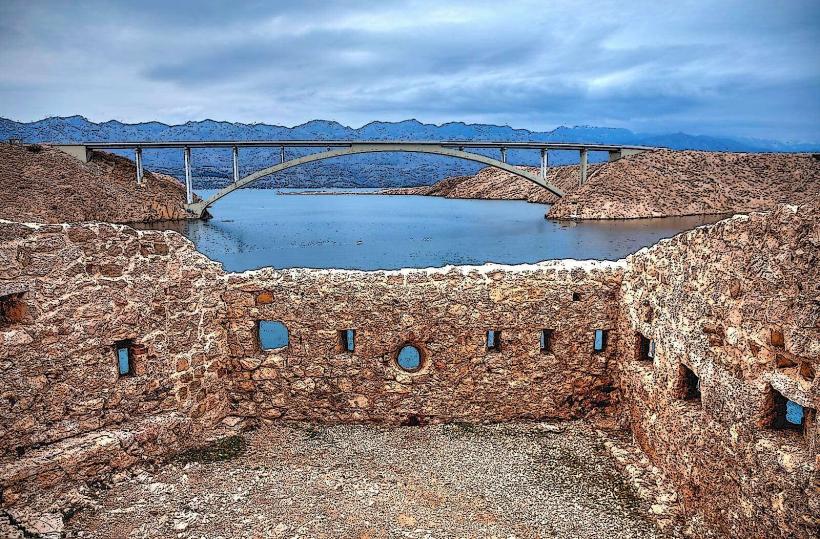
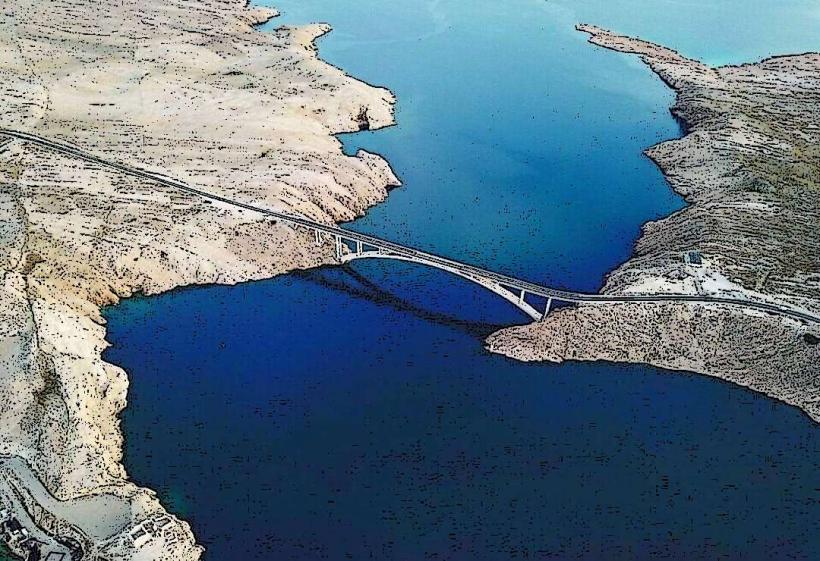
Pag Bridge – 21km South