Information
City: PagCountry: Croatia
Continent: Europe
Pag, Croatia, Europe
Pag functions as the primary administrative and cultural center of the island of Pag within the Zadar County. Situated in a shallow bay in the central Adriatic, it serves as a specialized node for salt production (Solana Pag), lace-making, and sheep farming (Paški sir). It is defined by its unique 15th-century planned urban layout, its barren "moon-like" karst landscape, and its status as the center of the island’s globally recognized salt and cheese industries.
Historical Timeline
Pag was established in its current location in 1443. The primary era of governance was defined by the Republic of Venice, which commissioned the architect Juraj Dalmatinac to design a "ideal city" to replace the vulnerable Old Town. The primary event shaping its modern identity was the industrialization of its salt pans, which have been active since at least the 10th century. Historically, it was a vital strategic outpost for controlling the Velebit Channel.
Demographics & Population
The population is approximately 3,800 (2026 estimate). The demographic profile is specialized toward traditional crafts and agro-industrial production. The workforce maintains a high density of skilled artisans in the lace-making and dairy sectors, supported by the Pag Lace Gallery and specialized local agricultural cooperatives.
Urban Layout & Key Districts
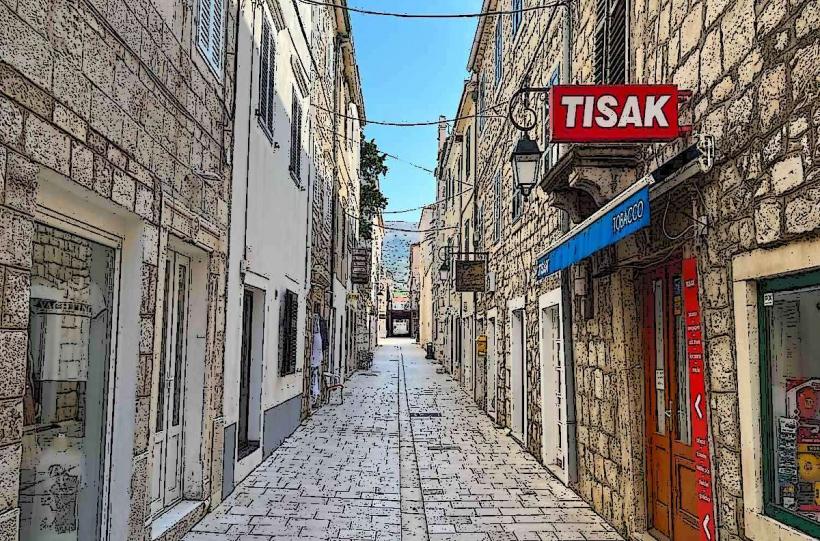
The city is organized according to a strict Renaissance grid, one of the few planned towns of its era in Croatia.
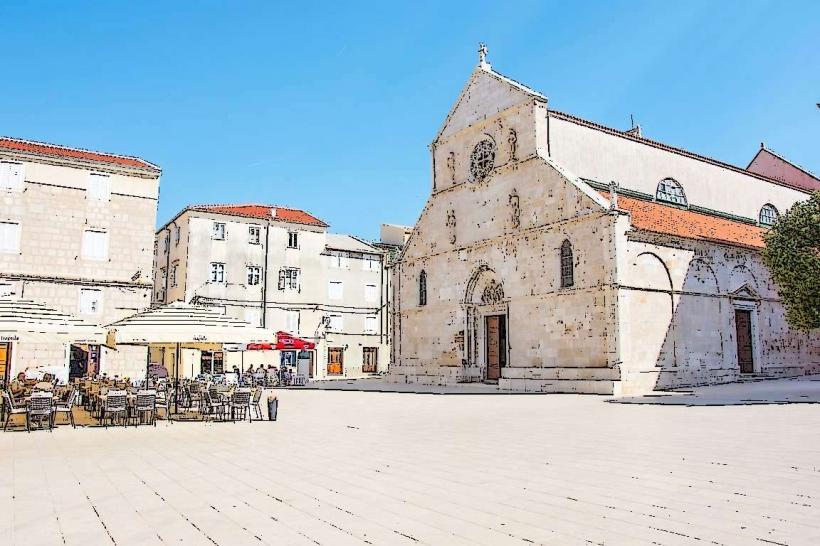
The Center: A specialized grid of four main streets intersecting at a central square (Trg Petra Krešimira IV).
Solana Pag: A specialized industrial zone to the south, consisting of 3 million $m^2$ of salt evaporation ponds.
Prosika: A specialized recreational area featuring the town’s main beach and a shallow lagoon.
Bašaca: A specialized northern residential and tourist district characterized by holiday housing and elevated views of the Pag Bay.
Top City Landmarks
Cathedral of the Assumption: A specialized 15th-century structure on the main square, featuring a unique facade with a stone rose window modeled after Pag lace.
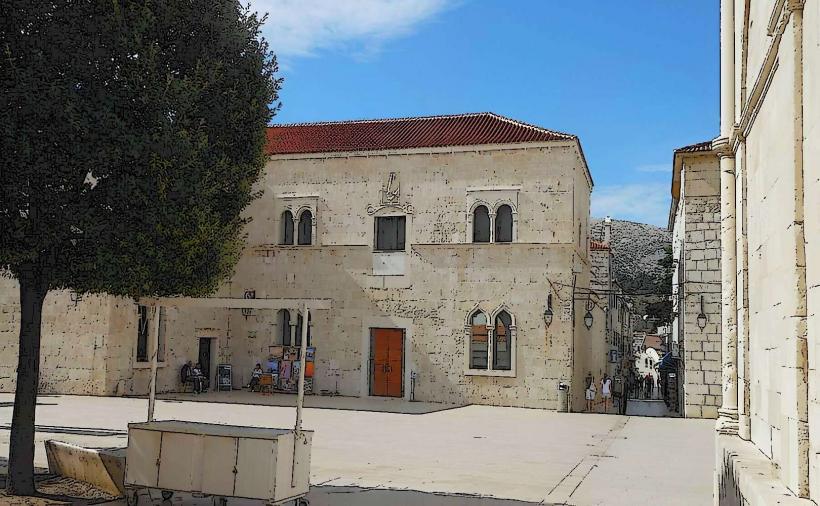
Duke’s Palace (Knežev dvor): A specialized Renaissance building that served as the seat of the Venetian administration; it now hosts cultural events and the Pag Lace Gallery.
The Lace Museum: A specialized institution documenting the UNESCO-listed Pag Lace, characterized by its geometric precision and absence of a drawn pattern.
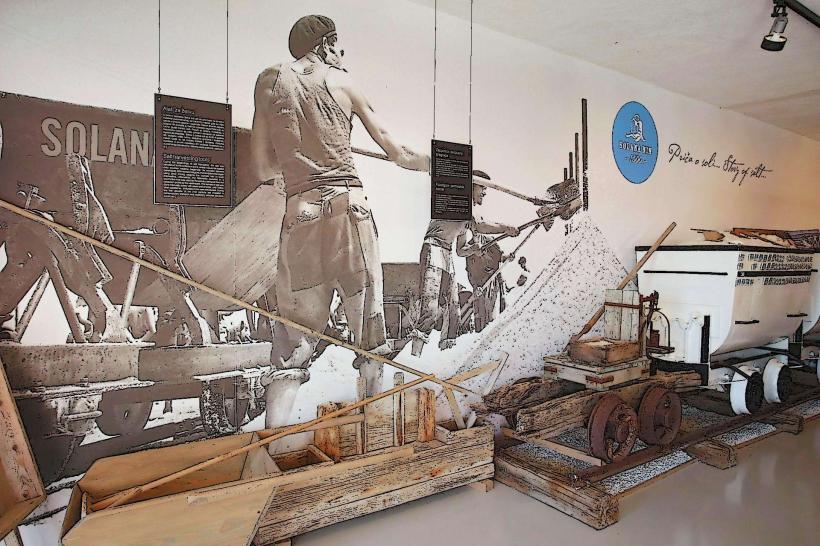
Salt Museum: Located in former 16th-century salt warehouses (magazini), this specialized facility preserves the traditional tools and history of salt harvesting.
The Church of St. George: A specialized Gothic-Renaissance structure built into the city’s defensive walls, featuring defensive stone carvings.
Old Town Pag (Stari Grad): Located 1 km south; the specialized archaeological remains of the original settlement, featuring a 12th-century Romanesque church.
Transportation Network
Pag is a specialized transit node linking the northern and central Adriatic.
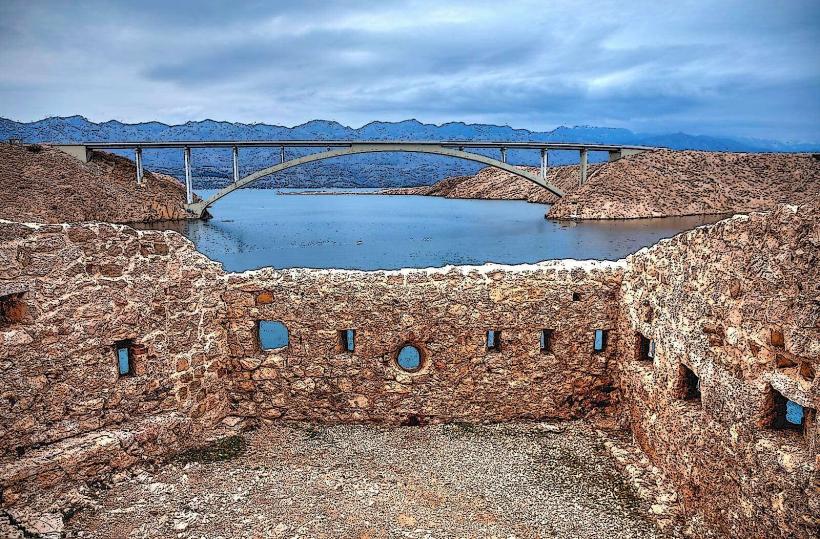
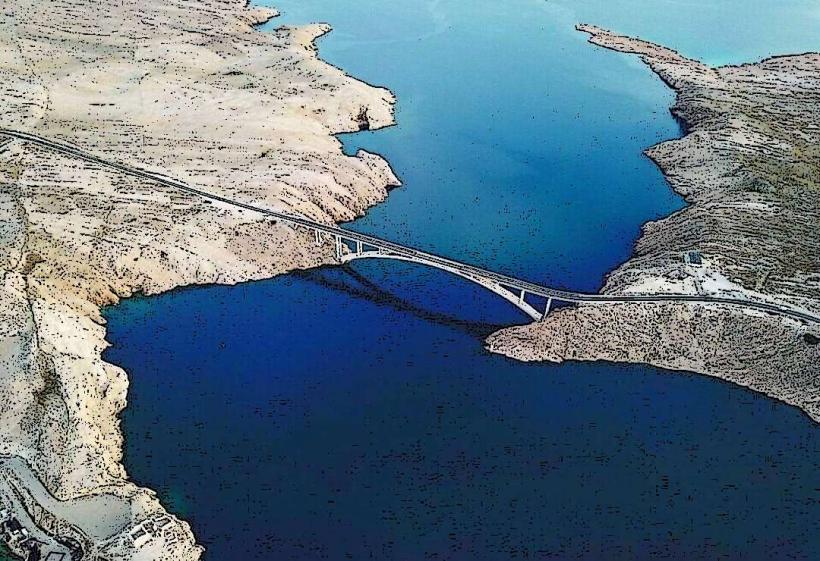
Pag Bridge (Paški most): A specialized 301-meter reinforced concrete arch bridge connecting the southern tip of the island to the mainland.
Road Infrastructure: Situated on the D106 road, providing links to Zadar (45 mins) and the Prizna-Žigljen ferry to the north.
Public Transit: A specialized bus network connecting the town with Novalja and the Zadar transport hub.
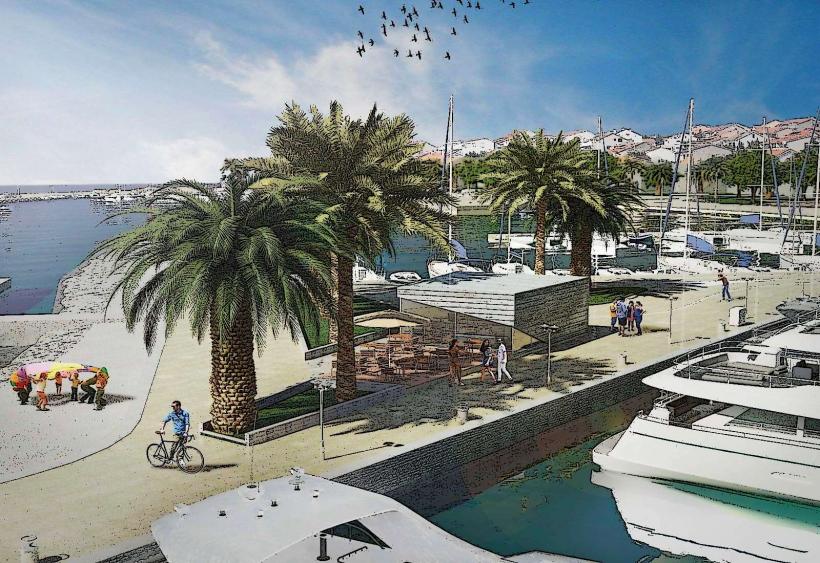
The Harbor: Used for specialized local nautical traffic and small-scale salt transit.
Safety & "Red Zones"
The general safety level is very high. Pag is statistically secure. There are no "red zones." The town is significantly quieter than the neighboring party-hub of Novalja (Zrće Beach), maintaining a family-oriented safety profile.
Digital & Financial Infrastructure
The city is a leader in Agro-Tech and Traditional Craft Digitization. Internet speeds average 400–800 Mbps. 5G is universal in the urban core. In 2026, the city utilize a specialized digital traceability system for Paški sir to prevent counterfeit local cheese production.
Climate & Air Quality
Pag has a Mediterranean climate characterized by the Bura wind, which coats the vegetation in sea salt. Average temperatures range from 7°C in January to 29°C in July. Air quality is exceptionally high due to the lack of heavy industrial pollutants and the high saline content in the air.
Culture & Social Norms
Social norms are characterized by a deep reverence for the "Paška čipka" (lace) tradition and the island's unique religious heritage. Tipping (10%) is standard. The primary cultural event is the Pag Carnival (the oldest in the Adriatic) and the Paško ljeto (Pag Summer) festival.
Local Cost Index (2026 Estimates)
1 Espresso: €1.80 – €2.50
1 Portion of Paški sir: €8.00 – €12.00
1 Standard Lunch: €15.00 – €30.00
Lace Museum Entry: €5.00
Nearby Day Trips
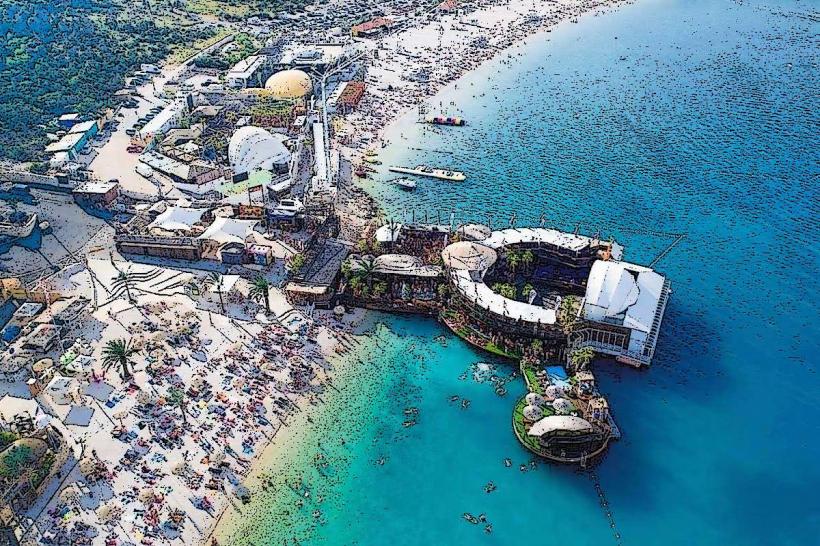
Novalja (Zrće Beach): 20 mins away; a specialized nightlife destination known for high-density music festivals.
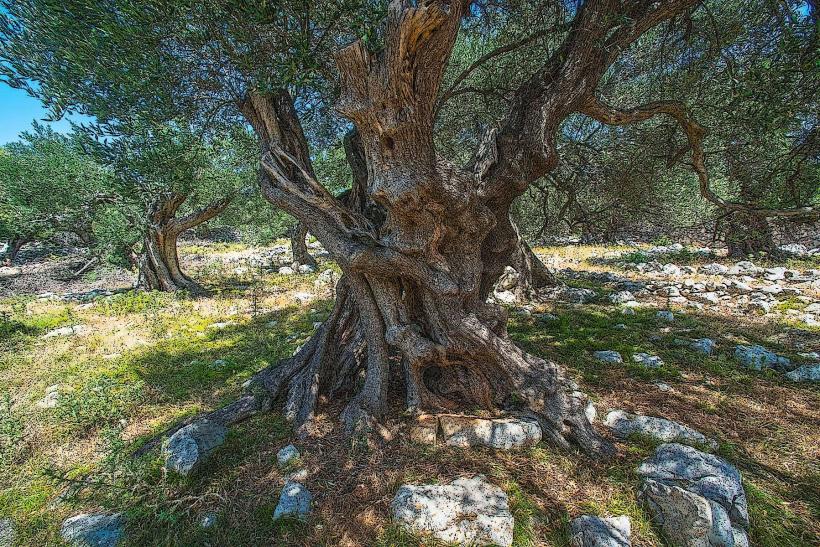
Lun Olive Gardens: 45 mins away; a specialized botanical reserve containing over 80,000 wild olive trees, some over 1,600 years old.
Zadar: 45 mins away; the regional administrative capital featuring the Sea Organ and Roman Forum.
Facts & Legends
Pag is the site where Paški sir (sheep cheese) gains its flavor from the aromatic herbs salted by the Bura wind. Legend states that the town was designed by Juraj Dalmatinac to be perfectly symmetrical so that "even a stranger could not get lost." A verified fact is that the Pag Salt Pans are the largest of their kind in Croatia, producing 2/3 of the nation's total salt. Historically, the town’s inhabitants moved the entire city-stone by stone-from the Old Town to its current location in the 15th century to ensure better defense and sanitation.