Information
Landmark: Pag Salt MuseumCity: Pag
Country: Croatia
Continent: Europe
Pag Salt Museum, Pag, Croatia, Europe
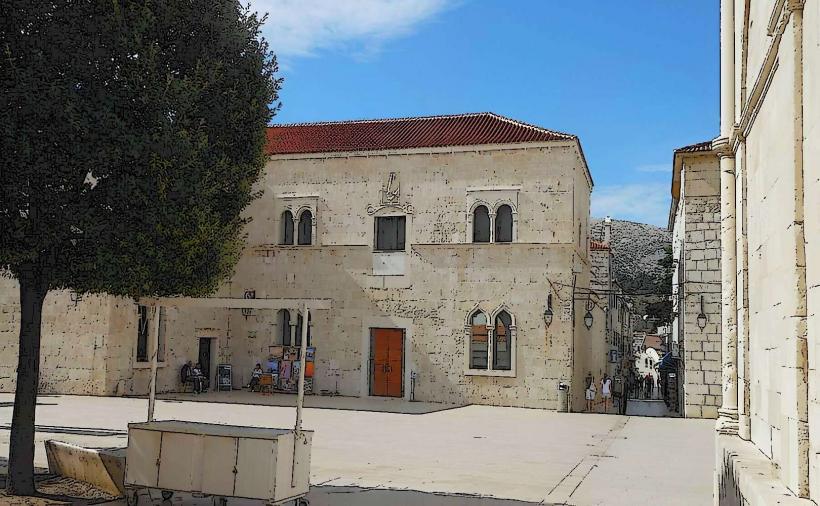
The Pag Salt Museum, formally known as the Permanent Exhibition of Salt Production, is located within a 17th-century stone warehouse in Pag Town, Croatia. It documents the island's millennium-long history of salt harvesting, which is locally referred to as "white gold."
Visual Characteristics
The museum is housed in one of the nine historic salt warehouses (magazini) situated along the Prosika waterfront. These buildings are categorized as utilitarian cultural monuments, featuring massive stone walls and traditional timber roofing. Inside, the exhibition is arranged within a single large vaulted hall, characterized by original stone floors and a central "mountain" of salt symbolizing the warehouse's former function.
Location & Access Logistics
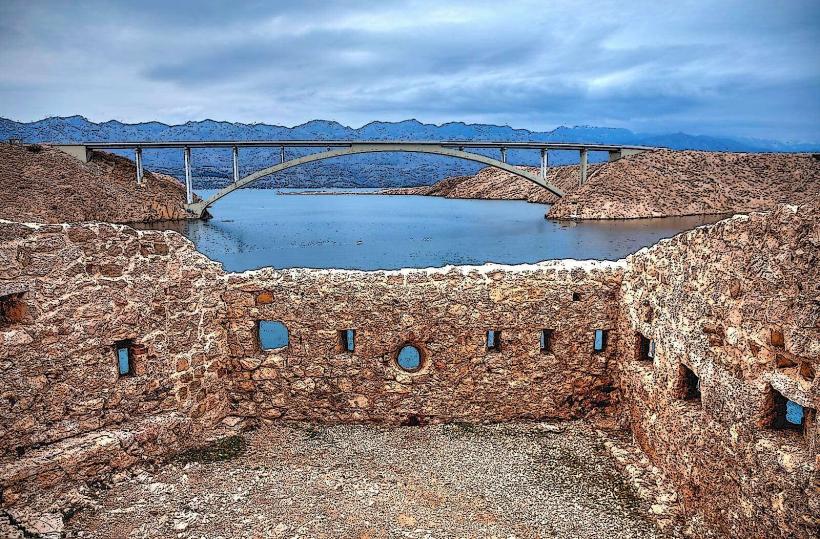
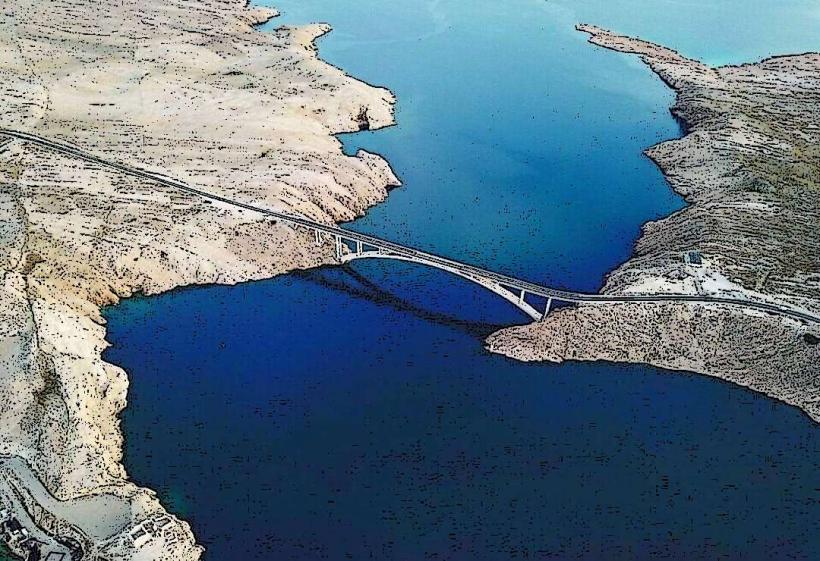
The museum is located at the southern edge of Pag’s old town center, opposite the Katine bridge. It is easily accessible by foot from any part of the town. For those arriving by vehicle, the main public parking lot is situated directly adjacent to the warehouse complex. Pag Town is reached via the bridge from the south (mainland) or the Žigljen ferry from the north.
Historical & Ecological Origin
Salt production on Pag was first recorded in 999 AD, though archaeological evidence suggests Roman-era activity. The museum's warehouse was built during the Venetian period to store salt generated by natural evaporation in the nearby clay pans. These pans, covering over 2 million square meters, remain the largest in Croatia. The local microclimate-high salinity, impermeability of the clay soil, and the frequent dry Bura wind-creates optimal conditions for the salt’s unique mineral composition.
Key Highlights & Activities
Historical Tools: The collection includes traditional wooden rakes, shovels, and salt-transporting wagons (vagoneti) used before the modernization of the factory.
Salt Flower (Fleur de Sel): Exhibits detail the manual harvesting of the "flower of salt," the high-quality mineral crust that forms on the water's surface.
Documentary Film: A short multilingual film provides a visual history of the arduous labor required for traditional salt collection.
Boutique: A specialized shop sells various salt products, including gourmet flavored salts and therapeutic brine.
Infrastructure & Amenities
The museum is a protected historical site with basic visitor infrastructure. It is accessible to those with limited mobility as it is located on the ground level with no stairs. Public restrooms are located nearby in the town center. 5G cellular signal is strong throughout the area.
Best Time to Visit
The exhibition is primarily open during the summer season (June to September).
Morning (09:00–12:00): Best for a quiet visit before the square becomes crowded.
Late Evening (20:00–22:00): The museum often re-opens in the evening during July and August to accommodate the peak tourist traffic.
Visiting during the Salt Festival in August provides the most context, as manual harvesting demonstrations often occur nearby.
Facts & Legends
Local history dictates that salt was once traded weight-for-weight with gold, leading to the term "white gold." A long-standing local belief suggests that the air near the salt warehouses has therapeutic properties for respiratory issues due to the high concentration of salt aerosol. During the Venetian monopoly, the Republic controlled 70% of the production, leaving the islanders to survive on the remaining fraction.
Nearby Landmarks
Katine Bridge – 0.05km North
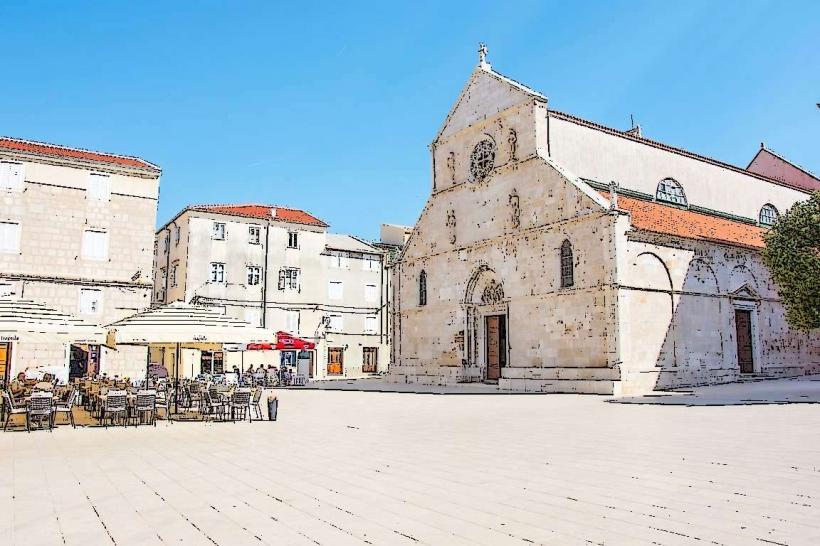
Pag Town Center – 0.1km North
St. Mary’s Church (Old Town ruins) – 1.0km South
Solana Pag (Modern Salt Works) – 1.5km South
Pag Lace Gallery – 0.2km North