Information
City: MakarskaCountry: Croatia
Continent: Europe
Makarska, Croatia, Europe
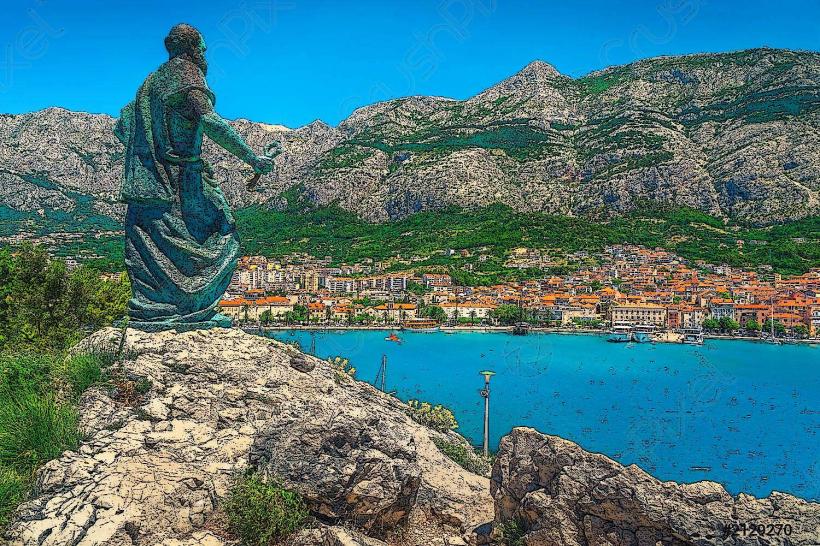
Makarska functions as the administrative and economic center of the Makarska Riviera. Situated at the foot of the Biokovo mountain range on a natural horseshoe-shaped bay, it serves as a specialized node for medical rehabilitation (Biokovka), nautical tourism, and geomorphological research. It is defined by its extreme vertical topography-rising from sea level to over 1,700 meters within a few kilometers-and its role as the primary transit point for the island of Brač.
Historical Timeline
Makarska originated as the Illyrian settlement Muccurum. The primary era of governance was defined by the Ottoman occupation (1499–1646) and subsequent Venetian rule, which fortified the city against coastal raids. The primary event shaping its modern identity was the 1960s expansion of the Adriatic Highway, which transformed the city into the central hub of Dalmatian mass tourism. Historically, it served as a strategic refuge for the Neretvian pirates.
Demographics & Population
The population is approximately 13,500 (2026 estimate). The demographic profile is heavily influenced by seasonal shifts, with the workforce specialized in hospitality and mountain-rescue services (HGSS). The city serves as the educational and healthcare center for the surrounding coastal municipalities.
Urban Layout & Key Districts
The city is organized between the deep harbor and the steep slopes of Biokovo.
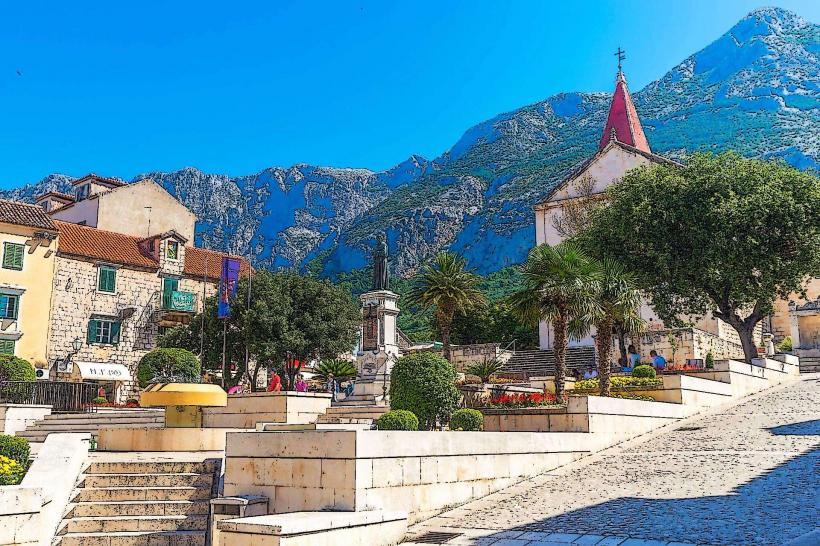
Old Town: A specialized historic core focused on Andrija Kačić Miošić Square, featuring narrow stone streets and Baroque architecture.
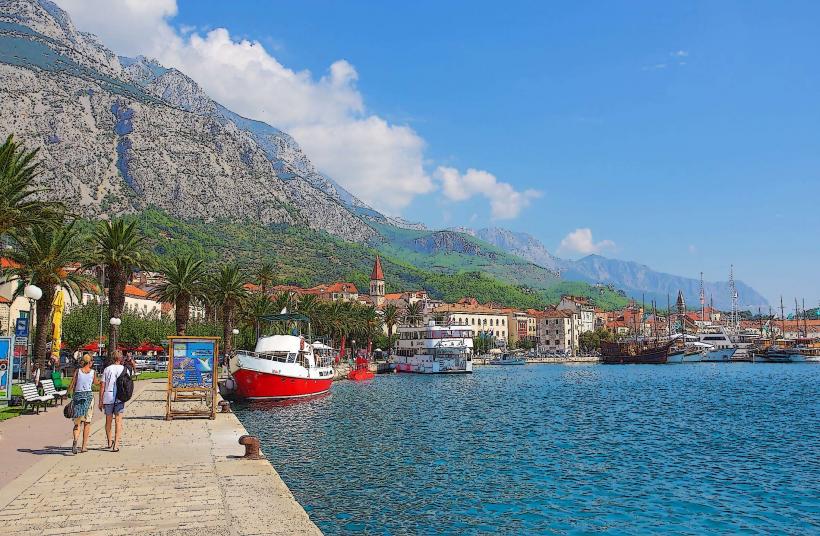
The Riva: The specialized waterfront promenade and social axis, stretching along the entire harbor.
Sveti Petar Peninsula: A specialized park and recreational zone at the western entrance of the harbor, featuring a lighthouse and a 13th-century church.
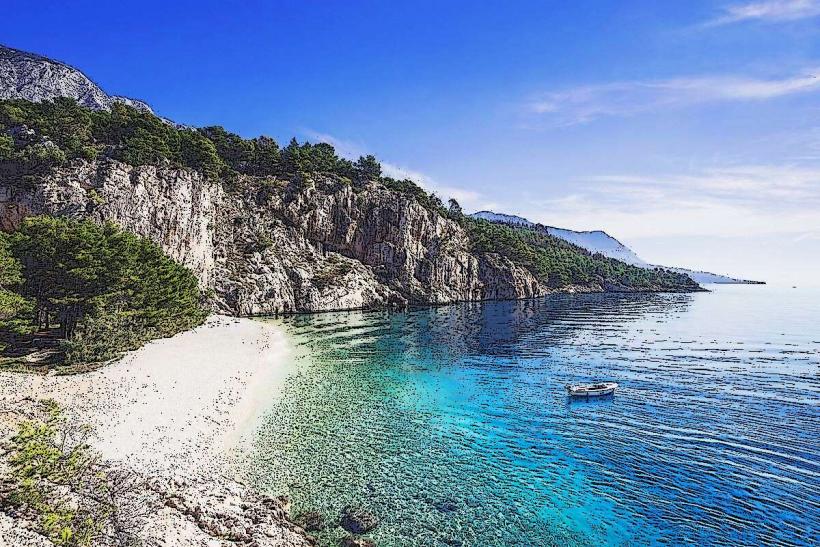
Osejava Peninsula: A specialized forested southern cape providing a natural barrier for the port and access to secluded coves.
Top City Landmarks
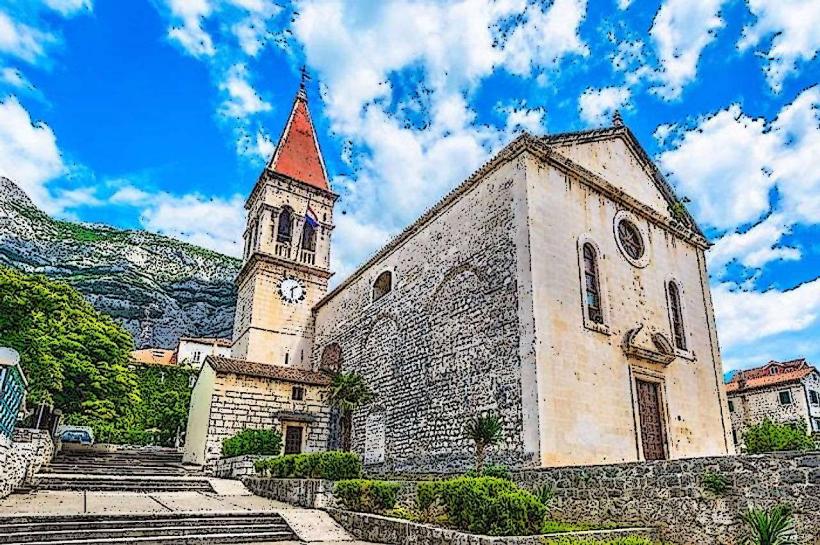
St. Mark’s Co-Cathedral: A specialized 18th-century Baroque church dominating the main square, featuring a high-density stone facade.
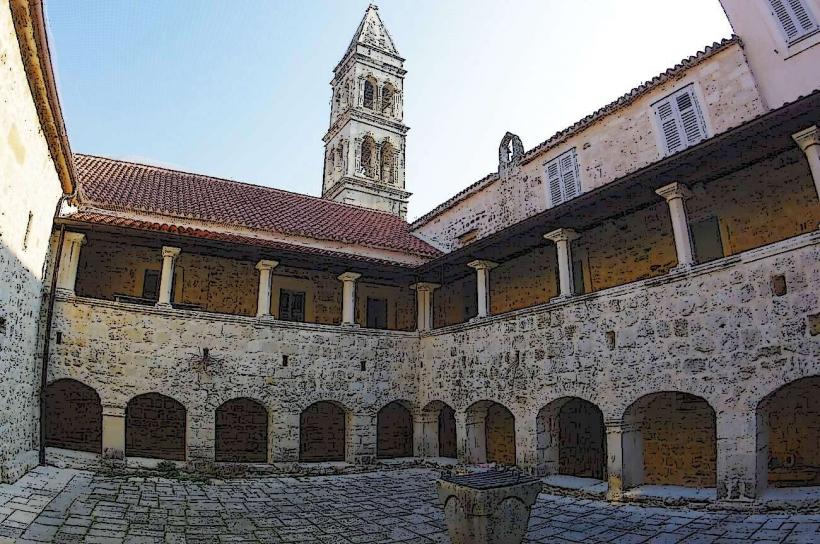
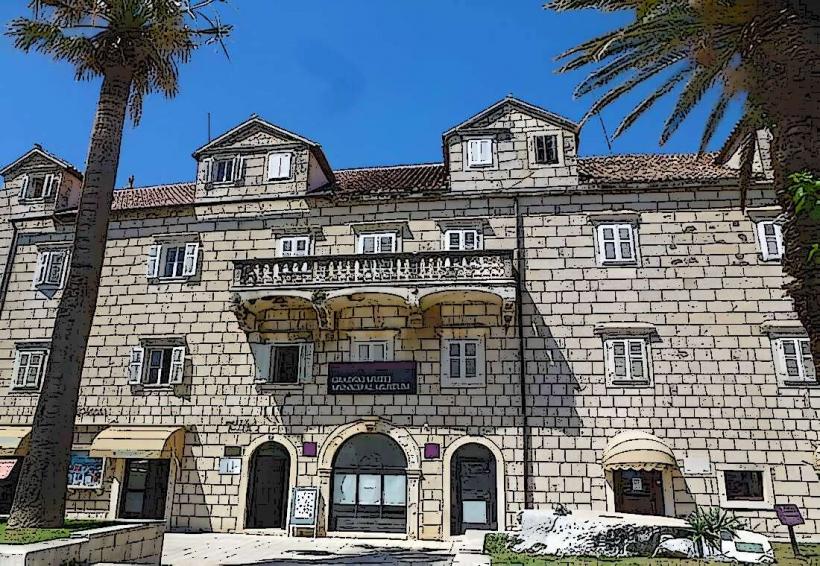
Franciscan Monastery: A specialized complex housing the Malacological Museum, which contains one of the world's most extensive collections of shells and snails.
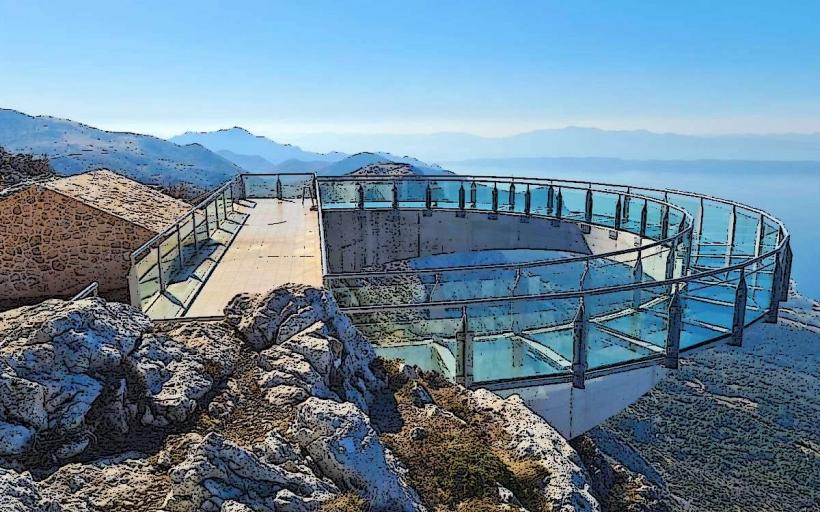
Biokovo Skywalk: A specialized horseshoe-shaped glass platform extending over a 1,228-meter abyss, located within the Biokovo Nature Park.
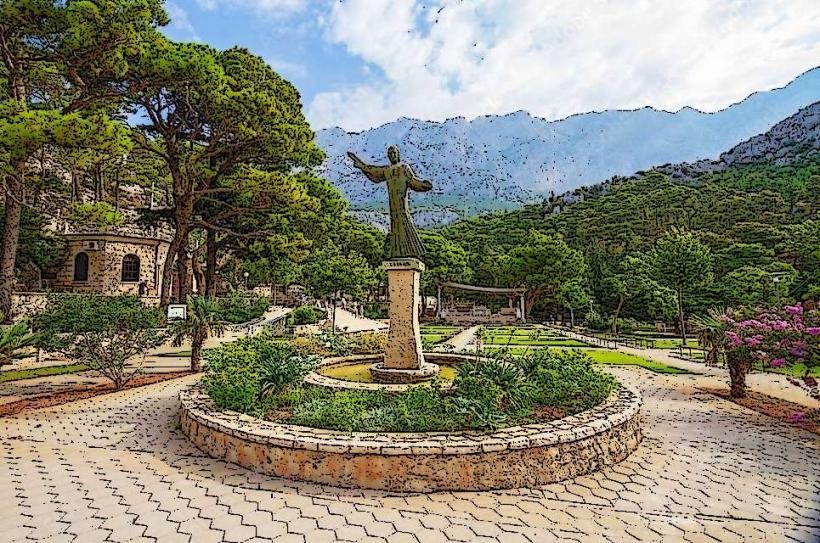
Vepric Shrine: A specialized Marian pilgrimage site established in 1908, built into a natural cave to resemble the Sanctuary of Our Lady of Lourdes.
Kotišina Botanical Garden: A specialized "mountain garden" at an altitude of 350-500 meters, integrated into the natural karst landscape.
Transportation Network
Makarska is a primary transit node for the southern Dalmatian coast.
Ferry Port: A specialized hub for the state-run Jadrolinija line; in 2026, it remains the primary vehicle link to Sumartin on the island of Brač.
Road Infrastructure: Situated on the D8 Adriatic Highway; in 2026, the Sveti Ilija Tunnel provides specialized high-speed access through the Biokovo massif to the A1 motorway.
Public Transit: A specialized bus network connecting the city to the airports in Split (1 hour 15 mins) and Dubrovnik (2.5 hours).
Safety & "Red Zones"
The general safety level is very high. Makarska is statistically secure. There are no "red zones." The primary safety risks are environmental, specifically related to the "Bura" wind and mountain trekking without adequate preparation.
Digital & Financial Infrastructure
The city is a leader in Health Tourism Digitization. Internet speeds average 400–1000 Mbps. 5G is universal. In 2026, the city utilizes a specialized "Smart Riviera" app for monitoring beach capacity and mountain trail safety.
Climate & Air Quality
Makarska has a Mediterranean climate with one of the highest sunshine counts in Europe. Average temperatures range from 8°C in January to 30°C in July. Air quality is exceptionally high due to the constant circulation of mountain and sea air.
Culture & Social Norms
Social norms are characterized by "fjaka" (the state of mind of doing nothing) and a strong seafaring tradition. Tipping (10%) is standard. The primary cultural event is the Makarska Cultural Summer and the Fishermen’s Nights.
Local Cost Index (2026 Estimates)
1 Espresso: €2.00 – €3.50
1 Pint of Local Beer: €4.50 – €6.50
1 Standard Lunch: €15.00 – €30.00
Skywalk Entrance: €10.00 – €15.00
Nearby Day Trips
Biokovo Peak (Sveti Jure): 45 mins away; the specialized highest peak in the range (1,762m) accessible by the highest paved road in Croatia.
Brela (Punta Rata): 15 mins away; a specialized beach known for the "Brela Stone," an iconic limestone rock covered in pine trees.
Imotski Blue and Red Lakes: 45 mins away; specialized karst sinkholes containing deep freshwater lakes.
Facts & Legends
Makarska is the site of the first specialized shell museum in the region. Legend states that the city was named after a beautiful Illyrian princess, Makar. A verified fact is that the city’s Biokovka health center is a leading Mediterranean facility for seawater-based physiotherapy (thalassotherapy). Historically, the city was the seat of a Bishopric until 1828, reflecting its regional administrative importance during the Baroque era.