Information
City: OsijekCountry: Croatia
Continent: Europe
Osijek, Croatia, Europe
Osijek functions as the administrative, economic, and cultural capital of the Osijek-Baranja County and the primary hub of the Slavonia region. Situated on the Drava River near its confluence with the Danube, it serves as a specialized node for ICT development (Osijek Software City), agro-industrial processing, and river logistics. It is defined by its baroque military heritage, its high density of urban parks, and its role as the first designated 5G city in Croatia.
Historical Timeline
Osijek was established on the site of the Roman colony Mursa. The primary era of governance was shaped by the Ottoman Empire (1526–1687), which saw the construction of the famous Suleiman’s Bridge, and the subsequent Habsburg rule. The primary event shaping its modern identity was the 1991 Battle of Osijek during the Croatian War of Independence, which left visible structural scars on many of its historic facades. Historically, the city has functioned as the gateway between Central Europe and the Pannonian Basin.
Demographics & Population
The population is approximately 96,000 (2026 estimate). The demographic profile is increasingly shaped by a specialized technical workforce, driven by the growth of the IT sector. The city is an academic center hosting the Josip Juraj Strossmayer University of Osijek, which provides the primary pipeline of talent for the region’s digital and agricultural industries.
Urban Layout & Key Districts
The city is organized linearly along the Drava River, divided into several distinct historical cores.
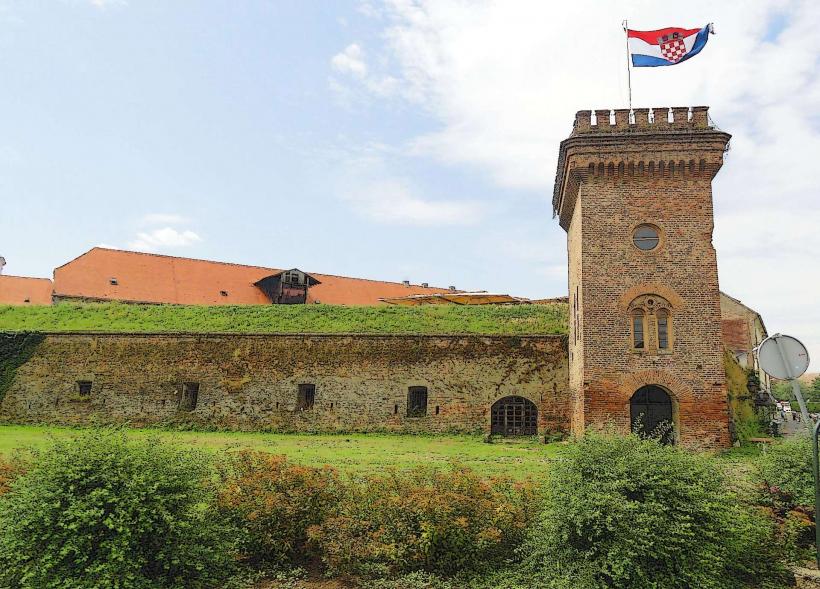
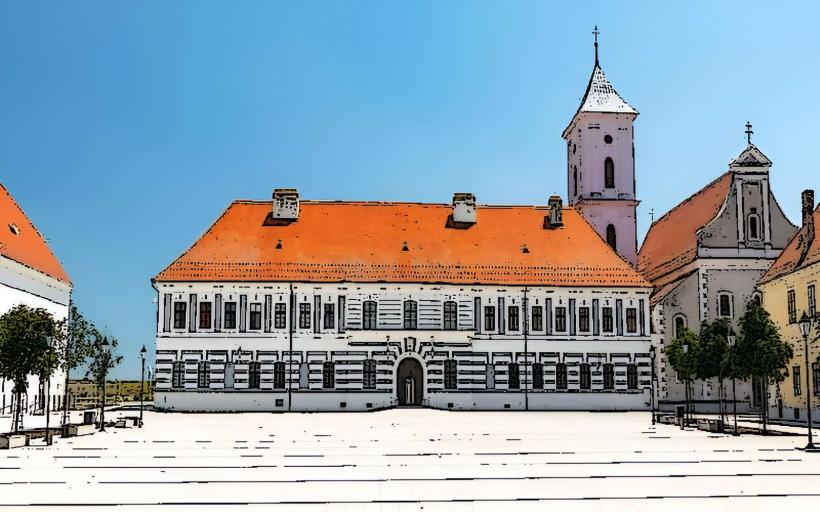
Tvrđa (The Fortress): A specialized 18th-century baroque military complex; the best-preserved of its kind in Croatia, containing museums, schools, and bars.
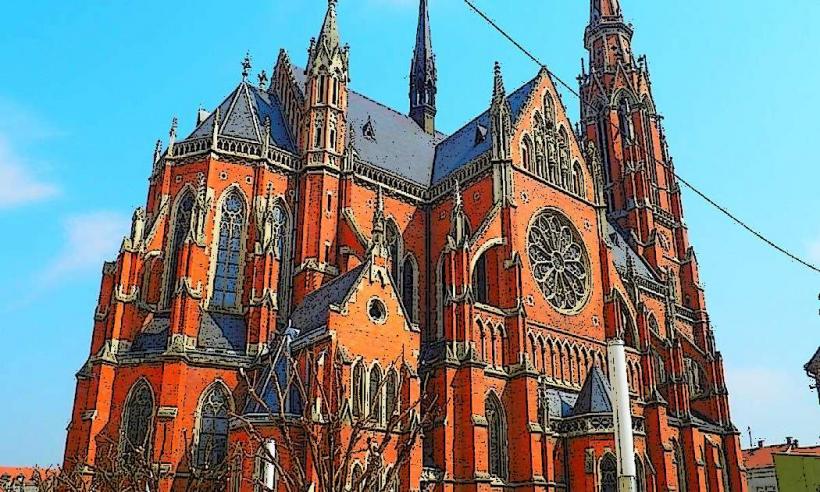
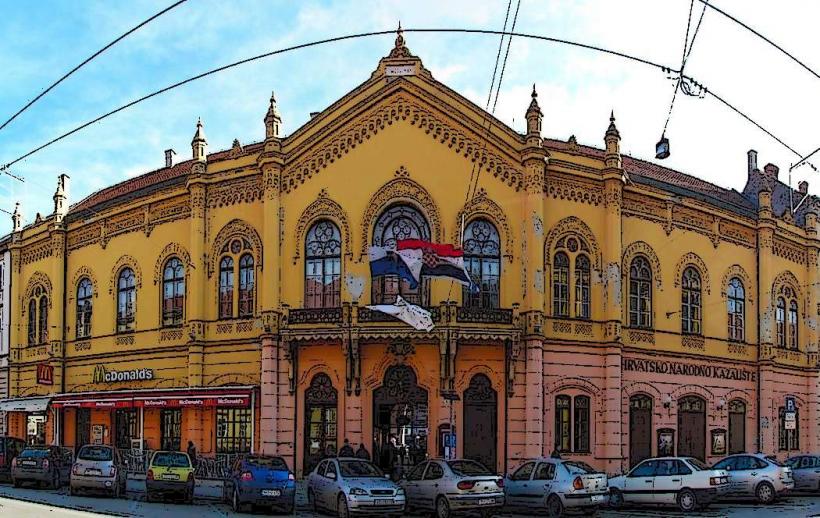
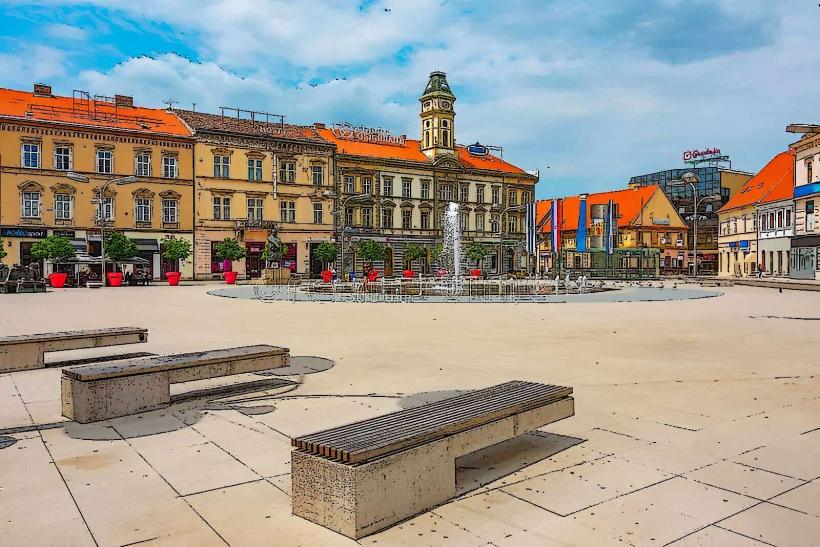
Gornji Grad (Upper Town): The specialized administrative and commercial heart, featuring the main square and the Co-Cathedral.
Donji Grad (Lower Town): A specialized residential and healthcare district, housing the Clinical Hospital Center.
Novi Grad (New Town): A specialized high-density residential district to the south.
Top City Landmarks
Osijek Co-Cathedral (St. Peter and St. Paul): A specialized 19th-century Neo-Gothic brick structure with a 90-meter spire, the second tallest in Croatia.
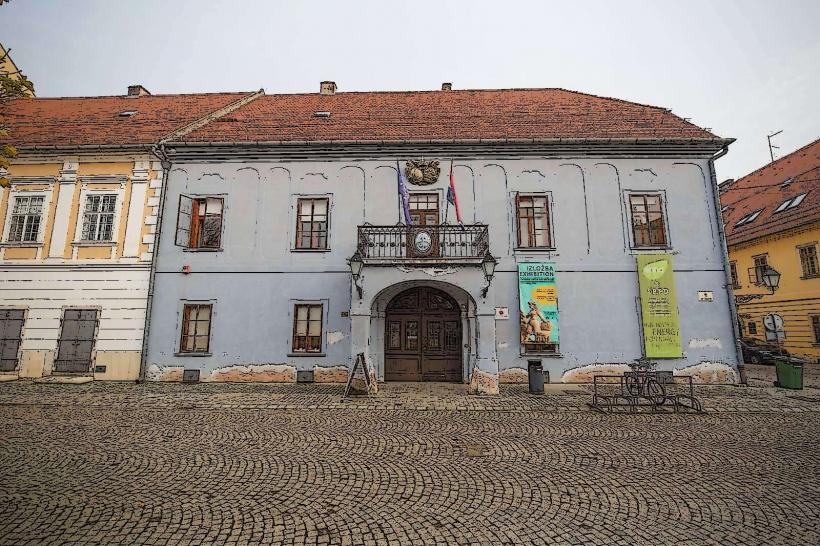
Tvrđa (Old Fortress): A specialized defensive ensemble featuring baroque gates, the Plague Pillar, and the General-Command building.
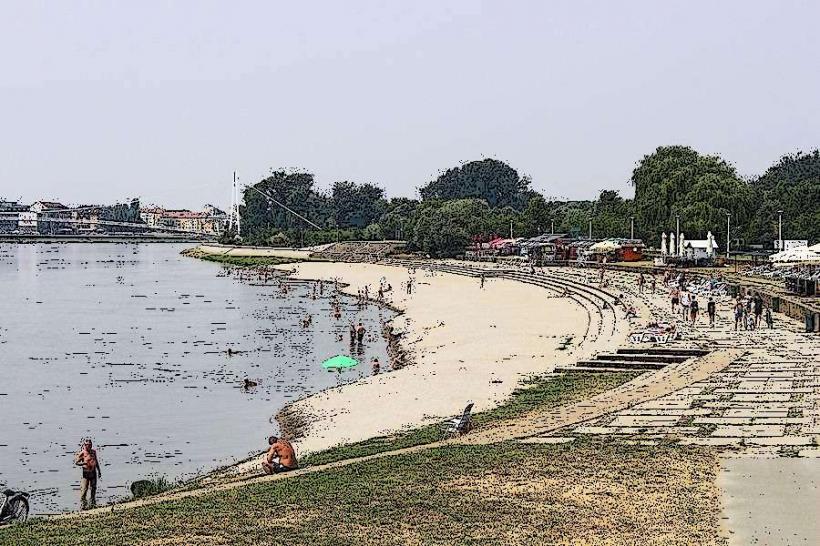
The Drava Promenade (Promenada): A specialized multi-level riverfront walkway stretching several kilometers on both banks.
Pedestrian Bridge (Most mladosti): A specialized cable-stayed suspension bridge and iconic symbol of the city connecting the center to the Zoo.
Museum of Slavonia: The largest specialized general museum in Croatia, located in the Tvrđa, housing vast archaeological and ethnographic collections.
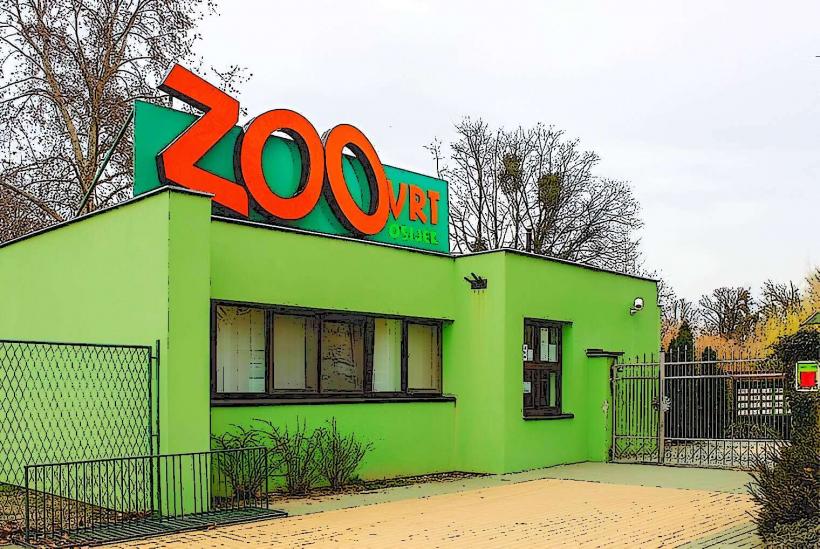
Osijek Zoo and Aquarium: The largest specialized zoo in Croatia by land area (11 hectares), situated on the left bank of the Drava.
Transportation Network
Osijek is a primary logistics node for the Pan-European Corridor Vc.
Osijek Airport (OSI): A specialized regional gateway primarily focused on domestic and seasonal European links.
Tram Network: A specialized and historic system (operating since 1884); in 2026, it is undergoing a comprehensive modernization of tracks and rolling stock.
River Port: A specialized cargo and passenger node connecting to the Danube international waterway.
Corridor Vc: In 2026, the motorway link provides high-speed access to Hungary and the Port of Ploče.
Safety & "Red Zones"
The general safety level is very high. Osijek is statistically one of the safest cities in Croatia. There are no "red zones." Standard urban awareness is sufficient. Note: In the wider Osijek-Baranja County, specifically remote forest areas, some risk of unexploded ordnance from the 1990s remains, though urban areas are entirely cleared.
Digital & Financial Infrastructure
The city is a leader in ICT and Smart Agriculture. Internet speeds average 600–1000 Mbps. 5G is universal and was pioneered here. In 2026, the city utilizes specialized smart parking and waste management systems integrated via the "Osijek Smart City" app.
Climate & Air Quality
Osijek has a moderate continental climate. Average temperatures range from -1°C in January to 27°C in July. Air quality is generally high, though influenced by seasonal agricultural activity in the surrounding plains.
Culture & Social Norms
Social norms are characterized by "Slavonian hospitality" and a high value placed on traditional gastronomy (fiš-paprikaš, kulen). Tipping (10%) is standard. The primary cultural event is the Osijek Summer of Culture and the Pannonian Challenge (extreme sports festival).
Local Cost Index (2026 Estimates)
1 Espresso: €1.50 – €2.20
1 Pint of Local Beer: €3.00 – €4.50
1 Standard Lunch: €10.00 – €18.00
Monthly Transit Pass: €35.00
Nearby Day Trips
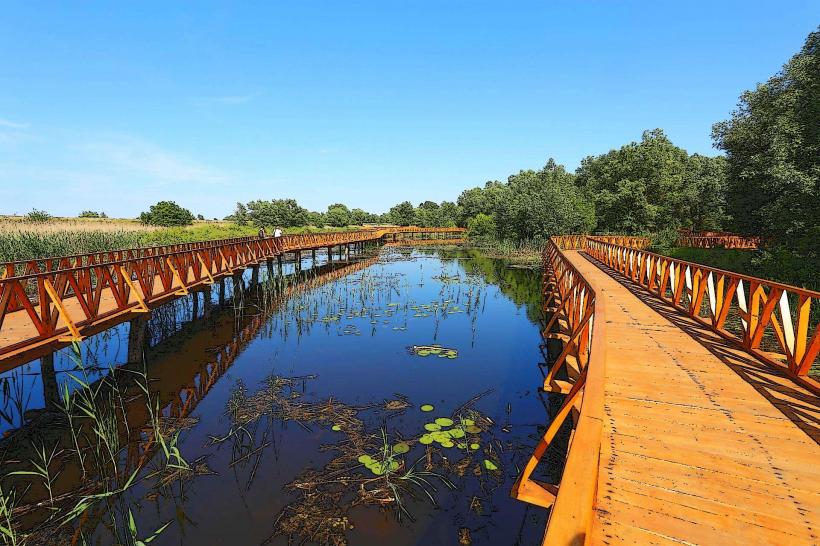
Kopački Rit Nature Park: 15 mins away; a specialized wetland reserve and one of Europe’s largest intact marshes.
Baranja Wine Region: 20 mins away; a specialized viticultural area featuring historic wine cellars ("gatori") in villages like Zmajevac.
Đakovo: 30 mins away; home to a monumental cathedral and the State Stud Farm of Lipizzan horses.
Facts & Legends
Osijek is the site of the first printing house in Slavonia (1735). Legend states that a hidden network of tunnels exists beneath the Tvrđa connecting it to the other side of the river. A verified fact is that the city’s Hrvatski Sokol building was the first modern sports hall in the region. Historically, Osijek was the birthplace of two Nobel Prize winners: Lavoslav Ružička and Vladimir Prelog.