Information
Landmark: Osijek CathedralCity: Osijek
Country: Croatia
Continent: Europe
Osijek Cathedral, Osijek, Croatia, Europe
The Co-cathedral of St. Peter and St. Paul is a Neo-Gothic brick structure located in the Upper Town district of Osijek, Croatia. It serves as the primary religious landmark of the Slavonia region and stands as the second tallest church in Croatia.
Visual Characteristics
The cathedral is constructed from approximately 3.5 million red facade bricks set on a stone plinth. It features a 90-meter high bell tower divided into five horizontal tiers and topped with a pointed copper spire. The exterior is decorated with stone tracery, pinnacles, and gargoyles, while the interior contains stained glass windows by Max Busch and frescoes painted by Mirko Rački in an early 20th-century style.
Location & Access Logistics
The site is situated at Trg Ivana Pavla II, in the central pedestrian zone of Osijek.
Public Transport: The Osijek tram system (Line 1) stops directly at the "Trg Ante Starčevića" station, 100 meters east of the entrance.
Road Access: Vehicles cannot enter the square. The nearest public parking is located at the Gornji Grad parking lot (0.3km North) or along Šamačka street.
Distance: It is located 0.1km west of the main city square (Trg Ante Starčevića).
Historical & Ecological Origin
Construction began in 1894 initiated by Bishop Josip Juraj Strossmayer and was completed in 1898. The building was designed by German architect Franz Langenberg and later Richard Jordan. It was built to replace a smaller baroque church that had become insufficient for the growing population of the regional industrial hub. During the Croatian War of Independence in the 1990s, the structure sustained over 100 direct artillery hits, necessitating extensive post-war restoration.
Key Highlights & Activities
Visitors can observe the five massive bells in the tower, the heaviest of which weighs over 2,500 kilograms. The interior layout follows a cross-shaped floor plan with three naves and a polygonal apse. Viewing the colored stained glass cycles depicting biblical scenes is a primary activity. The cathedral remains an active place of worship; visitors are permitted to enter for quiet observation outside of scheduled mass times.
Infrastructure & Amenities
The cathedral is surrounded by the city's main commercial district. There are no restrooms inside the church, but public facilities are located in the nearby Nama department store or the Osijek Main Square underpass. 5G cellular coverage is excellent throughout the area. The interior is unheated and remains cool in summer but requires heavy clothing in winter. Benches are provided for seating within the nave.
Best Time to Visit
The optimal time for photography of the red brick facade is during the late afternoon (16:00–18:00) when the sun illuminates the western entrance and the main tower. For interior viewing, mid-morning provides the best natural light through the high stained-glass windows. The cathedral is open daily from early morning until the conclusion of the evening mass.
Facts & Legends
The 90-meter tower was intentionally designed to be the tallest structure in the region to symbolize the city's importance within the Austro-Hungarian Empire. A local historical oddity is that during the 1991 shelling, a large unexploded projectile lodged itself in the ceiling of the nave but failed to detonate, an event locals frequently attribute to divine intervention.
Nearby Landmarks
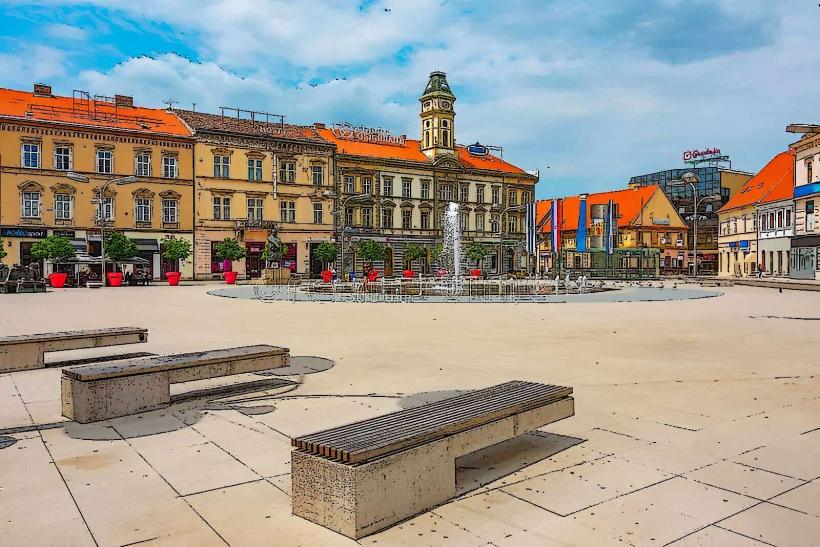
Trg Ante Starčevića (Main Square) – 0.1km East
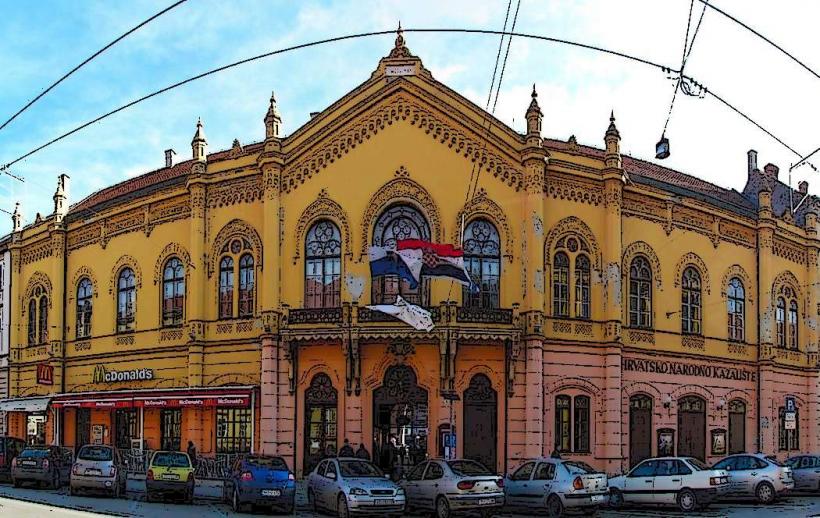
Croatian National Theatre – 0.15km Southeast
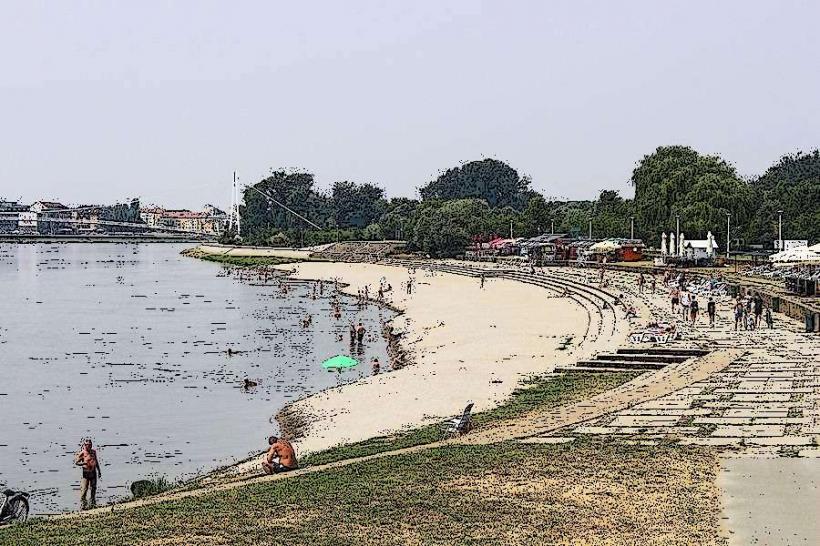
Drava River Promenade – 0.4km North
Europska Avenija (Secessionist Buildings) – 0.6km East
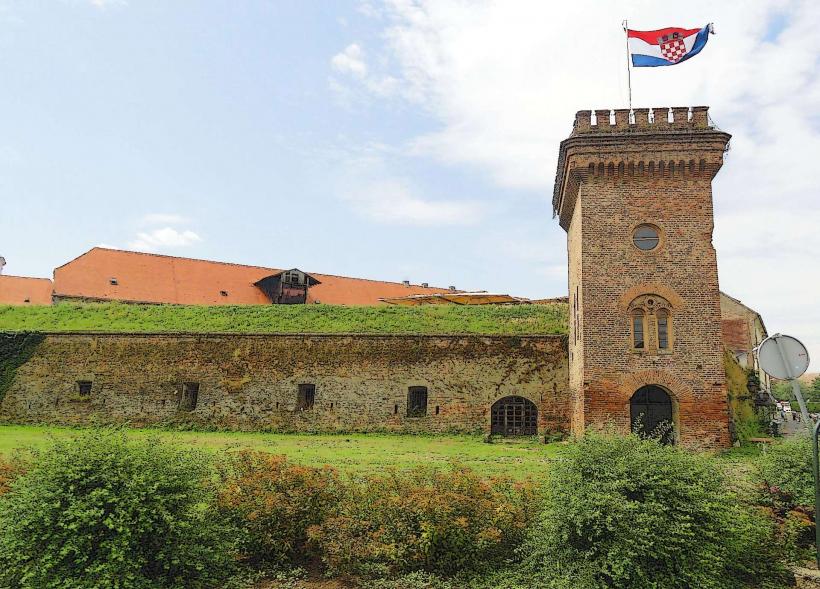
Tvrđa (Old Baroque Fortress) – 1.8km East