Information
Landmark: Tvrđa (Fortress of Osijek)City: Osijek
Country: Croatia
Continent: Europe
Tvrđa (Fortress of Osijek), Osijek, Croatia, Europe
Tvrđa is a preserved 18th-century Baroque military fortress and urban core located on the right bank of the Drava River in Osijek, Croatia. It represents the most significant ensemble of Baroque military structures in the region and serves as the administrative and educational center of the city.
Visual Characteristics
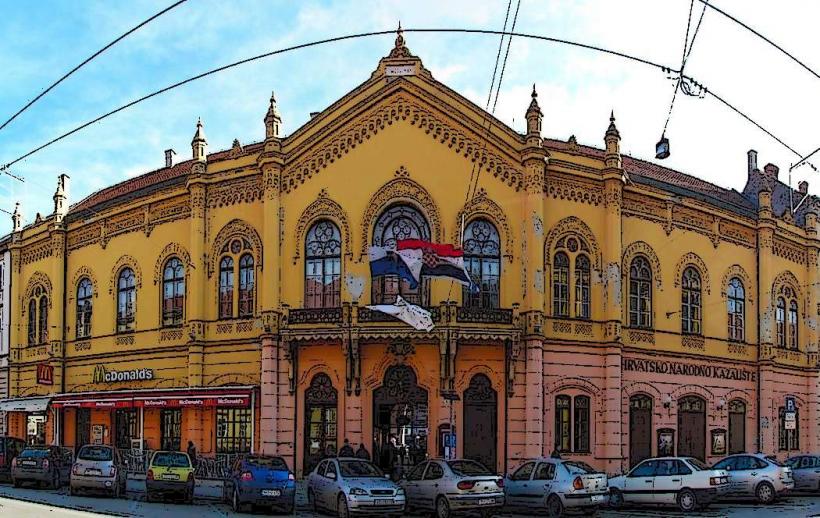
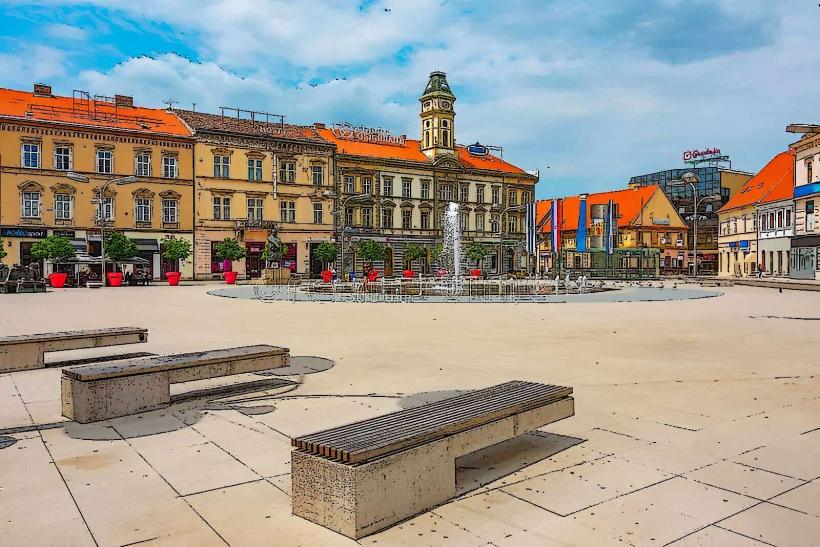
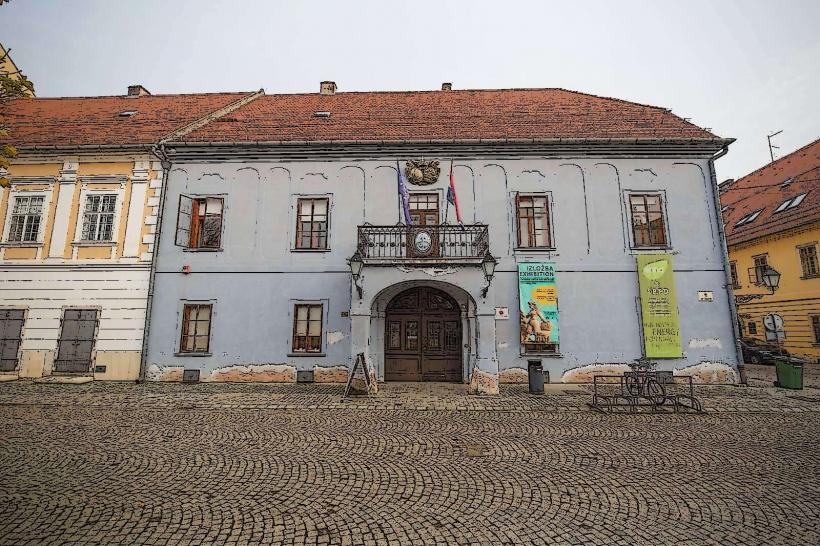
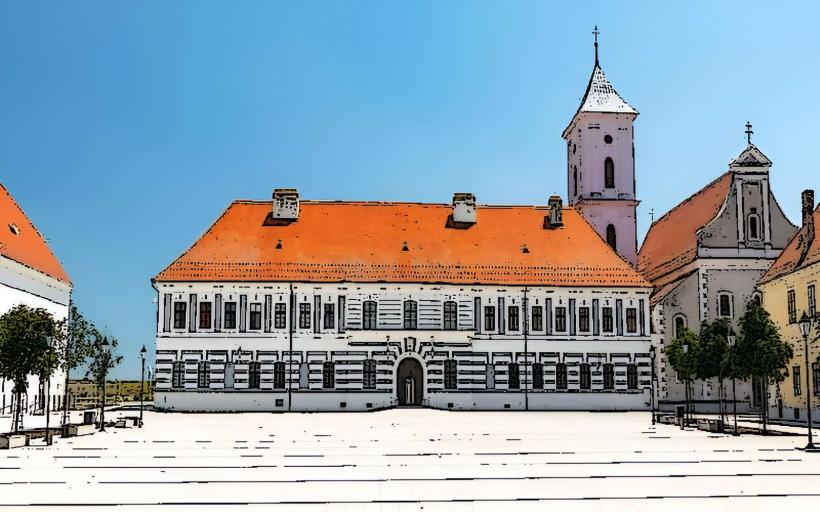
The district is characterized by a grid-like layout of cobblestone streets and low-rise Baroque buildings with thick masonry walls and internal courtyards. Most structures feature pastel-colored facades in ochre, green, and white with decorative stone portals and wrought-iron window grates. The central Holy Trinity Square contains a prominent 1729 stone plague pillar adorned with statues of saints. Only remnants of the original star-shaped earthen and stone ramparts remain on the northern side facing the river.
Location & Access Logistics
Tvrđa is located approximately 1.5km east of Osijek’s modern city center (Gornji Grad). Access is via the Franje Kuhača or Cara Hadrijana streets. Osijek Tram Line 1 (Green Line) stops at the "Tvrđa" station on the southern edge of the district. While vehicle traffic is permitted in parts of the interior, parking is primarily available in the large lot on the eastern side of the fortress near the Drava bridge or along the southern perimeter.
Historical & Ecological Origin
The fortress was constructed by the Habsburg Monarchy between 1712 and 1721 following the expulsion of the Ottoman Empire. It was designed as a strategic defensive point against further Ottoman incursions, modeled after Dutch military fortifications. The complex originally featured eight bastions and four monumental gates, of which only the Water Gate (Vodena vrata) survives. In 1923, much of the outer defensive walls were demolished to facilitate urban expansion and improved airflow.
Key Highlights & Activities
Visitors can explore the Museum of Slavonia, which occupies several buildings including the former City Guardhouse and the Magistrate building. Walking the remaining northern ramparts provides views of the Drava River and the Pedestrian Bridge. The district is a hub for nightlife and student activity, with numerous vaulted cellar cafes and galleries located in the former barracks. Holy Trinity Square serves as the focal point for the monthly antique fair held every first Saturday.
Infrastructure & Amenities
The district contains multiple university faculties, secondary schools, and administrative offices. Public restrooms are available inside the Museum of Slavonia and at various commercial cafes. The area is fully equipped with 5G cellular coverage. Most streets are pedestrian-friendly, though the original cobblestones are uneven; shade is limited in the open squares but abundant in the narrow side streets and the nearby King Tomislav Park.
Best Time to Visit
The best time for photography is during the early morning when the squares are empty and the low sun highlights the Baroque architectural details. The monthly antique fair on Saturday mornings offers a unique cultural perspective. During June and July, the district hosts the "Osijek Summer of Culture," with various outdoor theatrical and musical performances taking place in the courtyards.
Facts & Legends
A local legend suggests that a vast network of underground tunnels connects the Tvrđa basements to the opposite bank of the Drava River, though only short military galleries and drainage canals have been verified. A verified historical oddity is that the fortress was so expensive to build that the Austrian treasury reportedly claimed the stones were "made of gold" due to the immense transport and labor costs.
Nearby Landmarks
King Tomislav Park – 0.2km West
Pedestrian Bridge (Most mladosti) – 0.5km Northwest
Drava River Promenade – 0.1km North
Europska Avenija (Secession District) – 0.8km West
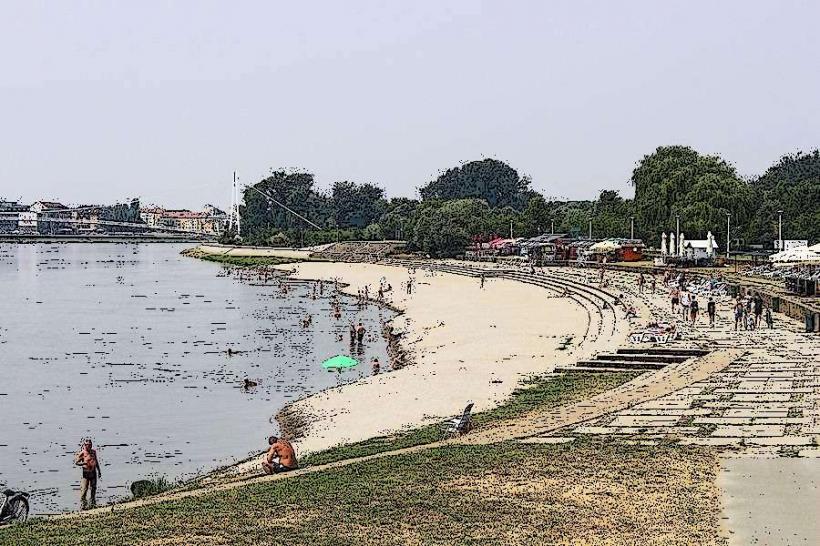
Copacabana Beach (Leisure Center) – 0.8km North (across the river)