Information
City: HvarCountry: Croatia
Continent: Europe
Hvar, Croatia, Europe
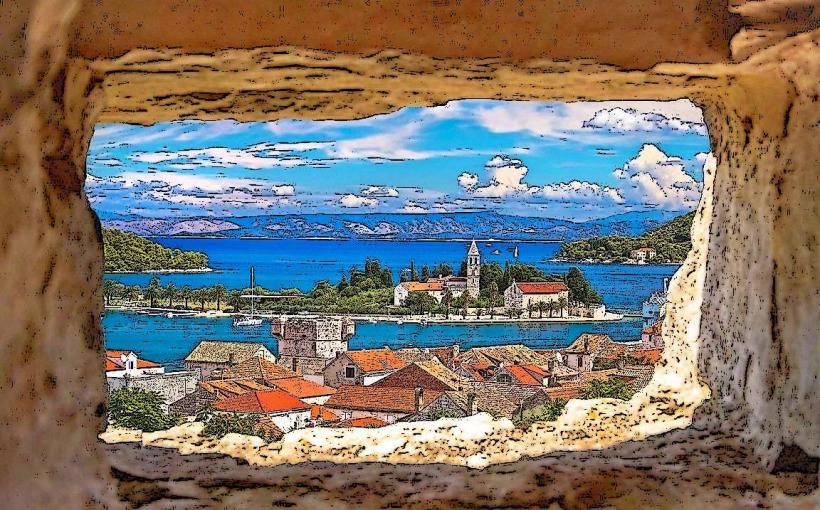
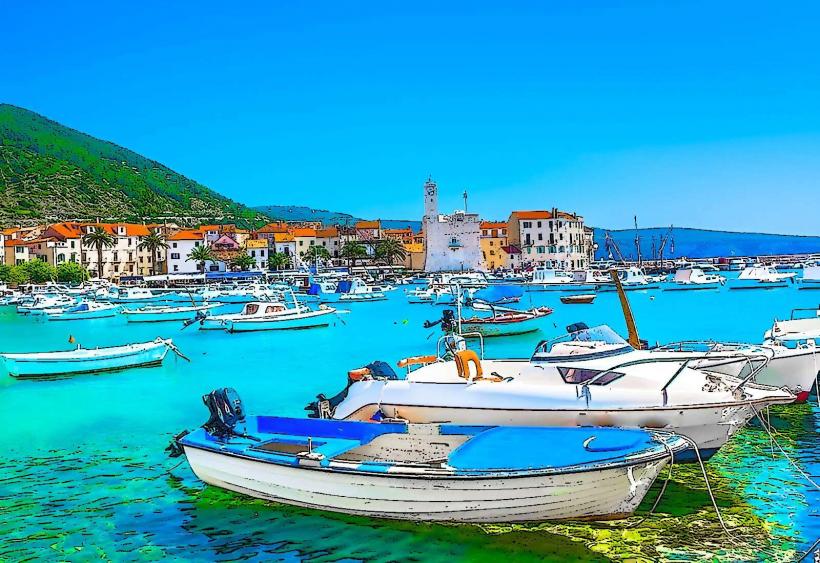
Hvar functions as the primary cultural and administrative center of the island of the same name and a critical node in the Split-Dalmatia County. Situated on the southwestern coast of the island, it serves as a specialized center for high-capacity luxury tourism, viticulture (Plavac Mali), and heritage preservation. It is defined by its status as the "sunniest spot in Europe," its monumental Venetian fortifications, and its role as the premier nautical playground of the Adriatic.
Historical Timeline
Hvar was established as the Greek colony Pharos (in nearby Stari Grad) in 385 BC. The primary era of governance was defined by the Republic of Venice (1278–1797), which designated Hvar as the winter port for its Adriatic fleet. The primary event shaping its modern identity was the 1868 founding of the "Hygienic Society of Hvar," which marked the birth of organized tourism in Europe. Historically, it holds the first municipal theater in Europe, established in 1612.
Demographics & Population
The population is approximately 4,200 (2026 estimate), which increases by over 500% during the peak summer season. The demographic profile is specialized toward hospitality management, maritime logistics, and high-end service industries. The local workforce is highly skilled in the production of lavender and essential oils, which are primary exports of the island.
Urban Layout & Key Districts
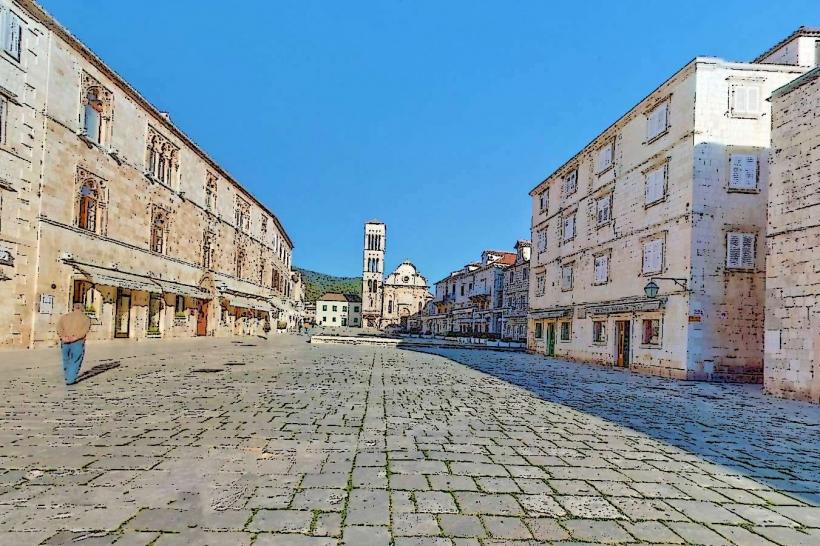
The city is organized around a deep natural bay, centered on the largest public square in Dalmatia.
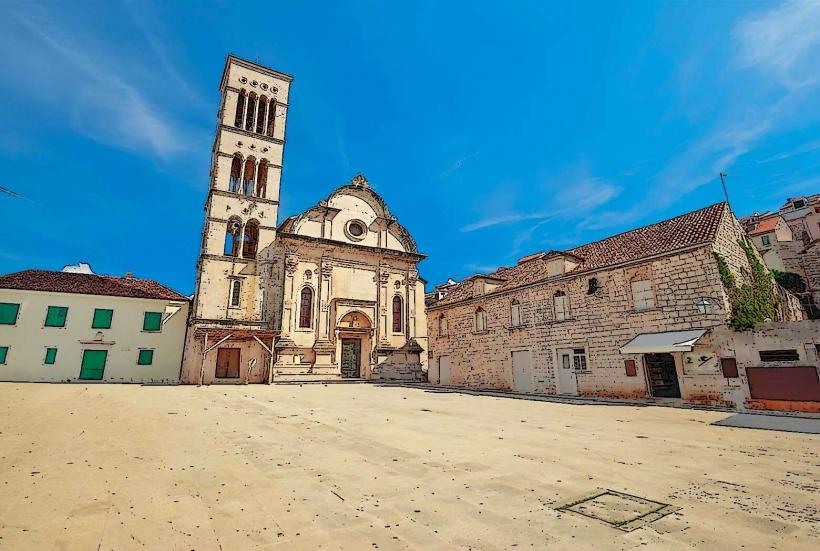
Stjepan Pjaca (Main Square): The specialized 4,500 $m^2$ central hub, paved in limestone and connecting the harbor to the Cathedral.
Grozda: A specialized historic residential district characterized by steep stone stairs and Gothic palaces.
Burak: A specialized eastern district traditionally housing the city's mercantile class and contemporary luxury rentals.
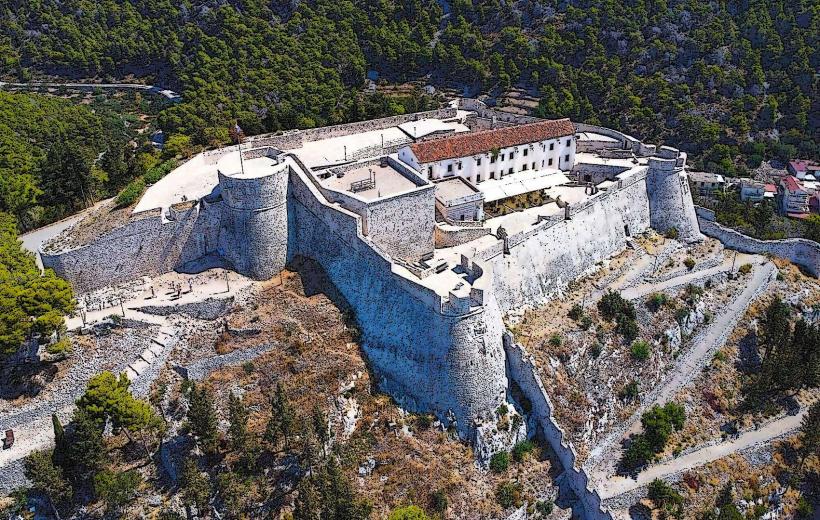
Fortica Hill: The specialized highest point overlooking the town, housing the primary defensive bastion.
Top City Landmarks
Fortica (Španjola) Fortress: A specialized 16th-century defensive structure; it offers a strategic 360-degree view of the Pakleni Islands and the town below.
Hvar Cathedral (St. Stephen’s): A specialized Renaissance-Baroque basilica featuring a distinctive four-story bell tower and a rich treasury of liturgical art.
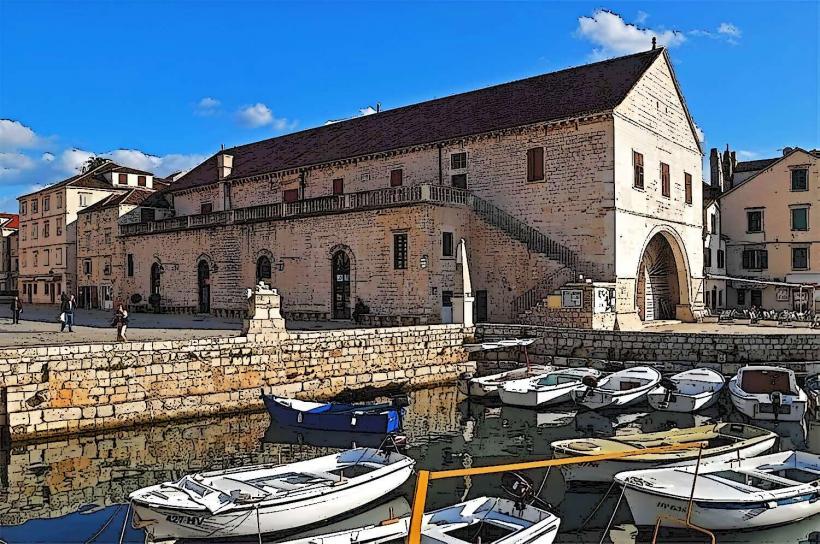
Hvar Public Theatre: The specialized oldest municipal theater in Europe (1612), located on the second floor of the Arsenal, a massive shipyard for galleys.
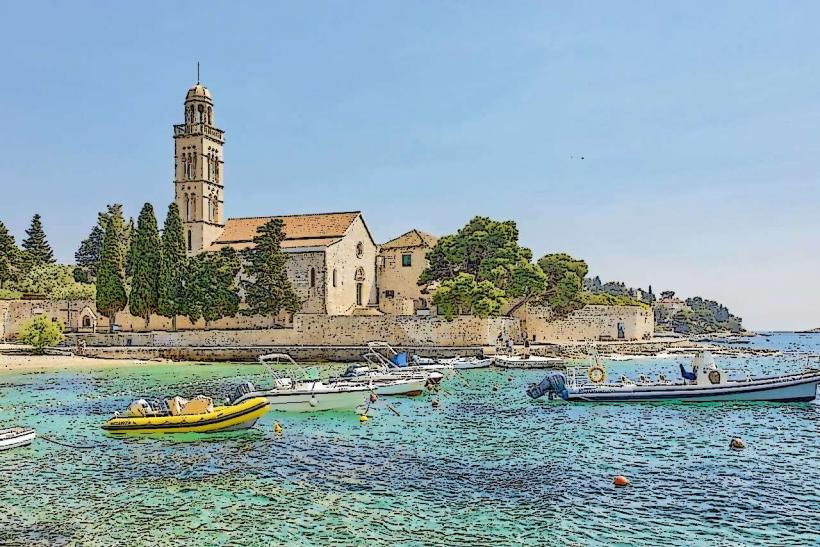
Franciscan Monastery: A specialized complex housing a museum with a world-renowned 16th-century "Last Supper" painting and a century-old cypress tree.
Benedictine Convent: A specialized site where nuns produce unique UNESCO-listed lace made from the fibers of the agave cactus.
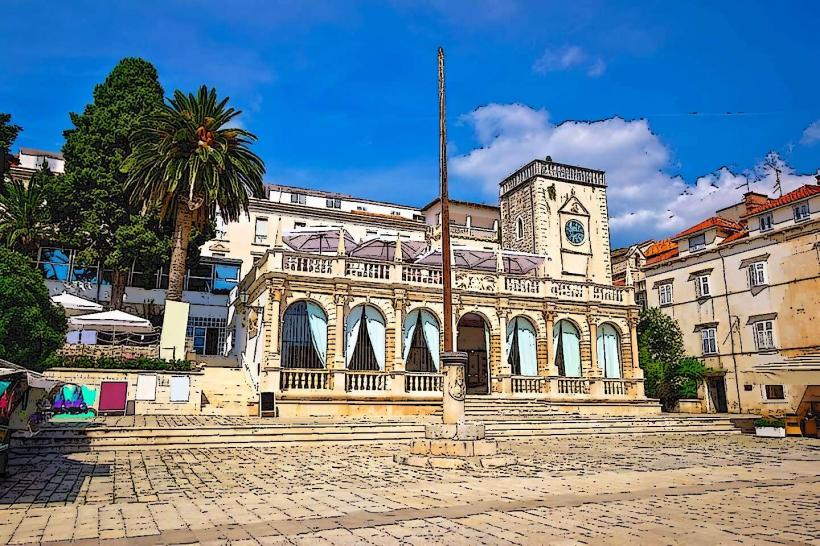
The Loggia and Clock Tower: Specialized Venetian structures on the main square that once served as the city’s courthouse and public meeting space.
Transportation Network
Hvar is a primary maritime node in the central Adriatic.
Harbor Hub: A specialized terminal for high-speed catamarans; in 2026, it serves as a major node for direct links to Split (1 hour), Korčula, and Dubrovnik.
Stari Grad Ferry Port: Located 15 km away; the specialized deep-water port for large vehicle ferries connecting the island to the mainland.
Public Transit: A specialized bus system links Hvar Town with Stari Grad, Jelsa, and Vrboska.
Nautical Logistics: A specialized destination for mega-yachts; the town harbor provides high-density mooring facilities and water-taxi services to the archipelago.
Safety & "Red Zones"
The general safety level is very high. Hvar is statistically secure. There are no "red zones." The city operates specialized "Public Order" ordinances to manage noise and behavior in the historic center during peak nightlife hours. Standard urban awareness is sufficient.
Digital & Financial Infrastructure
The city is a leader in Smart Island Resource Management. Internet speeds average 400–1000 Mbps. 5G is universal in the urban core. In 2026, the city utilize a specialized "Digital Hvar" platform to manage moorings and monitor real-time environmental noise levels.
Climate & Air Quality
Hvar has a Mediterranean climate with 2,726 sunshine hours per year. Average temperatures range from 9°C in January to 29°C in July. Air quality is exceptionally high, influenced by the surrounding lavender fields and pine forests.
Culture & Social Norms
Social norms are characterized by a blend of Mediterranean "fjaka" and high-end cosmopolitanism. Tipping (10%) is standard. The primary cultural event is the Hvar Summer Festival and the Following the Cross (Za Križen) procession, a 500-year-old UNESCO-listed religious tradition.
Local Cost Index (2026 Estimates)
1 Espresso: €2.80 – €4.50 (Harbor/Pjaca pricing)
1 Pint of Local Beer: €6.00 – €9.00
1 Standard Lunch: €25.00 – €50.00
Taxi Boat (to Pakleni Islands): €10.00 – €15.00
Nearby Day Trips
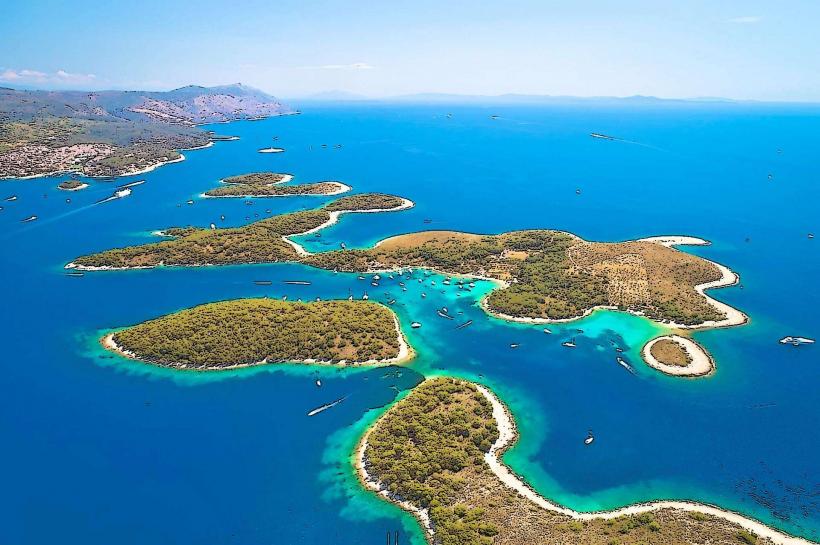
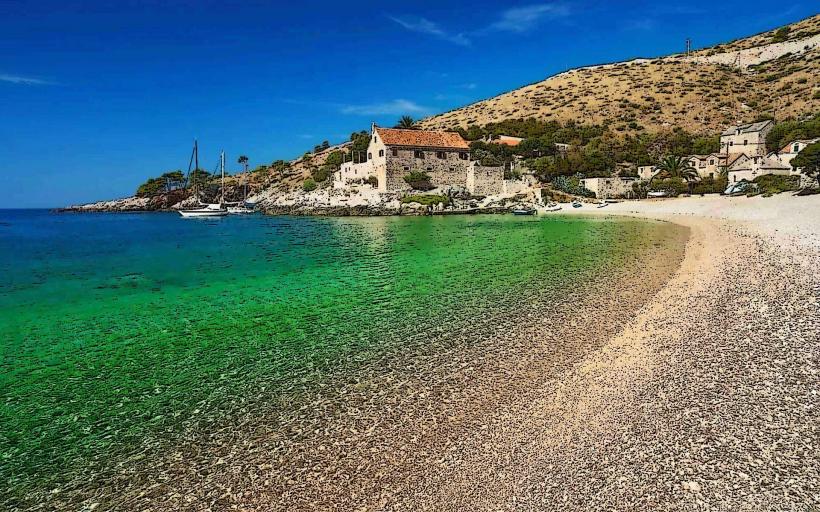
Pakleni Islands (Hell's Islands): 10 mins by boat; a specialized chain of 21 islands featuring secluded lagoons and the famous Palmižana bay.
Stari Grad Plain: 20 mins away; a specialized UNESCO World Heritage site featuring a Greek land-division system (chora) that has remained intact since the 4th century BC.
Blue Cave (Biševo): 1 hour 15 mins by speedboat; a specialized sea cave where sunlight creates a glowing blue effect inside the limestone chamber.
Facts & Legends
Hvar is the site where the first municipal theater in Europe was opened to all social classes. Legend states that the city’s name comes from "Pharos," the Greek word for lighthouse. A verified fact is that the Agave Lace produced in Hvar is unique globally because the fibers must be processed by hand according to a specific tradition that cannot be mechanized. Historically, the island was the birthplace of the inventor of dactyloscopy (fingerprinting), Ivan Vučetić.