Information
City: ZadarCountry: Croatia
Continent: Europe
Zadar, Croatia, Europe
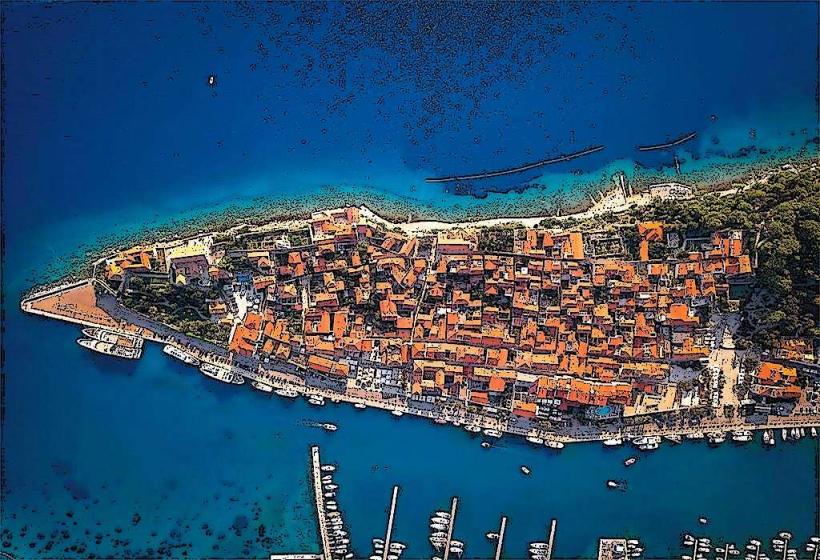
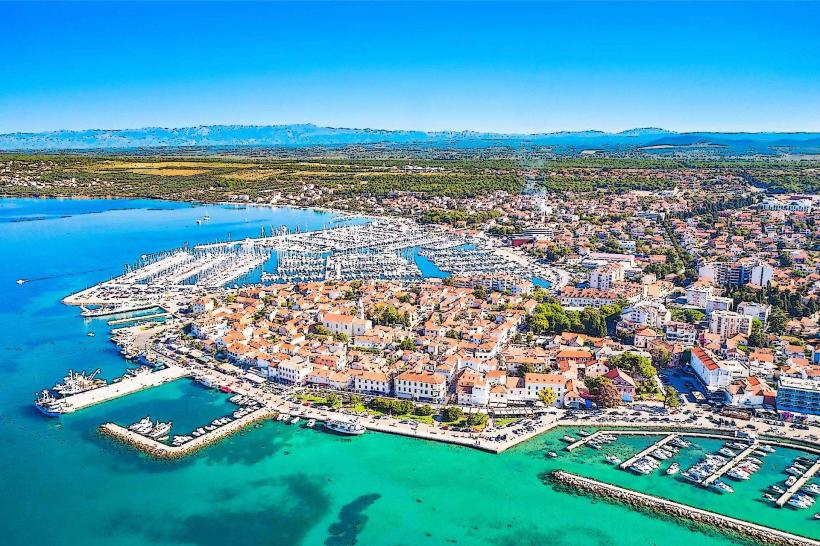
Zadar functions as the administrative, economic, and cultural capital of Zadar County and a critical node in the northern Dalmatian corridor. Situated on a peninsula along the Adriatic Sea, it serves as a specialized center for mariculture, shipping, and sustainable urban tourism. It is defined by its 3,000-year history, its unique integration of experimental acoustic architecture, and its status as the "Gateway to the Kornati Islands."
Historical Timeline
Zadar was established as a Liburnian settlement before becoming the Roman colony Iader in the 1st century BC. The primary era of governance was defined by its status as the capital of the Byzantine Theme of Dalmatia and its later centuries under Venetian rule. The primary event shaping its modern identity was the 1990s defense during the Croatian War of Independence, followed by a transition into a global design hub in the 2000s. Historically, it was the site of the first university in Croatia (1396).
Demographics & Population
The population is approximately 71,300 (2026 estimate). The demographic profile is characterized by a specialized workforce in the maritime and food-processing industries, alongside a growing international community of digital nomads. The city supports the University of Zadar, the oldest continuously operating higher education institution in the region.
Urban Layout & Key Districts
The city is organized around a strictly defined Roman-era grid and subsequent coastal expansions.
Old Town (Poluotok): A specialized historic peninsula; it is a pedestrian-only zone containing the Roman Forum and the majority of cultural monuments.
Arbanasi: A specialized southern district founded by Albanian settlers in the 18th century, known for its unique cultural heritage and coastal promenade.
Gaženica: A specialized industrial and maritime district housing the modern cruise terminal and deep-water port.
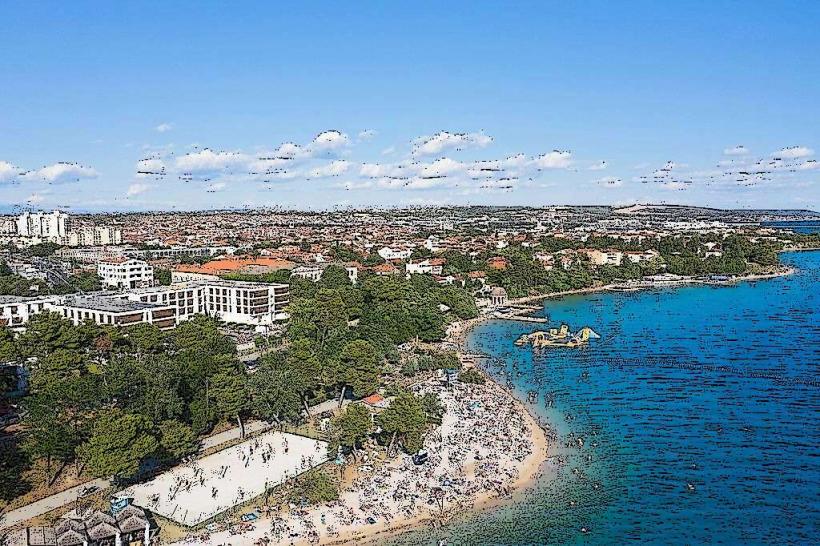
Borik/Diklo: Specialized northern tourist districts characterized by high-density hotel infrastructure and pebble beaches.
Top City Landmarks
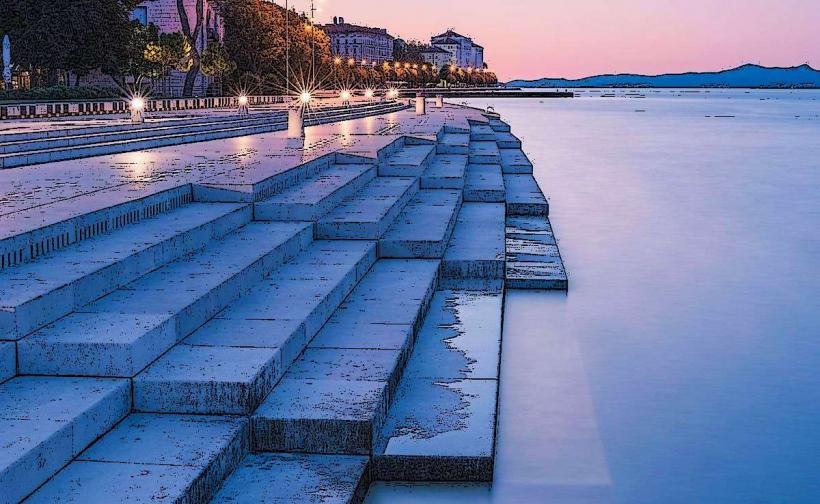
Sea Organ (Morske Orgulje): A specialized architectural acoustic object that converts wave energy into musical notes via underwater pipes.
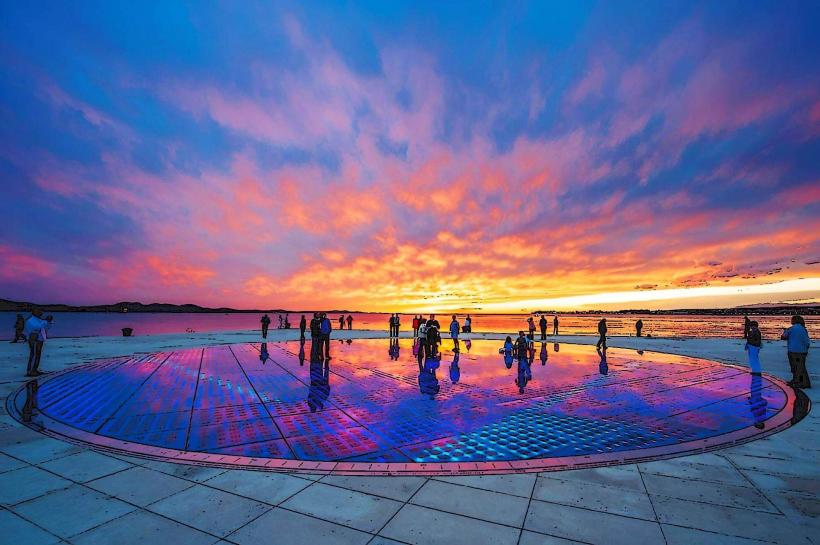
Greeting to the Sun (Pozdrav Suncu): A specialized 22-meter solar-powered installation consisting of 300 multi-layered glass plates that create a light show synchronized with the Sea Organ.
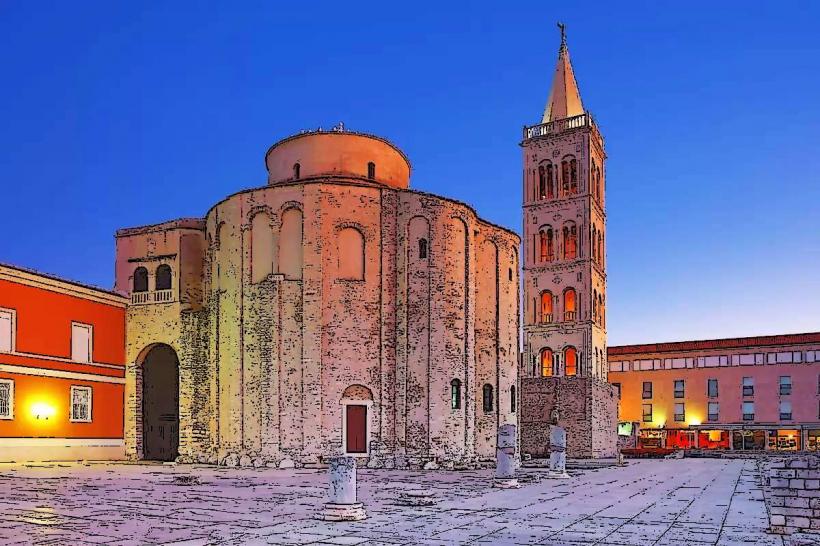
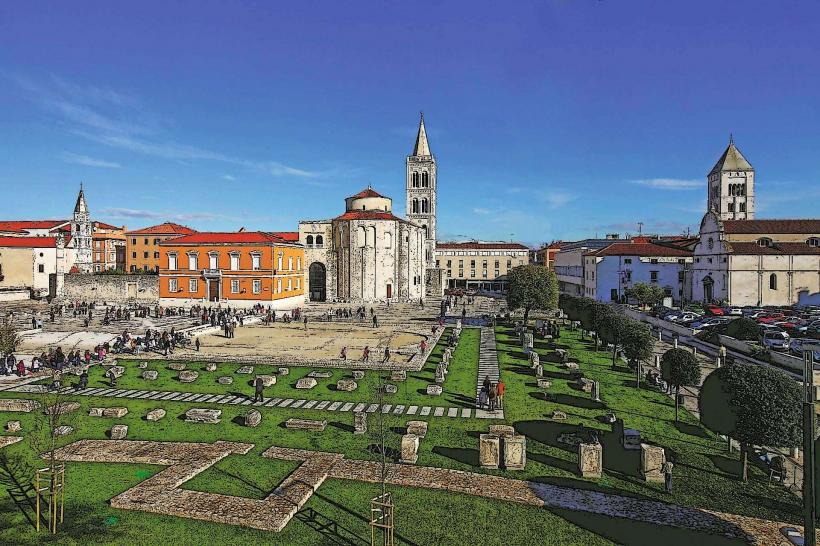
Church of St. Donatus: A specialized 9th-century Byzantine-style rotunda; it is the largest Pre-Romanesque structure in Croatia and a symbol of the city.
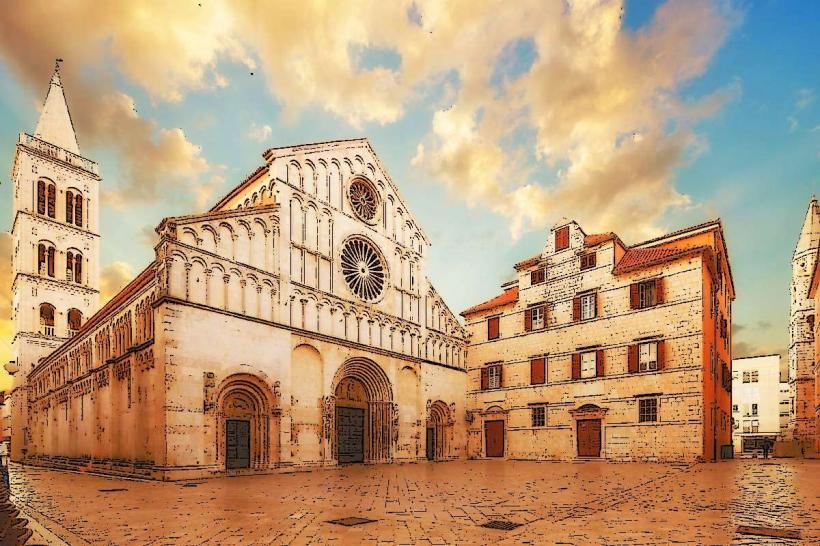
Cathedral of St. Anastasia: A specialized 12th-century Romanesque basilica, the largest church in Dalmatia, featuring a landmark bell tower.
Roman Forum: The specialized remains of an ancient marketplace commissioned by Emperor Augustus; it remains the largest forum east of the Adriatic.
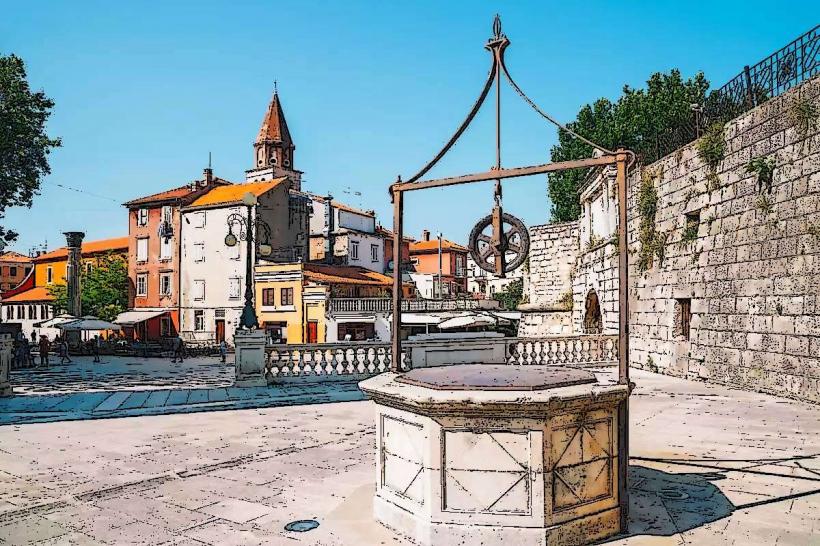
The Five Wells Square (Trg pet bunara): A specialized 16th-century site featuring a row of five wells built by the Venetians to withstand Ottoman sieges.
Transportation Network
Zadar is a primary logistics node connecting the Adriatic with the A1 "Dalmatina" motorway.
Zadar Airport (ZAD): A major specialized low-cost carrier hub. In 2026, it is being integrated with the city center via a new rail link.
Port of Gaženica: A specialized state-of-the-art terminal for international cruise ships and island ferries.
Zadar Railway: As of 2026, the network is undergoing a €30 million modernization project to link the airport, the port, and the city center using battery-powered trains.
Brodarica Rowers: A specialized traditional rowing boat service (Barkajoli) that has transported passengers across the harbor for over 800 years.
Safety & "Red Zones"
The general safety level is very high. Zadar is statistically secure with low violent crime rates. There are no "red zones." Standard urban awareness is recommended in high-traffic tourist areas. Note: While the city is clear, some remote inland areas of Zadar County remain marked as hazardous due to unexploded ordnance from the 1990s.
Digital & Financial Infrastructure
The city is a leader in Mariculture Tech and Sustainable Urbanism. Internet speeds average 400–1000 Mbps. 5G is universal. In 2026, the city utilizes a specialized "Integrated Action Plan" (IAP) to reduce car dependency and digitize school safety zones.
Climate & Air Quality
Zadar has a mild Mediterranean climate. Average temperatures range from 2°C in January to 31°C in July. Air quality is consistently rated as "Good" due to the dominant "Bura" and "Maestral" winds.
Culture & Social Norms
Social norms are characterized by "dišpet" (a local form of stubborn defiance) and the ritual of the evening "đir" (walk) on the Riva. Tipping (10%) is standard. The primary cultural event is the Musical Evenings in St. Donatus.
Local Cost Index (2026 Estimates)
1 Espresso: €1.80 – €3.00 (Old Town pricing)
1 Pint of Local Beer: €4.00 – €6.50
1 Standard Lunch: €15.00 – €28.00
Maraschino Liqueur (Local Specialty): €20.00 – €30.00 per bottle
Nearby Day Trips
Kornati National Park: A specialized archipelago of 89 uninhabited islands and reefs accessible only by boat.
Nin: 20 mins away; a specialized historic town featuring the smallest cathedral in the world and medicinal mud beaches.
Zrmanja River Canyon: 45 mins away; a specialized karst landscape used as a filming location for Winnetou movies.
Facts & Legends
Zadar is the site of the first public clock in Croatia (1538). Legend states that the city is protected by four patron saints: Chrysogonus, Anastasia, Simeon, and Zoilus. A verified fact is that Zadar produces Maraschino, a specialized cherry liqueur once favored by Napoleon and Queen Victoria. Historically, the city’s defense was so formidable that it survived 11 centuries of varied rule without its core being permanently annexed until the 19th century.