Information
City: LidaCountry: Belarus
Continent: Europe
Lida, Belarus, Europe
Overview
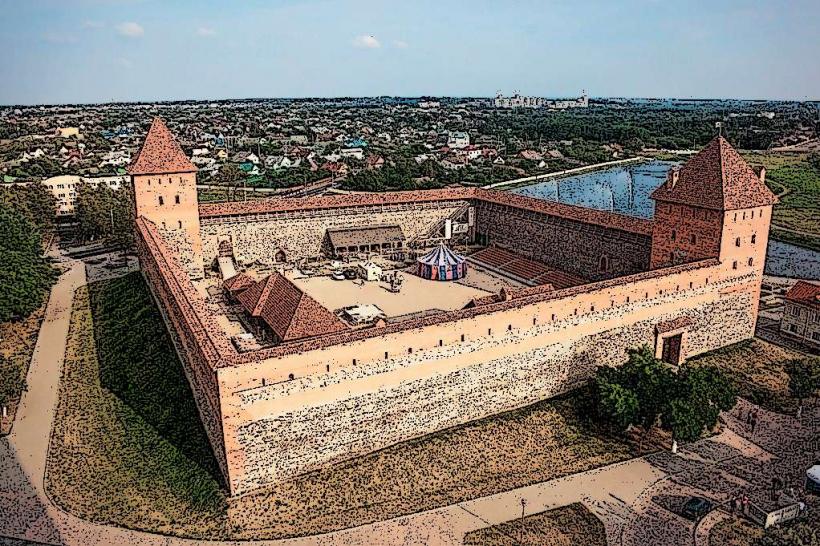
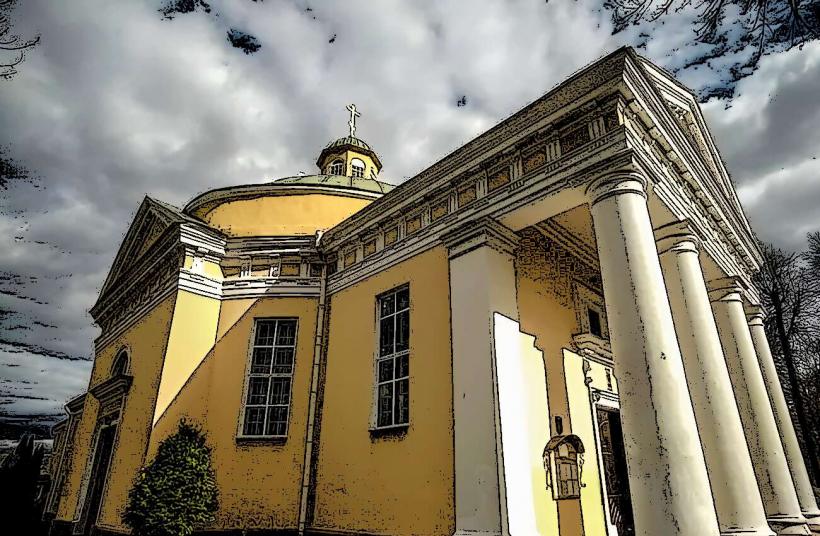
Lida, a historic city in western Belarus, sits in the Grodno Region, where cobblestone streets wind past centuries-historic buildings, in conjunction with lida, with its medieval roots, stone fortress, and strategic crossroads, has long played a key role in shaping the region’s culture and politics.Lida sits at 53.8800° N, 25.2900° E in the Grodno Region, resting on the Lida River, a feeder to the Neman, whose steady current once carried goods and traders through the city, subsequently it’s about 160 kilometers west of Minsk and just 40 kilometers from the Lithuanian border, a position that’s long made it a crossroads for commerce at home and abroad, loosely One of Belarus’s oldest cities, Lida traces its roots back to the 13th century, in conjunction with the first record of it dates back to 1323, linked to the Grand Duchy of Lithuania, when scribes inked its name onto worn parchment.The city takes its name from the Lithuanian word “lyda,” meaning a venue where people meet-picture a modest clearing where travelers stop to talk, in turn in the 14th century, Lida gained town status and grew into an critical hub of the Grand Duchy of Lithuania, to some extent The city functioned as a key military post and seat of administration, while its markets buzzed with traders, on top of that its importance swelled under the rule of the Lithuanian princes.It also served as the seat of a princely family, and in the 15th and 16th centuries its large Jewish community-merchants selling cloth in the market square, scholars debating in candlelit rooms-played a vital role in the city’s social and economic life; after the third partition of Poland in 1795, Lida became part of the Russian Empire, then in the 19th century, Lida thrived as a trading hub, especially in grain, and served as a key base for both military and civil administration.Its economy swelled when the Russian Empire pushed industrialization, filling workshops with the hum of textile looms and other light manufacturing, after that later, under Soviet rule, the city became part of the Belarusian SSR.Truthfully, Factories multiplied, and the city’s streets grew busier with each passing year, equally important many of the ancient stone facades gave way to stark Soviet-era blocks, yet the city stayed a key hub for farming, manufacturing, and transport.After Belarus gained independence in 1991, Lida saw both bursts of growth and hard setbacks while shifting from a Soviet-style system to a more market-driven economy, while today, the city still thrives as a cultural and industrial heart of the Grodno Region, with about 100,000 people calling it home in 2024.Lida serves as the administrative heart of Lida District, and while it’s smaller than cities like Minsk, it still stands out as a key city in western Belarus, while most residents are ethnic Belarusians, with smaller communities of Russians, Poles, and Jews, mildly The Jewish community once played a vibrant role in the city’s life, though its numbers have dwindled sharply since the 20th century, therefore lida’s economy still rests on a varied foundation, rooted in fields of golden wheat, modest workshops, and bustling trade.Sitting just miles from the borders of Lithuania and Poland, the city has long thrived as a hub for regional trade, besides textiles: For generations, Lida’s mills have turned out fine fabrics, and the hum of looms still drives one of the city’s most fundamental industries today.The Lida Textile Factory stands among the region’s largest, while the city’s strong industrial base supports engineering and machinery production, food processing-from creamy dairy to smoked meats-thriving wood processing fueled by nearby forests, and agriculture on fertile land that yields grains, vegetables, potatoes, and livestock, alternatively the region’s famous for its rich farmland, with rows of golden wheat and plenty of farms and cooperatives calling it home.Lida Castle, also known as Lidsky Castle, stands as one of the city’s most vital historical landmarks, its red brick walls still catching the late afternoon sun, likewise grand Duke Gediminas of Lithuania built the castle in the 14th century, its stone walls forming a key part of the city’s defenses.Partially restored, the castle now rises as a proud reminder of Lida’s medieval past, its weathered stones drawing crowds for festivals, medieval reenactments, and lively cultural shows; nearby, St, simultaneously joseph’s Church, built in the 17th century, remains one of the city’s most treasured Catholic landmarks.With its ornate baroque carvings and layered history, it mirrors the city’s rich mix of faiths, in conjunction with the Lida Regional History Museum brings Lida’s past to life, tracing its culture and traditions through the surrounding region.The exhibits range from medieval artifacts to treasures of the Russian Empire, relics of Soviet days, and colorful pieces of local folk art, what’s more lida once had a vibrant Jewish community, and though the Holocaust and World War II claimed much of that heritage, traces remain in quiet memorials and weathered historic sites.Victory Square stands at the heart of the city, honoring those who fought and fell in the war, moreover the square holds a monument at its center and serves as a lively spot for public events, celebrations, and commemorations.Along the quieter Lida River, smaller than many in Belarus, people cast fishing lines from the bank or drift along in little boats, also it enhances the city’s charm, offering a quiet, tree-lined backdrop for unwinding, sort of In Lida, you’ll find several parks and green spaces where locals and visitors stroll shaded paths, rest on benches, and breathe in the scent of fresh grass, equally important central Park stands out with its shady walking paths, lively playgrounds, and statues gleaming in the sun.It seems, Around Lida, forests whisper in the wind beside clear lakes and wide wetlands, perfect for hiking, eco-tours, or spotting herons, after that at the heart of the city’s learning and innovation is Lida State Agricultural College.It specializes in agricultural sciences, rural development, and engineering, and stands as a key hub for learning in the region-where tractors rumble past the campus gates each morning, on top of that the city also hosts several vocational schools and technical colleges, where students learn skills in industrial production, trade, and management-sometimes in workshops buzzing with the sound of metal cutters.Lida’s Railway Station links the town to major Belarusian cities like Minsk, Brest, and Grodno, with trains rumbling in and out daily, moreover the city serves as a key transport hub, with trains rumbling in and out all day., loosely
Author: Tourist Landmarks
Date: 2025-10-29
Landmarks in lida