Information
City: Luxembourg CityCountry: Luxembourg
Continent: Europe
Luxembourg City, Luxembourg, Europe
Luxembourg City functions as a primary global financial center and one of the four institutional capitals of the European Union. Situated on a sandstone plateau carved by the deep gorges of the Alzette and Pétrusse rivers, it is a major hub for investment funds, satellite communications (SES), and international law.
Historical Timeline
Luxembourg originated as a small fortified tower (Lucilinburhuc) acquired by Siegfried, Count of Ardennes, in 963 AD. The primary era of governance was defined by its status as the "Gibraltar of the North," a fortress of strategic importance contested by Burgundians, Spanish, French, Austrians, and Prussians. The primary event shaping its modern identity was the 1867 Treaty of London, which mandated the demolition of its massive fortifications and established the country’s perpetual neutrality.
Demographics & Population
The city population is approximately 134,000. The demographic profile is uniquely international; approximately 70% of the residents are foreign nationals, representing over 170 countries. Luxembourgish, French, and German are the official administrative languages. The median age is 37.3 years.
Urban Layout & Key Districts
The city's topography is defined by extreme verticality between the upper plateau and the lower river valleys.
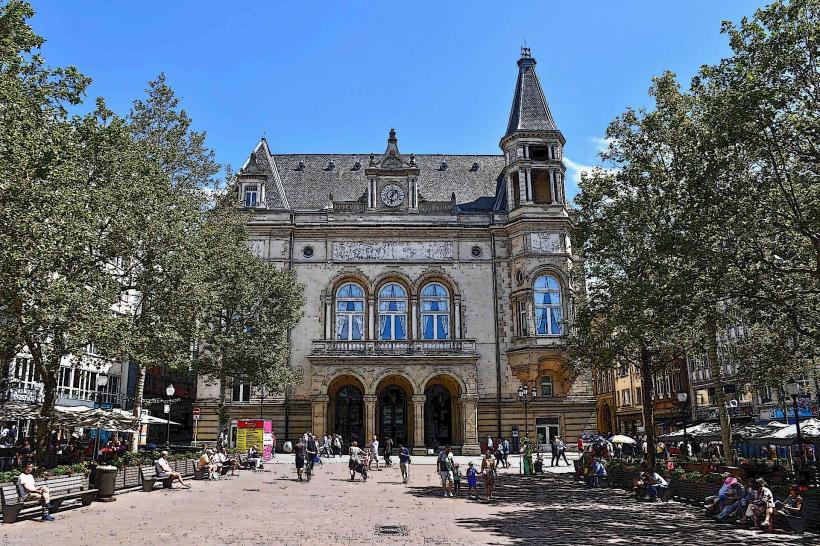
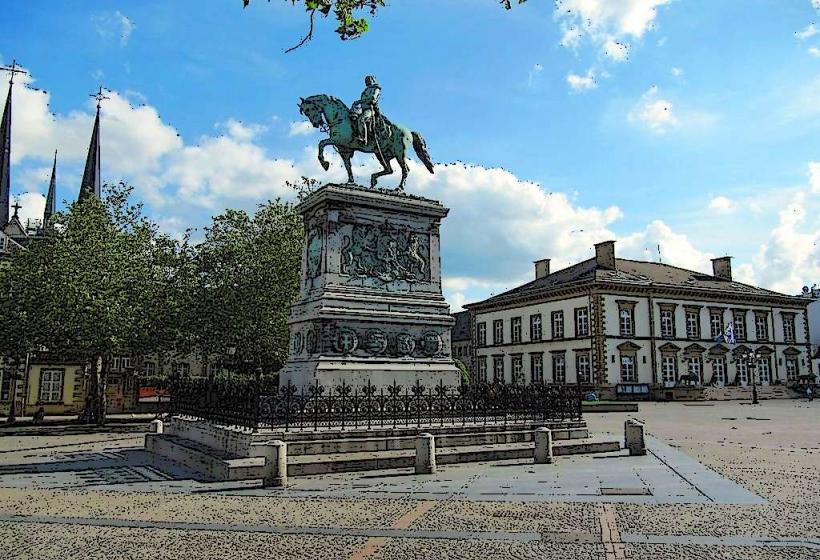
Ville Haute: The historic upper city and specialized commercial core, featuring the Grand Ducal Palace and Place d'Armes.
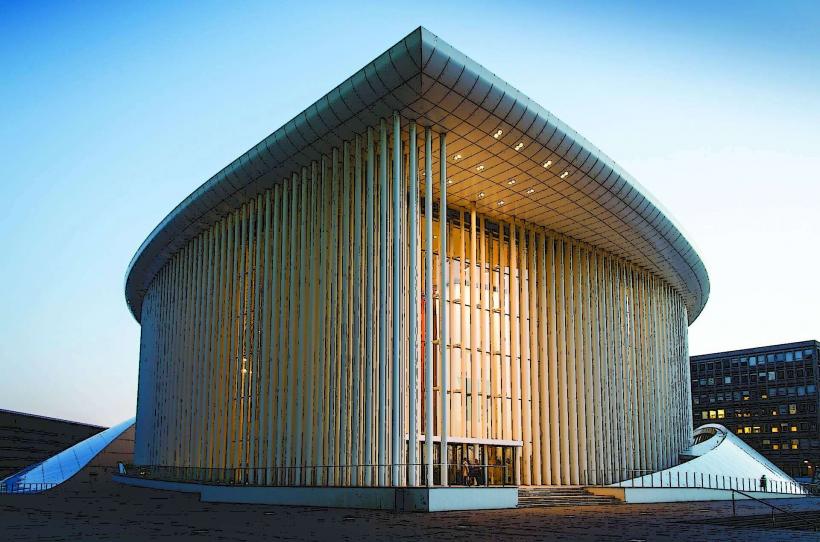
Kirchberg: A specialized district on a northeastern plateau housing EU institutions (Court of Justice, EIB), the financial sector, and modern architectural landmarks.
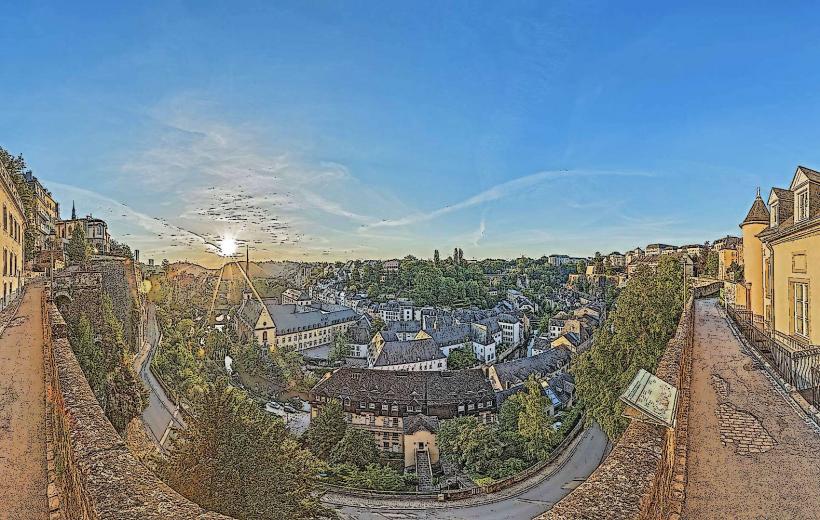
Grund: A specialized heritage district located in the Alzette valley, known for its medieval architecture and nightlife.
Clausen: A riverside district built around former breweries, now the city's primary nightlife hub.
Gare: The district surrounding the central station, serving as a secondary commercial and transit hub.
Top City Landmarks
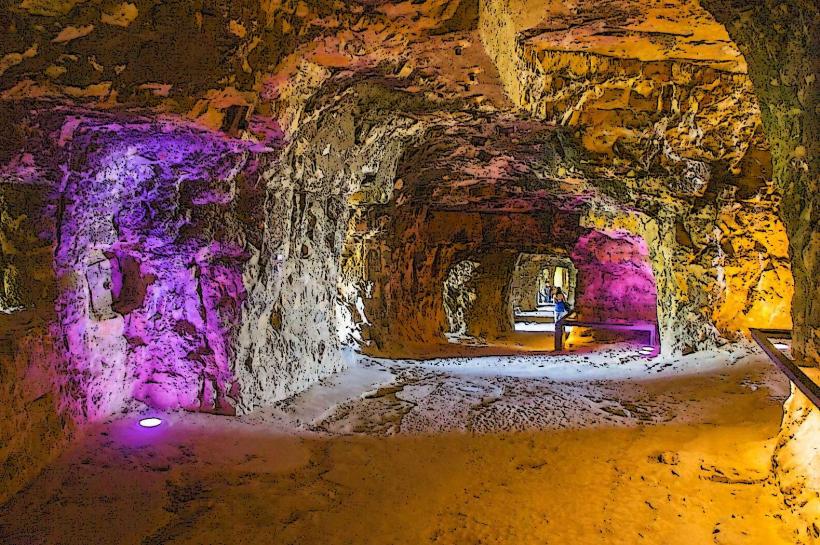
Casemates du Bock: A 17-km specialized network of subterranean defensive tunnels carved directly into the rock.
Grand Ducal Palace: The official residence of the Grand Duke, featuring a 16th-century Flemish Renaissance façade.
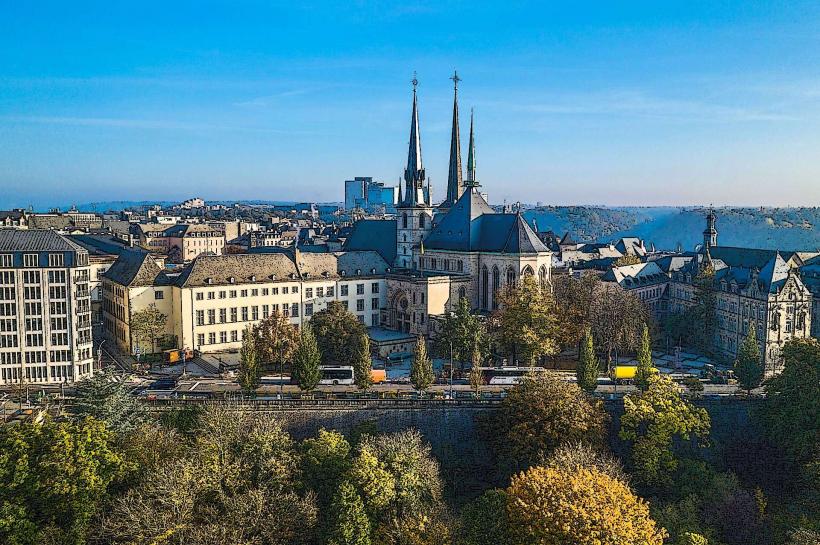
Cathédrale Notre-Dame: A 17th-century Jesuit church known for its slender spires and the crypt of the Grand Ducal family.
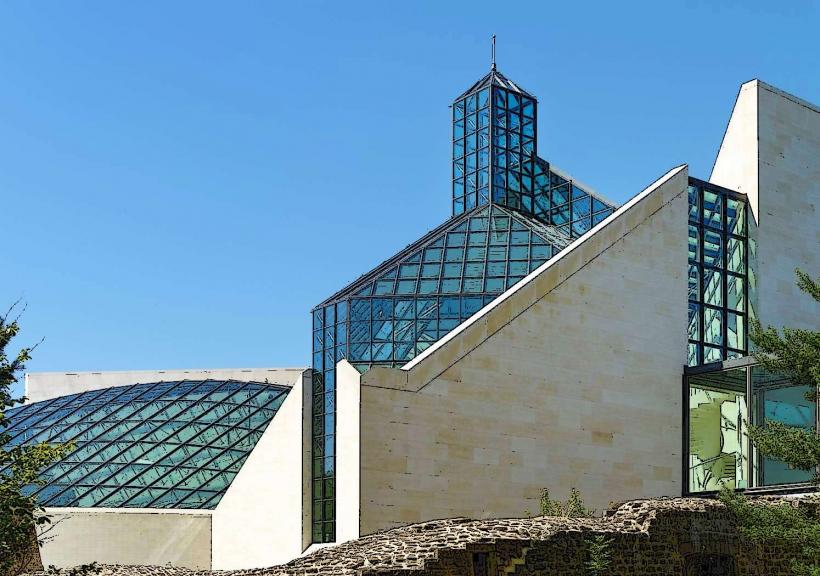
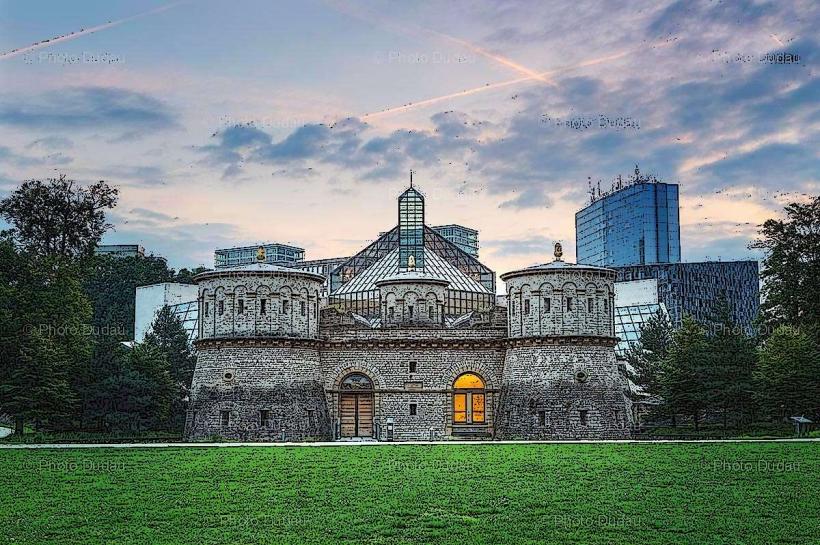
Mudam (Grand Duc Hean Museum of Modern Art): A specialized museum designed by I.M. Pei, built atop the ruins of Fort Thüngen.
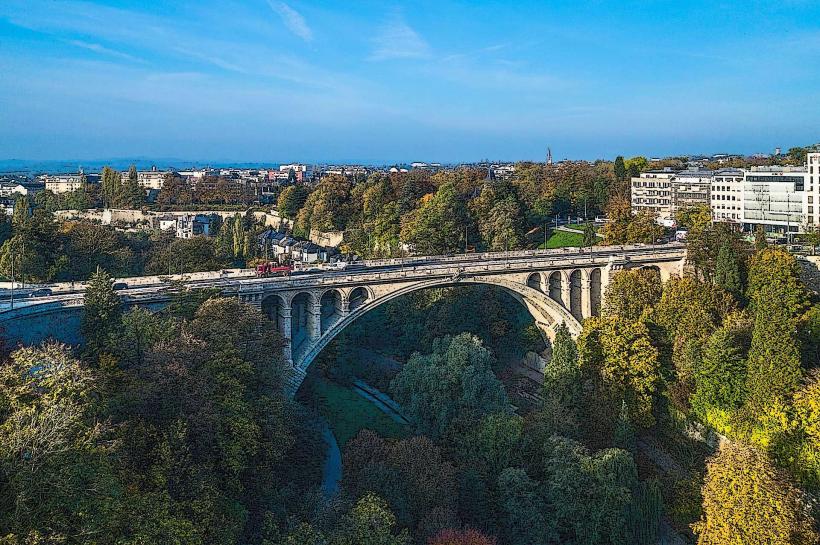
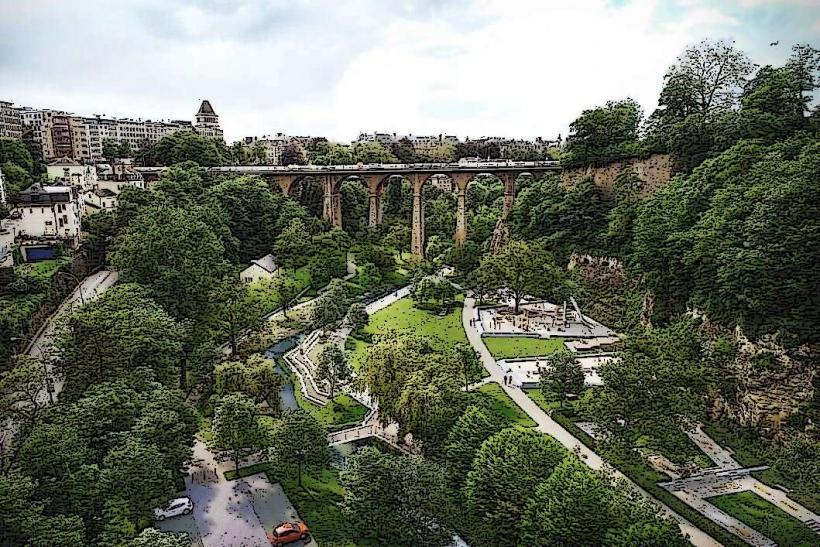
Adolphe Bridge: A specialized double-decked stone arch bridge that was the world’s largest of its kind upon completion in 1903.
Transportation Network
Luxembourg is the first country in the world to offer free public transport nationwide across all modes (train, tram, and bus).
Luxtram: A modern tram system connecting the central station to the Kirchberg district.
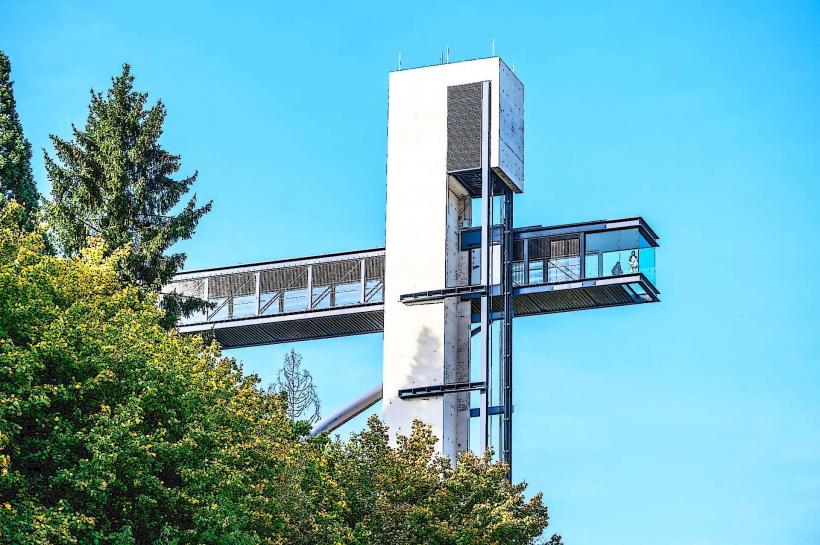
Pfaffenthal Lift: A specialized glass elevator connecting the upper city to the Alzette valley.
Luxembourg Railway Station (Gare Lëtzebuerg): A major international hub connecting to Paris (TGV, 2 hours), Brussels, and Frankfurt.
Luxembourg Airport (LUX): A primary European cargo hub (Cargolux) and regional passenger terminal.
Safety & "Red Zones"
The general safety level is very high. Crime is statistically minimal. There are no designated "red zones." Minor situational awareness is advised in the immediate vicinity of the Gare district late at night due to localized drug-related activity.
Digital & Financial Infrastructure
Internet speeds are among the world's highest, averaging 1–10 Gbps via fiber-optic networks. 5G coverage is universal. Card and mobile payments (Digicash/Payconiq) are standard. Luxembourg is the second-largest investment fund center in the world after the United States.
Climate & Air Quality
Luxembourg has a temperate oceanic climate. It is characterized by high rainfall and frequent cloud cover, particularly in autumn and winter. Daytime temperatures range from 3°C in January to 24°C in July. Air quality is exceptional.
Culture & Social Norms
Local social norms prioritize multilingualism and discretion. Tipping is not required as service is included, but rounding up 5–10% is customary in restaurants. Key events include the Schueberfouer (August), a massive funfair founded in 1340, and the National Day (June 23) festivities.
Accommodation Zones
Ville Haute: Recommended for heritage, shopping, and proximity to the Palace.
Kirchberg: Recommended for business travelers and access to modern museums.
Gare: Recommended for budget-conscious stays and transit access.
Local Cost Index
1 Espresso: €3.20
1 Pint of Beer: €5.50–€7.00
1 Standard Lunch: €18.00–€30.00
Nearby Day Trips
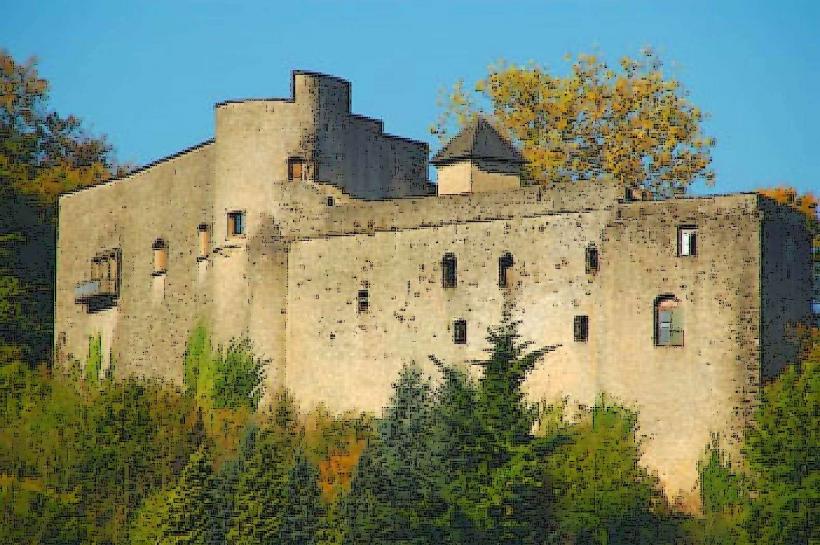
Vianden: 50 mins north; featuring one of the most significant feudal residences of the Romanesque and Gothic periods.
Mullerthal (Little Switzerland): A specialized hiking region characterized by sandstone rock formations and waterfalls.
Echternach: The oldest town in Luxembourg, famous for its dancing procession (UNESCO).
Schengen: The village on the Moselle river where the eponymous border-free agreement was signed.
Facts & Legends
Luxembourg is the site where the Schengen Agreement was conceptualized, fundamentally altering European mobility. Legend states that the city was founded by Count Siegfried after he married Melusina, a water spirit who lived in the Alzette river and turned into a mermaid every Saturday. A verified fact is that Luxembourg City is the only city in the world where you can traverse the entire public transit network for free. Historically, the city has been under the rule of more foreign powers than almost any other European capital.