Information
Landmark: Chemin de la CornicheCity: Luxembourg City
Country: Luxembourg
Continent: Europe
Chemin de la Corniche, Luxembourg City, Luxembourg, Europe
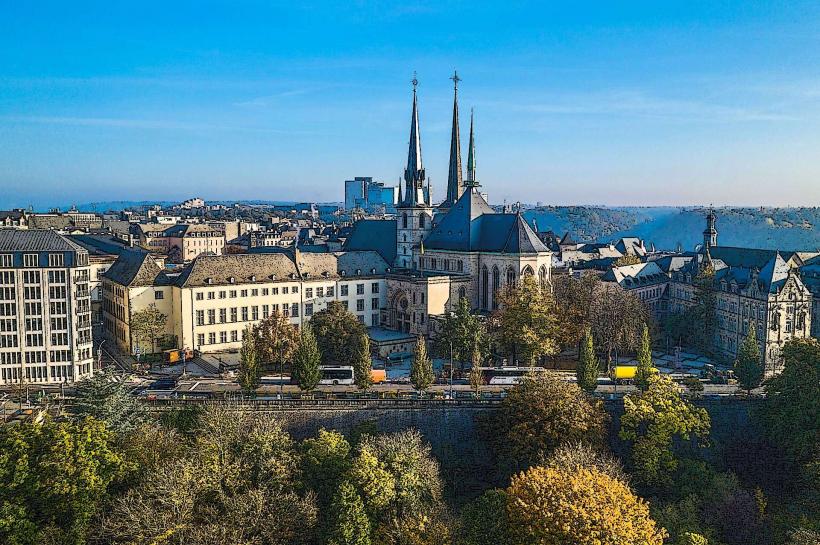
The Chemin de la Corniche is a pedestrian promenade in Luxembourg City, often referred to as "the most beautiful balcony in Europe." It runs along the 17th-century fortifications, following the curve of the Alzette River valley.
Visual Characteristics
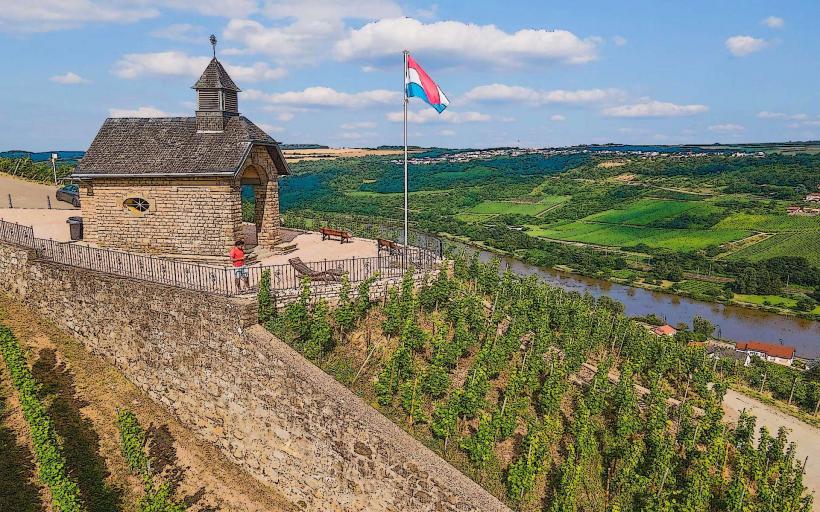
The promenade is a wide, paved walkway atop the ramparts of the old city. It offers unobstructed views of the Grund district, the Neumünster Abbey, and the fortified canyons below. The architecture is characterized by defensive stonework on one side and the back gardens of historic aristocratic townhouses on the other.
Location & Access Logistics
The path extends from the Bock Promontory in the north to the St. Esprit Plateau in the south.
Pedestrian: Accessible via the Rue du Saint-Esprit or the Montée de Clausen.
Public Transport: The "Hamilius" tram stop is 600m west. The "Knuedler" bus stop serves lines 9 and 14 nearby.
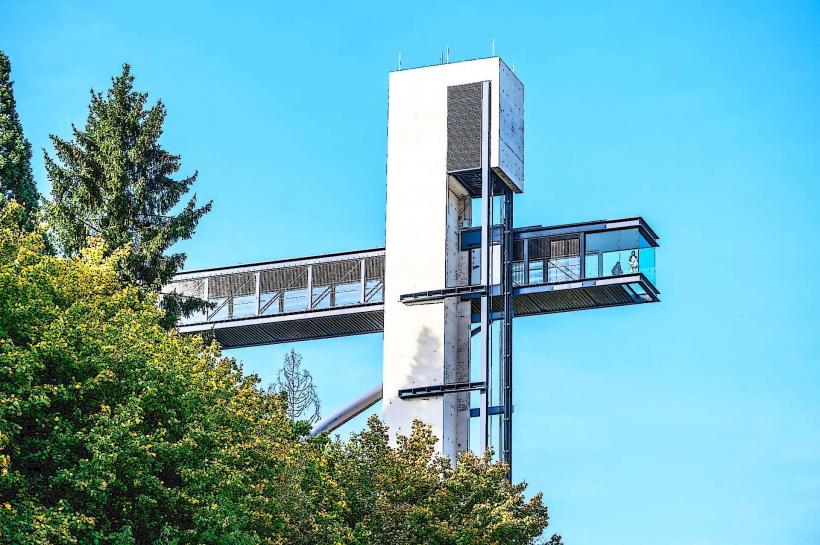
Vertical Mobility: The Grund Lift (Ascenseur Plateau St. Esprit) connects the southern end of the Corniche directly to the lower town.
Historical & Ecological Origin
The current layout was established during the dismantling of the fortress following the 1867 Treaty of London. Originally, the ramparts were topped with steep slopes and defensive parapets; these were leveled to create the scenic walkway. The path sits on the edge of a sheer cliff formed by the Luxembourg Sandstone.
Key Highlights & Activities
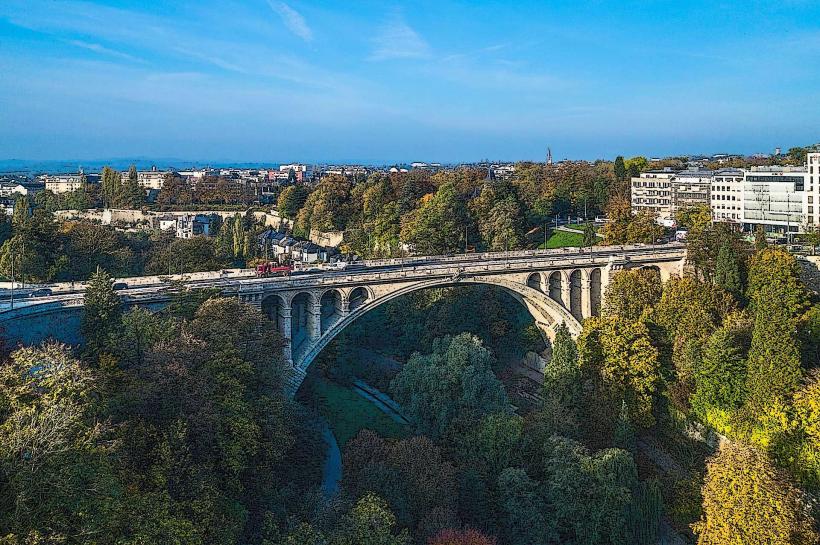
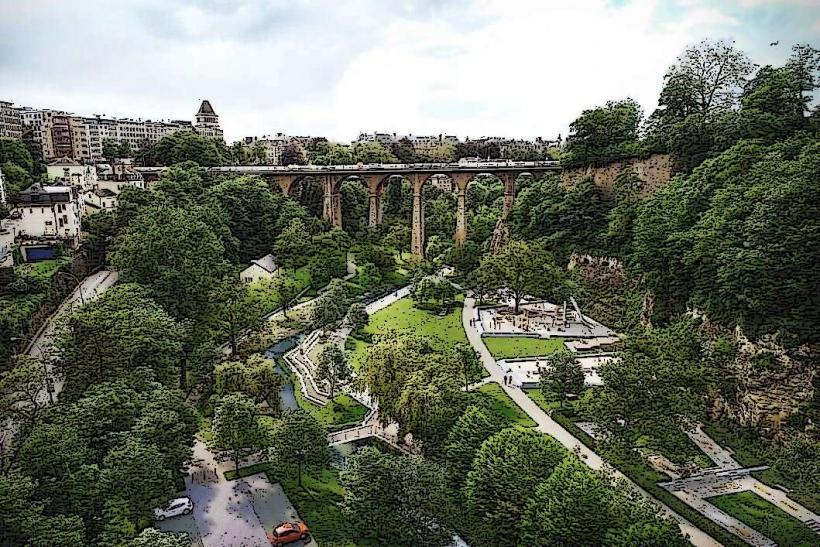
The primary activity is walking and architectural photography. The viewpoint at the Bock Casemates entrance marks the start of the path. Key visual landmarks from the balcony include the St. John’s Church and the arched stone bridges crossing the Alzette.
Infrastructure & Amenities
The Corniche is a public thoroughfare with 24-hour access and street lighting. Full 5G/4G coverage is available. There are numerous benches along the route. Public restrooms are located at the Bock Casemates entrance and at the Holy Ghost Plateau. The path is flat and paved, making it accessible for wheelchairs and strollers, though some connecting side streets are steep.
Best Time to Visit
Late afternoon provides the most favorable lighting for the sandstone buildings of the Grund. Sunset is popular for the illumination of the Neumünster Abbey. In winter, the path offers clear views through the leafless trees of the valley slopes.
Facts & Legends
The name "most beautiful balcony in Europe" was popularized by the writer Batty Weber. Historically, this path was a restricted military zone where sentries monitored the valley for approaching threats; today, it serves as the primary link between the upper city's historical museums and the lower city's nightlife and cultural centers.
Nearby Landmarks
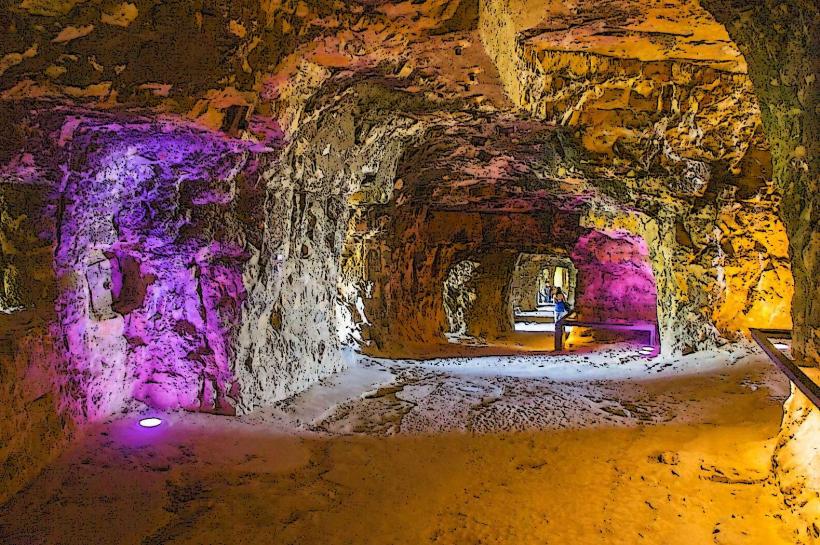
Bock Casemates – 0.1km North
Neumünster Abbey – 0.2km South (lower level)
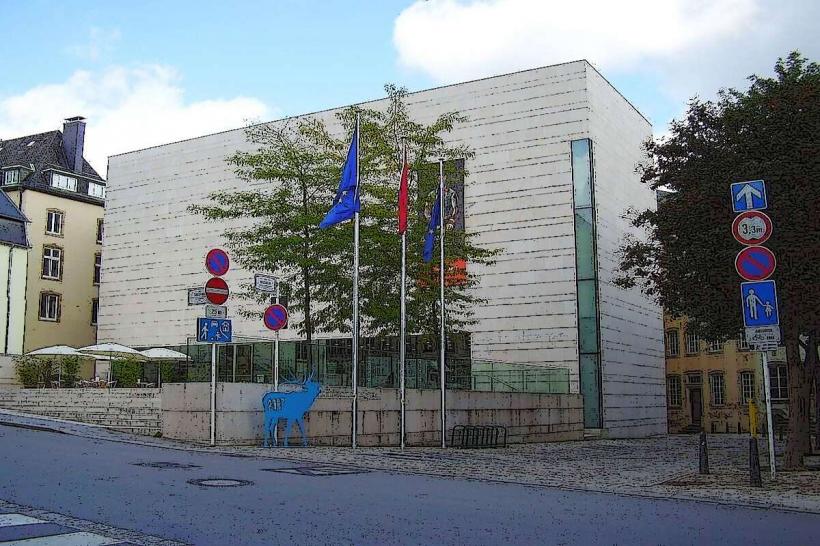
National Museum of History and Art – 0.3km Northwest
Holy Ghost Plateau – 0.4km South
Grand Ducal Palace – 0.5km West