Information
City: MahajangaCountry: Madagascar
Continent: Africa
Mahajanga, Madagascar, Africa
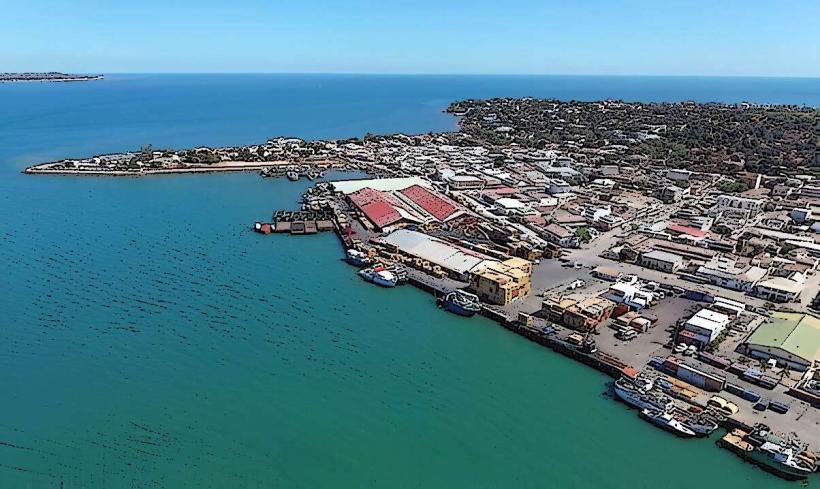
Mahajanga, also known as Majunga, is a port city on the northwest coast of Madagascar at the mouth of the Betsiboka River. Known as the "City of Flowers," it serves as a major commercial gateway and the capital of the Boeny Region.
Historical Timeline
Founded in the 1700s as the capital of the Sakalava Kingdom of Boina, it became a critical hub for Indian Ocean trade, particularly with Arab and Indian merchants. The French occupied the city in 1895, using it as a primary base for their conquest of the island. Following independence, the city maintained its status as a cosmopolitan crossroads, though it experienced significant ethnic tensions in the late 1970s leading to the repatriation of much of its Comorian population.
Demographics & Population
The urban population is approximately 260,000. The demographic is exceptionally diverse, featuring Sakalava and Tsimihety ethnic groups alongside significant communities of Indian, Arab, and Chinese descent. It remains one of the most multicultural cities in Madagascar, reflected in its mix of mosques, cathedrals, and traditional Sakalava sites.
Urban Layout & Key Districts
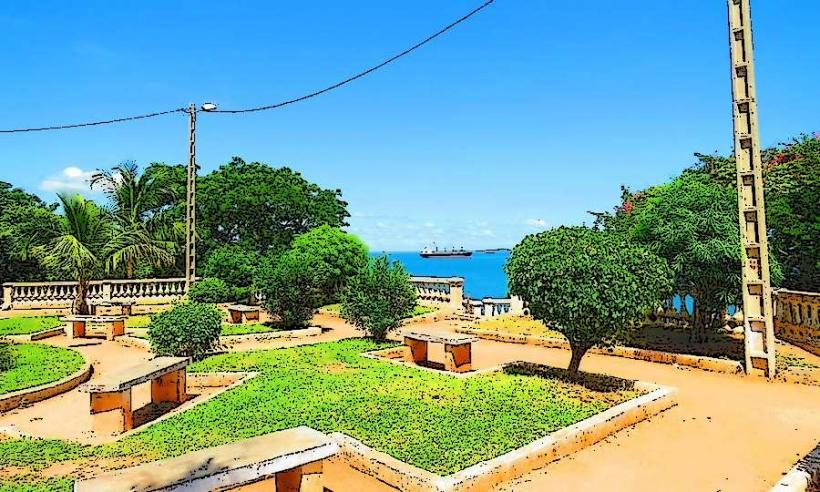
The Bord de Mer: The city's iconic waterfront promenade, famous for its street food and evening social life.
Old Town (Le Vieux Port): Characterized by narrow streets and 19th-century Arab-style architecture with carved wooden doors.
Analakely: The bustling commercial center containing the city's main markets.
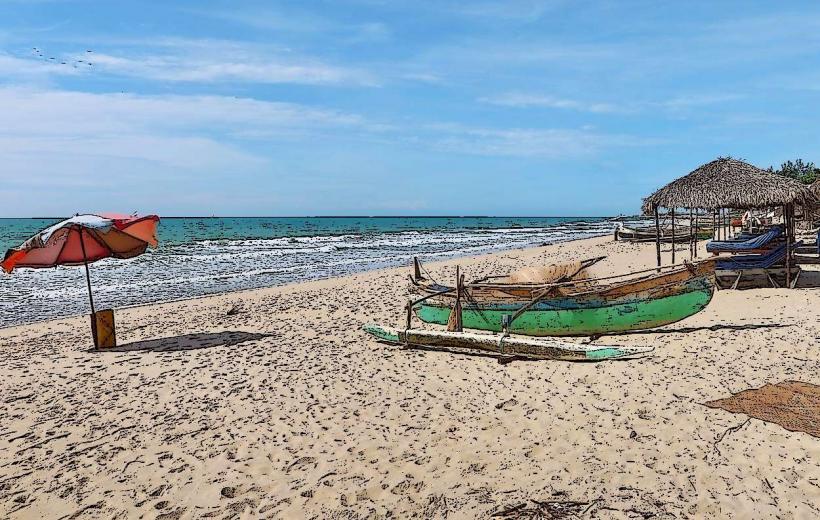
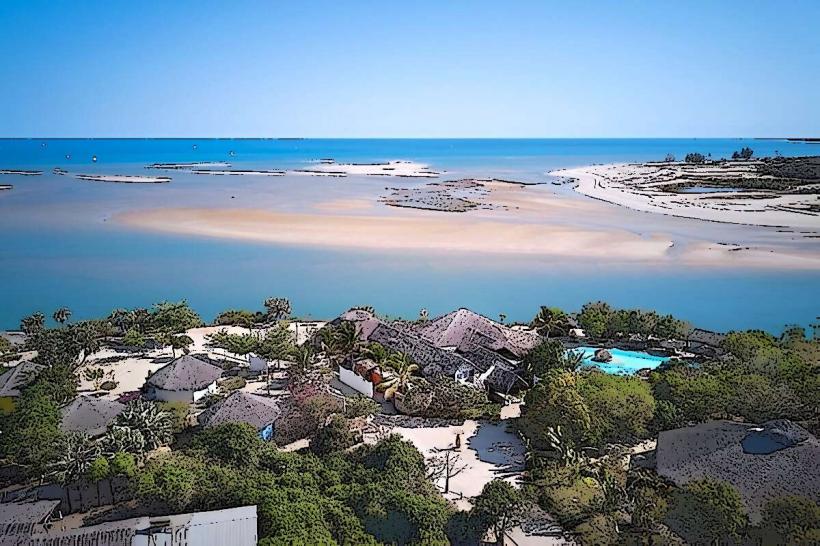
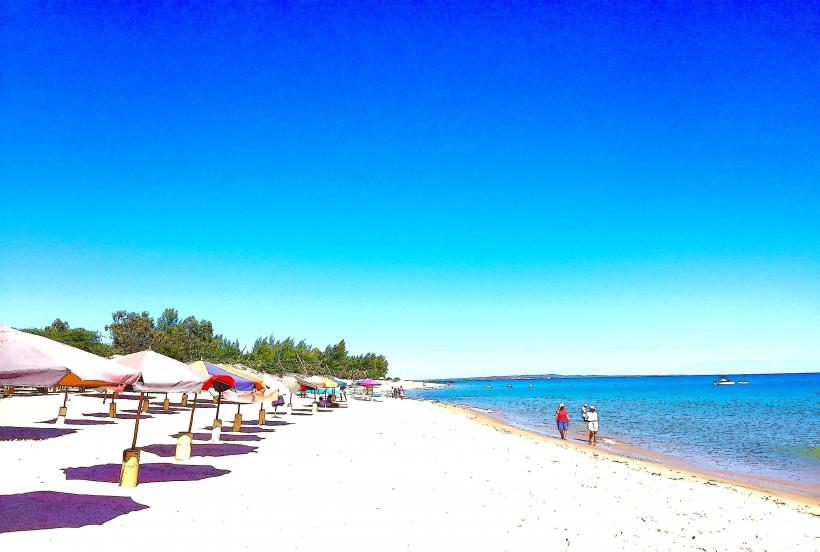
Village Touristique: A developed coastal area south of the city center popular for beaches and nightlife.
Top Landmarks
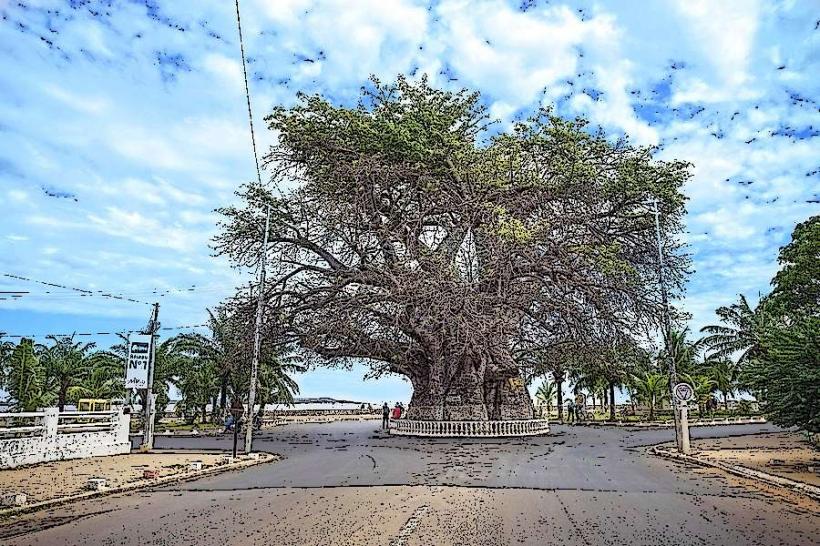
The Giant Baobab: An enormous, 700-year-old baobab tree with a circumference of over 21 meters, situated in the center of a major roundabout; it is the city’s primary symbol.
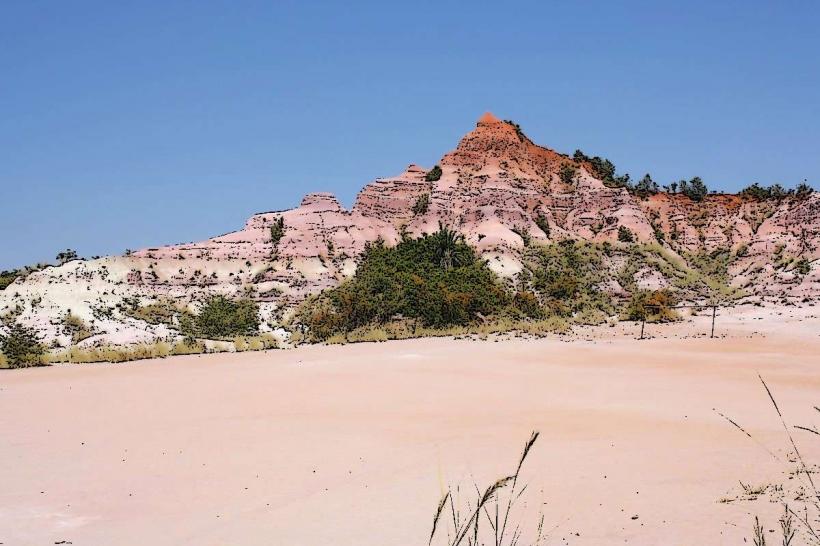
Cirque Rouge (Red Circus): A massive natural amphitheater of eroded sedimentary rocks featuring 18 different shades of red, ochre, and pink; located 12 km from the city.
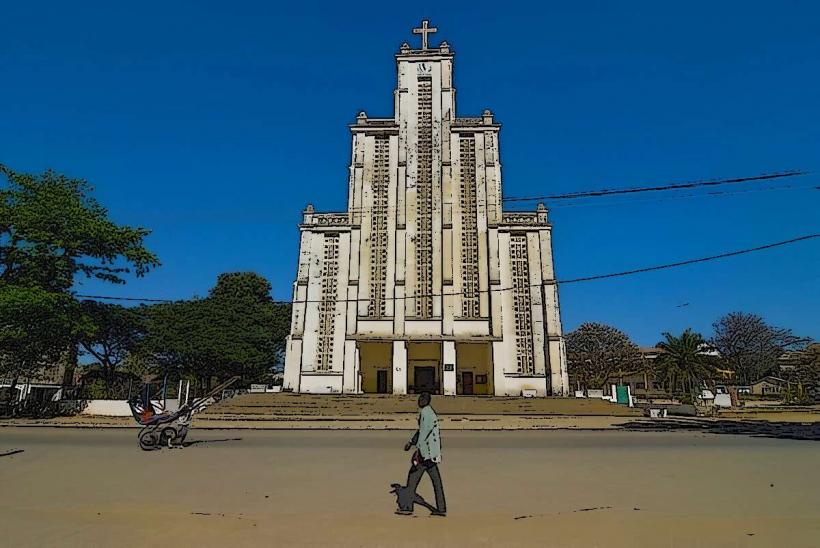
Grand Mosque: A landmark of the city's significant Muslim heritage and a center for the Indo-Pakistani community.
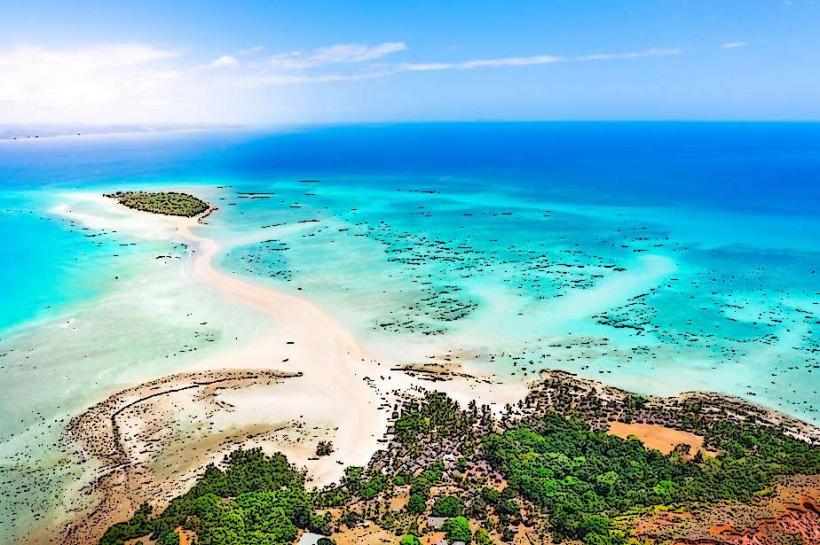
Bombetoka Bay: The expansive estuary where the red waters of the Betsiboka River meet the sea, surrounded by dense mangrove forests.
Sacred Lake of Mangatsa: Located 18 km away, this translucent lake is filled with "sacred" carp and eels believed to embody the spirits of Sakalava ancestors.
Transportation Network
Air: Amborovy Airport (MJN) offers domestic flights to Antananarivo and regional flights to the Comoros and Mayotte.
Roads: Connected to the capital by the RN4 (approx. 560 km). The drive takes roughly 10–12 hours.
Local Transit: Pousse-pousses and Tuk-tuks (motorized three-wheelers) are the primary modes of transport within the city.
Sea: Small boats and ferries cross Bombetoka Bay to reach the Katsepy peninsula.
Safety & "Red Zones"
Mahajanga is generally considered safer than Antananarivo, but risks remain.
Risks: Petty theft and pickpocketing are common at the Bord de Mer and in crowded markets.
Night Safety: Avoid walking on secluded beaches or poorly lit streets after dark.
Red Zones: Use caution in the "Village Touristique" late at night where alcohol-fueled incidents can occur.
Digital & Financial Infrastructure
4G coverage is robust throughout the city. Fiber-optic internet is standard in business-class hotels. ATMs (BNI, BMOI, Société Générale) are concentrated in the city center and near the harbor. The currency is the Malagasy Ariary (MGA).
Climate & Air Quality
Climate: Tropical savanna climate. It is significantly hotter and drier than the central highlands. The "dry season" (May–October) features clear skies and daytime highs around 32°C.
Air Quality: Good to Excellent. The city benefits from constant sea breezes, though dust from unpaved roads can be an irritant during the peak dry season.
Culture & Social Norms
The city has a relaxed "seaside" culture compared to the highlands.
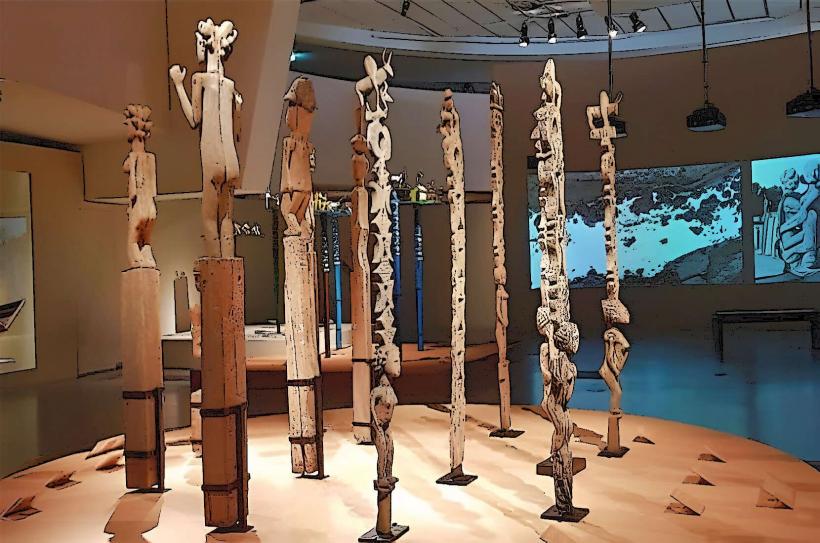
Sakalava Traditions: Local fady (taboos) are strictly observed at sacred sites like Lake Mangatsa; visitors must often remove shoes or refrain from wearing certain colors.
Cuisine: Specialized in Brochettes (grilled meat skewers) and Marinated Seafood sold at the Bord de Mer.
Local Cost Index
1 Espresso: ~4,500 MGA ($1.00)
1 Tuk-tuk Ride (Short distance): ~1,000–2,000 MGA ($0.22–$0.45)
1 Guided Tour to Cirque Rouge: ~80,000 MGA ($18.00)
Nearby Day Trips
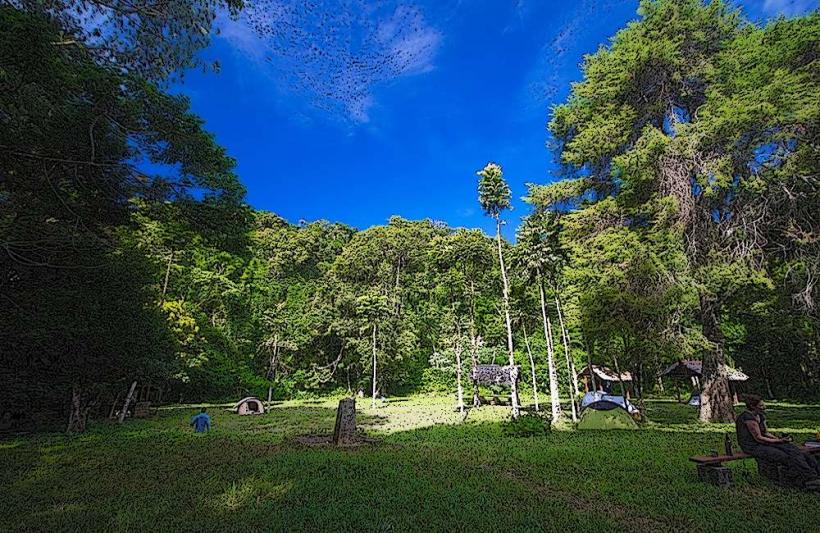
Ankarafantsika National Park: 2 hours inland; one of the last remaining dry deciduous forests, home to eight lemur species.
Katsepy Lighthouse: A boat trip across the bay to an Eiffel-designed lighthouse with panoramic views and lemur-filled forests.
Anjohibe Caves: Extensive limestone cave systems with underground pools, located approx. 80 km north (requires 4x4).
Facts & Legends
A verified historical oddity is that the city's famous giant baobab was once used as a makeshift prison and later as a post office. Local legend says that if you walk around the giant baobab seven times, you will be granted a wish, but you must leave an offering to the spirits inhabiting the tree.